
To spot real sustainability claims, look for credible certifications like Fair Trade or recycling standards and check for official logos or documentation. Trust brands that openly share their supply chain, manufacturing, and environmental practices. Focus on eco-friendly materials such as organic cotton or recycled fabrics and avoid vague claims like “green” or “eco-friendly” without proof. Finally, consider if the bag is durable and built to last. Keep going for tips on making truly eco-conscious choices.
Key Takeaways
- Verify certifications like Fair Trade or recycled material labels from recognized certifying bodies.
- Assess brand transparency about supply chains, manufacturing practices, and social responsibility initiatives.
- Check if materials are eco-friendly, biodegradable, or recycled, and look for supporting certification claims.
- Be cautious of vague marketing language and unsubstantiated eco-claims that may indicate greenwashing.
- Prioritize durable, long-lasting bags that promote a reduced environmental footprint over time.

TBF 12 Pack Wholesale Recycled Canvas Tote Bags in Bulk 15×16 Heavy Duty Reusable Cotton Cloth Plain Blank Bags
- Eco-Friendly Material: Made from recycled materials
- Heavy-Duty Durability: Strong and long-lasting canvas
- Sustainable Choice: Supports reduce, reuse, recycle
As an affiliate, we earn on qualifying purchases.
As an affiliate, we earn on qualifying purchases.
How to Spot Genuine Sustainability Certifications for Bags
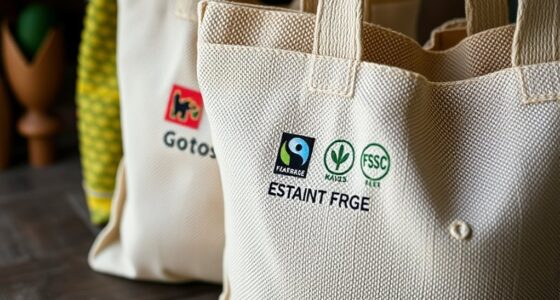
When shopping for sustainable bags, it’s important to recognize genuine certifications that verify a product’s eco-friendly claims. Look for labels that meet established recycling standards, ensuring the materials used are responsibly processed and reduce waste. Certifications like Fair Trade guarantee that the labor and sourcing practices support ethical treatment and fair wages for workers. These labels aren’t just marketing tricks—they’re backed by rigorous testing and verification processes. Always check for official logos or documentation from recognized certifying bodies. This helps you avoid greenwashing and ensures your purchase genuinely supports sustainability. Additionally, understanding architectural solutions can inspire innovative design choices that promote sustainability in product development. By understanding these certifications, you can confidently choose bags that align with your values and contribute to a more sustainable future.

Topo Designs Mountain Cross Bag, Functional + Flexible Briefcase, Removable Shoulder Strap, Fair Trade (Midnight/Caribbean)
- Daily commuter features: Laptop sleeve, organization pockets, bottle holders
- Travel-ready design: Carry-on compatible, pass-through panel, attachment points
- Eco-friendly construction: Recycled nylon, Fair Trade certified, PFAS-Free
As an affiliate, we earn on qualifying purchases.
As an affiliate, we earn on qualifying purchases.
How Transparent Are Eco Bag Brands About Their Practices?
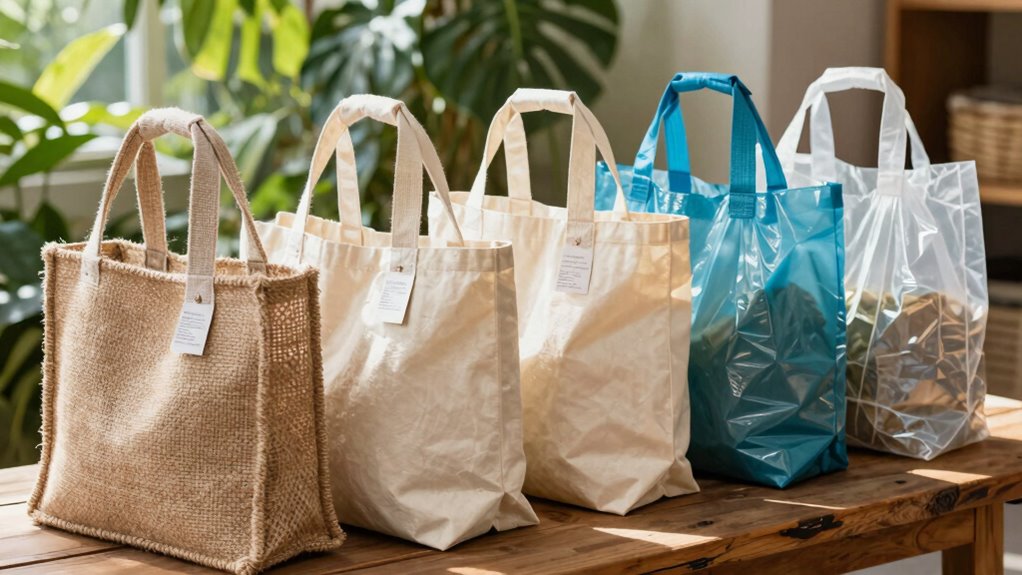
While certifications can verify the authenticity of a sustainable bag, transparency from brands reveals how genuinely committed they are to eco-friendly practices. You should look for brands that openly share details about their supply chain transparency, so you know exactly where and how their bags are made. Brands practicing ethical manufacturing are more likely to be transparent about working conditions and fair wages. This openness helps you assess their true sustainability efforts rather than relying solely on marketing claims. When a brand willingly discloses its manufacturing processes, sourcing methods, and social responsibility initiatives, it shows a real commitment to transparency. Additionally, understanding the importance of color accuracy in visual representations can help you better evaluate a brand’s marketing materials for consistency and honesty. By choosing brands that prioritize clear communication, you’re more likely to support those genuinely dedicated to sustainable, ethical practices.

LEAFICO Multipurpose Eco Cloth Bags – Large 10×12 Inch (12 Pack) – Cotton Produce Storage Sacks – Muslin Drawstring Pouches for Vegetables – Bread Bags – Fabric Sachets
- Versatile Multi-Purpose Bags: Suitable for travel, storage, and more
- Reusable & Machine Washable: Made from 100% natural cotton, easy to clean
- Eco-Friendly & Biodegradable: Help reduce plastic waste, protect oceans
As an affiliate, we earn on qualifying purchases.
As an affiliate, we earn on qualifying purchases.
What Materials Make a Bag Truly Eco-Friendly?
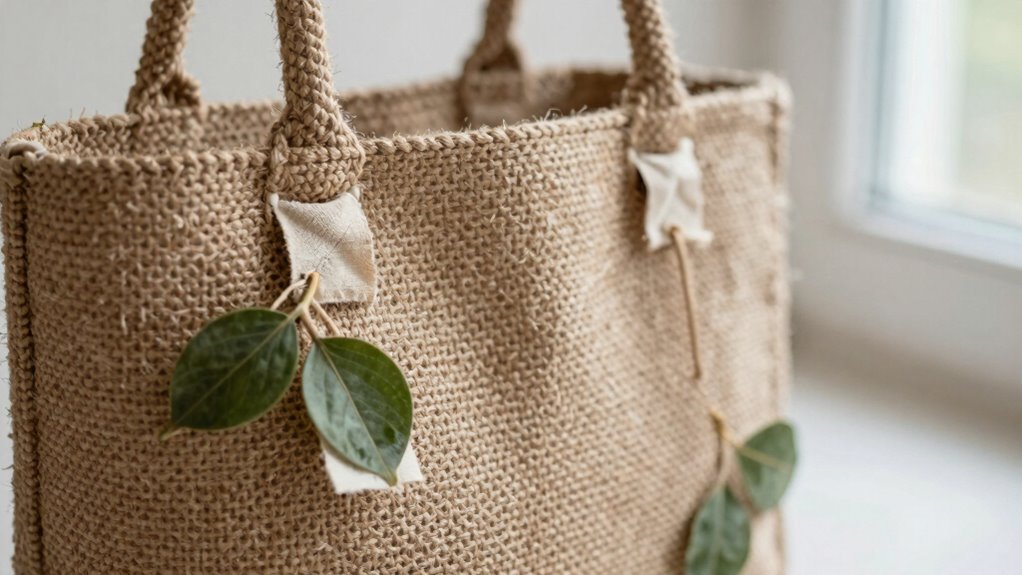
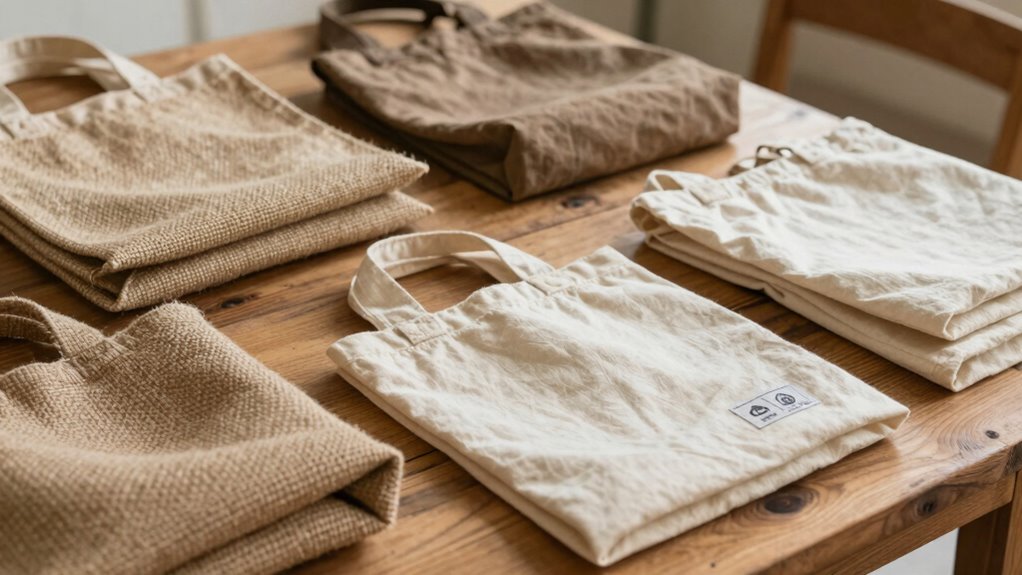
Choosing the right materials is essential to ensuring a bag is truly eco-friendly. Look for biodegradable fabrics that break down naturally without harming the environment, such as organic cotton, hemp, or Tencel. These materials reduce waste and avoid contributing to long-term pollution. Recycled materials are also a smart choice; bags made from recycled plastics, nylon, or PET bottles help divert waste from landfills and lower the demand for virgin resources. When shopping, check labels for certifications or claims about using recycled or biodegradable fabrics. Avoid bags made from synthetic, non-biodegradable plastics that persist in ecosystems for decades. Selecting products with eco-friendly materials makes a real difference, aligning your purchase with sustainability principles and minimizing your environmental impact. Color theory for water/tile can also influence the perception of eco-friendly design choices in your accessories.
![[100 per box] | Recyclable Compostable Reusable Biodegradable Plastic T-Shirt Bags | Grocery Shopping Bags | Green Eco Plastic Bags (100 per Pack) | T-Shirt Carryout Bags 100 count Restaurant Quality, Durable, Reusable and Econ Friendly | Measures 11. 5" X 6. 25" X 21"( large size 1/6) , 16 Mic (0. 63 Mil)](https://m.media-amazon.com/images/I/41A-ygPgCOL._SL500_.jpg)
[100 per box] | Recyclable Compostable Reusable Biodegradable Plastic T-Shirt Bags | Grocery Shopping Bags | Green Eco Plastic Bags (100 per Pack) | T-Shirt Carryout Bags 100 count Restaurant Quality, Durable, Reusable and Econ Friendly | Measures 11. 5" X 6. 25" X 21"( large size 1/6) , 16 Mic (0. 63 Mil)
- Biodegradable and Eco-Friendly: No composting needed, recyclable and biodegradable
- Versatile Use: Suitable for restaurants, grocery, retail, takeout
- Easy to Carry Handles: Designed for convenient carrying
As an affiliate, we earn on qualifying purchases.
As an affiliate, we earn on qualifying purchases.
How Can You Recognize Greenwashing in Eco Bag Marketing?
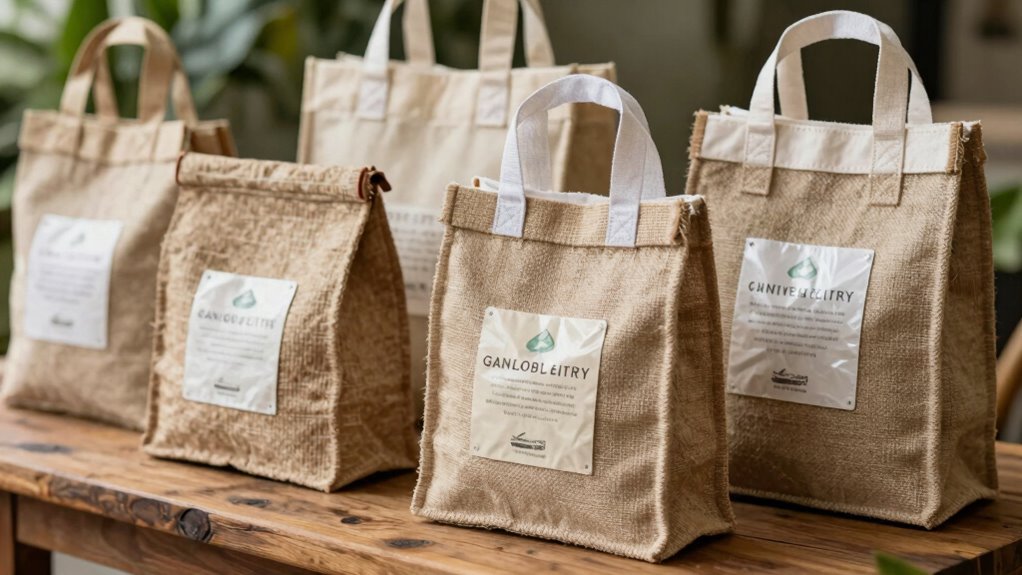
Recognizing greenwashing in eco bag marketing requires a critical eye, as some brands may make false or exaggerated claims to appear more environmentally friendly than they really are. Watch out for these warning signs: 1. Vague Language: Terms like “green,” “natural,” or “eco-friendly” are used without specifics. 2. Unsubstantiated Claims: Promoting eco benefits without proof or clear certification. 3. Fashion Trends & Celebrity Endorsements: Brands leverage trending styles or celebrity endorsements to distract from actual sustainability issues. 4. Hidden Trade-offs: Highlighting one eco feature while ignoring environmental harm elsewhere. Additionally, understanding the durability of a product can help differentiate genuinely sustainable items from those that are just marketing tricks.
Is Your Eco-Friendly Bag Built to Last? Durability and Lifecycle Tips

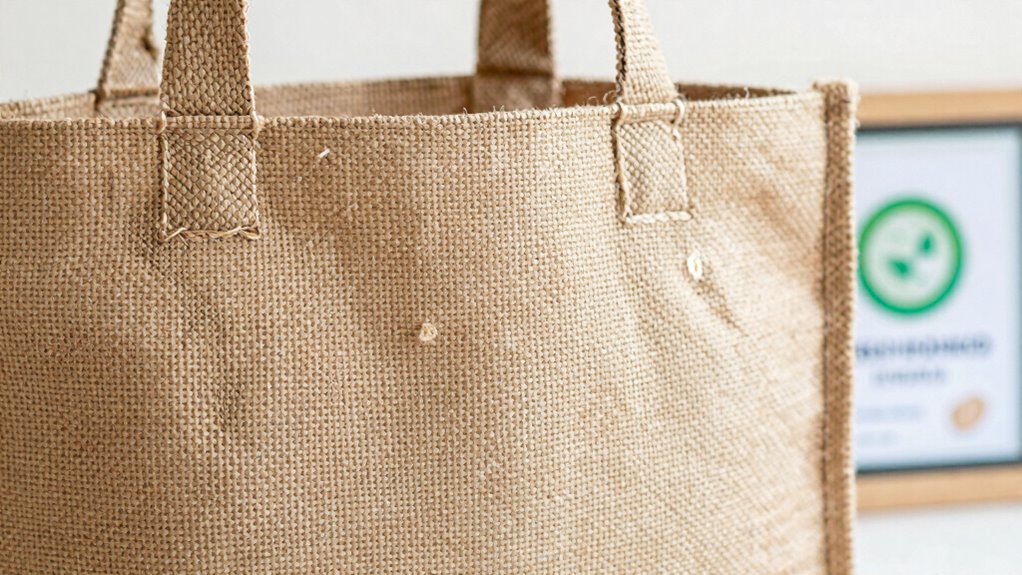
A durable eco-friendly bag is essential for reducing waste and guaranteeing it serves your needs over time. To maximize its lifespan, consider bags with strong material longevity and easy bag repair options. Look for high-quality fabrics like canvas, jute, or recycled materials that resist tearing and wear. Regularly inspect your bag for signs of damage and perform simple repairs to prolong its life. Understanding content formats and how they can be adapted ensures you select the most sustainable options for long-term use.
What Is the Real Environmental Impact of Producing and Disposing of Eco Bags?

Have you ever wondered how eco bags truly impact the environment from start to finish? Producing and disposing of them affects the environment in several ways. First, manufacturing eco bags can generate a significant carbon footprint, especially if made from non-renewable resources. Second, the energy used during production influences greenhouse gas emissions. Third, disposal methods play a pivotal role; if not properly managed, waste can accumulate, harming ecosystems. Lastly, eco bags with short lifespans increase waste management challenges, leading to more landfill waste. While they’re designed to reduce single-use plastic, their overall environmental impact depends on factors like durability, recycling options, and how long you use them. Understanding these aspects helps you make truly sustainable choices. Additionally, considering the environmental impact of production and how it relates to the durability of eco bags can help you choose options that are truly eco-friendly.
Questions to Ask Before Buying a Truly Sustainable Bag
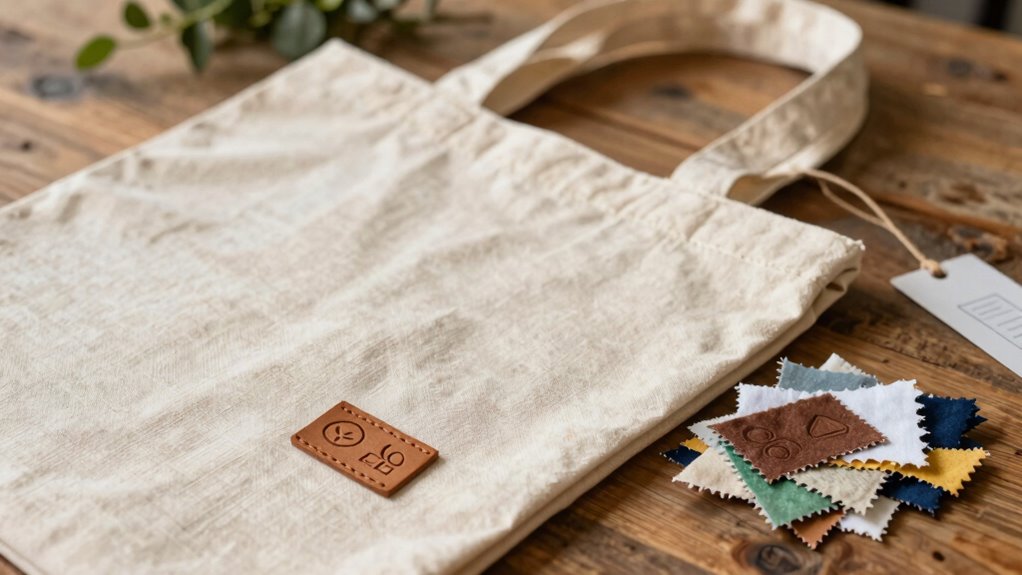
Before purchasing a sustainable bag, you should ask where the materials come from. It’s important to verify that the sourcing is environmentally responsible and ethically sound. Additionally, check if the brand is transparent about their claims to guarantee you’re making an informed choice. Understanding fabric technology can also help you assess the durability and environmental impact of the materials used.
Verify Material Sourcing
To guarantee a bag is truly sustainable, start by questioning where its materials come from and how they’re sourced. Ask about the origin of the fabrics or leather, ensuring they come from suppliers committed to fair labor and ethical sourcing. Consider these points:
- Is the material sourced from suppliers that pay fair wages and follow safe working conditions?
- Are the materials harvested or produced sustainably, with minimal environmental impact?
- Does the brand verify its supply chain to avoid exploitation or unethical practices?
- Are certifications like Fair Trade or other ethical labels clearly associated with the materials?
Check Transparency of Claims
How can you guarantee a brand’s sustainability claims are trustworthy? Start by asking for transparency. Look for detailed case studies that explain their sourcing, manufacturing, and environmental impact. Genuine brands often share this information openly, demonstrating accountability. Consumer testimonials are also valuable—they reveal real experiences and validate claims. Be wary if a company avoids specifics or relies solely on vague statements like “eco-friendly” without evidence. Reputable brands will readily provide data or links to certifications that back their claims. Asking these questions helps you distinguish truly sustainable bags from those just marketing a green image. By checking transparency, you ensure your purchase aligns with your values and supports brands committed to genuine environmental responsibility. Additionally, compliance with verified standards can further confirm the authenticity of sustainability claims.
Frequently Asked Questions
How Do Eco Bag Brands Source Their Raw Materials Sustainably?
You can spot eco bag brands that source raw materials sustainably by checking their transparency about raw material sourcing and sustainable supply chains. Look for brands that use certified materials like Fair Trade, Organic, or recycled fibers, and ask if they partner with suppliers committed to eco-friendly practices. Brands dedicated to sustainability actively share their supply chain details, ensuring their raw materials come from sustainable sources that minimize environmental impact.
What Are Common Greenwashing Tactics in Sustainability Claims?
You might think you’re making eco-friendly choices, but beware of marketing deception. Greenwashing tactics often include false eco labels and vague claims that make a bag seem sustainable when it’s not. Companies may highlight minor eco-friendly aspects while neglecting larger environmental impacts. Always scrutinize labels carefully, question vague language, and research certifications—don’t fall for superficial green promises that hide the true environmental footprint behind those trendy bags.
Can a Bag Be Eco-Friendly Without Being Biodegradable?
Yes, a bag can be eco-friendly without being biodegradable. It might be made from materials like recycled plastics or sustainably sourced fabrics that have a lower environmental impact during production. Look for bags made from compostable materials or biodegradable plastics, which break down naturally over time. These options reduce waste and pollution, making your choice more eco-friendly even if the bag isn’t entirely biodegradable.
How Do Manufacturing Practices Affect a Bag’s Sustainability?
Manufacturing practices directly impact your bag’s sustainability, balancing eco-consciousness with ethical standards. When brands use recycled materials, they reduce waste and conserve resources, making their products more sustainable. Fair labor practices ensure workers are treated ethically, supporting social sustainability. You can spot responsible manufacturing by checking if a brand transparently shares their sourcing and labor policies, knowing that eco-friendly materials alone aren’t sufficient without fair and sustainable production methods.
What Certifications Are Most Trusted for Eco-Friendly Bags?
You should look for trusted certifications like fair trade certifications and recycling standards to guarantee a bag’s eco-friendliness. Fair trade verifies fair wages and ethical practices, while recycling standards confirm the materials meet environmental guidelines. When shopping, check labels carefully for these certifications, as they provide credible proof of sustainability claims. Trust brands that display these symbols, so you can confidently choose bags that truly support environmental and social responsibility.
Conclusion
By staying informed and asking the right questions, you can spot genuine sustainability claims like a detective finding clues. Think of it as peeling back the layers of an onion—once you uncover the truth, you’ll make smarter, eco-friendly choices that last longer than a fleeting trend. When you choose truly sustainable bags, you’re not just carrying a stylish accessory, but also making a positive impact on the planet, like planting seeds for a greener future.