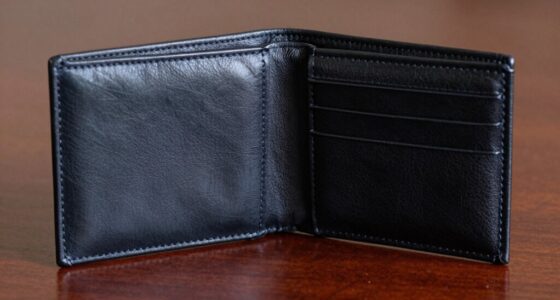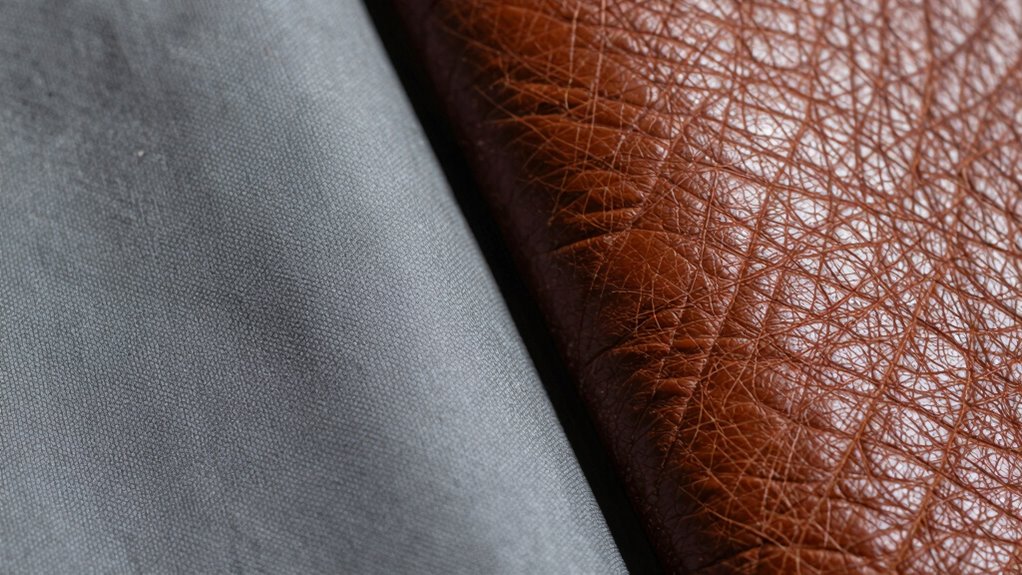

Recycled nylon generally offers better resistance to water, stains, and UV rays, making it suitable for active or outdoor use. Leather, on the other hand, is known for its long-lasting durability and develops a unique patina over time, but it’s more vulnerable to moisture and UV damage if not properly cared for. Both materials can last decades with proper maintenance, but if you want robustness in varying conditions, recycled nylon might be your best bet—explore further to see why.

Get your wardrobe favorites delivered free with Prime
- Fast, free delivery on millions of items
- Prime Video, Amazon Music and more included
- Member-only deals all year
Key Takeaways
- Recycled nylon resists abrasions, tearing, and stretching, making it highly durable for active and outdoor use.
- Leather ages well, developing a patina and maintaining strength over decades, offering long-term durability.
- Both materials are vulnerable to environmental factors; proper treatments like waterproofing extend their lifespan.
- Recycled nylon is more resistant to water, UV rays, and moisture, maintaining integrity under harsh weather conditions.
- Leather requires regular maintenance; neglect accelerates wear, while recycled nylon generally demands less upkeep.
As an affiliate, we earn on qualifying purchases.
Recycled Nylon vs. Leather: What Are They?
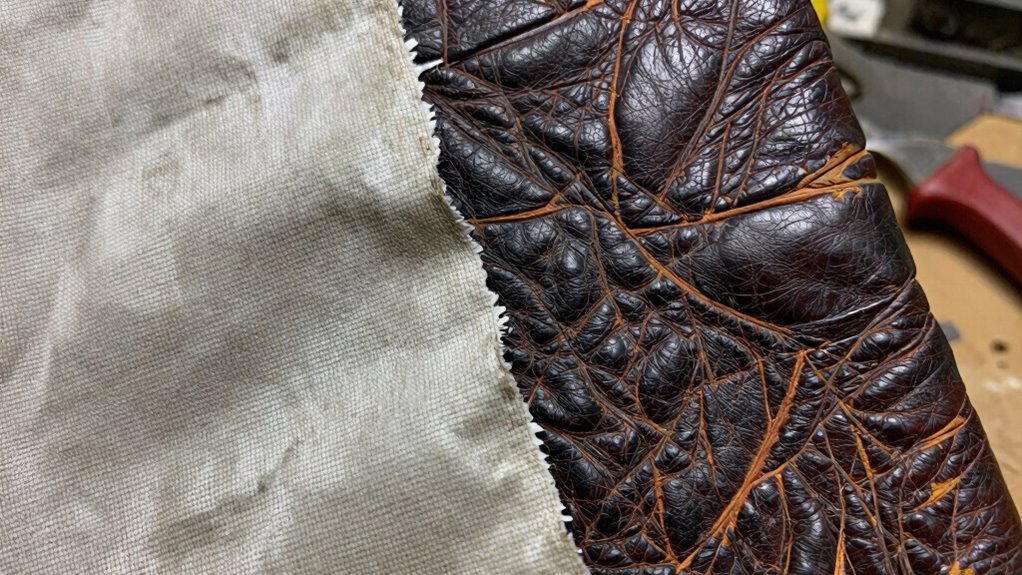
When comparing recycled nylon and leather, it’s important to understand what each material is. Recycled nylon is a type of synthetic fiber made from repurposed plastic waste, such as discarded fishing nets or carpets. It’s a man-made material designed to mimic traditional nylon but with an eco-friendly twist. Leather, on the other hand, is a natural material derived from animal hide, processed through tanning. It’s valued for its durability and classic appearance. Recycled nylon combines sustainability with versatility, often used in fashion and outdoor gear. Leather offers a timeless, natural aesthetic. While they differ considerably in origin—one being a synthetic fiber and the other a natural material—they are both popular choices for their unique properties, making them appealing options depending on your needs and values. Sustainable materials are increasingly important in consumer choices, influencing the popularity of recycled nylon over traditional options.
As an affiliate, we earn on qualifying purchases.
How Durable Is Recycled Nylon Compared to Leather?

Recycled nylon is generally quite durable and resistant to wear, making it suitable for everyday use, but it may not match the longevity of leather in certain applications. As a synthetic fiber, recycled nylon benefits from a high strength-to-weight ratio, which enhances its durability. It resists abrasions, stretching, and tearing better than many other materials, especially when properly cared for. However, its material longevity can vary depending on exposure to elements like sunlight and moisture, which can degrade synthetic fibers over time. While recycled nylon holds up well in many conditions, it often falls short of leather’s ability to age gracefully and maintain its integrity for decades. Additionally, environmental impact considerations can influence the choice between these materials, as recycled nylon is made from repurposed plastics. Overall, recycled nylon delivers impressive durability, but leather’s natural resilience still makes it a strong contender for long-lasting products.
As an affiliate, we earn on qualifying purchases.
Resilience of Leather: Why It’s Known for Longevity
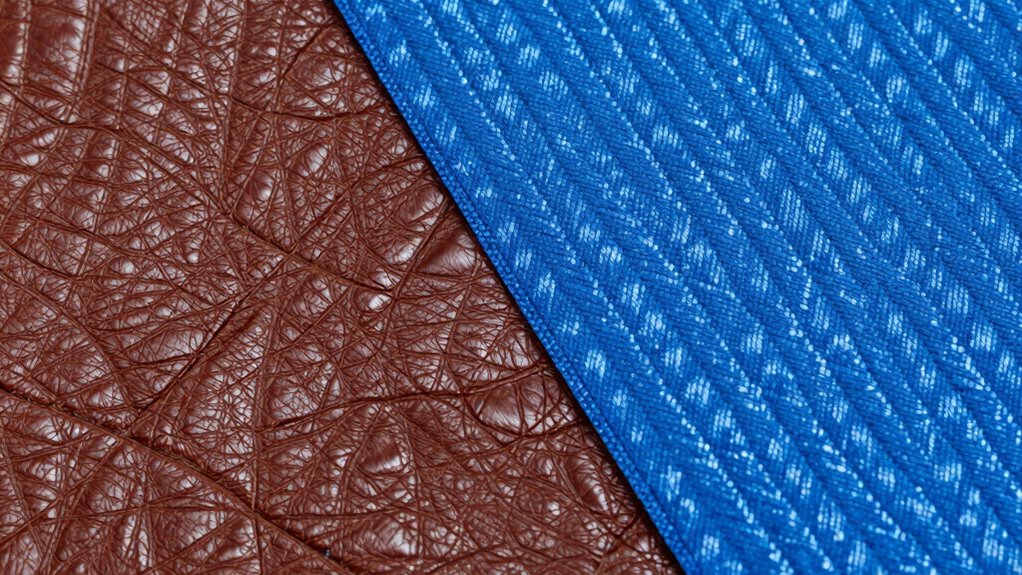
Leather’s natural composition gives it an exceptional resilience that has earned it a reputation for lasting decades. Its natural characteristics, such as flexibility and strength, make it highly durable. Unlike synthetic alternatives, leather ages gracefully, developing a unique patina that adds character over time. Its ability to withstand daily wear and tear comes from its inherent toughness and breathability. While synthetic options may mimic appearance, they often lack the resilience leather offers. This durability is why many choose leather for long-term use. Here’s a quick comparison: natural resilience
| Feature | Leather | Synthetic Alternatives | Longevity |
|---|---|---|---|
| Natural Characteristics | Yes | No | High |
| Resistance to Wear | Excellent | Moderate | Moderate to High |
| Ageing Gracefully | Yes | No | Yes |
| Tear Resistance | Strong | Variable | Moderate to High |
| Overall Durability | Known for longevity | Varies, often less durable | High |
long-lasting leather journal cover
As an affiliate, we earn on qualifying purchases.
As an affiliate, we earn on qualifying purchases.
Water, Stain, and Uv Resistance: Which Material Holds Up Better?

Choosing between recycled nylon and leather often hinges on how well each material withstands water, stains, and UV exposure. Leather’s resistance depends heavily on leather tanning, which can enhance its ability to repel water and resist UV damage. However, untreated or poorly tanned leather may stain easily and degrade with prolonged sun exposure. Recycled nylon, created through nylon weaving, naturally resists water and stains, making it more suitable for outdoor use. UV rays have less impact on nylon, which maintains its integrity longer when exposed to sunlight. While leather can be treated to improve UV and stain resistance, it still remains more vulnerable than nylon in harsh conditions. Overall, recycled nylon offers superior water, stain, and UV resistance without extensive maintenance, especially when considering material treatments that can further enhance durability.
How Maintenance Affects the Longevity of Nylon and Leather
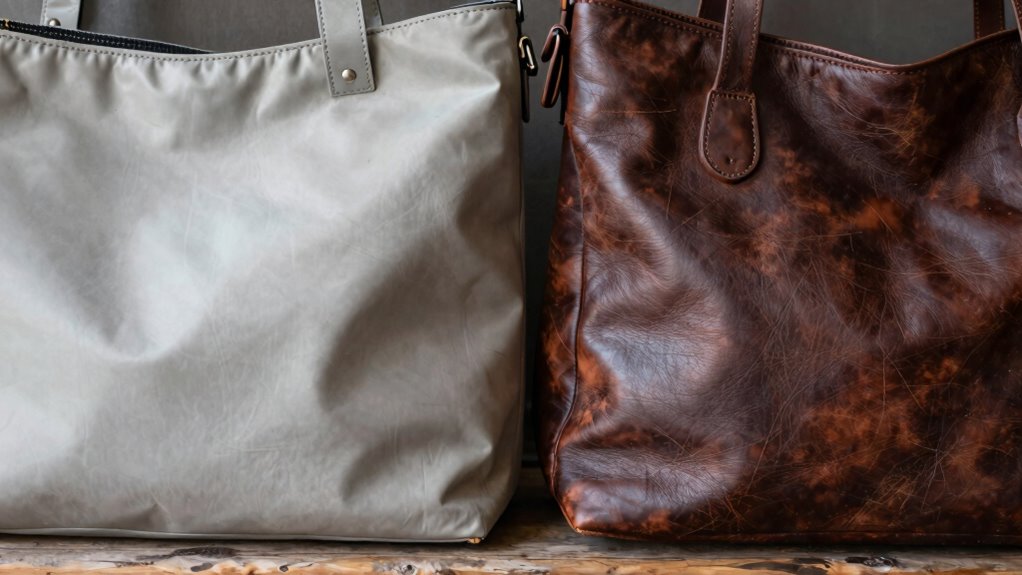
How you clean and store your nylon and leather items directly impacts how long they last. Using improper cleaning methods or neglecting proper storage can cause damage over time. Exposure to elements like sunlight and moisture accelerates wear, so paying attention to maintenance is key. Additionally, understanding the role of material technology in durability can help inform better care practices.
Cleaning Methods Impact Durability
Proper cleaning methods can substantially influence the lifespan of both recycled nylon and leather items. Using the right cleaning techniques helps maintain their appearance and extends their material longevity. For nylon, gentle soap and water work well; avoid harsh chemicals that can weaken fibers. Leather benefits from specific leather cleaners and conditioners that keep it supple and resistant to cracking. Here’s a quick comparison:
| Cleaning Techniques | Material Longevity Impact |
|---|---|
| Mild soap & water | Preserves nylon’s strength and appearance |
| Leather cleaner | Prevents drying and cracking |
| Avoid harsh chemicals | Protects both materials from damage |
| Regular maintenance | Ensures durability over time |
Additionally, understanding the proper maintenance routines can significantly enhance the durability of these materials over the years.
Proper Storage Preserves Material
Storing your nylon and leather items correctly is essential for maintaining their quality over time. Proper storage techniques prevent unnecessary wear and help preserve the materials’ appearance and durability. For nylon, keep items in a cool, dry place, away from direct sunlight, and avoid folding them sharply to prevent creases. Leather benefits from being stored in a breathable container, such as a cloth bag, to avoid moisture buildup. When considering material recycling, choose storage options that minimize stress on the material, extending its lifespan. Additionally, using appropriate storage methods can significantly enhance the longevity of recycled nylon and leather. Proper storage not only maintains the integrity of recycled nylon and leather but also supports sustainable practices by reducing the need for frequent replacements. Implementing correct storage techniques ensures your items stay durable and look their best longer.
Exposure to Elements Causes Damage
Exposure to the elements can quickly undermine the durability of nylon and leather if you don’t take steps to safeguard them. Moisture, sunlight, and harsh weather can weaken material flexibility and cause cracking or fading. Leather, in particular, is susceptible to water damage and UV rays, which diminish its aesthetic appeal over time. Nylon, while more resistant, can still suffer from prolonged exposure, leading to color fading and loss of strength. Proper maintenance, like applying waterproof treatments and storing items out of direct sunlight, helps preserve both materials. Additionally, understanding material vulnerabilities allows you to better protect your belongings from environmental harm. By shielding your nylon and leather from the elements, you ensure they retain their durability and appearance longer, making them more resilient against everyday wear and tear.
Environmental Factors That Impact Material Durability

Environmental factors like sun exposure, moisture, and temperature changes can substantially affect the durability of recycled nylon and leather. You might notice that prolonged sunlight causes fading or weakening, while humidity can lead to mold or deterioration. By understanding these effects, you can better protect your materials and extend their lifespan. Additionally, proper maintenance plays a crucial role in preserving material integrity over time.
Sun Exposure Effects
Sunlight can considerably affect the durability of recycled nylon and leather, especially when these materials are exposed to prolonged periods outdoors. UV degradation occurs when ultraviolet rays break down the fibers, weakening the material over time. For recycled nylon, this means increased chances of tearing or loss of structural integrity. Leather, on the other hand, is prone to color fading when exposed to direct sunlight, diminishing its appearance and value. Both materials can be protected with UV inhibitors or regular maintenance, but prolonged sun exposure accelerates deterioration. If you plan to use these materials outdoors, consider their susceptibility to UV damage and color fading. Proper care and protective treatments can help extend their lifespan and maintain their aesthetic appeal. Additionally, understanding UV degradation mechanisms can help you better prevent long-term damage to these materials.
Moisture and Humidity
Moisture and humidity can notably impact the durability of recycled nylon and leather, especially when these materials are kept in damp environments. High humidity accelerates UV degradation for both materials, weakening their structure over time. Leather is particularly susceptible to mold, which thrives in moist conditions and can cause staining, odor, and deterioration if not properly treated. Recycled nylon, while more resistant to mold, can absorb moisture, leading to diminished strength and potential fiber breakdown. Excess moisture also promotes faster wear and tear, reducing the lifespan of your items. To guarantee longevity, keep these materials in dry settings and avoid prolonged exposure to dampness. Proper storage and maintenance can greatly mitigate the adverse effects of moisture and humidity on both recycled nylon and leather.
Temperature Fluctuations
Temperature fluctuations can considerably weaken recycled nylon and leather over time, especially when they experience rapid or frequent changes. These shifts cause thermal expansion and contraction, stressing the materials and leading to material fatigue. Recycled nylon is more resistant but still vulnerable to weakening from repeated thermal cycles. Leather, on the other hand, can become brittle or warp if exposed to extreme temperature swings. To understand these effects better:
- Frequent temperature changes accelerate material fatigue, reducing lifespan.
- Rapid expansion and contraction can cause cracks or tears.
- Thermal expansion mismatches may lead to delamination or deformation.
- Constant fluctuations hinder the ability of both materials to maintain structural integrity over time.
Both materials suffer from temperature-induced stress, but nylon’s synthetic nature offers some resilience compared to leather’s organic composition.
Real-Life Examples: Durability in Everyday Use
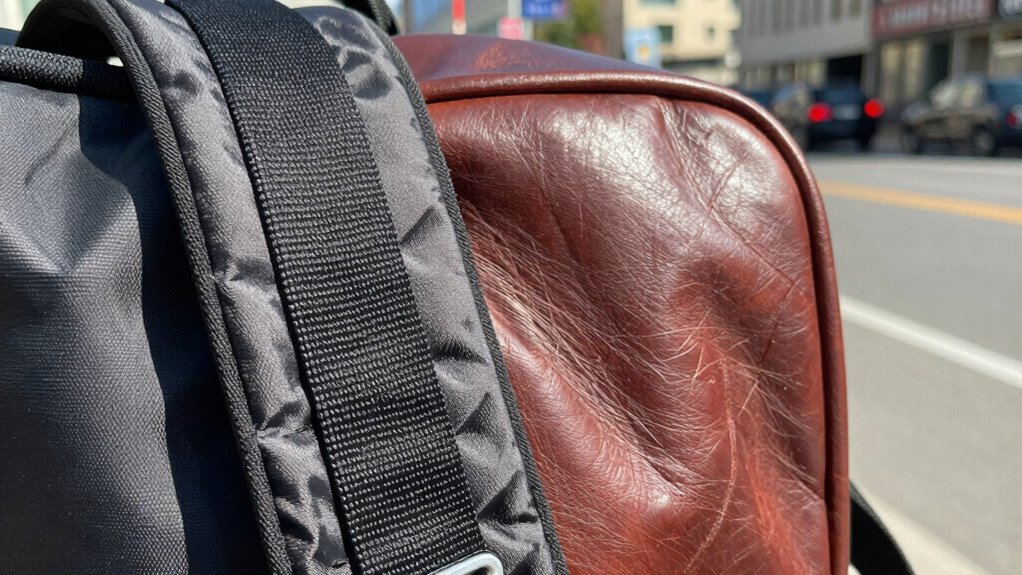
When it comes to everyday use, recycled nylon and leather each demonstrate their durability in different ways. Recycled nylon holds up well against frequent wear and tear, making it popular in active fashion trends like backpacks and sportswear. Its manufacturing processes create a lightweight, flexible material that resists stretching and tearing over time. Leather, on the other hand, ages gracefully, developing a unique patina that shows signs of daily use without losing strength. Common examples include shoes and bags that are subjected to constant handling. Leather’s natural fibers offer excellent resistance to abrasion, while its durability depends on proper care. Both materials can last years in real-life scenarios, but their longevity depends on how you use and maintain them daily.
Which Material Is Best for Your Durability Needs?

Choosing between recycled nylon and leather for durability depends on your specific needs and how you plan to use the item. Consider these factors:
- If you prioritize longevity and resistance to wear, leather often outperforms recycled nylon.
- For eco-conscious choices, recycled nylon offers better biodegradability, addressing biodegradability concerns.
- In terms fashion industry trends, recycled nylon is gaining popularity for sustainable designs, but leather remains a classic choice.
- If your environment involves frequent exposure to moisture or rough handling, leather’s durability may serve you better, while nylon could be more lightweight and flexible.
Ultimately, your decision hinges on balancing durability with environmental impact and style preferences, depending on your intended use.
Frequently Asked Questions
How Does the Manufacturing Process Affect the Durability of Recycled Nylon Versus Leather?
The manufacturing impact greatly influences durability factors in recycled nylon and leather. Recycled nylon’s process involves using less energy and fewer chemicals, making it lightweight and resistant to wear. Leather’s durability depends on tanning methods and quality, with traditional processes producing stronger, long-lasting material. Your choice depends on how manufacturing impacts durability; recycled nylon offers eco-friendly resilience, while high-quality leather provides proven toughness over time.
Can Recycled Nylon and Leather Withstand Extreme Weather Conditions Equally?
You might think both can handle anything, but recycled nylon and leather don’t withstand extreme weather equally. Recycled nylon, with its pest resistance and UV stability, easily shrugs off harsh sun and pests, making it a weather warrior. Leather, while strong, can crack and fade under intense sun and moisture. So, if you need gear that endures extreme weather, recycled nylon’s your best bet for durability.
Are There Specific Care Routines That Significantly Enhance Each Material’s Lifespan?
Yes, adopting specific care routines and maintenance tips can considerably extend each material’s lifespan. For recycled nylon, regularly clean with mild soap and water, avoid prolonged sun exposure, and store in a cool, dry place. Leather needs conditioning with specialized products, gentle cleaning, and keeping it away from moisture and heat. By following these care routines, you guarantee both materials stay durable and look their best over time.
How Do Types of Recycled Nylon and Leather Differ in Durability?
Think of recycled nylon as a flexible gymnast, bouncing back with ease, while leather is like a sturdy oak, strong but less forgiving. Different types of recycled nylon offer varying levels of durability based on weave and treatment, making some more resilient than others. Leather varies by thickness and tanning process, impacting its longevity. Both prioritize eco-friendliness, but your choice depends on desired flexibility and durability for your needs.
Which Material Is More Resistant to Scratches and Abrasions Over Time?
Recycled nylon generally offers better scratch durability and abrasion resistance over time compared to leather. You’ll find it withstands scratches and abrasions more effectively, making it ideal for active use. Leather, while durable, can show scratches more prominently and may wear down faster in high-friction situations. So, if you need a material that resists scratches and maintains its appearance longer, recycled nylon is your best choice.
Conclusion
When choosing between recycled nylon and leather, durability depends on your needs. Did you know that recycled nylon can last up to five times longer than traditional nylon due to its enhanced strength and flexibility? If you want a lightweight, water-resistant option, recycled nylon might be your best bet. However, for classic longevity and resilience against wear, leather remains a top choice. Consider your environment and usage to pick the material that truly stands the test of time.
Columbus Day / Indigenous Peoples' Day Picks
long weekend sales
As an affiliate, we earn on qualifying purchases.