TL;DR
Designer leather wallets combine practical storage with a brand’s design, materials, and construction, but a higher price does not guarantee better durability. Choose a shape that fits what you carry, inspect the leather and stitching, and compare repair options and care needs before you buy.
A wallet can look perfect on a boutique shelf and feel like a brick in your pocket by lunchtime. Designer leather wallets pair a label’s design with everyday storage, but your best choice depends on what you carry, how you carry it, and how much care you want to give it.

Get your wardrobe favorites delivered free with Prime
- Fast, free delivery on millions of items
- Prime Video, Amazon Music and more included
- Member-only deals all year
This guide explains the common wallet shapes, what leather grades tell you, and which construction details you can check with your own hands. You’ll also get a practical way to compare price, care, and features—so your next wallet feels right on an ordinary Tuesday, not just under the store lights.
Count the cards, cash, and coins you carry regularly before choosing a bifold, card holder, or larger wallet.
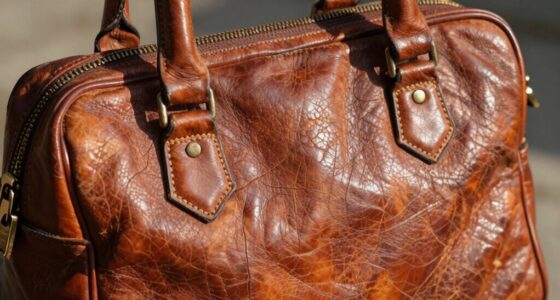
Full-grain leather retains natural surface markings and often develops patina; top-grain leather is refined for a more uniform look.
Check the stitching, edges, card slots, lining, and loaded fit before you buy.
Compare price with materials, construction, repair options, and features you will actually use.
Keep leather away from prolonged moisture and heat, avoid overfilling it, and follow care advice for its specific finish.
Match the wallet shape to what you actually carry
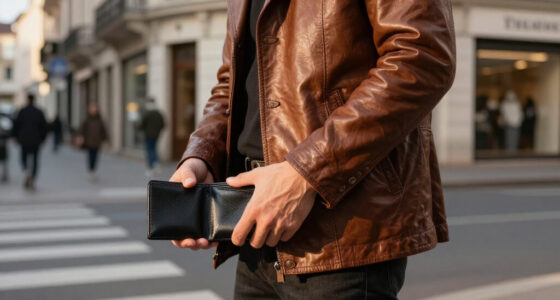
Designer leather wallets come in several shapes, and the right one is the format that holds your daily essentials without adding bulk. A bifold folds in half, while a card holder keeps a smaller stack of cards close at hand; your routine matters more than a trend.
Start by emptying your current wallet onto a table. Count the cards you use each week, then add your cash, coins, identification, and any receipts you truly need. If your stack fits into four cards and a transit pass, a slim card holder may work well. If you carry a driver’s license, insurance cards, and folded bills, a bifold gives you more room without the extra folds of a trifold.
A trifold can suit someone who wants additional compartments, though it may feel thicker in a front pocket. A long or continental wallet keeps bills flatter and can combine practical storage for cards and receipts, especially if you carry a bag. Coin wallets add a snap or zip pocket; travel wallets make space for documents or a passport. For example, a frequent rail traveler may prefer a travel wallet, while someone who taps a phone and carries two cards may find that format unnecessarily large.
Try the wallet with your usual load if a shop allows it. Capacity claims can hide an uncomfortable fit: packed card slots may loosen with use, and a stuffed wallet can strain its seams. Choose enough room for your real routine, with a little breathing space.
Popular right now

Ninja Foodi DZ201 8-Qt DualZone 6-in-1 Air Fryer

KitchenAid Artisan 5-Quart Tilt-Head Stand Mixer, Milkshake

Bose QuietComfort Ultra Wireless Noise-Cancelling Over-Ear Headphones with Spatial Audio, White Smoke
As an affiliate, we earn on qualifying purchases.
Learn what leather grades can—and can’t—tell you
Full-grain leather keeps the hide’s natural outer surface, while top-grain leather has been refined for a more uniform look; the terms describe the surface, not a guarantee that one wallet will last longer. Feel matters, too: some hides feel firm and smooth, while others soften as you handle them.
Full-grain leather often develops a patina, a gradual change in color and sheen from light, handling, and wear. Imagine a brown wallet picked up each morning from the same coat pocket: over time, the edges may darken and the surface may gain a soft glow. If you prefer a more even finish from day one, top-grain or corrected-grain leather may appeal to you. Corrected-grain leather has been treated for a more consistent surface.
Suede and nubuck feel soft and velvety because their surface has a nap, but that texture can call for extra caution around rain, spilled coffee, and greasy fingerprints. Vegan leather covers a wide range of non-animal materials, so check what a specific maker means by the term. A recycled or plant-based label alone doesn’t tell you how the material was made, how long it may last, or what happens when it wears out.
Ask about the material and its care instructions, then judge the wallet as a whole. Leather grade, stitching, edge finish, and construction all play a part. A dramatic logo can catch the eye; the leather’s feel and the way the wallet is built tell you more about daily use.
Inspect five details before you pay
You can learn a lot about a wallet by checking its edges, stitching, slots, lining, and fit. These details don’t promise a specific lifespan, but they help you judge how carefully the piece is put together before it goes home with you.
- Look along the stitching. Seams should appear even, without loose threads or skipped sections. On a dark wallet, turn it toward the light to spot irregular lines.
- Check the edges. Finished edges should feel smooth and consistent rather than rough or peeling. Run a finger along the fold if the shop permits.
- Test the card slots. Slide in a card gently. The opening should hold it without forcing it, and the pocket should feel secure.
- Open the wallet fully. Look for a lining that lies flat instead of bunching or pulling near the folds.
- Load it realistically. If you normally carry six cards, test that load rather than judging an empty wallet.
For instance, a wallet can have lovely leather but tight slots that make a daily transit card awkward to remove. Another may feel roomy at first yet sag when loaded with bills and receipts. Imagine using it at a busy checkout: if you need both hands and several seconds to pull out a card, that small annoyance will repeat.
Before buying, ask what the warranty covers, where repairs are handled, and whether replacement parts or aftercare are available. Repair service and construction details may matter more to you than a monogram or a special colorway.
Compare price with the things you’ll use
Prices vary widely because a wallet may cost more due to its leather, construction, design, brand reputation, or a mix of those factors. A high price alone does not prove better durability, so compare the features you value with the price you’ll pay.
Think of the cost like a coat you wear often: its value comes from what it does for you over time, not just the name on the label. If you enjoy the design and plan to use a wallet daily, the feel, fit, and available repair service may justify spending more. If you mainly want a simple place for three cards, a less expensive card holder may do the job just as comfortably.
| What to compare | What to ask | Example |
|---|---|---|
| Materials | What leather or alternative material is specified? | Full-grain with natural markings or a more uniform finish? |
| Construction | Are seams, edges, slots, and lining finished neatly? | Does a loaded wallet sit flat? |
| Service | Are repairs or replacement parts available? | Can the maker address a worn edge? |
| Features | Will you use every compartment or security layer? | Do coins or travel documents need their own pocket? |
Buying secondhand can bring a designer piece within reach, but it adds questions about authenticity, condition, and documentation. Check seller history and the marketplace’s authentication policy; no single detail proves a wallet is genuine. Buying from the brand or an authorized retailer offers a clearer route if certainty matters most to you.
Choose security and material claims with clear eyes
Features such as RFID-blocking layers and sustainability claims can inform your choice, but neither label tells the whole story. RFID protection can reduce certain forms of radio-frequency scanning; it does not prevent every kind of payment-card fraud.
Ask yourself how you pay and what would make you feel comfortable. If you mostly use contactless cards in crowded places, an RFID-blocking wallet may offer peace of mind. If your bank alerts you to transactions and you rarely carry contactless cards, you may prefer a slimmer design without that layer. Either way, keep an eye on account activity and treat card security as more than a wallet feature.
Material transparency deserves similarly specific questions. If a maker mentions responsible sourcing, tanning standards, or animal welfare, look for details about the scope of the claim. “Vegan” and “recycled” describe broad categories; the material and manufacturing process affect how a product wears and its environmental impact. For example, a plant-based material that scuffs quickly may not suit someone hoping to carry the same wallet for years.
Personalization and repair can add value in a different way. A monogram may make a gift feel personal, while a documented repair service can help you keep a favorite piece in use. Match each extra feature to a real need, like coin storage for cash fares or repair support for a wallet you intend to carry every day.
Keep leather looking and feeling good with simple care
A leather wallet needs little routine care: keep it dry, avoid prolonged heat, and don’t force more into it than the slots can hold. The exact routine depends on the leather and finish, so follow the maker’s instructions before using a cleaner or conditioner.
If your wallet gets caught in the rain, gently blot the surface with a clean cloth and let it air-dry away from a radiator or hair dryer. Heat can dry or stiffen leather. Think of a soaked wallet left on a sunny windowsill: it may dry fast, but uneven heat can leave the leather feeling less supple. Once it is dry, check the care guidance before applying a product.
Overfilling is one of the easiest habits to change. Remove old receipts and expired cards once a month, then check whether the wallet closes without pressure. A card holder built for a few cards can loosen if you wedge in a thick stack. If you regularly need extra room, a bifold or long wallet may fit your life better.
For suede or nubuck, take extra care around spills and ask the maker which brush or protector suits the finish. Don’t assume a product meant for smooth leather is safe for a napped surface. Gentle care and realistic capacity help preserve the wallet’s shape, while accepting some change in color and texture lets natural leather show its history.
Frequently Asked Questions
Are designer leather wallets worth the price?
They may be worth it if you value the design, materials, construction, service, or personal meaning. Compare those features with the price and how often you expect to use the wallet.
What is the best leather for a wallet?
There is no single best choice. Full-grain leather keeps its natural outer surface and often develops patina; top-grain leather has a more uniform finish. Consider the feel, appearance, and care needs you prefer.
Do leather wallets stretch?
Leather and card slots can loosen with use, especially when you overfill a wallet. Choose a size that holds your everyday cards without forcing extras into the slots.
Is an RFID-blocking wallet necessary?
It is an optional feature that can reduce certain forms of radio-frequency scanning. It does not prevent every kind of payment-card fraud, so weigh the feature against your preferences and habits.
How can I check whether a designer wallet is authentic?
Buy from the brand or an authorized retailer when possible. For a pre-owned wallet, review the seller’s history, documentation, construction, materials, and authentication policy; no single detail proves authenticity.
What should I do if my leather wallet gets wet?
Blot it gently with a clean cloth and let it air-dry away from direct heat. Follow the maker’s care advice before applying any conditioner or cleaner.
Conclusion
Choose a wallet that fits your daily carry, feels comfortable in your hand, and has construction you can inspect. Materials, repair options, and price tell a fuller story than a logo on its own.
Carry it, care for it, and let the leather record the small journeys of your days—one softened edge at a time.