
TL;DR

Get your wardrobe favorites delivered free with Prime
- Fast, free delivery on millions of items
- Prime Video, Amazon Music and more included
- Member-only deals all year
High-quality designer leather wallets combine premium materials with expert craftsmanship, but price and value depend on factors like leather type, construction, and brand. Knowing what to look for helps you buy smarter and enjoy your wallet longer.
Ever pulled a wallet out of your pocket and felt the difference? That’s the magic of a well-made designer leather wallet. It’s not just about holding cash and cards—it’s a statement, a piece of craftsmanship, and sometimes, a little luxury you carry every day.
If you’re considering investing in one, it’s worth knowing what makes a wallet truly special. From the quality of the leather to the details in construction, each choice impacts how long your wallet lasts and how good it looks over time. You’ll learn how to spot authentic craftsmanship, pick the right style for your habits, and care for your investment so it ages beautifully.
Full-grain leather develops a unique patina that enhances character over time, making it a smart choice for longevity and beauty.
Pay attention to craftsmanship details—secure stitching, reinforced stress points, and smooth edges ensure your wallet lasts longer.
Match your wallet style to your daily habits—compact cardholders suit minimalists, while bifolds and travel wallets serve those with more storage needs.
Authenticity matters—buy from reputable sources, inspect details carefully, and beware of counterfeit signs.
Proper maintenance preserves your investment—clean gently, condition sparingly, and store carefully to keep your wallet looking its best.
What Makes Leather Quality Matter Most?
When it comes to designer leather wallets, leather quality is king. Full-grain leather, the top tier, keeps the natural grain, develops a rich patina, and ages beautifully. It’s the same leather used in luxury handbags and high-end accessories, meaning it’s thick, durable, and gets better with age.
In contrast, top-grain leather is sanded for an ultra-smooth look but doesn’t develop the same character. Corrected-grain leather covers imperfections with embossing or coating—good for sleek finishes but less authentic.
Imagine choosing between a rugged, textured full-grain wallet that gains personality over years, versus a shiny corrected-grain one that looks perfect out of the box but may wear faster. Your choice impacts durability, look, and how your wallet ages. The deeper implication is that investing in the highest quality leather can significantly prolong the lifespan of your wallet, making it not just a purchase but a long-term investment. Conversely, opting for lower-grade leather might save money upfront but could lead to earlier wear, cracks, or a less appealing appearance, forcing you to replace it sooner. Understanding these tradeoffs helps you balance initial cost versus long-term value.
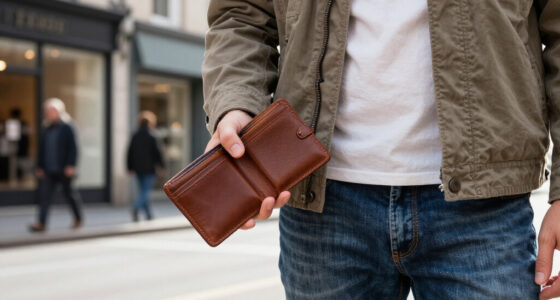
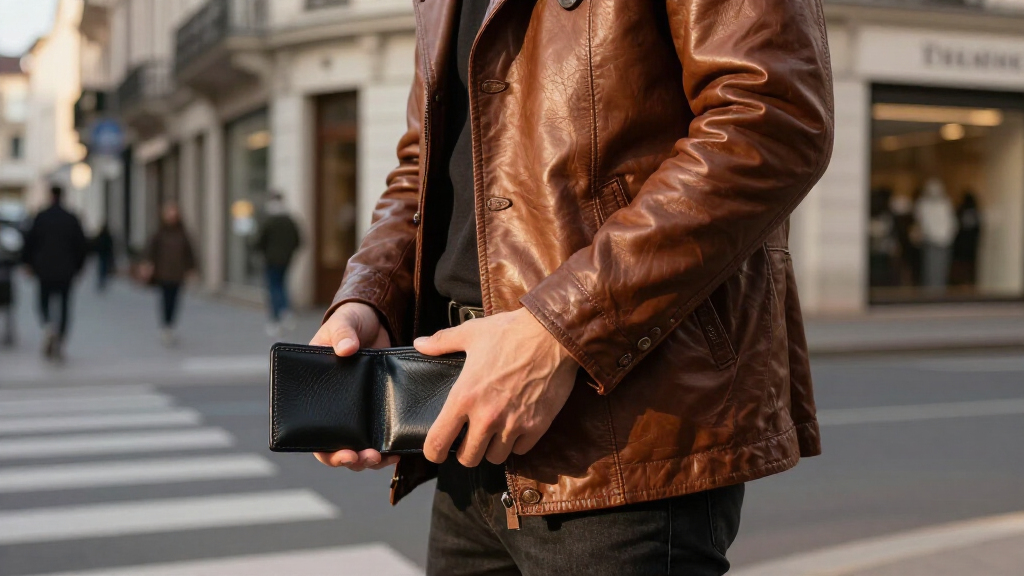
designer full-grain leather wallet
As an affiliate, we earn on qualifying purchases.
As an affiliate, we earn on qualifying purchases.
How Craftsmanship Turns Leather Into a Lasting Treasure
Good craftsmanship isn’t just about aesthetics. It’s the secret behind a wallet that withstands daily abuse. Think about straight, dense stitching—no loose threads or uneven seams. Reinforced stress points prevent tearing at the corners and edges. Smooth, polished edges resist fraying and look sharp even after years of use.
Take a wallet with perfectly aligned card slots and secure hardware—these details matter. An artisan’s touch can mean the difference between a wallet that lasts a season and one that becomes a staple in your wardrobe for years. The implications are significant: well-crafted wallets not only last longer but also maintain their aesthetic appeal over time. Poor craftsmanship, on the other hand, can lead to early failure—loose stitching, frayed edges, or hardware that breaks—ultimately costing you more in replacements and repairs. The tradeoff is that high-quality craftsmanship often comes with a higher initial price, but it ensures your investment endures, saving money and frustration in the long run. Recognizing craftsmanship quality allows you to choose wallets that offer both durability and timeless style.
As an affiliate, we earn on qualifying purchases.
Which Wallet Style Fits Your Daily Life?
Choosing the right designer leather wallet starts with your daily routine. Are you minimalist, carrying only a few cards? A sleek cardholder might suit you—light, compact, perfect for a pocket or small bag. Need space for cash, coins, and receipts? A bifold or trifold offers versatility but adds bulk.
If travel or formal occasions call for a more organized layout, a long continental or travel wallet can hold passports, tickets, and multiple currencies. For those who prefer security, zip-around wallets keep everything enclosed.
Matching your wallet style to your habits isn’t just about convenience; it impacts how often you’ll use and enjoy your wallet. For example, a busy professional who travels often might prefer a zip-around wallet with RFID blocking, which offers security and organization, reducing the risk of losing essentials. Conversely, a student might prioritize a slim cardholder for quick access and ease of carrying. The tradeoff involves balancing capacity with portability—choosing a wallet that fits seamlessly into your lifestyle prevents frustration and encourages regular use, extending its lifespan and utility. This alignment ensures your wallet complements your daily habits, making it a more integrated and valued accessory.
As an affiliate, we earn on qualifying purchases.
Why Do Designer Wallets Cost More? The Real Reasons
Ever wondered why a luxury wallet costs hundreds or even thousands? It’s not just the logo. The quality of leather, the craftsmanship, and the design process all contribute. Premium materials like full-grain leather, exotic skins, or signature hardware cost more.
Labor-intensive construction, often with hand-finished details, adds to the price. For example, a handmade wallet with reinforced seams and custom hardware takes more time and skill. This meticulous process ensures each wallet meets high standards, which directly affects its longevity and appearance. The implication is that paying more often results in a product that not only looks better but also lasts longer, reducing the need for early replacement.
And don’t forget the brand’s reputation. Exclusive brands invest heavily in marketing, packaging, and after-sales service. Sometimes, a high price reflects scarcity or brand prestige, not just durability or utility. This means that part of what you pay for is the assurance of authenticity, exclusivity, and service—adding value beyond the material itself. Recognizing these factors helps you assess whether a higher price tag truly corresponds to quality and longevity, or if it’s primarily branding.
As an affiliate, we earn on qualifying purchases.
How Leather Ages Gracefully—And How to Keep It That Way
A well-made leather wallet can look better with age. As you handle it daily, the leather softens, darkens slightly, and develops a unique patina—like a well-loved book or vintage car. This natural aging process adds character and depth, making your wallet more personalized and stylish over time. The key is understanding that this is a sign of quality, not neglect.
However, care is key. Overfilling stretches the seams, causing premature wear. Moisture, heat, and friction can cause discoloration or cracks, compromising both appearance and structural integrity. To keep your wallet looking its best:
- Limit overstuffing cards and cash to prevent stretching.
- Keep it dry and away from direct sunlight to avoid fading and cracking.
- Wipe with a soft cloth periodically to remove dirt and oils that can degrade the leather.
- Use leather conditioner sparingly, testing first on a hidden spot to prevent damage or discoloration.
For example, a leather enthusiast might regularly condition their wallet to preserve its suppleness and deepen its rich hue, ensuring the patina develops evenly and beautifully. Proper maintenance not only prolongs the life but also enhances the aesthetic appeal, making aging a process of enhancing character rather than deterioration.
Spotting Fake vs. Real Designer Leather Wallets
Counterfeit wallets flood the market, often mimicking luxury brands. Spotting a fake starts with examining the details. Look for uneven stitching, off-font logos, or cheap-looking hardware. A genuine wallet boasts precise, consistent stitching, high-quality materials, and authentic brand markings. The subtle differences in craftsmanship and material quality can reveal fakes, which often cut corners to reduce costs.
Check packaging and documentation—though these can be faked—so buy from trusted sources. Comparing your wallet with official images from the brand’s website helps identify discrepancies in size, color, hardware, and logo placement. Authentic wallets also tend to have a specific weight and feel, reflecting quality materials and construction. Recognizing these nuances helps prevent costly mistakes, ensuring your investment is genuine and durable.
For instance, a $200 counterfeit might look close but will usually have inferior leather, loose stitching, or incorrect logos—small clues that add up. The tradeoff is that genuine products often come with warranties and after-sales support, which counterfeit sellers cannot provide. Being vigilant in your inspection and sourcing helps you avoid disappointment and ensures your wallet is truly a luxury item.
Caring for Your Wallet: Do’s and Don’ts
Proper care prolongs your wallet’s life and keeps it looking sharp. Do keep it dry, avoid overstuffing, and store it in a breathable dust bag when not in use. Wipe it gently with a soft cloth to remove dust and dirt, which can accumulate and degrade the leather over time. Regular cleaning and minimal conditioning help maintain suppleness and appearance.
Don’ts include harsh cleaners, household wipes, or excessive conditioners. Never soak your wallet or leave it in direct sunlight for extended periods. These actions can cause permanent damage or discoloration, diminishing both its aesthetic and structural integrity. Using inappropriate products or neglecting proper storage can accelerate aging and lead to costly repairs or replacements. Recognizing that consistent, gentle maintenance preserves both beauty and function helps you get the most value from your investment. For example, a leather collector might spot clean with a specialized product and condition only when necessary, ensuring the leather remains supple and vibrant, avoiding unnecessary wear or damage.
Sustainable and Ethical Choices in Designer Wallets
Environmental concerns are shaping luxury accessories. Many brands now source traceable, certified leather, and focus on transparency. Recycled and bio-based materials are gaining traction, but their durability varies, and they often involve tradeoffs between sustainability and longevity. Choosing ethically produced leather supports better animal welfare and reduces environmental impact, but it’s important to understand the limitations of some alternative materials.
Look for brands with repair programs or resale options—extending the life of your wallet—and consider investing in timeless designs that won’t go out of style quickly. Keep in mind, synthetic alternatives like vegan leather may avoid animal impact but can involve plastics that don’t biodegrade, potentially contributing to pollution. The key is balancing ethical considerations with durability and style, making informed choices that align with your values and practical needs. For example, some brands now use vegetable-tanned leather from farms with strict animal welfare standards, making your wallet more ethically sound without sacrificing style, and often gaining a richer, more natural appearance over time.
The Latest Trends: Smaller, Smarter, and More Personal
Today’s designer leather wallets are trending towards minimalism. Contactless payments and digital wallets mean many are choosing slim cardholders or compact bifolds. These are perfect for quick trips or slipping into a pocket without bulk. The trend reflects a shift toward convenience and efficiency, with fewer bulky compartments and more focus on sleek design.
At the same time, personalization options—monograms, custom colors, or interchangeable hardware—offer exclusivity. While these features make your wallet unique, they can sometimes reduce resale value if they are highly customized or personalized, as future buyers may prefer more neutral options. Market trends also show a surge in RFID-blocking wallets and gender-neutral designs, reflecting a move toward practicality, inclusivity, and technology integration. This evolution signifies a broader shift in consumer preferences, favoring subtle, high-quality accessories that adapt to modern lifestyles and values.
Tips for Picking Your Perfect Designer Wallet
Start by listing your daily essentials—cards, cash, coins. Decide what’s must-have, what’s nice-to-have. Then, match your needs with the style:
- Assess your card count and coin use.
- Choose the leather type based on your lifestyle and patience for wear.
- Check stitching, hardware, and overall craftsmanship.
- Set a budget aligned with your priorities—investment or everyday luxury.
- Buy from trusted sources—brand boutiques, authorized retailers, or verified resellers.
For example, a frequent traveler might prioritize RFID protection and space for multiple currencies, while a city dweller might prefer a sleek, minimal cardholder. Recognizing your specific needs helps you avoid impulse buys and ensures you select a wallet that truly complements your lifestyle, making it a functional and stylish part of your everyday carry.
Common Questions About Designer Leather Wallets
Are designer leather wallets worth the money? For many, yes. They offer better materials, craftsmanship, and a sense of luxury that lasts longer. If you value quality, brand heritage, and style, they pay off over time. The higher initial investment often translates into durability and timeless appeal, which can be more economical than frequent replacements.
What’s the best leather for a wallet? Full-grain leather leads the pack for durability and character, but top-grain offers a smooth look with good wear resistance. The choice depends on your priorities: longevity and developing patina versus a sleek, uniform appearance.
How long does a designer wallet last? With proper care, several years—possibly decades for high-quality, well-maintained pieces. Longevity hinges on material quality, craftsmanship, and how well you care for it.
Can I tell if a wallet is real? Look for consistent stitching, high-quality hardware, and compare details with official sources. Authenticity can be tricky but is achievable with careful inspection. Recognizing subtle cues like logo placement, leather feel, and craftsmanship details helps ensure you’re buying genuine.
Do RFID wallets really prevent theft? They reduce certain types of contactless scanning but aren’t foolproof. They’re a useful feature but shouldn’t replace other security measures like awareness and physical protection. Understanding their limits helps set realistic expectations about security.
Conclusion
Choosing a designer leather wallet isn’t just about the brand; it’s about understanding the materials, craftsmanship, and your own habits. A wallet built with quality leather and expert construction can be a daily companion that ages beautifully and retains value.
Invest wisely—select one that suits your lifestyle, care for it properly, and it will reward you with years of style and function. After all, a well-loved wallet isn’t just an accessory but a quiet sign of good taste and smart choices.
Halloween Picks
halloween
As an affiliate, we earn on qualifying purchases.