Understanding de minimis and thresholds for personal imports helps you avoid unexpected taxes and delays. Each country sets specific import value limits that, if exceeded, can lead to duties, extra paperwork, and longer processing times. Staying within these limits simplifies the process and often means no taxes are due. Knowing these thresholds allows you to plan shipments better and save money. Keep in mind, rules vary by country, so the details matter—continue to learn more about how these limits can affect your imports.
Key Takeaways
- De minimis thresholds define the maximum value or quantity of personal goods importable without duties or taxes.
- Each country sets its own import limits, which can change over time, affecting personal shipments.
- Staying within thresholds allows for duty-free import and avoids delays or additional paperwork.
- Exceeding thresholds results in applicable tariffs, longer processing times, and increased inspection risks.
- Personal items like gifts or used clothing may have specific exemptions, but they are also subject to country-specific limits.

When importing personal items from abroad, understanding de minimis thresholds and import limits is essential to avoid unexpected fees or delays. De minimis thresholds refer to the maximum value or quantity of goods that can be imported without incurring customs duties or taxes. Knowing these limits helps you determine whether your shipments qualify for tariff exemptions, saving you money and streamlining the process. Each country sets specific import value limits, and exceeding these can result in hefty tariffs or additional paperwork. By staying informed about these thresholds, you guarantee your imports stay within the permissible limits, avoiding unnecessary complications.
Understanding import limits helps avoid fees and delays when bringing personal items from abroad.
If your import falls below the designated de minimis threshold, you benefit from tariff exemptions, meaning you won’t have to pay duties on that shipment. These exemptions are usually based on the value of the items, so knowing the exact import value limits is essential. For example, some countries set a specific dollar amount under which goods are duty-free; anything above that amount becomes subject to tariffs. It’s important to check the current limits for your destination country because they can change over time. This way, you can plan your shipments accordingly, perhaps splitting larger orders into smaller parcels if necessary, to remain within duty-free limits.
Understanding the relationship between de minimis thresholds and import value limits also helps you avoid delays. Customs authorities often scrutinize shipments that surpass the limits, leading to longer processing times, additional paperwork, and potential inspections. If your items exceed the threshold, you’ll need to prepare to pay applicable duties and taxes, which can delay delivery and increase costs. Being aware of these limits allows you to adjust your import strategy proactively, such as consolidating items or choosing alternative shipping options to minimize costs and processing times.
Additionally, some countries provide specific tariff exemptions for certain categories of personal items, like used clothing or gifts within a set value. These exemptions are designed to make importing personal belongings more straightforward and affordable. However, they’re usually limited by import value limits, so it’s imperative to verify these details before making a purchase or shipping. Keep in mind that the rules can vary substantially between countries, so always consult the customs regulations of your destination to understand the applicable thresholds and exemptions.
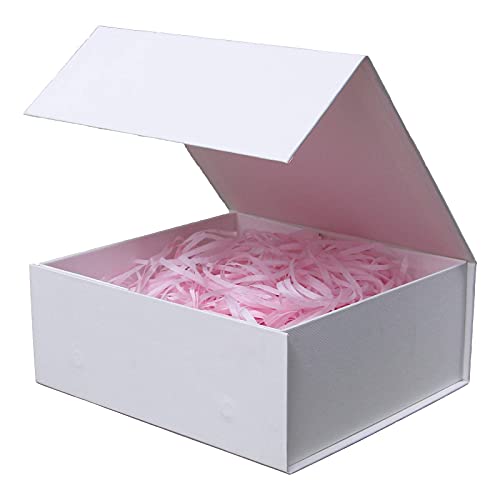
Rsgift White Gift Box with Lids,9.7×7.2×3.3 Inch Gift Boxes for Presents,Magnetic Closure boxes for Wedding,Birthday,Graduation Packaging
HIGH QUALITY:The collapsible gift box is made of high-quality hard board,strong,reliable and durable.Non-smooth box surface with grain.
As an affiliate, we earn on qualifying purchases.
As an affiliate, we earn on qualifying purchases.
Frequently Asked Questions
How Do De Minimis Thresholds Vary Between Countries?
You’ll find that de minimis thresholds vary considerably between countries, affecting your international shipping and duty exemptions. Some nations set higher thresholds, allowing larger shipments without duty fees, while others have stricter limits. It’s essential to check each country’s specific rules before importing goods, as exceeding these thresholds may lead to unexpected charges. Staying informed helps you navigate duty exemptions smoothly and avoid surprises when your personal imports cross borders.
Can Personal Imports Be Exempt From Customs Duties?
It’s a coincidence that your personal imports might be exempt from customs duties, but it’s possible depending on customs policies and the value of your goods. Many countries offer duties exemptions for shipments below certain thresholds, especially for personal use. You should check specific regulations, as some items or higher-value imports may still incur duties. Always stay informed to guarantee your imports remain duty-free and compliant with local laws.
What Documents Are Needed for Personal Import Clearance?
When clearing personal imports, you need to prepare essential import documentation like a detailed invoice, shipping or airway bill, and possibly a customs declaration form. These documents help facilitate the clearance procedures smoothly. Make sure your paperwork accurately describes the items and their value. Having everything ready in advance accelerates the process, reduces delays, and ensures compliance with customs regulations.
How Often Do De Minimis Limits Change?
De minimis limits for personal imports can change periodically as import regulations evolve. You should stay updated through official customs websites or import authorities to guarantee you’re aware of any changes. These limits often affect duty exemptions, so knowing the current thresholds helps you avoid unexpected duties. Regularly checking for updates ensures your imports remain compliant and you benefit from available duty exemptions without surprises.
Are Gifts Subject to the Same Import Thresholds?
You might be surprised to learn that around 75% of travelers bring gifts, yet these gifts often qualify for exemptions. Gifts are typically subject to the same import thresholds as personal items, but many countries offer gift exemptions that let you bring in a certain value without paying duty. Always check the specific import thresholds for gifts, as they vary and can save you money at customs.

Sharp Calculators EL-243SB 8-Digit Pocket Calculator
Hinged, hard cover protects keys and display when stored
As an affiliate, we earn on qualifying purchases.
As an affiliate, we earn on qualifying purchases.
Conclusion
Now that you’ve learned about de minimis and thresholds, it’s clear how these rules can make your personal imports smoother. Coincidentally, knowing the limits helps you avoid unexpected duties, saving time and money. So, next time you plan a purchase from abroad, remember these thresholds—they’re your quiet allies in steering international shopping. By understanding these tiny but mighty rules, you’re better prepared to enjoy your global finds without surprises. Happy importing!
customs duty exemption for used clothing
As an affiliate, we earn on qualifying purchases.
As an affiliate, we earn on qualifying purchases.
international shipping parcel splitter
As an affiliate, we earn on qualifying purchases.
As an affiliate, we earn on qualifying purchases.