
CITES is a global agreement that regulates the trade of endangered species and their products, including exotic leathers like crocodile, python, and tortoise shell. As a buyer, you’ll need to make certain your items have the proper permits and certificates before traveling, and verify that they’re legally sourced. Proper documentation helps prevent confiscation or legal issues. If you want to understand how to buy, verify, and travel with authentic CITES-approved leather, you’ll find helpful tips below.
Key Takeaways
- CITES regulates the international trade of protected exotic leathers like crocodile, python, and tortoise shell to ensure sustainability and legality.
- Buyers must obtain and carry original CITES permits and certificates when traveling with such leather items.
- Proper identification includes checking for CITES tags, official documentation, and verifying authenticity before purchase.
- Mismanaging permits or lacking proper documentation can lead to confiscation, fines, or legal issues at customs.
- Supporting ethically sourced, CITES-compliant products helps promote conservation and responsible industry practices.
As an affiliate, we earn on qualifying purchases.
What Is CITES and Why Is It Important for Exotic Leather Buyers?
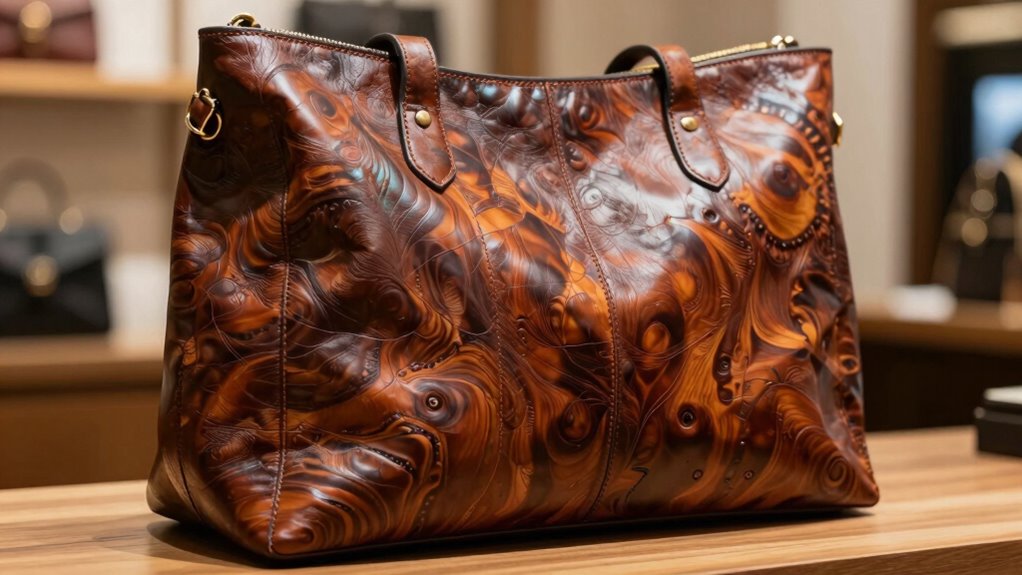
Have you ever wondered how the trade in exotic leathers stays legal and sustainable? That’s where CITES, the Convention on International Trade in Endangered Species of Wild Fauna and Flora, comes in. It’s a global agreement that helps regulate the trade of protected species, ensuring sustainable sourcing and ethical trade practices. CITES works by requiring permits for exporting and importing certain exotic leathers, preventing illegal poaching and overexploitation. For buyers, understanding CITES means you’re supporting responsible industry standards. When you purchase exotic leather items, you can feel confident that the materials were sourced legally and ethically. This not only preserves endangered species but also promotes a sustainable future for the exotic leather market. CITES regulations play a crucial role in balancing trade with conservation efforts.
exotic leather handbag with CITES tag
As an affiliate, we earn on qualifying purchases.
As an affiliate, we earn on qualifying purchases.
Which Exotic Leather Items Are Regulated by CITES?

Ever wonder which exotic leather items fall under CITES regulation? If you’re into leather crafting or seeking sustainable sourcing options, it’s vital to know that CITES primarily regulates products made from certain protected species. Items like handbags, wallets, belts, and footwear crafted from crocodile, python, or lizard leather are often regulated. Additionally, products made from rare species like tortoise shell or certain types of ostrich are also included. These regulations aim to prevent illegal trade and protect endangered populations. CITES ensures that any exotic leather item you purchase or carry has been sourced responsibly, with proper documentation. Understanding which items are regulated helps you stay compliant and supports sustainable practices within the exotic leather industry. Furthermore, awareness of color accuracy and other technological factors can influence the quality and authenticity of the materials used.
CITES certified crocodile wallet
As an affiliate, we earn on qualifying purchases.
As an affiliate, we earn on qualifying purchases.
How Can You Tell If Your Exotic Leather Is CITES-Listed?
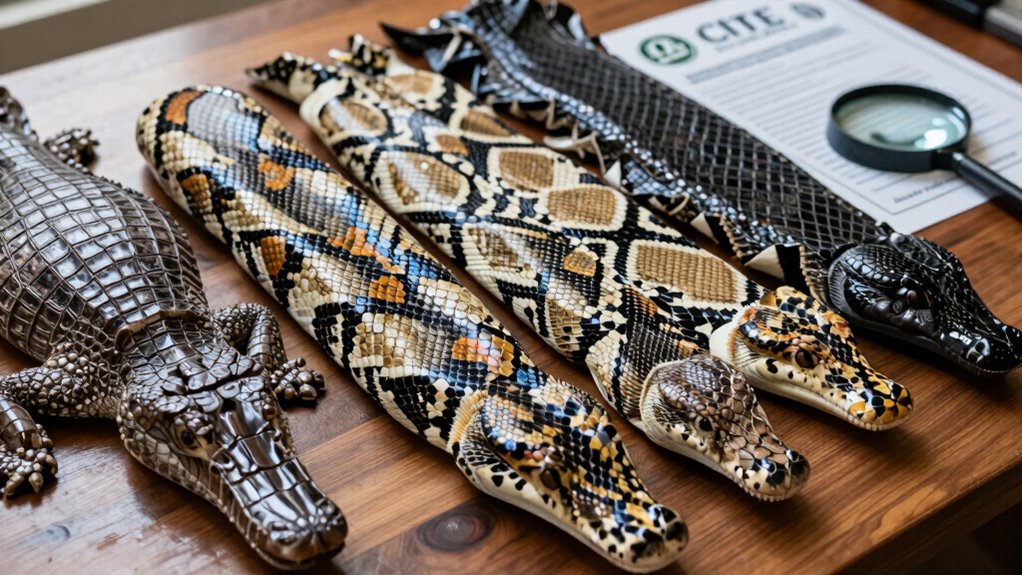
To confirm if your exotic leather item is CITES-listed, start by checking for a CITES tag attached to the product. Next, verify the certification documents provided by the seller to ensure they’re legitimate. Finally, research the supplier’s reputation to confirm they follow proper export and import regulations. Additionally, understanding Free Floating can help you recognize how some exotic leathers are sourced sustainably and legally.
Check for CITES Tag
Wondering how to verify if your exotic leather item is CITES-listed? One clear way is to check for a CITES tag. This small, usually sewn or glued label indicates legal compliance and helps with CITES enforcement. To identify a genuine tag, look for these key features:
- Official CITES logo – a recognizable symbol that confirms authenticity.
- Unique specimen number – a serial number linked to official documentation.
- Placement – typically located on the item or its packaging, making it easy to inspect. Proper storage and handling of the tag ensure it remains legible and intact for verification.
Verify Certification Documents
How can you confirm that your exotic leather item is legitimately CITES-listed? The key is to focus on certification accuracy and documentation verification. Genuine CITES certificates should be clear, official, and include details like species name, origin, and permit numbers. Always verify that the documentation matches the item’s description and markings. Check for signs of tampering or forgery, such as smudged stamps or inconsistent fonts. Contact the issuing authority if you have doubts about the certificate’s authenticity. Remember, legitimate CITES documentation is essential for legal trade, so don’t rely solely on visual cues. Proper documentation verification is crucial, as it ensures the authenticity and legality of your exotic leather items. Ensuring proper documentation verification helps you avoid illegal products and supports sustainable practices in the exotic leather market.
Research Supplier Reputation
Verifying the reputation of your supplier is a vital step in guaranteeing your exotic leather item is legitimately CITES-listed. You want a supplier that prioritizes transparency and ethical sourcing. To evaluate this, consider these steps:
- Check their credentials and reviews online to confirm a history of responsible practices.
- Ask about their supply chain documentation to guarantee transparency and compliance.
- Seek references or certifications from reputable organizations that verify ethical sourcing.
- Be aware that some Flat Iron Bike models are known for their strong resale value and trustworthy sourcing practices.
A reputable supplier should willingly provide clear documentation and answer your questions confidently. Doing your homework helps protect you from illegally sourced products and ensures you’re supporting sustainable practices. Remember, a transparent supplier not only makes your purchase safer but also supports conservation efforts aligned with CITES regulations.
sustainable exotic leather accessories
As an affiliate, we earn on qualifying purchases.
As an affiliate, we earn on qualifying purchases.
What Permits and Certificates Are Needed to Travel With Cites-Listed Leather?
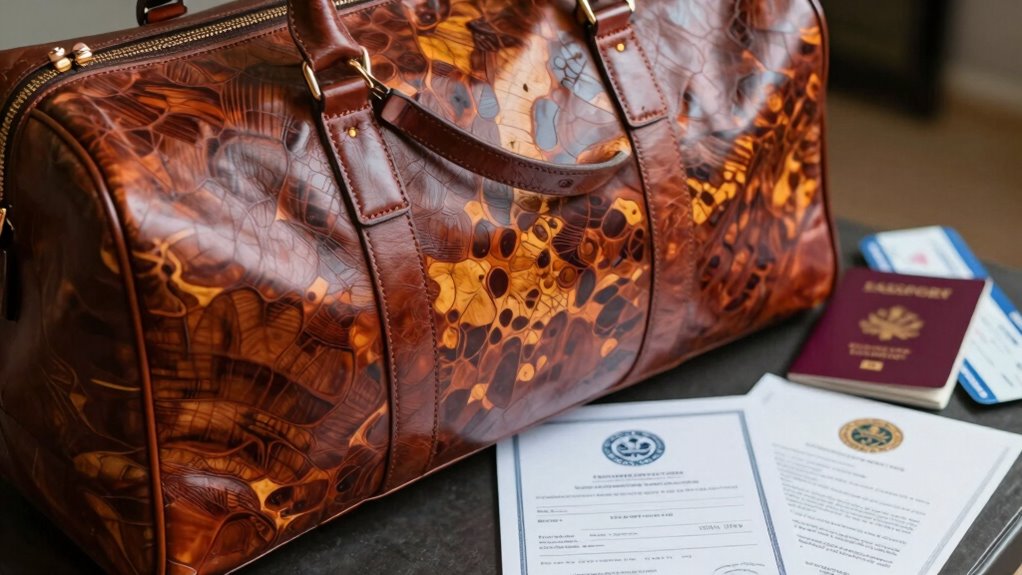
Traveling with CITES-listed leather requires specific permits and certificates. You need to understand the permit requirements, how to verify your certificates, and properly handle the documentation. Ensuring these steps are in order helps avoid legal issues during your trip. Additionally, being aware of digital content regulations can help you navigate online restrictions related to protected materials.
Permit Requirements for Travel
To legally take CITES-listed leather products across borders, you need to obtain the proper permits and certificates beforehand. Without them, customs procedures can delay or confiscate your belongings. Here’s what you should do:
- Ensure you have the appropriate CITES export and import permits, issued by your country’s wildlife authority.
- Carry the original CITES certificate that verifies the legality of your leather item.
- Keep copies of all permits and certificates in case customs agents request additional verification.
- Be aware of dream symbolism related to time and life mysteries that may influence your travel experiences, ensuring a mindful journey.
Having these documents simplifies customs procedures and reduces the risk of confiscation. Additionally, check with your travel insurance provider to confirm coverage for exotic leather items, so you’re protected during your trip. Being prepared helps ensure smooth travel with your CITES-listed leather products.
Certificate Verification Process
Wondering what permits and certificates you need to legally carry CITES-listed leather? The certificate verification process is essential to ensure your leather goods are ethically sourced and compliant. Before traveling, verify that your leather item includes a valid CITES permit or certificate from authorized authorities. These documents confirm the leather’s origin and that it meets legal standards for trade and conservation. When preparing for your trip, check that your leather care routine avoids damaging or altering the certificate, as this could invalidate it. By guaranteeing proper documentation, you demonstrate respect for ethical sourcing practices and help protect endangered species. Always carry original certificates, and double-check their validity before departure. Proper verification makes your travel smoother and supports sustainable, responsible consumption of exotic leather. Additionally, understanding the role of media in shaping public perception of cryptids highlights how information dissemination influences beliefs and compliance related to exotic animal trade.
Handling CITES Documentation
Handling CITES documentation is essential for guaranteeing your leather goods are legally compliant. To travel with CITES-listed leather, you need proper documentation. First, ensure your item has a valid CITES registration, proving its legal origin. Next, obtain handling permits from relevant authorities, such as CITES permits, which are required for both export and import. Finally, carry all original certificates and permits during travel, as authorities may request to see them at border crossings. Without these documents, your leather item could be confiscated or lead to legal issues. Always check the specific requirements for your destination and origin countries, and apply for permits well in advance. Staying organized and informed helps you avoid delays and ensures a smooth journey with your exotic leather goods. Additionally, understanding bank SWIFT/BIC codes can be helpful if you need to make international payments related to your purchases or permits.
How to Legally Import and Export Exotic Leather Items
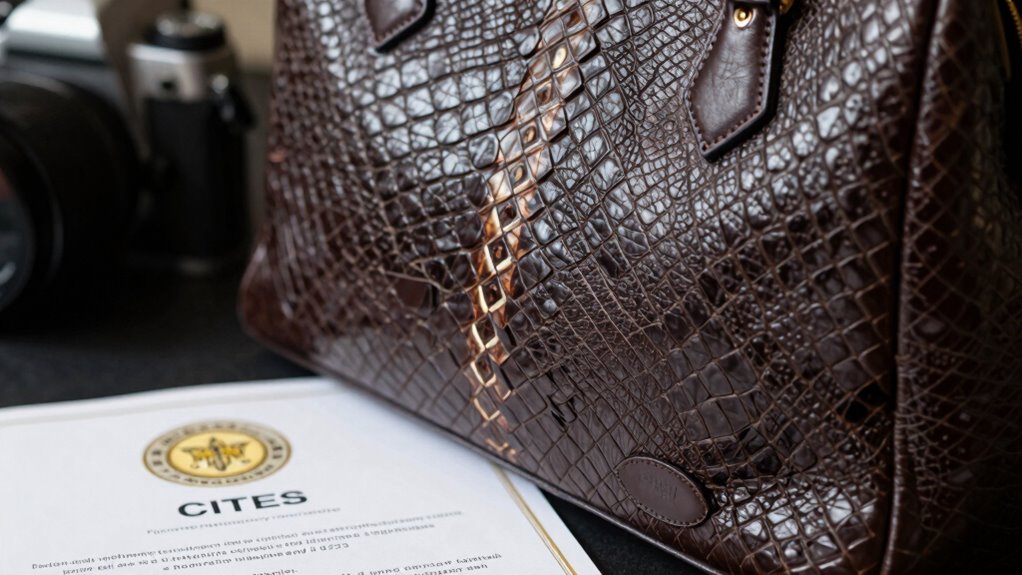
Importing and exporting exotic leather items requires strict adherence to international and national regulations to avoid legal issues. To do this, you need proper CITES permits, which verify that your items are legally sourced. Before traveling, research the specific rules of your destination and origin countries, especially if your leather crafting projects involve rare or protected species. Always keep documentation handy, including receipts and CITES certificates, to prove legal procurement. When purchasing exotic fashion accessories or materials, ensure sellers provide valid permits. Check with customs authorities beforehand to understand any restrictions. Proper documentation not only helps you avoid confiscation or fines but also supports sustainable practices in leather crafting. Staying informed ensures your exotic leather journey remains smooth and compliant.
Common Mistakes When Traveling With Exotic Leather and CITES Permits
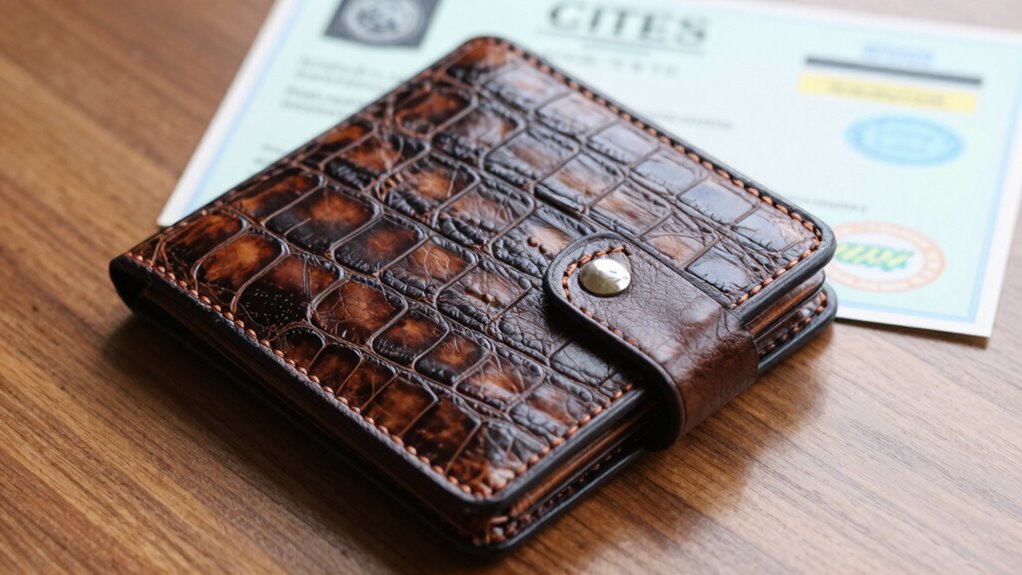
One of the biggest mistakes travelers make is ignoring permit details, which can lead to confiscation or fines. Overlooking CITES regulations often results in delays or legal issues at border crossings. Always verify your documentation thoroughly to guarantee smooth passage with your exotic leather items.
Ignoring Permit Details
Have you ever overlooked the details on CITES permits when traveling with exotic leather? Permit oversight can cause serious problems, especially if your documentation contains errors. To avoid this, pay close attention to:
- Ensuring all permit information matches your actual items exactly.
- Double-checking that the permit covers the specific species and quantity you’re carrying.
- Confirming the permit’s validity dates and issuing authority.
Ignoring permit details can lead to confiscation or hefty fines. Documentation errors often stem from rushing or misreading requirements, so take your time. Always verify that every piece of paperwork is accurate and complete before departure. Being thorough helps prevent unnecessary delays and legal issues, keeping your journey smooth and stress-free.
Overlooking CITES Regulations
Failing to thoroughly understand CITES regulations can lead to serious issues when traveling with exotic leather. Many travelers overlook the importance of proper leather care and the need for valid permits, risking confiscation or fines. Even if your travel accessories seem straightforward, CITES rules apply to all exotic leather items, regardless of size or value. Without the correct documentation, authorities may seize your belongings or deny entry. Remember, leather care extends beyond cleaning; it includes knowing how to handle and transport your items legally. Avoid assuming that your exotic leather travel accessories are exempt from regulations. Staying informed about CITES compliance ensures smooth travel and protects your investments in unique, high-quality leather pieces.
Failing to Verify Documentation
Many travelers overlook the importance of verifying their documentation before crossing borders with exotic leather items. Failing to do so risks legal issues and delays. To guarantee smooth travel, focus on proper documentation verification and maintaining legal compliance. Here are three common mistakes to avoid:
- Not checking permits: Make sure your CITES permits are current and match the specific item you’re carrying.
- Ignoring expiration dates: Verify that all documentation is valid for the duration of your trip.
- Mismatched paperwork: Confirm that the paperwork matches the item’s species and origin, preventing potential confiscation.
Tips for Buying Authentic CITES-Approved Exotic Leather
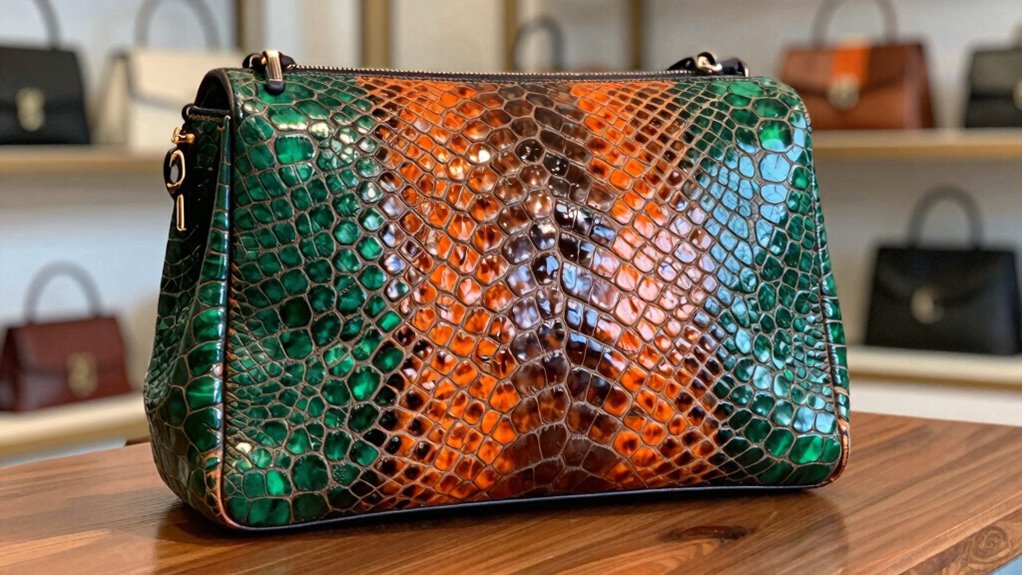
When buying exotic leather, ensuring it’s CITES-approved is essential to guarantee you’re making an ethical and legally compliant purchase. Always buy from reputable sellers who provide clear proof of CITES certification. Check the leather’s origin and ask for detailed documentation; authentic permits are your best assurance. Be mindful of leather care, as genuine CITES-approved pieces require proper maintenance to preserve their quality over time. Keep up with current fashion trends, but prioritize authenticity over fleeting styles—authentic CITES-approved leather maintains its value and integrity. Avoid suspiciously low prices or vague descriptions, which often indicate counterfeit products. By doing your homework, you’ll confidently select authentic, ethically sourced exotic leather that aligns with both your style and values.
How to Verify CITES Permits and Avoid Fake Documentation
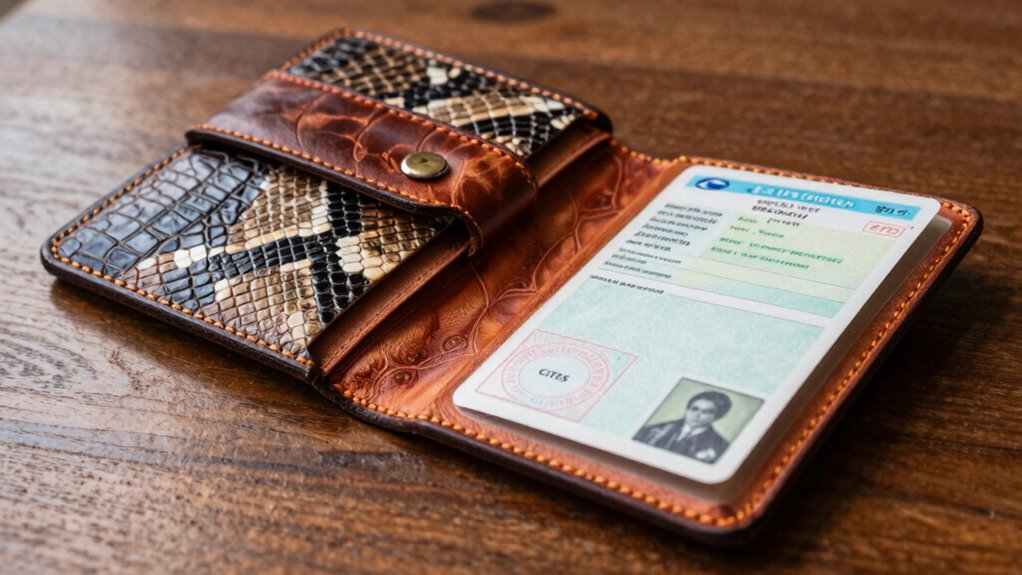
Verifying CITES permits is key to confirming that your exotic leather piece is legally sourced and authentic. Start by inspecting the permit for proper CITES compliance and matching details. To guarantee authenticity, follow these steps:
- Check the permit’s serial number against the official CITES database online.
- Examine leather identification markers that confirm species and origin.
- Confirm that the permit has official stamps, signatures, and issuance dates.
Avoid fake documentation by verifying every detail and cross-referencing with official sources. Genuine CITES permits are precise and complete, indicating the legal journey of the leather. Remember, proper leather identification combined with valid CITES compliance documentation guarantees your purchase’s legitimacy and helps you avoid counterfeit permits.
What Are the Penalties for Non-Compliance With CITES Regulations?
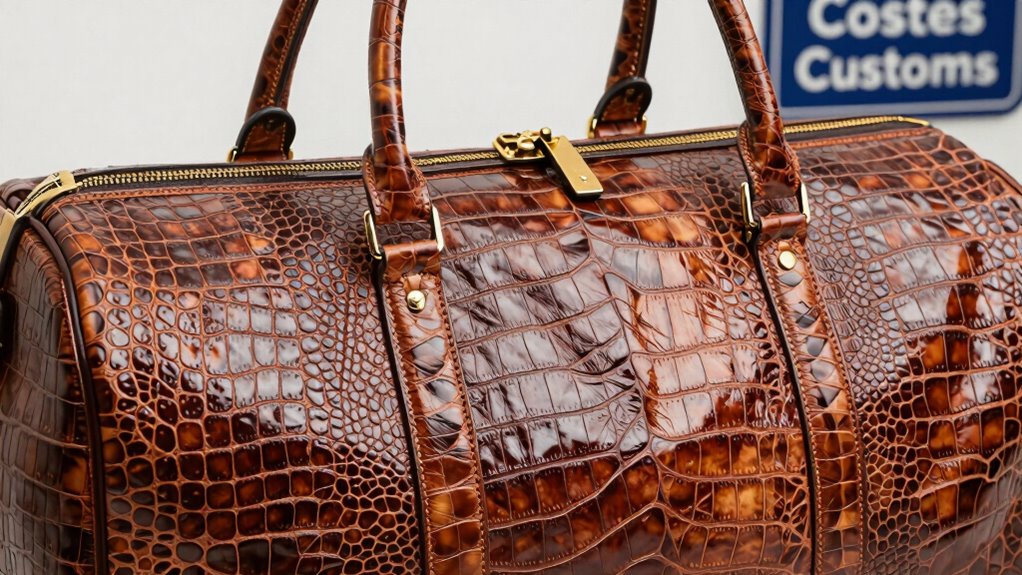
Have you ever wondered what happens if you ignore CITES regulations? The penalties for non-compliance can be severe. Engaging in illegal trade of protected exotic leather items can lead to hefty fines, confiscation of your goods, and even criminal charges. Customs authorities worldwide take violations seriously to protect endangered species and prevent illegal trade. The conservation impact is significant; illegal trade fuels population declines and threatens biodiversity. If caught, you might face long legal battles, damage to your reputation, and financial loss. It’s vital to understand that CITES aims to safeguard species, and ignoring these rules puts both wildlife and your travel plans at risk. Staying compliant isn’t just about legality—it’s about supporting global conservation efforts.
Best Practices for Responsible Exotic Leather Travel and Supporting Sustainability
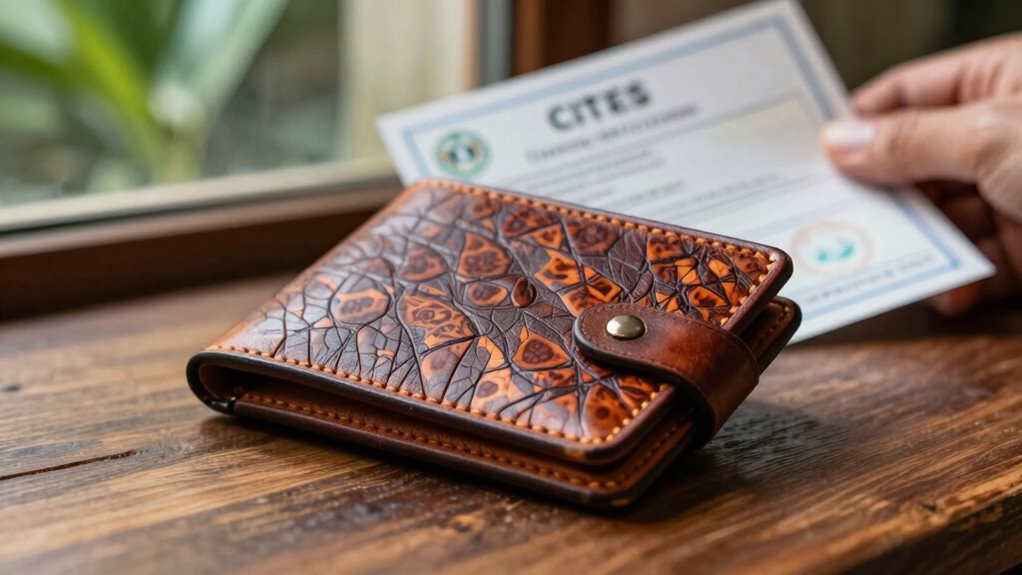
To guarantee your exotic leather purchases support conservation rather than harm it, adopting responsible travel practices is essential. First, research brands and suppliers committed to ethical sourcing, ensuring they follow sustainable practices that prioritize conservation efforts. Second, verify CITES compliance to avoid illegal trade and support legal, regulated markets. Third, choose authentic products from reputable sources that transparently share their conservation initiatives. By doing so, you promote responsible consumption and help protect endangered species. Supporting brands that emphasize ethical sourcing and conservation efforts ensures your travel and purchasing habits contribute positively. These practices not only safeguard wildlife but also encourage sustainable industry standards, making your exotic leather journey more meaningful and eco-friendly.
Frequently Asked Questions
Can I Legally Sell Exotic Leather Items Without CITES Documentation?
You can’t legally sell exotic leather items without CITES documentation, as it’s required for authenticating and ensuring legal selling requirements are met. Without CITES papers, your exotic leather authentication isn’t verified, and you risk legal penalties. Always obtain proper documentation before selling, so you comply with regulations and protect your business. Failure to do so can lead to confiscation and fines, making it essential to follow CITES guidelines for legal selling.
How Often Do CITES Regulations Change for Exotic Leathers?
They say “change is the only constant,” and that’s true for CITES regulations. You should check for regulation updates regularly, as they can vary yearly or even more often. Permit renewal schedules also change periodically, so stay informed to avoid issues. By staying proactive and knowing when rules shift, you guarantee your exotic leather dealings remain legal and hassle-free. Keep an eye on official CITES updates to stay ahead.
Are There Specific Countries With Stricter Exotic Leather Import/Export Laws?
Yes, some countries have stricter exotic leather import and export laws due to regional restrictions and country-specific laws. For example, the U.S. enforces strict CITES regulations, and nations like Japan and Australia also impose tight controls to protect endangered species. You should always check the specific laws of your destination and origin countries before traveling or making purchases. Staying informed helps you avoid legal issues and supports conservation efforts.
What Are the Common Signs of Fake CITES Permits?
Fake permits are a nightmare, risking your entire purchase! To spot permit forgery, check for inconsistent fonts, blurry stamps, and misspelled words—these are telltale signs. Authentic CITES permits usually have detailed, clear information and official seals. If it looks suspicious or rushed, it’s probably a fake. Always verify with authorities if you’re unsure, because relying on counterfeit permits can lead to serious legal trouble and loss of your exotic item.
Does CITES Cover All Types of Exotic Leather, Including Synthetic Variations?
CITES doesn’t cover all types of exotic leather, especially synthetic leather. You’ll find that CITES mainly regulates natural materials like crocodile or python, with some exemptions. Synthetic variations often don’t require CITES permits, but always double-check for any specific CITES exemptions that might apply. When traveling with exotic leather, verify your documents are valid, as synthetic leather generally isn’t subject to CITES restrictions.
Conclusion
Charting CITES regulations might seem intimidating, but it’s your passport to responsible exotic leather travel. Think of it as a key that opens ethical adventures and keeps endangered species safe. By staying informed and verifying permits, you’ll steer clear of trouble and help preserve these stunning creatures for generations to come. Embrace your role as a conscious traveler—because protecting nature’s masterpieces is a journey worth taking.