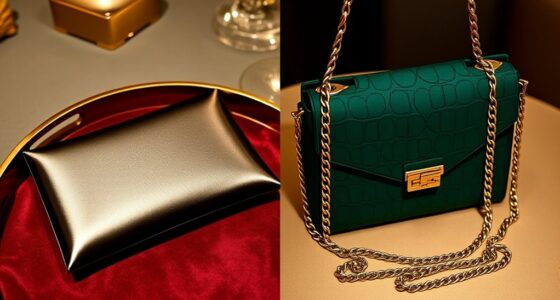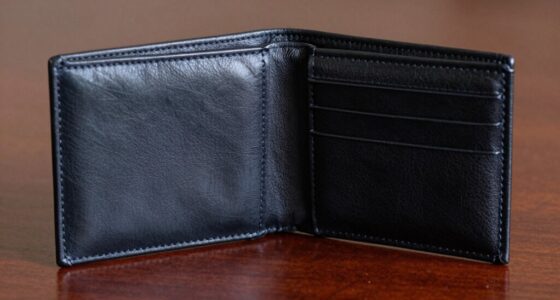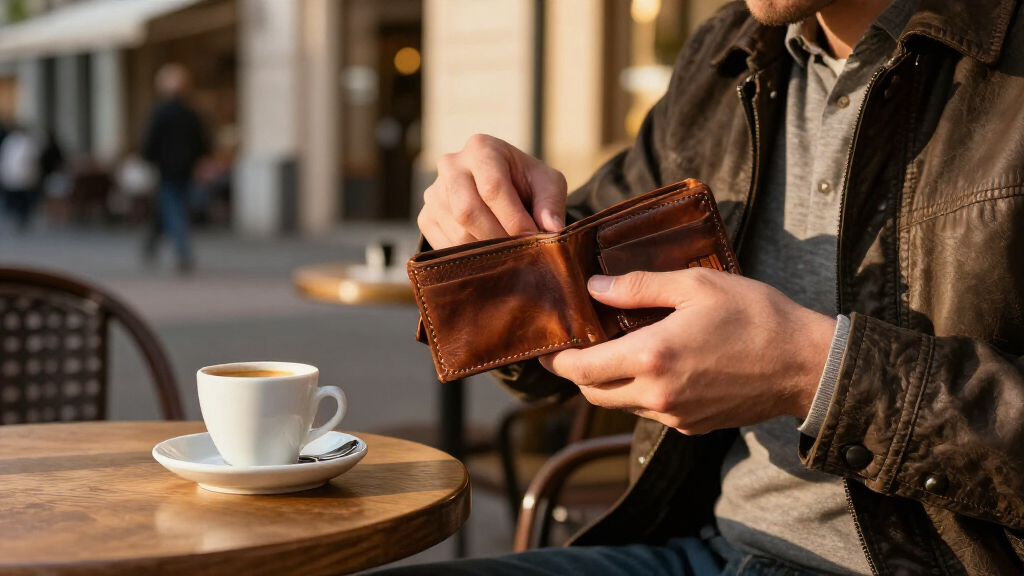

When comparing stylish leather wallets, the real choice is often a slim cardholder or a classic bifold. Both can look polished, age attractively and work with casual or formal clothes, but they solve different carry problems. A cardholder favors a clean silhouette and a short list of essentials; a bifold gives you room for cash, more cards and the odds and ends many people still carry. The biggest tradeoff is capacity versus pocket bulk. Choose the cardholder if you want a discreet wallet and can edit what you bring. Choose the bifold if you need one wallet to handle a full day without sorting through what to leave behind.

Get your wardrobe favorites delivered free with Prime
- Fast, free delivery on millions of items
- Prime Video, Amazon Music and more included
- Member-only deals all year

Fossil Men’s Derrick Leather RFID-Blocking Bifold Wallet with Flip ID, Brown
- ✔ Material: 100% genuine leather
- ✔ Format: Bifold
- ✔ Color: Brown

HIMI Men’s Genuine Leather RFID-Blocking Bifold Wallet with 2 ID Windows
- ✔ Material: Vegetable-tanned genuine cowhide leather
- ✔ Format: Bifold
- ✔ Card storage: 8 card slots plus 2 additional slots

Fossil Women’s Logan RFID-Blocking Leather Flap Clutch Wallet
- ✔ Material: 100% cow leather
- ✔ Format: Flap clutch with snap closure
- ✔ Card slots: 12
At a Glance
| Criteria | Slim leather cardholder | Classic leather bifold | Winner |
|---|---|---|---|
| Pocket profile | Very slim when lightly loaded; shows little through fitted trousers | Thicker, especially when filled; more noticeable in a front or back pocket | A |
| Card capacity | Usually suited to a small set of frequently used cards | More slots for cards and occasional items | B |
| Cash handling | Some models have a center pocket or clip; bills may need folding | Full-length bill compartment keeps notes flat | B |
| Style range | Minimal, modern look that suits pared-back outfits | Traditional profile with broad leather, color and finish choices | Depends |
| Daily convenience | Quick access to essentials, but requires editing what you carry | One place for a larger everyday load, with more searching through contents | Depends |
| Leather and aging | Quality leather can soften and develop patina; limited layers mean less material | More surface area to show grain and patina; folding points take wear | Depends |
| Value | Often lower cost, though premium leather and construction can narrow the gap | Higher material and construction costs can pay off for people who use its capacity | A |
Fossil Men’s Derrick Leather RFID-Blocking Bifold Wallet with Flip ID, Brown
The Fossil Derrick is our best overall choice because it brings together the familiar look of a brown leather bifold and a practical set of everyday compartments. Its eight card slots and two ID windows put it on equal footing with the HIMI for stated card and ID capacity, while the flip ID window gives identification a more accessible presentation. A dedicated bill compartment and two slide pockets round out the layout, so this pick has a clear place for cash and smaller carry items.Compared with the HIMI, the Derrick gives us more detail about its internal arrangement, but less information about the leather itself: the listing calls it 100% genuine leather without specifying the type or treatment. The HIMI, by contrast, names vegetable-tanned cowhide and emphasizes a compact build. That makes the Derrick the more straightforward choice for someone drawn to the classic bifold format and flip-window access, while the HIMI may appeal more to buyers who prioritize a named leather type and two-window simplicity. The Derrick’s RFID-blocking lining is also shared in principle with both alternatives, so it is not the feature that sets this wallet apart.There are limits to its utility. It has no coin compartment, and its supplied hand-washing care instruction is less reassuringly simple than a dry-cloth clean, especially for a leather accessory. Buyers looking for transparent details on leather grain, a coin section, or the Logan’s higher card capacity should look elsewhere. Still, among these three distinct formats, the Derrick provides the most balanced traditional men’s bifold layout.
Pros:
- Brown genuine-leather bifold gives the wallet a classic, versatile look.
- Flip ID window makes frequently shown identification easy to reach.
- Eight card slots, two ID windows, a bill compartment, and two slide pockets support organized daily carry.
- RFID-blocking lining is included.
Cons:
- Leather type and treatment are not specified beyond genuine leather.
- No coin compartment is included.
- Listed hand-washing care may be less convenient for a leather wallet.
Best for: Buyers who want a traditional brown leather men’s bifold with a flip ID window, dedicated bill compartment, and familiar card organization.
Not ideal for: Shoppers who need a coin pocket, want clearly specified leather grain or treatment, or prefer the compact cowhide description of the HIMI.
Bottom line: Choose the Derrick for the most balanced traditional bifold layout and its quick-access flip ID window.
“Choose the Derrick for the most balanced traditional bifold layout and its quick-access flip ID window.”
HIMI Men’s Genuine Leather RFID-Blocking Bifold Wallet with 2 ID Windows
For a buyer who wants a straightforward everyday bifold, the HIMI wallet stands out through its specified material and compact-design claim. It is made from soft, vegetable-tanned cowhide, giving us more information about the leather than the Derrick listing provides. The layout includes eight card slots, two additional slots, two ID windows, and cash storage, so it covers similar basic needs to the Derrick without leaning on a flip-window feature.That distinction matters when we choose between the two men’s bifolds. The Derrick also has eight card slots and two ID windows, but specifically calls out a bill compartment, two slide pockets, and a flip ID window. HIMI instead offers two additional slots and emphasizes compactness and the named cowhide. For someone who values a simple, compact carry with two ID windows, those details can make it the more appealing style. For someone who wants the more explicitly described cash and slide-pocket layout or quick flip access, the Derrick is easier to match to those needs.The product description says its RFID technology is designed to block signals at 13.56 MHz or higher. That is a stated feature, while the key style choice remains the classic bifold silhouette and soft leather finish. The main drawback is care: instructions specify dry-cloth cleaning only, so the listing offers little guidance for treating marks or deeper soiling. The description also does not break down the two additional slots or the cash compartment in as much detail as Fossil’s Derrick listing. Choose HIMI for the material specificity and compact everyday brief; skip it if you need a more clearly mapped interior or a flip ID window.
Pros:
- Vegetable-tanned genuine cowhide is specifically identified.
- Compact bifold design suits everyday or travel carry.
- Two ID windows and eight card slots cover common organization needs.
- RFID-blocking technology is specified for 13.56 MHz or higher signals.
Cons:
- Care instructions specify dry-cloth cleaning only.
- The two additional slots and cash storage are not described in much detail.
- It lacks the Derrick’s specifically described flip ID access.
Best for: Buyers who want a compact men’s bifold in vegetable-tanned cowhide, with two ID windows and extra slots for everyday essentials.
Not ideal for: People who want a flip ID window, more detailed compartment descriptions, or care instructions beyond dry-cloth cleaning.
Bottom line: Pick HIMI when compactness and a clearly specified cowhide material matter more than a flip window or detailed pocket map.
“Pick HIMI when compactness and a clearly specified cowhide material matter more than a flip window or detailed pocket map.”
Fossil Women’s Logan RFID-Blocking Leather Flap Clutch Wallet
The Fossil Logan is the clear choice when our idea of a stylish wallet includes more compartments and a clutch format. Its twelve card slots exceed the eight in either bifold, and it adds two bill compartments, two gusseted pockets, a slide pocket, a zipper pocket, and an ID window. That makes it the lineup’s most organized option for someone who wants to sort several kinds of essentials instead of folding everything into a compact wallet.Its shape is the deciding tradeoff. At 7.63 x 1 x 4 inches, with a snap closure and key ring, the Logan is larger and more accessory-like than the Derrick or HIMI. The bifolds are the more natural choices when we want a traditional pocket wallet; the Logan makes more sense when we want a flap clutch that can keep additional items together. Its LiteHide cow leather, double-stitch details, and snap closure give it a distinct visual character, while the RFID-blocking lining is shared with the other picks.We should not assume that a higher slot count means the Logan will feel slim when filled. The listed one-inch width may limit comfort with bulkier contents, and the leather and textile materials call for care to maintain their appearance. It has a zipper pocket, but the description does not say it is a dedicated coin compartment. Buyers who need minimal pocket bulk or a traditional bifold should choose one of the men’s options instead. For those who favor capacity, separation, and clutch styling, the Logan offers the strongest organizational range in this comparison.
Pros:
- Twelve card slots provide the highest stated card capacity in this lineup.
- Two bill compartments and several pocket types allow items to be separated.
- Snap closure, key ring, and double-stitch details give it a distinct clutch style.
- RFID-blocking lining is included.
Cons:
- Its clutch dimensions and one-inch listed width make it larger than the bifolds.
- Leather and textile materials may need care to maintain their appearance.
- The zipper pocket is not specifically identified as a coin compartment.
Best for: Buyers who prefer a women’s flap-clutch wallet with high card capacity, multiple compartments, and a key ring.
Not ideal for: Anyone looking for a compact pocket bifold, a clearly specified coin compartment, or a slim feel when carrying bulky items.
Bottom line: Choose the Logan if organization and clutch styling outweigh the pocket-friendly simplicity of a bifold.
“Choose the Logan if organization and clutch styling outweigh the pocket-friendly simplicity of a bifold.”
As an Amazon Associate we earn from qualifying purchases.
Key Differences
The most visible difference appears before either wallet is opened: a lightly loaded cardholder disappears into a pocket, while a bifold creates a defined fold and a thicker outline. That matters for fitted clothing, front-pocket carry and anyone who dislikes sitting on a wallet. The slim profile only holds if you keep it slim, though. Forcing extra cards or folded receipts into a minimalist design can make it awkward to use and remove much of its advantage.
The bifold wins on flexibility. Separate card slots and a full-length bill pocket suit people who carry cash, several payment or membership cards, and occasional paper items. Its extra capacity is useful only when those items are part of your routine. If most of the wallet stays empty, the additional leather and bulk add little practical benefit. For style, neither format wins outright: a restrained cardholder reads contemporary, while a well-made bifold can look just as refined in a more traditional way.
Detailed Comparison
Pocket profile (Slim leather cardholder wins — major)
The cardholder wins by a clear, major margin when worn in fitted trousers or a jacket pocket. With just a few cards, it lies flatter and is less likely to interrupt the line of clothing. A bifold has a fold and two panels of leather, so it is more noticeable even before it is full. If you carry it in a bag, this difference matters less; if you sit on it in a back pocket, the cardholder is the more comfortable starting point.
Card capacity (Classic leather bifold wins — major)
The bifold wins by a major margin for anyone carrying more than a handful of cards. Its separate slots make it easier to organize a driver’s license, payment cards and the less frequently used cards that still need to be on hand. A cardholder rewards restraint and is faster to scan, but can become cramped if overloaded. For a person who uses one or two cards and a digital pass, that lower capacity is a useful limit rather than a drawback.
Cash handling (Classic leather bifold wins — moderate)
The bifold is the more practical choice for cash, with a full-length bill compartment that keeps notes flat and together. Some cardholders add a money clip or center pocket, but they may require notes to be folded and can feel less tidy as cash builds up. The gap is moderate: it barely matters to someone who pays by card, but it makes a bifold noticeably easier for cash-heavy errands or travel where cash is part of the plan.
Style range (minor difference)
This is a matter of taste, so neither format wins for everyone. A slim cardholder looks crisp and modern, especially in smooth or lightly grained leather and understated colors. A bifold offers more surface for visible grain, stitching, color and traditional details. The difference is minor in the sense that either can look polished when well designed; the better match depends on whether the wearer prefers minimal accessories or a familiar classic shape.
Daily convenience (moderate difference)
The winner depends on what the day requires. A cardholder makes the most-used cards quick to find and encourages a compact routine, but it asks you to leave extras elsewhere. A bifold keeps a fuller set of cards and cash in one place, though its extra slots can invite clutter and more searching. The difference is moderate: choose by your actual load, not the number of slots a product page advertises.
Leather and aging (minor difference)
Neither format guarantees better aging; leather quality and construction matter more than the shape. A bifold offers a larger area to appreciate natural grain and patina, while the fold and slot edges receive repeated stress. A cardholder has fewer panels and often less material, but its corners and frequently used slots can wear quickly. This is a minor difference between formats and a major reason to inspect leather quality, edge finishing and stitching before paying a premium.
Value (Slim leather cardholder wins — moderate)
The cardholder is usually the better value for someone who wants to carry only essentials: it often costs less and avoids paying for capacity that will go unused. A well-made bifold can justify a higher price if it replaces a separate cash holder or keeps a larger everyday set organized. The gap is moderate, but price alone is not the measure. Pay more for leather and construction that suit years of use, not simply for extra slots.
Slim leather cardholder: Pros and Cons
Pros:
- Keeps pockets flatter and suits fitted clothes.
- Makes a small set of frequently used cards easy to access.
- Often costs less than a comparable bifold.
Cons:
- Limited room for cards and small extras.
- Cash may need to be folded or held with a clip.
- Overloading it quickly undermines its slim shape.
Classic leather bifold: Pros and Cons
Pros:
- Holds more cards and keeps bills flat.
- Works as a single wallet for varied daily needs.
- Offers a classic look with many leather and finish options.
Cons:
- Creates more bulk, especially when filled.
- Extra slots can encourage unnecessary clutter.
- May feel uncomfortable in a back pocket when sitting.
Who Should Choose What
Choose Slim leather cardholder if:
- You carry a few payment and identity cards and rarely use cash.
- You prefer a low-profile wallet for fitted clothing or front-pocket carry.
- You want a polished leather accessory without paying for unused capacity.
Choose Classic leather bifold if:
- You regularly carry cash, several cards or membership cards.
- You want one wallet for errands, workdays and travel.
- You prefer the traditional look and do not mind a thicker pocket.
Skip both if: Neither is a fit if you need substantial storage for coins, receipts or documents; look for a zip-around wallet or a dedicated organizer.
Value for Money
For most minimal carriers, paying extra for a larger bifold is not worthwhile if its added slots stay empty. A well-constructed cardholder can deliver the cleaner profile and everyday function they actually use, so it is often the stronger value. Paying more for a bifold makes sense when you routinely carry cash and a wider set of cards, since the capacity can replace carrying a second case or leaving essentials behind. In either format, prioritize sound stitching, neat edges and leather that suits your preference for texture and patina. A high price does not make an overfilled wallet comfortable or a poor design practical.
Final Verdict
Choose the slim leather cardholder if your everyday load fits in a few cards and you want a wallet that stays discreet in a pocket. It is the better pick for minimal carry and usually the better value for that user. Choose the classic leather bifold if cash and a larger card set are regular needs; its extra bulk earns its place when you use the capacity. The deciding factor is what you carry every week. If you want one stylish leather wallet for a compact routine, buy the cardholder. If editing your load would be inconvenient, buy the bifold.
Frequently Asked Questions
Is a leather cardholder stylish enough for everyday use?
Yes. A simple cardholder in good leather can look polished with both casual and formal clothing. Its minimal shape tends to feel contemporary, while a bifold gives a more traditional impression.
Can a slim wallet hold cash?
Some cardholders include a clip or pocket, but many require bills to be folded. If you regularly carry notes and want them flat, a bifold is more convenient.
Which wallet lasts longer?
Shape alone does not determine lifespan. Leather quality, stitching, edge finishing and how tightly the wallet is packed all matter. An overloaded cardholder or a strained bifold can wear sooner.
Is a more expensive leather bifold worth it?
It can be if you use its card slots and bill compartment every day and value the leather and construction. If you carry only a few cards, a premium bifold may add bulk without adding useful function.