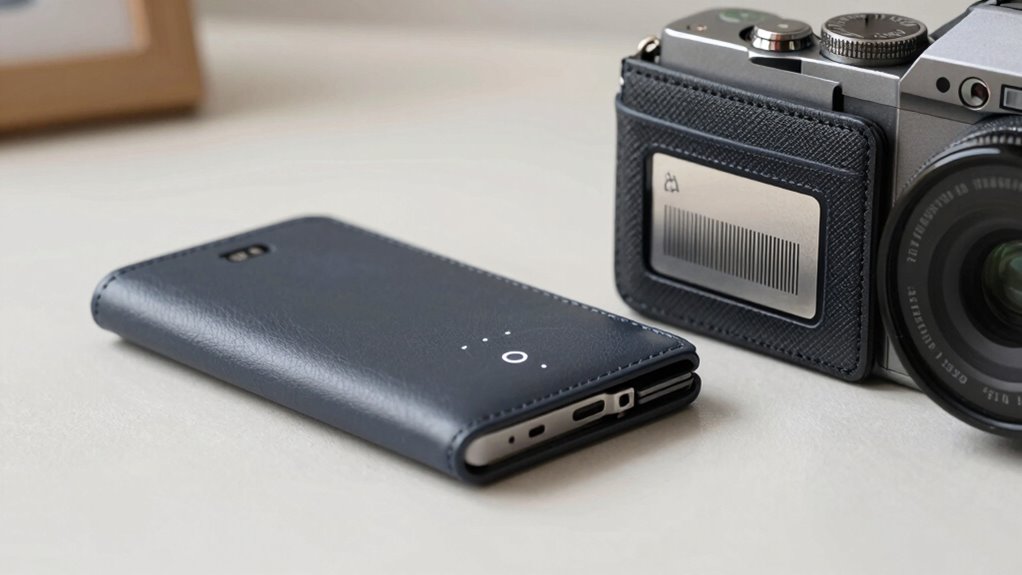

Smart wallets add digital features like Bluetooth, GPS, and app controls, offering convenience and security layers beyond basic protection. RFID wallets, on the other hand, focus solely on blocking radio signals to prevent electronic theft of your card data. Many buyers overlook how combining smart features with RFID protection creates a more extensive safeguard against theft and fraud. If you want to understand how these differences can enhance your security, there’s more to explore ahead.

Get your wardrobe favorites delivered free with Prime
- Fast, free delivery on millions of items
- Prime Video, Amazon Music and more included
- Member-only deals all year
Key Takeaways
- RFID wallets solely block or interfere with signals to prevent digital theft, while smart wallets include digital features like GPS and app controls.
- Smart wallets rely on batteries and connectivity, whereas RFID wallets are passive and do not require power.
- RFID wallets focus on protection against contactless card skimming, while smart wallets combine security with added convenience and technology.
- The primary purpose of RFID wallets is signal blocking; smart wallets offer a layered approach with encryption, alerts, and tracking.
- Buyers often overlook the importance of compatibility, design, and security features when choosing between the two types.
As an affiliate, we earn on qualifying purchases.
What Are RFID Wallets and How Do They Protect Your Data
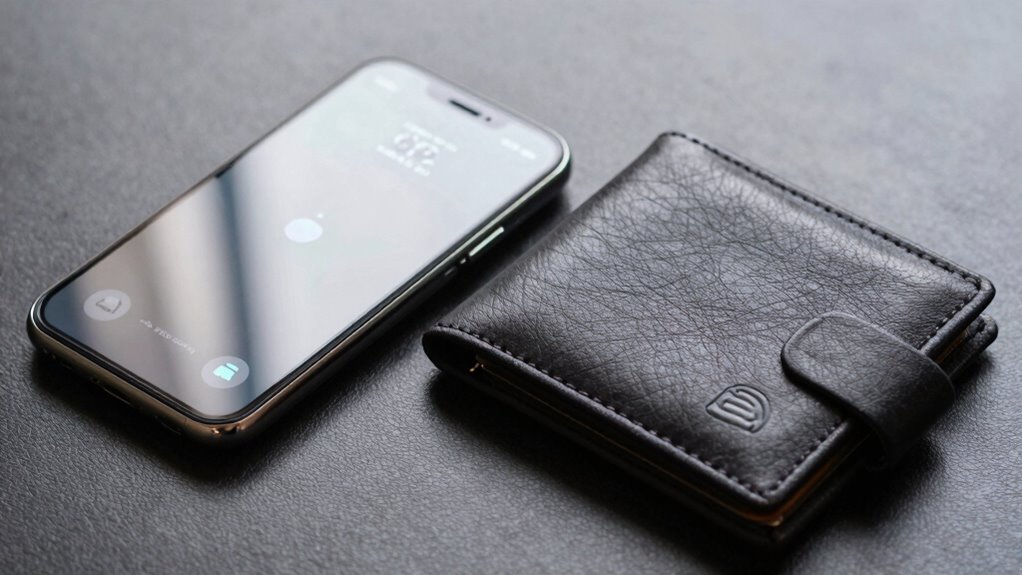
RFID wallets are specially designed to block or interfere with radio frequency signals, preventing unauthorized scanning of your cards. This protection is crucial as contactless payments become more common, making your sensitive information more vulnerable. Without an RFID wallet, digital theft can happen in crowded places where scammers use scanners to steal card details secretly. These wallets contain RFID-blocking materials that create a barrier, stopping hackers from accessing your data during everyday transactions or when your wallet is nearby. By using an RFID wallet, you reduce the risk of identity theft and protect your financial information from being compromised without your knowledge. Additionally, RFID wallets can help mitigate digital theft by creating a secure environment for your cards. In short, RFID wallets help keep your cards safe from the rising threat of digital theft, especially in a contactless payment world.
As an affiliate, we earn on qualifying purchases.
How Smart Wallets Differ From Standard RFID Wallets

While standard RFID wallets focus on blocking signals to protect your cards from digital theft, smart wallets take protection a step further by integrating technology that offers additional features. These wallets often include digital integration, allowing you to connect your wallet to your smartphone via Bluetooth or apps. Unlike RFID-only wallets, smart wallets may have features like GPS tracking, alarms, or card management. However, they are usually battery-dependent, meaning you need to recharge or replace batteries regularly. Additionally, some smart wallets incorporate whole-home water system features to optimize energy use and improve overall security. Consider these key differences: – Incorporates digital integration for smarter functionality – Requires a power source, leading to battery dependency – Can offer features like GPS tracking and alerts – Often includes app-controlled security settings – Provides more than just RFID blocking, adding convenience and control
As an affiliate, we earn on qualifying purchases.
How RFID Blocking and Smart Features Keep Your Wallet Safe

Combining RFID blocking with smart features creates an all-encompassing approach to wallet security that actively protects your valuable information. RFID blocking shields you from contactless fraud by preventing unauthorized scanning of your cards’ digital signals. Meanwhile, smart features like digital encryption safeguard your sensitive data by encoding it, making it unreadable to hackers. Together, these technologies create a layered defense against theft and fraud. RFID blocking stops malicious readers from accessing your card info, while smart features monitor your wallet’s activity, alerting you to suspicious behavior. This combination ensures your cards and digital information stay safe even in crowded places or during theft attempts. Additionally, implementing engine performance enhancements in your vehicle can improve your driving experience, paralleling how layered security features enhance your wallet’s protection. You get peace of mind knowing your wallet is equipped to counteract both contactless fraud and hacking threats effectively.
As an affiliate, we earn on qualifying purchases.
Which Wallet Is Best for Your Security and Convenience?

Choosing the right wallet depends on balancing security features with ease of use. If you prioritize digital payment and quick access, a smart wallet with anti-theft features offers convenience and protection against theft. On the other hand, RFID wallets focus on shielding your cards from digital skimming, providing peace of mind. To decide, consider these factors:
Choose a smart wallet for quick access or RFID wallet for enhanced card security.
- Ease of access for daily transactions
- Effectiveness of anti-theft features
- Compatibility with digital payment methods
- Level of RFID blocking needed
- Overall user experience and comfort
Smart wallets often combine both security and convenience, while RFID wallets excel at protecting cards from electronic theft. Your choice should reflect your daily habits, security concerns, and preference for quick access versus protection. Additionally, understanding the differences between security features can help you make a more informed choice.
Top Mistakes to Avoid When Choosing RFID or Smart Wallets
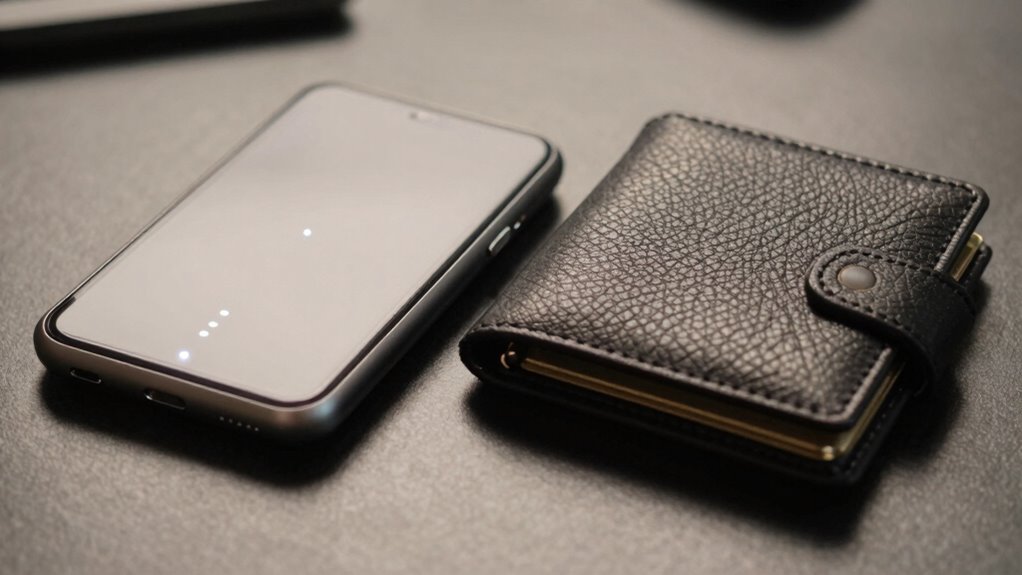
Selecting the right RFID or smart wallet involves more than just comparing features; it’s about avoiding common pitfalls that can compromise your security or convenience. One mistake is neglecting design considerations; a wallet might look great but could be uncomfortable or too bulky. Additionally, overlooking brand reputation can lead you to low-quality options that don’t deliver on security or durability. Always research brands known for reliable, well-designed wallets with positive customer feedback. Failing to verify compatibility with your lifestyle—such as size or card capacity—is another mistake. Remember, a wallet that suits your daily habits and offers genuine protection is worth investing in. Considering security features is essential to ensure your wallet provides effective protection against RFID skimming and other threats. Avoid these errors, and you’ll choose a wallet that genuinely enhances your security and convenience.
Frequently Asked Questions
How Long Do RFID and Smart Wallets Typically Last?
RFID and smart wallets typically last between 2 to 5 years, depending on their durability lifespan and material quality. If you choose one made from high-quality materials like genuine leather or durable metals, it’ll last longer and withstand daily wear and tear. Cheaper options may degrade faster. To maximize your wallet’s lifespan, handle it carefully, avoid moisture, and clean it regularly to maintain its functionality and appearance.
Are Smart Wallets Compatible With All Smartphones?
Smart wallets generally offer good smartphone compatibility, but device integration varies. You should check if your smartphone supports Bluetooth or NFC, as most smart wallets rely on these features. If your device is compatible, pairing is usually straightforward. However, some wallets may have limited compatibility with older or less common smartphones. Always verify the wallet’s specifications to guarantee seamless integration before making a purchase.
Can RFID Wallets Be Hacked Remotely?
Yes, RFID wallets can be hacked remotely through signal interception. Hackers use specialized devices to pick up the RFID signals, potentially stealing your card information without physical contact. While it’s less common, remote hacking is a real risk if you’re near a hacker with the right equipment. To protect yourself, consider RFID-blocking wallets, which prevent signal interception and keep your data safe from unauthorized access.
Do Smart Wallets Require Regular Software Updates?
Think of your smart wallet like a smartphone—yes, it needs regular software updates to stay secure and functional. You wouldn’t skip updates on your phone, right? Similarly, these updates enhance digital security and fix bugs. Most smart wallets have decent battery life, but updates ensure they operate smoothly. Regular updates safeguard your personal information and keep your wallet’s features working reliably, just like keeping your phone secure.
Are There Environmental Impacts of Manufacturing RFID and Smart Wallets?
Yes, manufacturing RFID and smart wallets impacts the environment, mainly through their environmental footprint. Producing these wallets often involves extracting rare materials or using plastics, which can harm ecosystems. However, choosing wallets made from sustainable materials reduces this impact. You can help by opting for eco-friendly options, supporting brands committed to sustainability, and recycling or repurposing your wallet when possible to minimize environmental harm.
Conclusion
Choosing between a smart wallet and an RFID wallet is like picking the right shield for your treasure. Both protect your data, but in different ways. By understanding their features and risks, you can pick a wallet that keeps your valuables safe and your mind at ease. Don’t just go for the shiny exterior—know what’s inside. The right choice will guard your essentials like a loyal guardian, so you can carry with confidence.
Columbus Day / Indigenous Peoples' Day Picks
long weekend sales
As an affiliate, we earn on qualifying purchases.