

The rise of plant-based leathers reflects a growing industry shift toward sustainable, eco-friendly materials driven by increased environmental concerns and consumer demand. You’ll find natural ingredients like mushroom mycelium, pineapple leaves, and apple peels replacing traditional animal leather. These options use fewer resources, reduce waste, and support cruelty-free products. When you explore these innovations further, you’ll discover how they’re transforming industries and paving the way for a greener future.
Key Takeaways
- Growing environmental concerns drive demand for eco-friendly, plant-based leathers made from mushroom mycelium, pineapple leaves, and apple peels.
- Plant-based leathers offer sustainable, cruelty-free alternatives that require fewer resources than traditional animal leather.
- Integration with biodegradable plastics enhances product decomposition, promoting closed-loop, eco-conscious fashion and packaging solutions.
- Recycled textiles combined with plant-based leathers reduce waste and resource consumption, supporting circular fashion initiatives.
- Industry adoption of these materials signifies a shift towards environmentally responsible manufacturing and sustainable consumer choices.
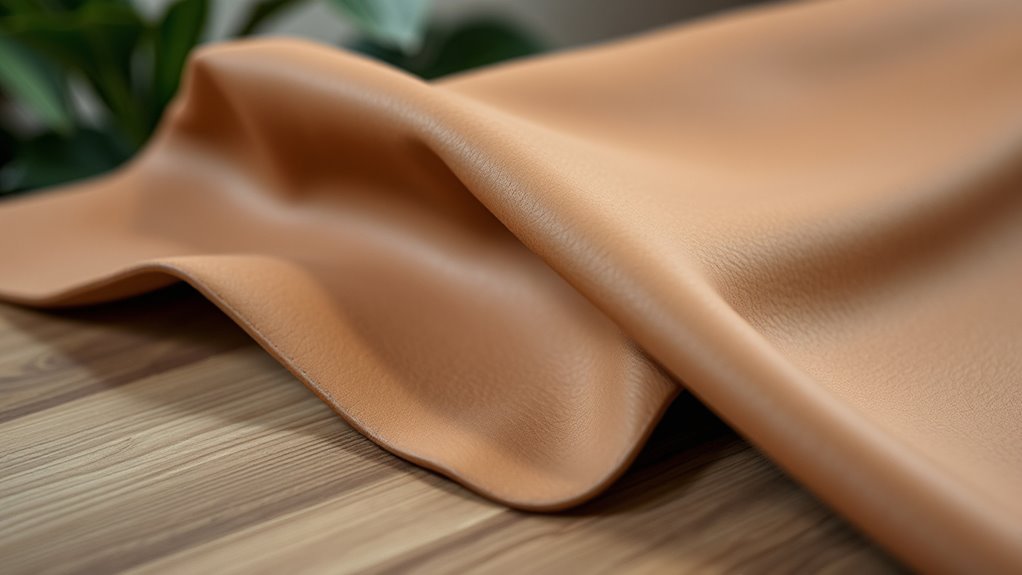
As environmental concerns grow, the demand for sustainable materials has surged across industries. You’re increasingly likely to notice companies turning to eco-friendly alternatives that reduce environmental impact. One of the most exciting developments is the rise of plant-based leathers, which provide a cruelty-free and sustainable alternative to traditional animal leather. These innovative materials are made from natural ingredients like mushroom mycelium, pineapple leaves, or apple peels, and they’re gaining popularity among brands committed to reducing their carbon footprint. As you explore eco-conscious options, you’ll see that plant-based leathers not only lower resource consumption but also help cut down on waste, especially when they’re paired with other sustainable materials like biodegradable plastics and recycled textiles.
Growing demand for eco-friendly, plant-based leathers reduces resource use and waste, supporting sustainable fashion choices.
Biodegradable plastics have become a *essential* part of this shift. Unlike conventional plastics, which persist in the environment for hundreds of years, biodegradable plastics break down into natural elements relatively quickly when exposed to specific conditions. They’re especially valuable in packaging, fashion, and consumer goods where plastic waste is a major concern. When integrated into products made with plant-based leathers, biodegradable plastics help create a closed-loop system that minimizes environmental harm. For example, some eco-friendly footwear brands now incorporate biodegradable plastic components into their soles and linings, ensuring that even after disposal, the materials decompose without releasing toxins. This approach aligns with your desire to support products that prioritize longevity and eco-friendliness.
Recycled textiles also play a *crucial* role in this sustainable movement. Instead of using virgin fibers, brands are repurposing old garments, industrial scraps, and other textile waste into new materials. When combined with plant-based leathers, recycled textiles help reduce the cycle of resource extraction and waste accumulation. You’ll find that many fashion labels now create bags, shoes, and apparel using a blend of recycled textiles and plant-based leathers, offering stylish options that don’t compromise the planet. These materials not only conserve water and energy but also demonstrate that sustainability can be stylish and functional. As you shop, you’ll notice the growing availability of products made from recycled textiles, reflecting a broader shift towards circular fashion.
In embracing these innovative materials, you’re contributing to a more sustainable future. The rise of plant-based leathers, biodegradable plastics, and recycled textiles underscores a collective effort to lessen environmental impact while still enjoying high-quality, fashionable products. As industries continue to innovate, you’ll see that sustainable materials are no longer niche choices—they’re becoming the standard for a greener, more responsible world.

Verdana Leather Conditioner Oil – 8 Fl Oz – Plant-Based, Non-Toxic Leather Conditioner for Couches, Car Seats, Boots, Shoes, Jackets & Purses – Natural, Odorless Conditioning Oil
Multi-Surface Leather Conditioner Oil : Plant-based leather conditioner oil that nourishes, restores, and refreshes leather surfaces. Ideal for…
As an affiliate, we earn on qualifying purchases.
As an affiliate, we earn on qualifying purchases.
Frequently Asked Questions
What Environmental Benefits Do Plant-Based Leathers Provide?
Plant-based leathers offer significant environmental benefits by being eco-friendly, reducing reliance on traditional animal leather, and lowering greenhouse gas emissions. They often have biodegradable properties, meaning they break down naturally, minimizing waste in landfills. Using plant-based leathers also encourages sustainable practices and supports eco-friendly packaging initiatives, helping to lessen pollution. By choosing these materials, you contribute to a greener planet, promoting eco-conscious consumption and sustainable fashion choices.
How Do Plant-Based Leathers Compare in Durability?
You’ll find that plant-based leathers offer comparable synthetic durability to traditional leather, but their material longevity can vary depending on the specific plant-based material used. While some may wear well over time, others might need more care to maintain their appearance. Overall, advancements in processing have improved durability, making plant-based leathers a strong, eco-friendly alternative that holds up well with regular use.
Are Plant-Based Leathers Cost-Effective for Manufacturers?
Yes, plant-based leathers can be cost-effective for manufacturers. You’ll want to do a thorough cost analysis, considering raw material costs, production processes, and durability. The supply chain for plant-based materials is often more sustainable and less affected by animal agriculture issues, which can reduce costs and risks. Over time, as demand grows and technology improves, these leathers are likely to become even more affordable for your manufacturing needs.
What Are the Main Types of Plant-Based Leather Materials?
Did you know plant-based leathers now make up over 40% of the sustainable leather market? You’ll find main types like mushroom leather, pineapple fiber (Piñatex), and apple leather, all sourced from alternative fiber sources. These materials often use innovative manufacturing techniques to mimic traditional leather’s durability and texture. As a result, you get eco-friendly options that are both stylish and sustainable, appealing to environmentally conscious consumers.
Can Plant-Based Leathers Fully Replace Traditional Animal Leathers?
Plant-based leathers can’t fully replace traditional animal leathers yet, but they’re growing as a sustainable alternative. You’ll find synthetic alternatives that mimic leather, reducing reliance on animal rights concerns and lowering environmental impact. While plant-based options are promising, they still face challenges like durability and scalability. Still, as technology advances, you’re likely to see more eco-friendly, animal-free leathers that could eventually take over much of the market.

SOUL Naturalizer Womens Tia Platform Slip On Fashion Sneaker, Mushroom Smooth,
Women's slip-on sneaker grounded on a sporty white bottom
As an affiliate, we earn on qualifying purchases.
As an affiliate, we earn on qualifying purchases.
Conclusion
As you embrace this sustainable shift, think of plant-based leathers as the new parchment in your eco-quest, replacing the old scrolls of traditional leather. This trend isn’t just a flash in the pan but a roaring twenties-style revolution, echoing a future where style and sustainability walk hand in hand. By choosing these materials, you’re helping craft a greener world—because the story of fashion is one you get to write, chapter by chapter.

Pilipane Shoe Sole Protector Film Biodegradable High Adhesive Disposable Transparent Easy Tear 15cm Width for Home Office Living Rooms Entrances
[EASY TO USE & BIODEGRADABLE] Crafted from lightweight and eco-friendly biodegradable materials, this shoe sole film ensures effortless…
As an affiliate, we earn on qualifying purchases.
As an affiliate, we earn on qualifying purchases.

the sak Women's Recycled Esperato Backpack in Nylon, Spacious Bag with Adjustable Back Strap, Black II, One Size,109307
STYLISH & SPACIOUS: For a day around town or a trip to the beach, the Sakroots Artist Circle…
As an affiliate, we earn on qualifying purchases.
As an affiliate, we earn on qualifying purchases.