Innovations in sustainable bag materials focus on eco-friendly options like biodegradable plastics and plant-based fibers such as jute, hemp, and bamboo. These materials break down faster and reduce environmental impact while offering strength and flexibility similar to traditional plastics. Hybrid designs combine these materials for durability and style. Industry advancements show that you don’t have to compromise on quality or aesthetic appeal to make eco-conscious choices. Keep exploring to discover more about how these innovations continue to evolve.
Key Takeaways
- Development of hybrid bags combining biodegradable plastics with plant-based fibers for enhanced durability and eco-friendliness.
- Use of natural dyes and intricate patterns on biodegradable and plant fiber materials for customizable, sustainable designs.
- Innovations in plant-based fibers like hemp, jute, and bamboo to create lightweight, strong, and biodegradable bags.
- Advancements in biodegradable plastics that decompose faster while maintaining flexibility and strength comparable to traditional plastics.
- Adoption of responsible manufacturing practices promoting renewable resources and reducing reliance on fossil fuels in bag production.

As environmental concerns grow, innovators are developing new sustainable materials for bags that aim to reduce waste and lessen ecological impact. You might be surprised to learn how much progress is being made in creating eco-friendly alternatives, especially with biodegradable plastics and plant-based fibers. These materials are revolutionizing the industry by offering durable, stylish, and environmentally responsible options for everyday use.
Biodegradable plastics are gaining popularity because they break down more quickly and safely than traditional plastics. Unlike conventional plastics that can linger in landfills for hundreds of years, biodegradable plastics decompose within a few years when exposed to natural elements. This rapid breakdown helps reduce plastic pollution, especially in oceans and wildlife habitats. When used for bags, biodegradable plastics can mimic the strength and flexibility of regular plastics, but with a considerably lower environmental footprint. You can now find biodegradable plastic bags that are suitable for shopping, packaging, or even fashion accessories, all designed to minimize long-term waste.
Biodegradable plastics decompose quickly, reducing pollution and offering durable, eco-friendly bag options for various uses.
Plant-based fibers are another game-changer in sustainable bag production. Made from natural materials like jute, hemp, bamboo, or organic cotton, these fibers are renewable and biodegradable, making them an eco-friendlier choice. They often require less water and chemical input during cultivation compared to synthetic alternatives, which helps conserve resources and reduce pollution. When crafted into bags, plant-based fibers deliver a rustic, natural aesthetic that appeals to eco-conscious consumers. Plus, they tend to be lightweight, strong, and versatile, suitable for everything from tote bags to backpacks.
The beauty of these innovations lies in their versatility and potential for customization. Many brands now combine biodegradable plastics with plant-based fibers to create hybrid bags that are both functional and sustainable. These materials can be dyed with natural pigments, woven into intricate patterns, or molded into various shapes to suit different styles and needs. As you choose bags made from biodegradable plastics or plant-based fibers, you’re actively supporting a shift toward more responsible manufacturing practices and helping to reduce reliance on fossil fuels and non-renewable resources.
Additionally, advances in high-refresh-rate technology for projectors demonstrate how innovation can improve user experiences across different sectors, including home entertainment.
In essence, these advancements in sustainable materials empower you to make environmentally conscious choices without sacrificing quality or style. They demonstrate that eco-friendly doesn’t mean compromising on durability or design. As more companies embrace biodegradable plastics and plant-based fibers, the future of bags looks promising—one where sustainability and innovation go hand in hand, allowing you to contribute positively to the planet with every purchase.

FMP Brands Eco Biodegradable Plastic Grocery Bags – 100 Count with Handles, Thank You T-Shirt Shopping Bags Bulk for Small Business, Restaurant, Groceries, Supermarket
- Pack Size and Dimensions: 100 biodegradable bags, 12×6.5×22 inches
- Durable and Tear-Resistant: 12.5 micron thickness, strong and leak-proof
- Eco-Friendly and Reusable: Biodegradable bags reduce environmental impact
As an affiliate, we earn on qualifying purchases.
As an affiliate, we earn on qualifying purchases.
Frequently Asked Questions
What Are the Environmental Impacts of Biodegradable Bag Materials?
Biodegradable bag materials reduce landfill waste and lower pollution, but you should be aware of recyclability challenges, as they often can’t be processed in standard recycling facilities. Their biodegradation rates vary depending on environmental conditions, which means some may take years to break down completely. This inconsistency can impact their overall environmental benefits, making it essential to manage disposal properly and support proper composting practices for ideal eco-friendly results.
How Do Sustainable Bags Compare in Cost to Traditional Options?
You’ll find that sustainable bags often have a higher initial cost compared to traditional options due to market pricing and material expenses. However, when you consider their durability and eco-friendly benefits, the cost comparison often favors sustainable choices over time. While you might pay more upfront, investing in sustainable bags can save you money in the long run, especially since they last longer and reduce environmental impact.
Are There Any Health Concerns With New Sustainable Materials?
You might worry about health risks with new sustainable materials, but they’re generally safe—like a well-guarded fortress. Manufacturers prioritize chemical safety, ensuring harmful substances are minimized. However, allergen risks can still exist, especially for sensitive individuals. Always check labels and choose eco-friendly options tested for safety. While these innovations aim to protect the environment, they also endeavor to protect your health, making sustainable bags both kind to Earth and safe for you.
How Durable Are Innovative Sustainable Bag Materials?
You’ll find that innovative sustainable bag materials are quite durable, thanks to advanced recycling processes that enhance their strength. Although some materials may experience slight material degradation over time, manufacturers design them to withstand daily use. By choosing bags made from recycled fibers or bio-based plastics, you benefit from durability and eco-friendliness. Regular care can extend their lifespan, ensuring your sustainable bag stays functional and reliable for a long time.
What Is the Lifecycle Carbon Footprint of These Materials?
You might imagine a bag that’s both eco-friendly and resilient. Its lifecycle carbon footprint hinges on recycling efficiency and manufacturing emissions, which can vary widely. When made with high recycling rates, the emissions are minimized, reducing overall impact. However, some innovative materials still require energy-intensive processes. By choosing bags from manufacturers focused on low-emission production, you help lower the total lifecycle carbon footprint, making your choice truly sustainable.
plant fiber eco-friendly backpacks
As an affiliate, we earn on qualifying purchases.
As an affiliate, we earn on qualifying purchases.
Conclusion
Imagine you’re steering a ship through endless seas, each wave representing a new material guiding you toward greener horizons. These innovations are your compass, lighting the way with hope and purpose. As you embrace sustainable bag materials, you’re charting a course where nature and progress sail side by side. Keep maneuvering this exciting journey, for every choice you make adds to the vibrant tapestry of a cleaner, brighter future—one bag at a time.
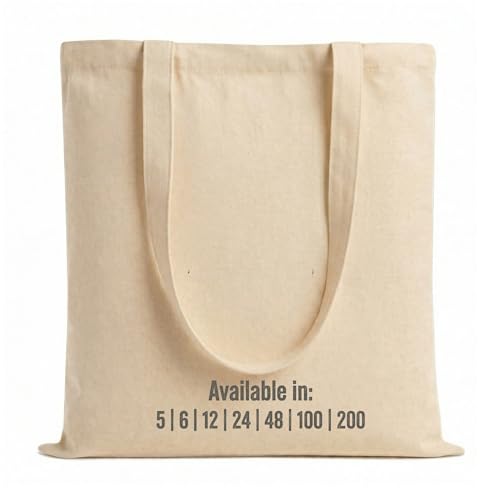
24 Pack Canvas Tote Bags Bulk Reusable Totes for Grocery – Natural
- Durable Construction: Made from 100% natural cotton with reinforced stitching
- Reinforced Handles: Two sturdy handles for hand or shoulder carry
- Eco-Friendly Material: Reusable, environmentally conscious canvas design
As an affiliate, we earn on qualifying purchases.
As an affiliate, we earn on qualifying purchases.
As an affiliate, we earn on qualifying purchases.