
Ethical sourcing in bag manufacturing means ensuring that every step involves fair labor practices, transparency, and respect for workers’ rights. As a consumer, you can support brands committed to ethical standards by choosing those that openly share their sourcing and labor policies. This encourages responsible production and better conditions for workers worldwide. If you want to understand how to identify these brands and make informed choices, you’ll find more helpful details ahead.
Key Takeaways
- Ensuring transparent supply chains reveals raw material origins and manufacturing processes, promoting ethical standards in bag production.
- Advocating for fair wages and safe working conditions protects factory workers’ rights and dignity.
- Brands committed to ethical sourcing hold suppliers accountable, fostering responsible manufacturing practices.
- Consumer support for transparent and fair labor practices encourages industry-wide adoption of ethical standards.
- Ethical sourcing moves beyond compliance, promoting fairness, respect, and human rights throughout the bag manufacturing process.
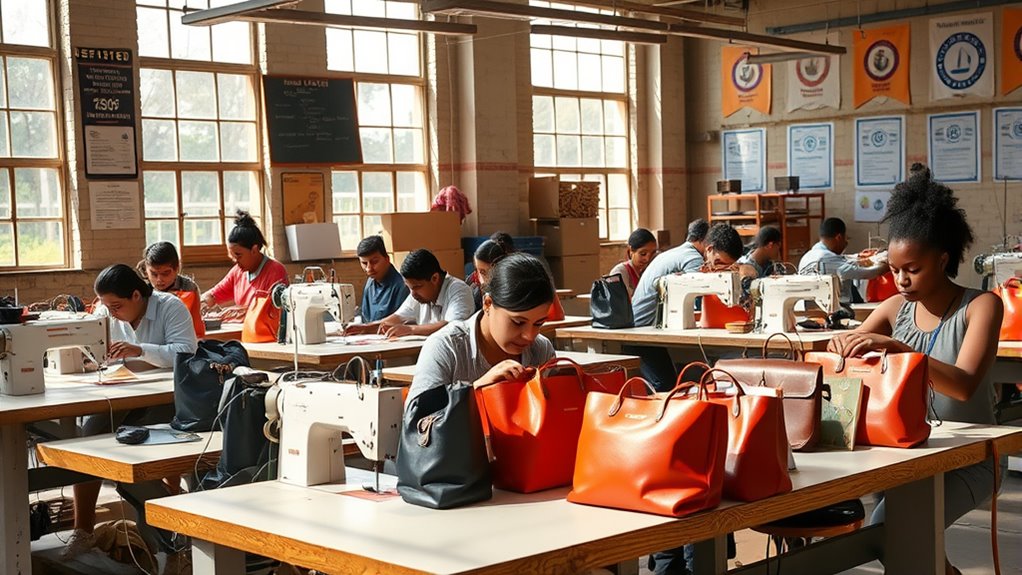
Have you ever wondered where the products you buy really come from? When it comes to bags and accessories, many of us don’t think about the journey each item takes before reaching our hands. Behind every well-made bag lies a complex process that involves multiple factories, suppliers, and workers. That’s why supply chain transparency is so critical. It allows you to see into the production process, ensuring that ethical standards are upheld at every stage. When companies prioritize transparency, they reveal where raw materials originate, how workers are treated, and whether fair labor practices are maintained. This openness puts pressure on brands to be accountable, which ultimately benefits the workers involved in making your bags.
Worker rights advocacy plays a crucial role here. It fights against exploitative labor practices and champions fair wages, safe working conditions, and reasonable hours. When companies embrace worker rights advocacy, they actively support the dignity and well-being of those who manufacture their products. This means paying fair wages, providing protective equipment, and respecting workers’ rights to organize and voice concerns. It’s about creating a culture where workers aren’t just seen as a means to an end but as valued individuals deserving of respect. By aligning with worker rights advocacy, brands demonstrate their commitment to ethical sourcing, making sure their supply chains don’t operate at the expense of human rights. Additionally, understanding the basics of soiling and gliding can help consumers recognize the importance of safe and responsible manufacturing environments.
As a consumer, your role is powerful. You can seek out brands that prioritize supply chain transparency and are committed to worker rights advocacy. Look for companies that openly share information about their sourcing practices and labor standards. When you choose to support these brands, you’re helping to shift the industry towards more ethical practices. You’re encouraging other companies to adopt transparent policies and advocate for fair treatment of workers. This not only improves conditions in factories but also fosters a global movement toward responsible production.
Ultimately, ethical sourcing isn’t just about avoiding bad practices; it’s about actively promoting fairness and respect throughout the entire supply chain. It’s about holding brands accountable and demanding that the bags we buy are made with integrity. When you prioritize products from companies committed to supply chain transparency and worker rights advocacy, you’re making a statement—that ethical practices matter, and they can lead to real change. Every purchase becomes a way to support fair labor and help build a more just and sustainable fashion industry.
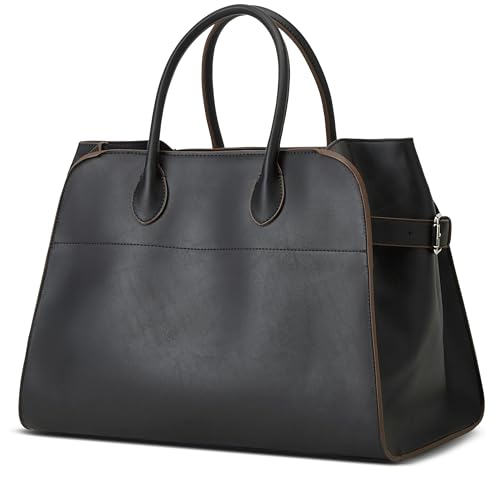
Leather Tote Bags for Women Large Tote Bag Retro Top-handle Bag Trendy Work Bag PU Leather Purse 2025
Vegan Leather: This sturdy and well-made tote is crafted from high class vegan leather with stunning texture and…
As an affiliate, we earn on qualifying purchases.
As an affiliate, we earn on qualifying purchases.
Frequently Asked Questions
How Do Companies Verify Fair Labor Practices in Manufacturing Facilities?
You verify fair labor practices through factory audits and worker interviews. During audits, you inspect working conditions, wages, and safety standards to guarantee compliance. Worker interviews help you gain direct insights into their experiences, addressing any concerns about exploitation or unfair treatment. By combining these methods, you actively confirm that manufacturing facilities uphold ethical labor standards, ensuring workers are treated fairly and rights are protected throughout the supply chain.
What Are Common Signs of Unethical Labor Practices in Bag Production?
You should watch for signs of unethical labor practices like labor violations, such as unpaid wages or excessive working hours, and worker exploitation, including poor working conditions or restricted freedoms. If workers seem fearful, hesitant to speak, or if there’s evidence of forced labor, these are red flags. Such signs indicate a company may be ignoring fair labor standards, which compromises ethical sourcing and overall worker well-being.
How Can Consumers Ensure Their Purchases Support Ethical Sourcing?
Think of your purchase as planting a seed for change. To support ethical sourcing, choose brands that use sustainable materials and have transparent supply chains, ensuring fair labor practices. Look for certifications like Fair Trade and ask questions about their sourcing policies. Your choices can nurture a more ethical industry, making a difference one bag at a time. By being informed, you turn your purchase into a symbol of positive impact.
What Certifications Indicate Fair Labor in Bag Manufacturing?
You can look for certifications like Fair Trade and other Ethical Certifications to verify fair labor practices in bag manufacturing. These certifications show that the brand upholds strict standards for fair wages, safe working conditions, and workers’ rights. When shopping, check product labels or company websites for these symbols. Choosing bags with recognized ethical certifications helps support fair labor practices and promotes more responsible manufacturing worldwide.
Are There Regions Known for Unethical Labor Practices in Bag Production?
Yes, there are regions known for unethical labor practices, often involving labor exploitation. Countries like Bangladesh, parts of China, and some Southeast Asian nations have faced scrutiny for weak labor protections and poor working conditions. When sourcing bags, you should be aware of these unethical regions to guarantee your supply chain promotes fair labor practices, helping you avoid supporting labor exploitation and uphold ethical standards in manufacturing.

GAMLFL Military Green Canvas Backpack for Women & Men Retro Aesthetic Rucksack Basic Backpack for High School/College Students Travel Laptop Bag
CLASSIC & AESTHETIC: Say hello to your new sidekick–– backpack, day pack, bookbag, carry-on bag –– whatever you…
As an affiliate, we earn on qualifying purchases.
As an affiliate, we earn on qualifying purchases.
Conclusion
By choosing ethically sourced bags, you’re not just carrying a stylish item—you’re championing fair labor practices and making a difference. Every bag has a story, like the legendary Robin Hood, fighting for the common worker. Remember, in this modern age, your choices echo through time, shaping a future where justice and fairness aren’t just words but realities. So, stay vigilant, and let your wallet be your sword in this ongoing quest for ethical sourcing.

WINSASI People Free Bag,People Free Dup Es,Peoples Frees Dupe City Bags Tote Bag Fall Purse Vegan Leather Hobo Handbags
[Capacity] This tote measures 11.5 inches (L) x 5 inches (W) x 8 inches (H),it can easily hold…
As an affiliate, we earn on qualifying purchases.
As an affiliate, we earn on qualifying purchases.

THE COLLECTION ROYAL Women's Small Hippie Handbag, Green Butterfly, Handmade in Nepal, Fair Trade Fashion, Sturdy Crossbody Bag for Ethical Shoppers
Mini crossbody bag is a small yet spacious and perfect enough for carrying all the tiny essentials with…
As an affiliate, we earn on qualifying purchases.
As an affiliate, we earn on qualifying purchases.