
Vegan leather comes in various types, mainly plant-based options like cork and mushroom, which are eco-friendly but may require more care, and synthetic options like polyurethane (PU), which mimic genuine leather but are made from plastics. Your choice depends on your priorities for sustainability, durability, and budget. If you want to learn more about these materials’ benefits and drawbacks, keep exploring to make a well-informed decision.
Key Takeaways
- Vegan leathers include plant-based options like cork and mushroom, as well as synthetic plastics like polyurethane (PU) and PVC.
- Plant-based vegan leathers are biodegradable and eco-friendly, while synthetic versions are more durable but less sustainable.
- Polyurethane vegan leather mimics real leather’s appearance and feel, offering affordability and water resistance.
- High-quality vegan leather features a smooth, consistent texture with minimal imperfections and transparent branding.
- Understanding material sources and certifications helps determine the environmental impact and longevity of your vegan leather product.

Hobo Bags for Women Soft Vegan Leather Shoulder Handbag Slouchy Tote Purses (Black)
Effortlessly stylish and comfortable, our Soft and Slouchy Hobo Bag is the perfect companion for work, travel, or…
As an affiliate, we earn on qualifying purchases.
As an affiliate, we earn on qualifying purchases.
What Are the Main Types of Vegan Leather and How Do They Differ?
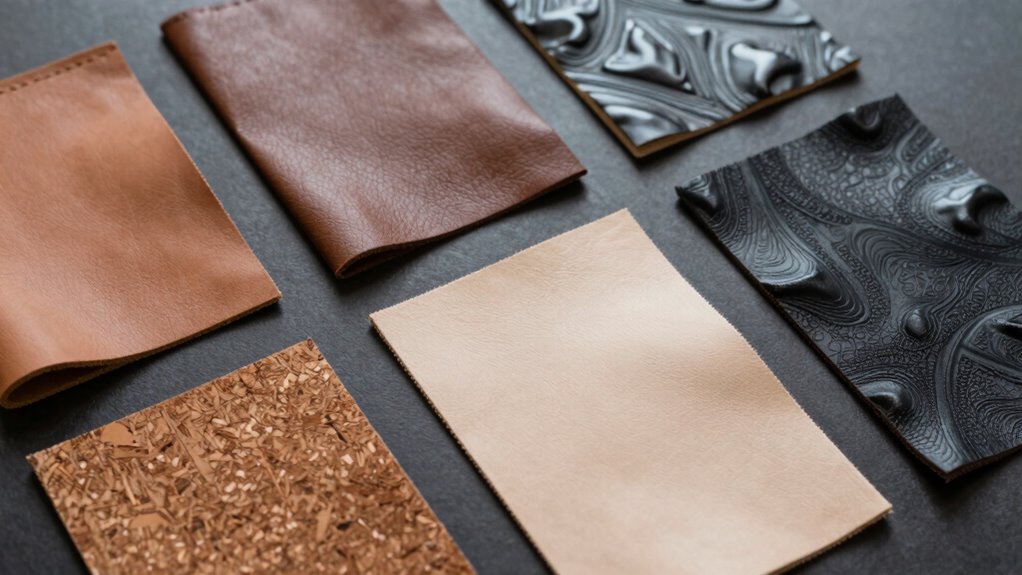
There are several main types of vegan leather, each made from different materials with unique properties. When choosing between animal-derived and vegan options, you’ll notice significant differences in quality and ethics. Luxury vegan leathers often use high-end materials like mushroom or cork, which mimic the look and feel of genuine leather while offering durability and elegance. Budget options, on the other hand, tend to rely on synthetic plastics like polyurethane or PVC, making them more affordable but less breathable. The choice depends on your priorities: luxury materials provide a more authentic and long-lasting feel, while budget options offer affordability and accessibility. Additionally, sustainable materials are increasingly being used in vegan leather production to reduce environmental impact. Understanding these distinctions helps you make informed decisions aligned with your style, values, and budget.

boshiho RFID Blocking Cork Wallet, Slim Bifold Vegan Credit Card Holder Purse Eco Friendly Gift for Men and Women (Black A)
SLIM DESIGN – This cork wallet for men is twice lighter than leather wallet, this wallet for men…
As an affiliate, we earn on qualifying purchases.
As an affiliate, we earn on qualifying purchases.
Comparing Plant-Based and Synthetic Vegan Leathers: Which Is More Sustainable and Durable?

When comparing plant-based and synthetic vegan leathers, determining which is more sustainable and durable depends on several factors. Fashion trends influence consumer perceptions, shaping what people prioritize in their choices. Plant-based leathers, made from materials like cork or mushroom, often appeal to eco-conscious buyers and tend to be biodegradable, making them more sustainable. However, their durability can vary, and some may require more care. Synthetic vegan leathers, such as those made from polyurethane, typically offer greater durability and a consistent appearance, aligning with current fashion trends that emphasize longevity. Still, they often rely on fossil fuels, raising environmental concerns. Your decision should weigh both sustainability and durability, considering how consumer perceptions of eco-friendliness and style impact your preferences. Additionally, knowledge of rendering lard highlights the importance of traditional, preservative-free materials in self-sufficiency, which can influence choices toward more sustainable options.

Dr. Scholl's Shoes Men's Sync Plain Toe Dress Casual Oxford, Dark Tan Smooth, 10 Wide US
PROFESSIONALLY CRAFTED: Soft neoprene tongue & collar for comfortable fit to wear to the office or party
As an affiliate, we earn on qualifying purchases.
As an affiliate, we earn on qualifying purchases.
What Are the Pros and Cons of Polyurethane Vegan Leather?

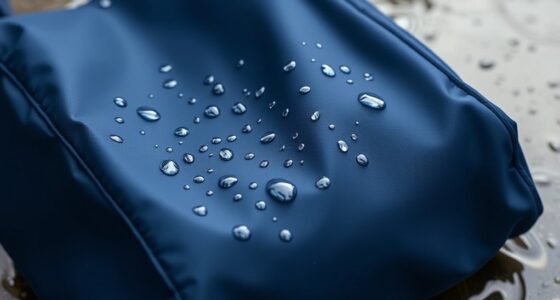
Polyurethane vegan leather is a popular alternative to traditional animal leather, offering a balance of affordability and versatility. As a synthetic alternative, it’s widely used because it mimics the look and feel of genuine leather at a lower cost. One major advantage is that it’s generally more affordable and easier to produce, making it accessible for many consumers. However, polyurethane isn’t completely eco-friendly; it’s derived from plastics, which can contribute to pollution and waste. On the plus side, it’s durable and water-resistant, ideal for everyday use. Still, it doesn’t biodegrade easily, raising concerns about its environmental impact over time. Overall, polyurethane vegan leather is a practical choice for those seeking affordable, stylish options, but consider its environmental trade-offs before making a purchase.

Fahsyee Faux Leather Jacket for Women, Moto Biker Slim Vegan MotorcycleZipper Coat Outwear, Black, Size M
Stylish Stand Collar: The jacket features a sleek stand collar, adding a touch of modern sophistication to your…
As an affiliate, we earn on qualifying purchases.
As an affiliate, we earn on qualifying purchases.
Are Plant-Based Fibers a Better Eco-Friendly Choice for Vegan Leather?
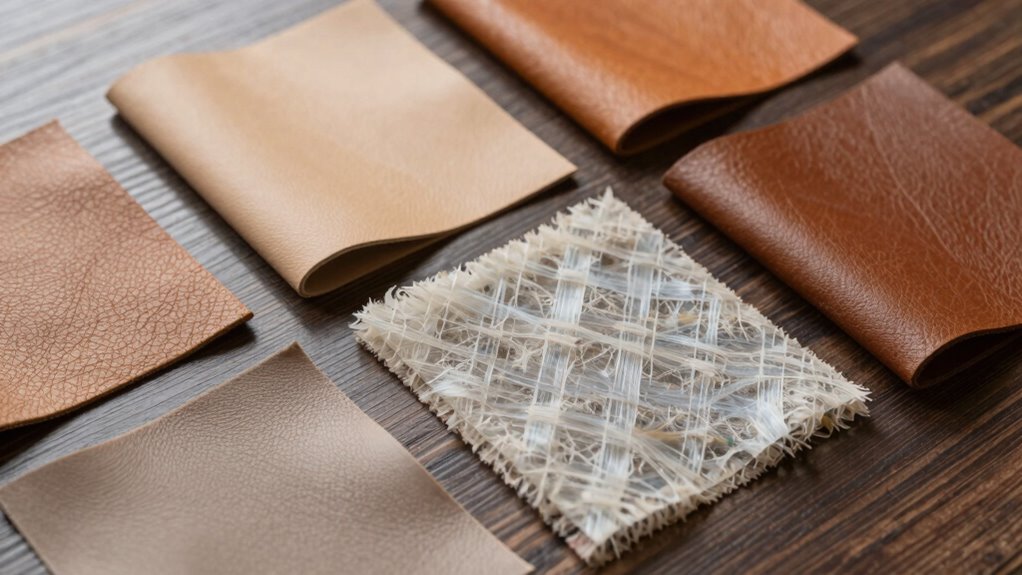
Plant-based fibers are increasingly gaining attention as an eco-friendly alternative for vegan leather because they come from renewable resources and often require less energy to produce. These plant-based alternatives, like cork, pineapple leaves, or mushroom leather, tend to have a lower environmental impact compared to synthetic options. They typically need fewer chemicals and less water during manufacturing, reducing pollution and resource depletion. Additionally, chemical processes involved in producing plant fibers are generally less intensive than those used for synthetic materials. By choosing vegan leather made from plant fibers, you support sustainable practices and help decrease reliance on fossil fuels. While not all plant-based fibers are perfect solutions, they generally offer a greener option for those concerned about environmental impact. Ultimately, plant-based fibers can be a smarter, more sustainable choice for eco-conscious consumers seeking vegan leather.
How to Recognize High-Quality Vegan Leather and Make the Right Choice for Your Needs

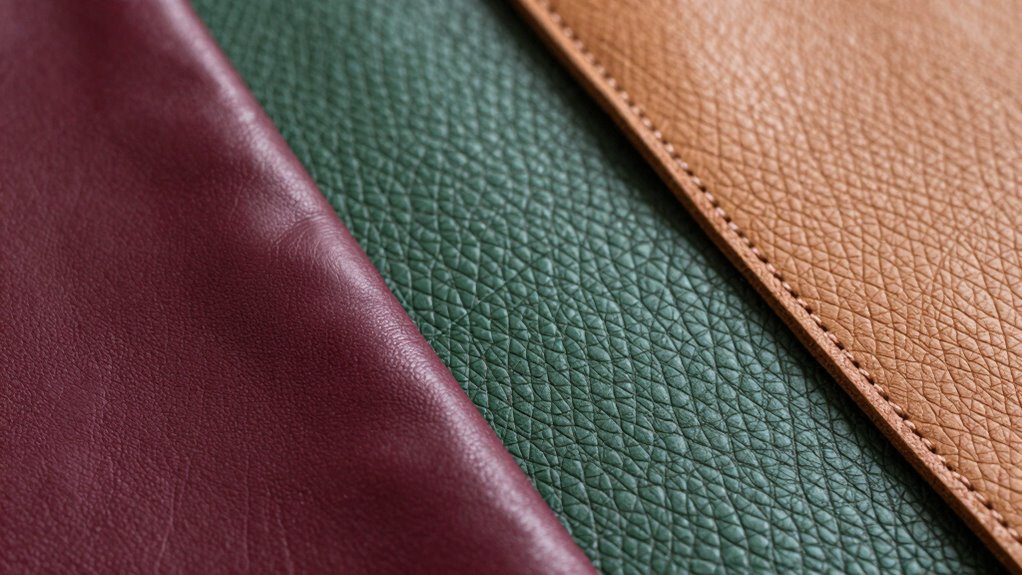
Choosing high-quality vegan leather starts with paying close attention to its texture, finish, and overall construction. Feel the material—smooth and consistent textures often indicate better quality. Examine the finish for even coloring and minimal imperfections, which reflect skilled craftsmanship. Consider pricing, but remember that higher cost doesn’t always guarantee top-notch quality; it can also reflect branding or ethical sourcing. Research the brand’s reputation—trusted companies typically provide transparent information about their materials and manufacturing processes. Look for certifications or reviews that confirm durability and eco-friendliness. Making an informed choice involves balancing these factors to match your needs, whether for everyday use or special occasions. Ultimately, a well-made vegan leather piece should feel durable, look polished, and align with your values. Additionally, understanding material composition can help you better assess the longevity and sustainability of your vegan leather item.
Frequently Asked Questions
How Long Does Vegan Leather Typically Last With Regular Use?
Vegan leather usually lasts between 2 to 5 years with regular use, depending on durability factors like quality and care. To extend its life, you should follow maintenance tips like cleaning it gently, avoiding excessive moisture, and storing it properly. If you take good care and choose higher-quality options, your vegan leather item can stay looking great and last longer, making it a worthwhile investment.
Can Vegan Leather Be Recycled or Composted After Its Lifespan?
Vegan leather’s recycling options are limited, but some brands now offer recyclable varieties. Compostability potential varies; most traditional vegan leathers aren’t compostable due to synthetic materials. To reduce waste, check if your product is labeled recyclable or compostable, and explore specialized recycling programs. While not all vegan leather can be composted, choosing eco-friendly options helps lessen environmental impact and promotes more sustainable disposal methods.
Are There Health Concerns Associated With Certain Vegan Leather Materials?
Yes, some vegan leathers can pose health concerns due to chemical safety issues. You might experience allergic reactions if you’re sensitive to certain materials or chemicals used in production. Look for products labeled as non-toxic or free from harmful chemicals like phthalates and formaldehyde. Being aware of these factors helps you choose vegan leather that’s safer for your health, especially if you have allergies or sensitive skin.
How Does Vegan Leather Pricing Compare to Genuine Leather?
Vegan leather generally costs less than genuine leather, but the cost comparison varies depending on material variability. You’ll find affordable options made from synthetic materials like polyurethane, while high-end plant-based vegan leathers can be pricier. If you’re budget-conscious, synthetic vegan leather offers a good deal, but for durability and eco-friendliness, some plant-based options may cost more. Overall, vegan leather tends to be more budget-friendly, but prices fluctuate based on the materials used.
What Maintenance Is Required to Keep Vegan Leather Looking New?
Think of your vegan leather as a delicate plant—requiring gentle care. You should follow simple cleaning routines, like wiping with a damp cloth, and avoid harsh chemicals. Storage tips include keeping it in a cool, dry place away from direct sunlight to prevent fading. With regular care, your vegan leather stays vibrant and fresh, mimicking that new leather look without the fuss. Keep it happy, and it’ll keep looking fabulous.
Conclusion
Choosing the right vegan leather depends on your priorities—whether it’s sustainability, durability, or price. Remember, “you get what you pay for,” so invest in quality to guarantee longevity and eco-friendliness. By understanding the types and their pros and cons, you can make smarter choices that align with your values. Ultimately, informed decisions help you enjoy stylish, cruelty-free products that don’t compromise your principles or the planet.