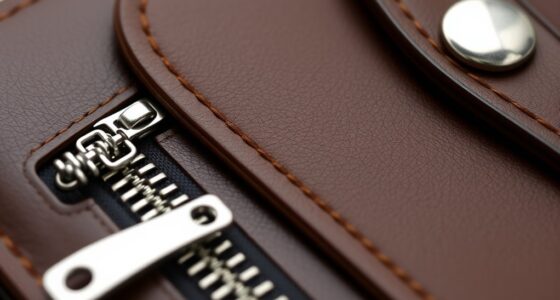
Cork leather is a sustainable and eco-friendly alternative to traditional leather, made from the bark of cork oak trees. You’ll appreciate that it’s biodegradable, requiring no harmful chemicals or excess water during production. It’s lightweight, durable, and naturally textured, offering a stylish look with a smaller environmental footprint. Plus, cork harvesting doesn’t harm the trees and helps absorb CO₂. If you want to discover more about its benefits and craftsmanship, keep exploring further.

Get your wardrobe favorites delivered free with Prime
- Fast, free delivery on millions of items
- Prime Video, Amazon Music and more included
- Member-only deals all year
Key Takeaways
- Cork leather is a biodegradable, eco-friendly material harvested sustainably from cork oak trees without harming them.
- It requires minimal water and chemicals during production, reducing environmental impact.
- Cork trees absorb CO₂, helping mitigate climate change while providing a renewable resource.
- Its natural durability and lightweight nature make it a sustainable alternative to traditional leather.
- Cork leather supports responsible consumption by promoting artisanal craftsmanship and environmentally conscious practices.

Cork leather is an innovative, sustainable material made from the bark of cork oak trees. Unlike traditional leather, it offers an eco-friendly alternative that aligns with a growing desire for environmentally responsible products. One of the key advantages of cork leather is its biodegradable benefits. When it reaches the end of its lifespan, it naturally decomposes without leaving harmful residues behind, reducing your carbon footprint. This characteristic makes cork leather a compelling choice for eco-conscious consumers who want to minimize waste and support sustainable practices. Additionally, cork leather production doesn’t require harmful chemicals or extensive water use, further emphasizing its environmentally friendly profile. Its biodegradability isn’t just a marketing point; it actively contributes to healthier ecosystems by returning to the earth without polluting. Moreover, the development of sustainable materials like cork leather is a response to the increasing demand for environmentally responsible products in various sectors. Beyond its environmental advantages, cork leather also stands out because of the craftsmanship techniques involved in creating it. Skilled artisans carefully harvest the cork bark without damaging the trees, allowing them to regenerate their bark every nine years. This sustainable harvesting process ensures that cork oak trees remain healthy and continue to absorb carbon dioxide, making cork leather an even more responsible choice. The crafting process involves boiling and then flattening the cork, which enhances its flexibility and durability. Artisans then cut and shape the material into various forms, whether for handbags, wallets, or furniture. The craftsmanship techniques used ensure that each piece maintains a high level of quality and aesthetic appeal, blending natural textures with functional design. These methods highlight the skill and care invested in producing cork leather, making it not just an eco-friendly alternative but also a product of artisanal excellence. As you explore cork leather, you’ll notice how its natural texture lends a unique look and feel to every item. The material is lightweight yet resilient, providing durability that rivals traditional leather. Because it’s harvested from the bark, which regenerates naturally, cork leather offers a renewable resource that doesn’t contribute to deforestation or habitat destruction. Its biodegradability benefits extend beyond the end of the product’s life; during manufacturing, fewer pollutants are released, and less water and energy are used compared to conventional leather production. This sustainable approach means you can enjoy stylish, high-quality accessories with a clear conscience, knowing your purchase supports environmentally friendly practices. Cork leather truly embodies innovation by combining ecological benefits with traditional craftsmanship, giving you a versatile material that’s both beautiful and responsible.
As an affiliate, we earn on qualifying purchases.
Frequently Asked Questions
How Does Cork Leather Compare in Durability to Traditional Leather?
Cork leather is quite durable and holds up well over time, making it a practical choice. While it’s less susceptible to scratches and water damage, it may not be as strong as traditional leather in heavy-duty uses. Plus, cork leather offers a lower environmental impact and cost efficiency, so you get a sustainable option without sacrificing durability. Overall, it’s a great alternative if you want eco-friendly products that last.
Is Cork Leather Suitable for All Weather Conditions?
You might wonder if cork leather truly handles all weather conditions. The answer is nuanced; it offers impressive weather resistance, making it suitable for most environments. However, its seasonal performance can vary—exposure to heavy rain or extreme heat might challenge its durability. For everyday use in moderate climates, cork leather performs well, but in harsh weather, you may need extra care or protective treatments to guarantee longevity and maintain its appearance.
Can Cork Leather Be Recycled or Biodegraded Easily?
Cork leather can be recycled and biodegraded more easily than synthetic materials, but it faces some biodegradability challenges due to its processing. You’ll find recycling opportunities where cork waste is repurposed into new products, reducing environmental impact. However, in some cases, processing methods or coatings can hinder biodegradability. Overall, cork leather offers a more eco-friendly option, especially if you look for products designed with recyclability and biodegradability in mind.
Are There Any Health Concerns Associated With Cork Leather?
You might wonder if cork leather poses health risks. Rest assured, it generally doesn’t, but watch out for allergy concerns—some people could react to natural tannins or chemical treatments used during processing. While cork leather is mostly safe, always check product labels for chemical additives, especially if you have sensitive skin or allergies. Staying informed helps you enjoy its eco-friendly benefits without any hidden health surprises.
What Are the Maintenance Requirements for Cork Leather Products?
To keep your cork leather products in great shape, follow simple cleaning tips like wiping with a damp cloth and avoiding harsh chemicals. Store them in a cool, dry place away from direct sunlight to prevent fading or damage. Regularly condition the surface with a gentle, cork-safe conditioner to maintain flexibility. Proper storage guidelines help preserve their durability, ensuring your cork leather items stay stylish and functional for years.

Cork Crossbody Bag – Vegan Leather Purse with Adjustable Strap, Eco-Friendly PETA Approved Handbag, Lightweight Shoulder Bag with Multiple Pockets (Brown)
- Lightweight Eco-Friendly Material: 50% lighter than leather, soft cork
- Multiple Pockets for Organization: Main compartment plus 3 zippered pockets
- Adjustable Shoulder Strap: 23 to 47 inches, converts to crossbody
As an affiliate, we earn on qualifying purchases.
As an affiliate, we earn on qualifying purchases.
Conclusion
By choosing cork leather, you gently steer away from less mindful options and embrace a more thoughtful, eco-friendly path. It’s a subtle shift that speaks volumes about your values, without demanding too much. As you explore this sustainable alternative, you’ll find that making small, conscious choices can leave a lasting, positive impression — not just on the environment, but on everyone who appreciates your commitment to a better world.
biodegradable cork leather accessories
As an affiliate, we earn on qualifying purchases.
As an affiliate, we earn on qualifying purchases.
As an affiliate, we earn on qualifying purchases.
Halloween Picks
halloween
As an affiliate, we earn on qualifying purchases.