Choosing between wide and thin straps depends on your activity and comfort needs. Wide straps evenly distribute weight, support better, and reduce shoulder pressure, making them ideal for longer wear or carrying heavier loads. Thin straps may feel lighter and more flexible for brief or light activities but can cause discomfort over time. To find what works best for you, consider your daily routine and shoulder sensitivity—more insights await if you keep exploring.

Get your wardrobe favorites delivered free with Prime
- Fast, free delivery on millions of items
- Prime Video, Amazon Music and more included
- Member-only deals all year
Key Takeaways
- Wide straps distribute weight more evenly, reducing pressure points and shoulder strain during prolonged wear.
- Thin straps tend to dig in and increase discomfort, especially with heavier garments or extended use.
- Proper fit and adjustability are crucial; wider straps offer better support and customization for shoulder comfort.
- Material softness and padding in wide straps enhance cushioning, while thin straps may cause hot spots and irritation.
- For short-term or light activities, thin straps can be more comfortable, but wide straps are preferable for heavy or prolonged use.
As an affiliate, we earn on qualifying purchases.
Why Do Bra Straps Sometimes Cause Shoulder Discomfort?

Bra straps can sometimes cause shoulder discomfort because they bear the weight of your breasts throughout the day. When straps have poor elasticity, they might dig into your shoulders instead of gently supporting you, leading to strain. Tight or inflexible straps can pull your shoulders forward, negatively impacting your shoulder posture. Over time, this misalignment can cause soreness and even tension headaches. On the other hand, straps with good elasticity adapt to your movements and distribute weight more evenly, reducing pressure points. Proper strap fit and elasticity are essential to maintaining healthy shoulder posture and preventing discomfort. Additionally, choosing straps with essential safety tips for portable oil radiators can help prevent accidents and ensure overall safety when using supportive products. If your straps are too tight or lose their elasticity, consider adjusting or replacing your bra to improve support and comfort.
As an affiliate, we earn on qualifying purchases.
How Does Strap Width Affect Weight Support and Comfort?

The width of your straps plays a significant role in how well your bra supports your weight and maintains comfort throughout the day. Wider straps distribute weight more evenly, reducing pressure on your shoulders and improving shoulder posture. They also tend to have less stretch, providing better strap elasticity and stability. Narrow straps, however, may dig in and cause discomfort, especially if your breasts are heavier. Consider this table:
| Strap Width | Support Level | Comfort Impact |
|---|---|---|
| Wide | High | Less pressure, better shoulder posture |
| Medium | Moderate | Balanced support and comfort |
| Thin | Less | More pressure, potential discomfort |
Choosing the right width depends on your support needs and how you want to feel throughout the day. Additionally, understanding support levels can help you select the most comfortable option for your body.
adjustable shoulder straps for bras
As an affiliate, we earn on qualifying purchases.
As an affiliate, we earn on qualifying purchases.
Do Thin Straps Put More Pressure on Your Shoulders?

Thin straps often put more pressure on your shoulders because they have less surface area to distribute weight evenly. This increased strap tension concentrates the load on a smaller area, making your shoulders work harder to support the weight. As a result, you might feel discomfort or even pain after extended wear. Without adequate shoulder support, thin straps can cause strain, especially if the garment is heavy or if you move around a lot. The limited contact area reduces the overall support, forcing your shoulder muscles to compensate. If you’re prone to shoulder discomfort, thinner straps may exacerbate the problem by focusing pressure on specific points. To prevent strain, it’s essential to consider how strap tension and shoulder support work together when choosing your clothing. Understanding ergonomics in clothing design can help you select styles that minimize discomfort and promote better support.
As an affiliate, we earn on qualifying purchases.
When Are Wide Straps the Best Choice for Shoulder Relief?
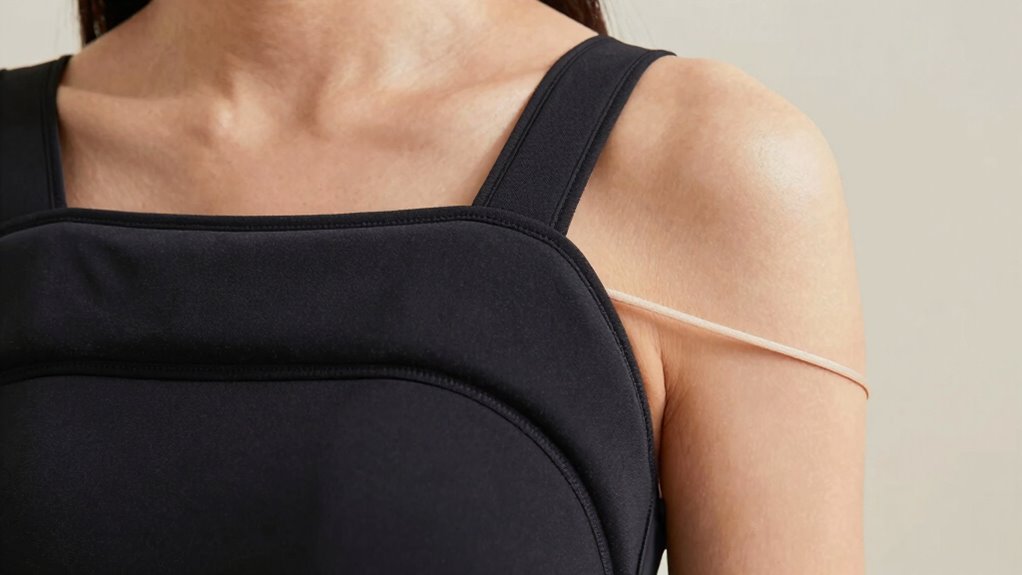
If you carry heavy bags regularly or have sensitive shoulder areas, wide straps can offer better support and distribute weight more evenly. They help reduce pressure and prevent discomfort during prolonged wear. Knowing when to choose wide straps can make a significant difference in shoulder relief. Additionally, selecting straps with proper padding can further enhance comfort and reduce strain.
Heavy Bag Support
When you’re training with a heavy bag, wide straps can provide better shoulder relief, especially if you experience discomfort or strain. Wide straps help distribute the bag’s weight more evenly across your shoulders, reducing localized pressure. This is particularly beneficial if the straps have good strap elasticity, allowing some give and reducing tension buildup. Additionally, strap adjustability is vital; adjustable wide straps let you customize the fit, ensuring ideal weight distribution and comfort. This flexibility minimizes unnecessary strain on your shoulders, making longer training sessions more comfortable. If you’re lifting heavy or training intensely, opting for wide straps with reliable elasticity and adjustable features supports your shoulders better and helps prevent fatigue or injury. Proper cabling solutions and secure mountings can also contribute to overall safety and comfort during your training setup.
Sensitive Shoulder Areas
For individuals with sensitive shoulder areas, wide straps often provide essential relief by spreading the weight more evenly across your shoulders. This distribution reduces pressure points and minimizes discomfort. The strap material also matters—soft, padded fabrics like memory foam or cushioned neoprene lessen chafing and irritation. Additionally, strap adjustability is vital; adjustable straps let you customize the fit, ensuring ideal pressure distribution. If you experience pain from narrow or stiff straps, wide options are usually better. They help prevent soreness and discomfort during extended wear. Consider these factors when choosing:
- Soft, breathable strap materials
- Adjustable strap length for a personalized fit
- Wide straps that evenly distribute weight and minimize pressure
- Being aware of piercing care and hygiene to prevent discomfort from skin irritation or infection.
Are Thin Straps More Comfortable in Certain Situations?
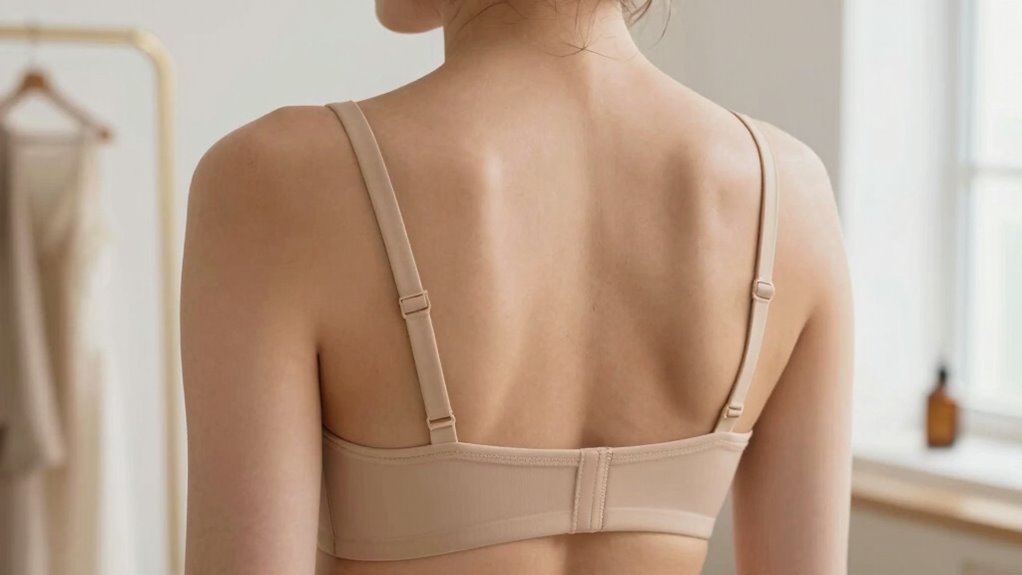
In some situations, thin straps can feel more comfortable, especially during light activities or short durations. They put less strain on your shoulders and often offer a better fit without digging in. If you’re moving around less or only wearing the garment briefly, thin straps might be your best option. Exploring hidden foodie spots in Southeast Asia can also mean packing light and choosing comfortable clothing options suited for casual outings.
Light Activities, Less Strain
Thin straps can often be more comfortable during light activities because they exert less pressure on your shoulders and don’t restrict movement as much as wider straps. When you’re doing casual errands, walking, or low-impact yoga, thin straps help you stay comfortable without feeling bulky. They also offer greater fashion versatility, easily pairing with various outfits for a more relaxed look. Plus, during light activities, your sports performance isn’t hindered by the straps, allowing for natural movement. Consider these benefits:
- Reduced shoulder strain for prolonged wear
- Easier to layer with other clothing
- Less restrictive, encouraging free movement
For casual, low-impact tasks, thin straps deliver comfort without sacrificing style or functionality. They’re ideal when minimal strain and maximum ease are your priorities. Additionally, the cultural significance of traditional Indonesian masks highlights the importance of comfort and craftsmanship, which can inspire the design of fashionable and comfortable accessories today.
Short Durations, Better Fit
When your activities last only a short time, thin straps can often feel more comfortable because they conform better to your movements and don’t cause pinching or digging in. The strap material plays a role—soft, flexible fabrics like silk or satin move smoothly with you, enhancing comfort during quick wear. Additionally, strap color can influence your comfort experience; darker shades tend to hide sweat marks, keeping you feeling fresh. Thin straps distribute pressure less intensively, making them ideal for brief use when you need a better fit without added bulk. They stay lightweight, avoiding unnecessary tension. Overall, for short durations, choosing a strap material that’s gentle on your skin and a color that suits your activity can considerably improve your comfort. Comfort considerations also highlight the importance of proper strap adjustment to prevent discomfort during brief wear.
What Other Factors Influence Strap Comfort Besides Width?

While strap width plays a significant role in comfort, several other factors can make a big difference in how a strap feels on your shoulder. Material durability guarantees the strap withstands daily wear without losing its shape or comfort. Strap adjustability allows you to find the perfect fit, reducing unnecessary pressure. Additionally, the type of material impacts how the strap distributes weight and resists slipping. Choosing a lightweight fabric can also enhance comfort by reducing overall weight on your shoulder. The type of material influences softness and grip, impacting overall comfort. Focusing on these factors alongside width ensures you select a strap that offers both comfort and longevity, preventing shoulder discomfort and improving your overall experience.
How Do Fabric and Padding Impact Strap Pressure?

The fabric’s thickness and breathability can make a big difference in how comfortable a strap feels against your skin. Thicker or less breathable materials may cause more pressure and discomfort over time. Similarly, padding that is dense and unevenly distributed can either improve comfort or create pressure points, depending on how it’s designed.
Fabric Thickness and Breathability
Fabric thickness and breathability play a crucial role in how comfortable your straps feel throughout the day. Thicker fabric can distribute pressure more evenly, reducing strain on your shoulders, while breathable materials prevent heat buildup and moisture. When choosing straps, consider:
- Lightweight, breathable fabrics that wick away moisture
- Thin fabrics for less bulk and enhanced flexibility
- Breathable materials that improve airflow, minimizing discomfort
Less breathable or overly thick fabrics may trap heat, causing irritation and increased pressure points. Conversely, breathable fabrics promote air circulation, helping you stay cool and comfortable. The right balance of fabric thickness and breathability ensures your straps feel less restrictive and more comfortable, especially during long wear. Prioritizing these factors helps prevent shoulder pain and enhances your overall experience.
Padding Density and Distribution
Padding density and distribution directly influence how evenly pressure is spread across your shoulders. When strap padding is dense and well-distributed, it cushions your shoulder area, reducing pressure points and discomfort. Thin or uneven padding can create hotspots, leading to pain over time. High padding density ensures that weight is shared more effectively, preventing pressure from concentrating on specific spots. Conversely, inadequate padding causes the strap to dig in, especially if the padding is uneven, making long wear uncomfortable. Properly distributed padding not only enhances comfort but also improves pressure distribution, helping you avoid shoulder strain. Whether you prefer wide or thin straps, paying attention to strap padding density and how it’s arranged will critically impact your overall comfort during extended wear.
How to Test Different Strap Widths to Find Your Perfect Fit

Wondering how to determine which strap width feels best on your shoulders? To find your ideal fit, test different widths by adjusting strap length and observing how they sit. Pay attention to strap adjustability—making sure straps stay snug without digging in. Proper strap positioning is key: straps should sit comfortably on your shoulders, not too tight or loose. Try these tips:
- Switch between wide and thin straps during wear sessions
- Adjust strap length for bestcomfort and support
- Notice how each strap width distributes weight on your shoulders
Common Mistakes That Lead to Shoulder Pain From Bras
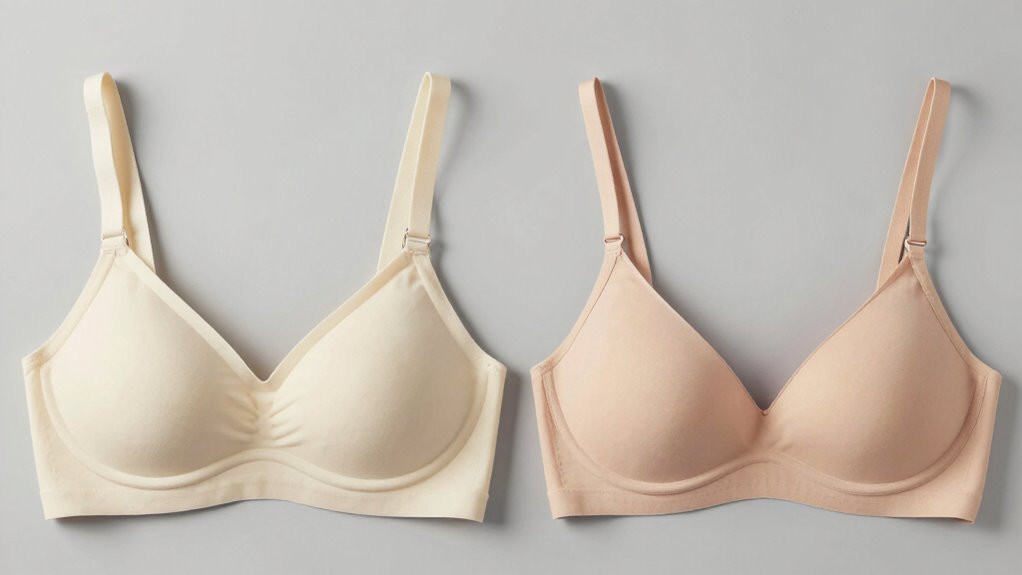
Many common mistakes in bra fit can cause shoulder pain, often because the straps aren’t properly adjusted or positioned. Using the wrong strap material, like stiff or poorly elasticized straps, can increase discomfort by chafing or digging into your shoulders. Additionally, neglecting strap adjustability leads to problems; if your straps aren’t adjustable, they may be too tight or too loose, putting unnecessary pressure on your shoulders. Over-tightening straps can restrict movement and cause soreness, while loose straps won’t provide enough support, forcing your shoulders to compensate. Ensuring your straps are made of soft, flexible material and that they’re easily adjustable helps distribute weight evenly and reduces strain. Proper fit and tailored strap length are key to preventing shoulder pain and enhancing comfort.
Should You Choose Wide or Thin Straps for Your Shoulder Health?

Choosing between wide and thin straps can markedly impact your shoulder health, as the width influences how weight is distributed and pressure is applied. Wider straps generally distribute weight more evenly, reducing strain, while thinner straps concentrate pressure on smaller areas. When selecting, consider:
- Strap material: softer materials like padded or cushioned straps lessen discomfort.
- Strap adjustability: adjustable straps help you find the perfect fit, preventing unnecessary tension.
- Your shoulder sensitivity: if you have existing shoulder issues, wider straps with better weight distribution tend to be more comfortable.
Ultimately, the decision depends on your comfort preferences and shoulder health needs. Opting for wider, adjustable straps made from gentle materials can help minimize pain and support better posture throughout the day.
Frequently Asked Questions
Can Adjustable Straps Improve Shoulder Comfort Regardless of Width?
Yes, adjustable straps can improve shoulder comfort regardless of width. When you customize the strap length, you distribute weight evenly, reducing pressure points. Choosing a strap color that complements your outfit or adding strap embellishments can also enhance comfort by making the straps feel more supportive and personalized. Adjustability allows you to find the perfect fit, preventing shoulder strain and ensuring all-day comfort, whether your straps are wide or thin.
How Does Strap Material Influence Shoulder Pressure?
Strap material greatly influences shoulder pressure through its elasticity and padding thickness. If the material is stretchy, it distributes weight more evenly, reducing pressure points. Thicker padding adds extra cushioning, preventing discomfort. On the other hand, stiff or thin materials can cause pinching or digging into your shoulder. Choosing a strap with good elasticity and ample padding guarantees better weight distribution, making your shoulders feel less strained and more comfortable throughout the day.
Are There Specific Activities Where Strap Choice Matters More?
Yes, strap choice really matters in activities like sports performance and during fashion trends. For high-impact sports, wide straps distribute pressure better, reducing shoulder strain and boosting comfort. When you’re focusing on style, thin straps are trendy but can cause discomfort over time. So, for active performance, opt for wider straps to protect your shoulders, while for casual wear, thin straps offer a sleek look without sacrificing all comfort.
Do Strap Placement and Design Affect Shoulder Pain?
Think of strap placement and design as the guiding hands on your shoulder’s delicate sculpture. Contrary to strap width myths, your shoulder anatomy truly influences comfort—narrow straps can dig into bones, while wider ones distribute weight more evenly. Proper placement reduces strain, preventing discomfort. So, choose straps that align with your shoulder’s natural contours, allowing your posture to stay graceful and pain-free, like a dancer on stage.
Can Custom-Made Bras Better Address Individual Shoulder Needs?
Yes, custom-made bras can better address your individual shoulder needs. By tailoring strap width and adjusting for proper shoulder alignment, they reduce pressure points and discomfort. Custom fitting ensures the straps support your shoulders correctly, preventing pain and improving posture. You get a personalized solution that accounts for your unique body shape, making it easier to find comfort and avoid strain, unlike standard bras with fixed strap designs.
Conclusion
Did you know that wearing the right strap width can reduce shoulder pain by up to 30%? Choosing between wide and thin straps isn’t just about style—it’s about your comfort and shoulder health. By understanding how strap support and fabric impact pressure, you can find the perfect fit. Don’t settle for discomfort—test different options and make informed choices. Your shoulders will thank you for it!
Columbus Day / Indigenous Peoples' Day Picks
long weekend sales
As an affiliate, we earn on qualifying purchases.