TL;DR

Get your wardrobe favorites delivered free with Prime
- Fast, free delivery on millions of items
- Prime Video, Amazon Music and more included
- Member-only deals all year
Who What Wear has published a winter 2026 fashion report identifying six low-effort, Scandinavian-inspired trends: fur-trimmed longline coats, V-neck sweaters, column skirts, drawstring pouches, fringe shawls and knee-length skirts. The article is a style edit, not a report of a runway announcement or independently measured trend data; how widely these looks will be adopted remains unknown.
Who What Wear has published a winter 2026 style report recommending six Scandinavian-inspired trends intended to make cold-weather dressing simpler: fur-trimmed longline coats, V-neck sweaters, column skirts, drawstring pouches, fringe shawls and knee-length skirts. The article offers outfit ideas and product examples, but does not present sales figures or evidence that the styles are gaining market-wide popularity.
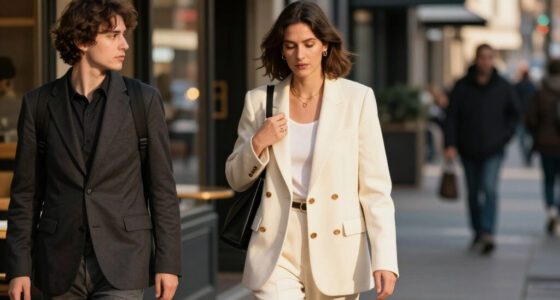
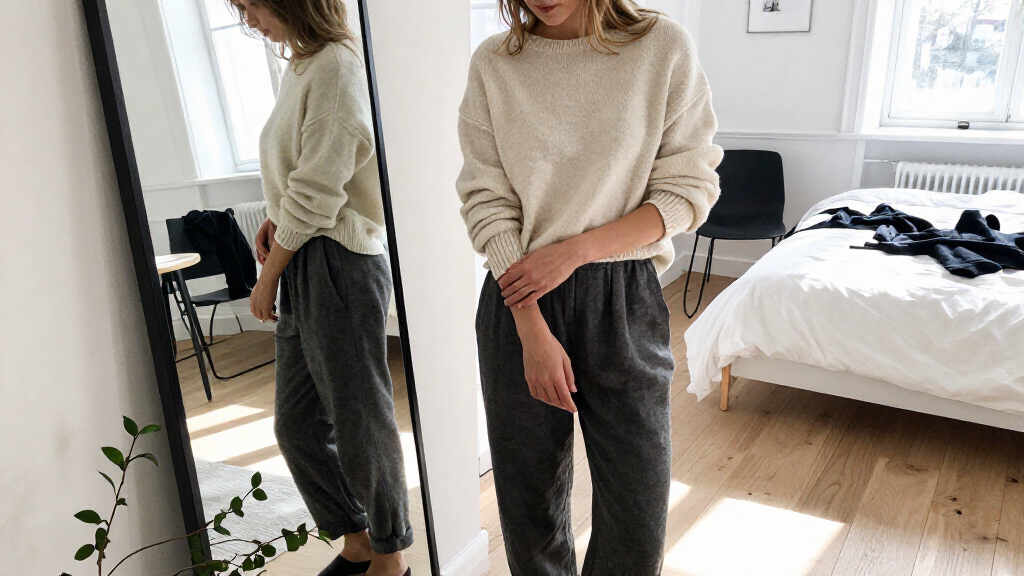
The report frames the six looks as easy outfit choices for mornings when the writer wants to spend less time deciding what to wear. Its approach draws on a limited color palette, layering, texture and color blocking, which the writer associates with Scandinavian style. These are the article’s fashion observations, rather than findings from a survey or industry data.
For outerwear, the report recommends a fur-trimmed longline coat as a single piece that can shape a winter outfit. It also points to V-neck sweaters, particularly cashmere styles, as an option for wearing with everyday separates. The article lists products from brands including Nour Hammour, Mango, J.Crew and Aritzia; the selections are shopping suggestions, not endorsements of a particular fit or quality.
The remaining suggestions range from column skirts and knee-length skirts to small accessories and layering pieces. The report describes a satin drawstring pouch as a compact alternative to a larger bag and a fringe shawl as a textured layer that can be worn over jeans or a dress. For a winter outfit built around a knee-length skirt, it suggests tights and a high-vamp pump. The styles can be adapted to different budgets and wardrobes; sizing and fit vary by brand.
Six Shortcuts for Winter Dressing
The report’s value for readers is practical rather than a claim that a new fashion movement has been established: it gathers six separate pieces into a usable winter checklist. A long coat, sweater or shawl can serve as the central layer, while skirts and a small pouch offer alternatives to familiar jeans-and-knit combinations. Readers can use the ideas without buying every item or reproducing the suggested outfits exactly.
Its emphasis on repeating simple outfit formulas also reflects a broader appeal of minimal dressing: fewer pieces can be combined in multiple ways. Still, the article does not provide price comparisons, durability testing or evidence about consumer demand. The specific brands and products are examples from the source’s shopping edit, not a guarantee of availability or suitability.
Popular right now

Ninja CREAMi 7-in-1 Ice Cream Maker, NC301

Jura E6 Automatic Espresso Machine, Piano Black (15622)

Bose QuietComfort Wireless Noise-Cancelling Headphones, Petal Pink
As an affiliate, we earn on qualifying purchases.
How the Report Defines Scandi Style
The source is a Who What Wear shopping and trend report titled “Lessons in Simplicity: 6 Low-Effort Scandi Trends that Look Exceptionally Sleek.” Its writer describes preferring quick outfit formulas such as a sweater with jeans or a blazer with trousers, especially as colder weather and longer nights arrive. That personal preference supplies the article’s rationale for focusing on low-effort dressing.
The report associates Scandinavian-inspired outfits with layering, restrained colors and texture, while also mentioning color blocking. It draws examples from Stockholm and Oslo, but does not cite designers, street-style research or a trend-tracking service. Its six selections should therefore be read as editorial recommendations for winter 2026, not a comprehensive account of what people in Scandinavia are wearing.
“Lately, I’ve favored low-lift outfit formulas, say, a sweater-and-jeans or blazer-and-trousers.”
— Who What Wear report author
What the Trend Edit Cannot Confirm
The source does not say when the report was published, how the six trends were selected or whether the pieces reflect sales, runway analysis or consumer research. It also does not establish how widespread any of the looks are in Scandinavia or elsewhere. The wording presents them as the author’s recommendations, so claims about growing popularity should not be inferred from the article alone.
Product prices, stock levels and size ranges may change, and the source provides no independent assessment of materials, construction or fit. Availability and sizing vary by brand; readers should check current retailer details before making a purchase.
How to Use the Winter Edit
The report does not announce a forthcoming event or next industry milestone. Its next step for readers is simply to apply the suggestions: choose one piece already suited to their wardrobe, then build a practical outfit around it. A coat or V-neck knit can pair with familiar trousers, while a skirt can be layered with tights and a warm top.
Readers interested in shopping the examples can check the brands and retailers named in the source for current availability, prices and sizing. Whether these six looks become broader winter trends remains to be seen; the article itself offers no later sales data or follow-up forecast.
Key Questions
What are the six trends in the report?
They are fur-trimmed longline coats, V-neck sweaters, column skirts, drawstring pouches, fringe shawls and knee-length skirts.
No. The article presents editorial observations and shopping suggestions. It does not cite sales data, surveys or research measuring how widely these styles are worn.
What does the report mean by low-effort dressing?
It refers to simple outfit formulas, such as pairing a sweater with jeans, and using a few versatile pieces to reduce the time spent choosing an outfit.
Do readers need to buy the listed products?
No. The named items are examples in the shopping edit. Readers can adapt the ideas with pieces they already own, while checking each brand’s current prices, availability and sizing if they shop.
Source: whowhatwear.com