
TL;DR
Prime for Young Adults — start your free trial
Fast free delivery, streaming and member deals for eligible 18–24 year olds.
Try it freeAs an affiliate, we earn on qualifying purchases.
A individual conducted a 40-day personal trial to assess if calming fragrances improve sleep quality. Results indicate some positive effects, though scientific consensus remains pending. The study highlights potential benefits but also underscores the need for more rigorous research.
An individual conducted a personal experiment over 40 days to evaluate whether using calming fragrances, such as lavender, can improve sleep quality. The results suggest a potential benefit, making this a noteworthy contribution to the ongoing discussion about alternative sleep aids.
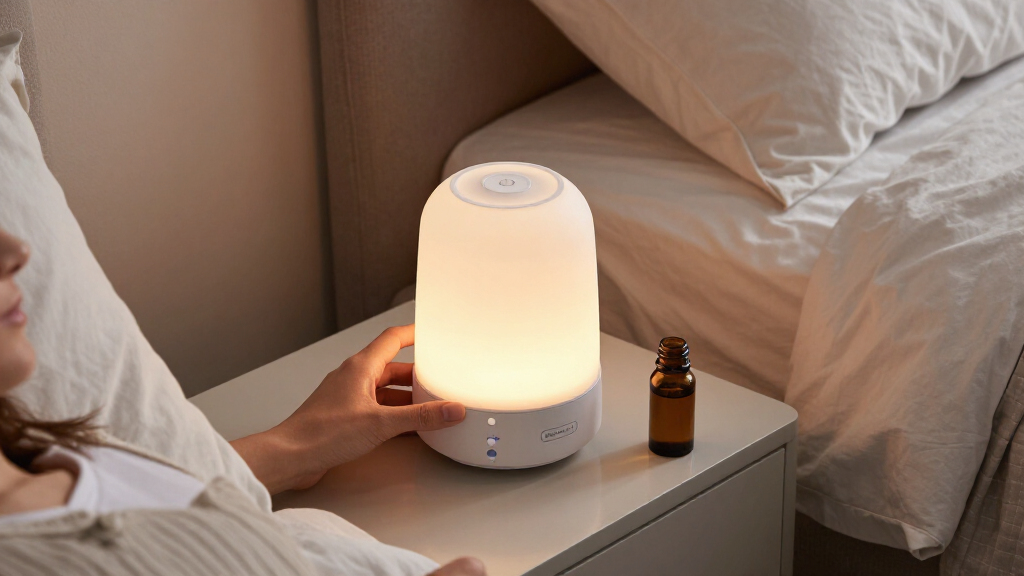
The experiment involved the participant applying lavender and other calming scents to their sleep environment nightly. Sleep quality was monitored through a combination of sleep tracking devices and personal observations. The individual reported improvements in sleep onset time and overall restfulness on nights when fragrances were used consistently. While these findings are encouraging, they are based on a single person’s experience and lack scientific controls. Experts caution that individual results may vary and that placebo effects cannot be ruled out. Researchers note that some studies have shown aromatherapy, particularly lavender, may promote relaxation and improve sleep, but definitive evidence remains limited.Potential Implications of Fragrance Use for Sleep Improvement
This personal study adds to a growing body of anecdotal evidence suggesting that certain scents, especially lavender, may support better sleep. If validated by larger, controlled studies, aromatherapy could offer a non-invasive, accessible option for individuals struggling with sleep issues. However, the current findings are preliminary, and health professionals advise caution before making definitive claims. The study underscores the importance of exploring alternative sleep aids amid rising concerns about sleep medication dependency and side effects.As an affiliate, we earn on qualifying purchases.
Current Scientific Understanding of Aromatherapy and Sleep
Previous research on aromatherapy has produced mixed results. Some clinical trials indicate that lavender scent can reduce sleep latency and improve sleep quality, especially in populations with sleep disturbances. However, many studies are small-scale or lack rigorous controls, leading to inconclusive evidence. The popularity of scent-based sleep aids has increased in recent years, driven by consumer interest in natural remedies. This personal experiment aligns with ongoing scientific efforts to better understand how fragrances might influence sleep, but definitive conclusions are still pending.“While some evidence suggests lavender can promote relaxation, individual responses vary, and more rigorous research is needed to confirm its effectiveness for sleep improvement.”
— Dr. Emily Carter, sleep specialist
As an affiliate, we earn on qualifying purchases.
Limitations and Unanswered Questions in Fragrance and Sleep Research
It remains unclear whether the observed benefits are due to the fragrances themselves or placebo effects. The study lacked a control group and was based on a single individual, limiting generalizability. Additionally, the optimal types and concentrations of scents for sleep are not well-established, and individual sensitivities vary. Further scientific research, including randomized controlled trials, is needed to determine the true efficacy and safety of aromatherapy for sleep enhancement.
As an affiliate, we earn on qualifying purchases.
Next Steps for Scientific Validation of Aromatherapy’s Sleep Benefits
Researchers are likely to pursue larger, controlled studies to test the effects of specific fragrances on sleep quality across diverse populations. Sleep product companies may also explore scent-based aids with more rigorous testing. For consumers, health professionals recommend approaching aromatherapy as a complementary option, not a substitute for evidence-based treatments, until more definitive data becomes available. The ongoing exploration aims to clarify which scents, if any, can reliably support better sleep.
As an affiliate, we earn on qualifying purchases.
Key Questions
Can using fragrances really improve sleep quality?
Some studies and anecdotal reports suggest certain scents like lavender may promote relaxation and help with sleep, but scientific evidence is still limited. More research is needed to confirm these effects.
How reliable are personal experiments like this one?
Personal trials can provide insights but lack scientific controls and are subject to biases such as placebo effects. They should not replace clinical evidence.
What scents are most commonly associated with sleep benefits?
Lavender is the most studied and widely used scent for sleep support, but other fragrances like chamomile and bergamot are also popular in aromatherapy.
Are there any risks to using fragrances for sleep?
Most fragrances are safe when used appropriately, but some individuals may experience allergic reactions or sensitivities. It’s advisable to test scents in small amounts and consult healthcare providers if in doubt.
Will this personal study lead to scientific confirmation?
While it adds anecdotal support, larger, controlled studies are necessary to establish definitive evidence of efficacy. Researchers are likely to pursue such investigations in the future.
Source: rss
NFL season / tailgating Picks
team gear
As an affiliate, we earn on qualifying purchases.


