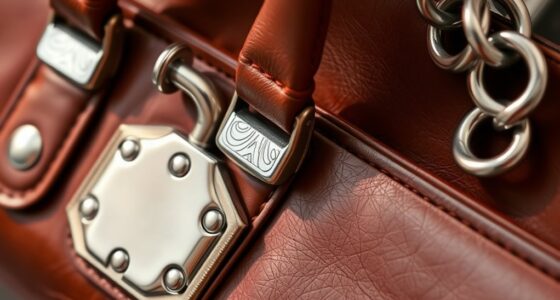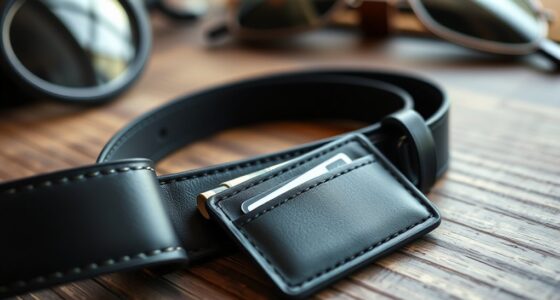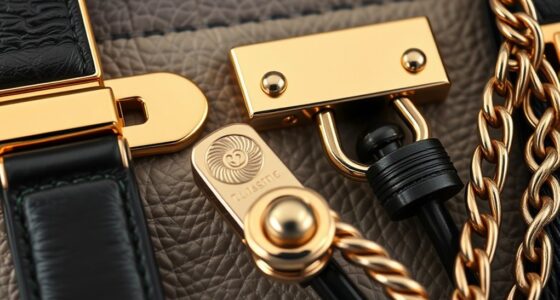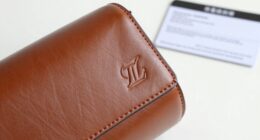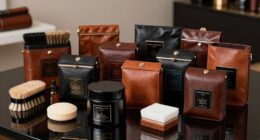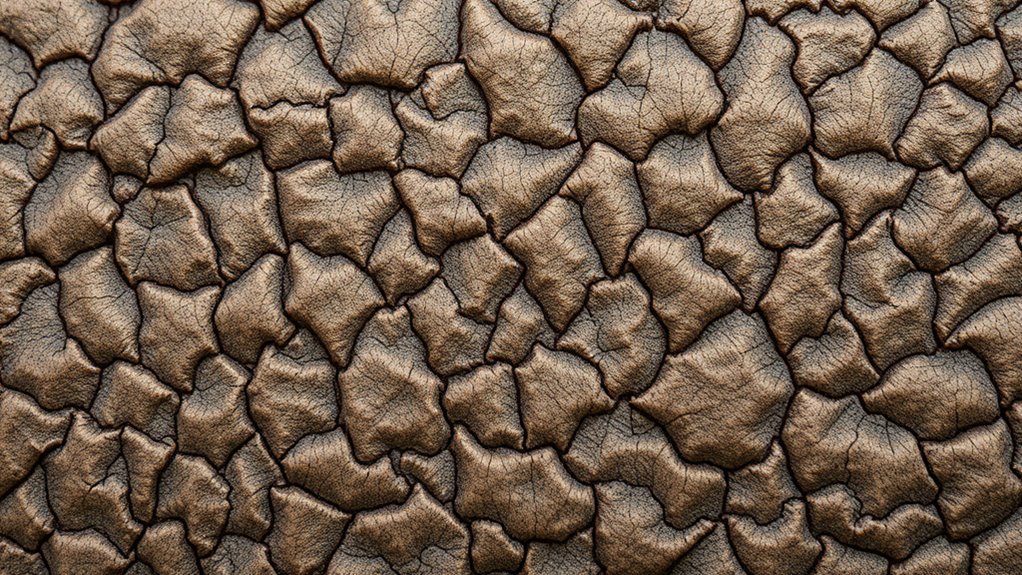
Mushroom leather is a sustainable material made from the root-like structures of fungi called mycelium. It’s cultivated in controlled environments, grown into dense mats, then processed and treated to resemble genuine leather in look and feel. This vegan, cruelty-free alternative reduces environmental impact by avoiding animal farming and harmful chemicals used in traditional leather production. If you want to discover more about how mushroom leather is shaping sustainable fashion, keep exploring this innovative material.
Key Takeaways
- Mushroom leather is a vegan, biodegradable material made from the mycelium root structure of fungi.
- It is cultivated by growing mycelium in controlled environments to form dense, leather-like mats.
- Mushroom leather mimics the look and feel of genuine leather, suitable for fashion items like bags and shoes.
- It offers an eco-friendly alternative, reducing reliance on animal leather and harmful chemicals.
- As a sustainable innovation, mushroom leather supports ethical fashion and environmental conservation efforts.
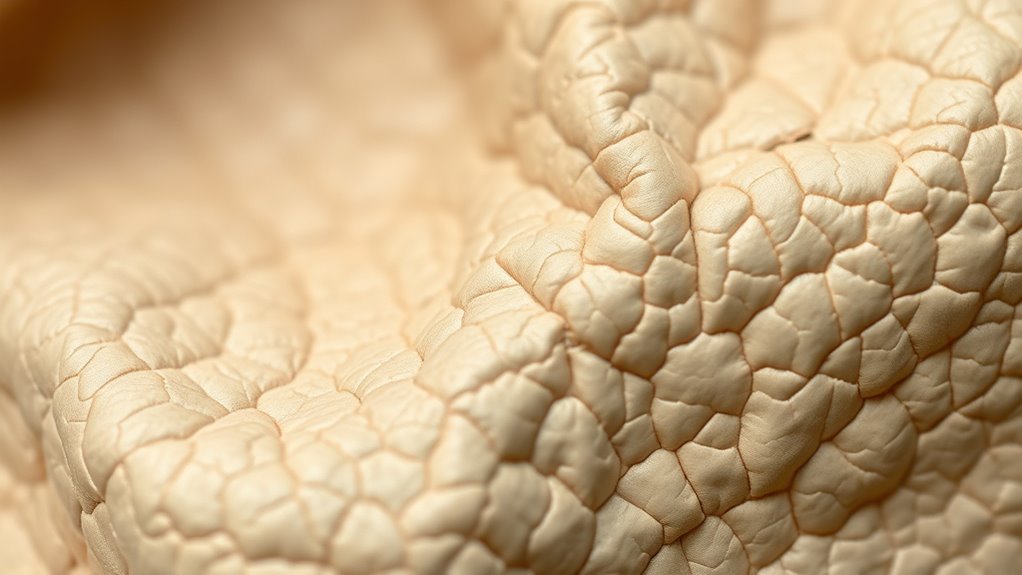
Have you ever wondered what mushroom leather is and why it’s gaining popularity? If you’re interested in sustainable fashion, you might have heard about it as a promising vegan alternative to traditional leather. Mushroom leather is made from mycelium, the root structure of fungi, which is cultivated and processed into a material that looks and feels like genuine leather. Its rise in popularity is driven by the growing demand for environmentally friendly fashion options, especially among consumers seeking cruelty-free and sustainable choices. Unlike animal leather, mushroom leather doesn’t require raising livestock, which *substantially* reduces the ecological footprint associated with traditional leather production. This makes it an attractive option for those committed to reducing their impact on the environment while still enjoying stylish, durable accessories.
Mushroom leather is a sustainable, cruelty-free alternative made from mycelium that reduces environmental impact.
The process of creating mushroom leather involves harvesting mycelium spores and growing them in controlled environments, where they develop into dense mats. These mats are then harvested, cleaned, and treated with natural or non-toxic chemicals to enhance durability and appearance. The result is a versatile material that can be dyed, textured, and finished to resemble leather, yet it remains biodegradable and more sustainable overall. Because mycelium grows quickly and requires minimal resources—such as water, land, and energy—mushroom leather offers a compelling alternative for eco-conscious fashion brands and consumers alike. Its ability to be produced locally or on a small scale also reduces transportation emissions, making it an even more sustainable choice.
When it comes to vegan alternatives, mushroom leather stands out because it sidesteps the ethical concerns linked to animal agriculture and leather farming. It provides a cruelty-free option that aligns with the values of vegans and others who want to avoid animal products. Not only does it eliminate the need for slaughter, but it also avoids the harmful chemicals often used in traditional leather tanning processes. As a result, mushroom leather is increasingly integrated into a variety of fashion items—from bags and shoes to jackets and accessories—appealing to those seeking cruelty-free, innovative materials. Its soft texture and durability make it suitable for everyday wear, and its sustainable credentials appeal to environmentally conscious consumers who want to make better choices without sacrificing style. Additionally, ongoing research into production techniques is further enhancing the quality and scalability of mushroom leather.
In essence, mushroom leather represents the future of sustainable fashion, blending ecological responsibility with innovative material science. It’s a vegan alternative that’s not only kinder to animals but also kinder to the planet. With ongoing advancements in production techniques and growing consumer awareness, mushroom leather is poised to become a mainstream material, helping reshape the fashion industry towards a more sustainable and ethical path.

The Sak Sequoia Hobo Bag in Leather, Single Shoulder Strap, Mushroom Suede
STYLISH & SPACIOUS: The Sak Sequoia Hobo Bag is easy to carry and fits all of your everyday…
As an affiliate, we earn on qualifying purchases.
As an affiliate, we earn on qualifying purchases.
Frequently Asked Questions
Is Mushroom Leather More Eco-Friendly Than Traditional Leather?
Yes, mushroom leather is more eco-friendly than traditional leather. Its environmental impact is lower because the production process uses less water, energy, and chemicals, reducing pollution. Plus, it’s made from mycelium, which grows quickly and requires minimal resources. By choosing mushroom leather, you help decrease deforestation and animal cruelty, making it a sustainable alternative that benefits the environment and supports eco-conscious choices.
How Durable Is Mushroom Leather Compared to Animal Leather?
You’ll find that mushroom leather is generally less durable than traditional animal leather, but it’s still quite resilient for many uses. Its biodegradability comparison shows it breaks down faster, making it more eco-friendly. While it may lack the same aesthetic appeal and aging process of animal leather, mushroom leather offers a modern, sustainable alternative that’s suitable for fashion and accessories, especially if you prioritize environmental impact over long-term durability.
Can Mushroom Leather Be Used for All Types of Products?
You can definitely use mushroom leather for many products, but it’s not a one-size-fits-all solution. Its versatility rivals that of traditional leather, yet some delicate items like intricate jewelry might not accommodate it. Thanks to sustainable sourcing and a favorable cost comparison, mushroom leather is a smart choice for eco-conscious designs. However, consider its durability and specific product needs to ensure it’s the perfect fit for your project’s goals.
Is Mushroom Leather Suitable for Vegan Consumers?
Yes, mushroom leather is suitable for vegan consumers because it’s a popular vegan alternative to traditional leather. It appeals to those interested in sustainable fashion, as it’s environmentally friendly and cruelty-free. By choosing mushroom leather, you support ethical shopping and reduce animal harm. It’s a versatile, stylish option that aligns with your values, making it an excellent choice for anyone seeking sustainable fashion without compromising on quality or style.
What Are the Main Disadvantages of Mushroom Leather?
The main disadvantages of mushroom leather include its environmental impact and cost considerations. You might find that producing mushroom leather requires significant resources, potentially contributing to environmental concerns. Additionally, it can be more expensive than traditional materials due to limited production scale and processing costs. You should weigh these factors against its eco-friendly benefits, as higher costs and environmental impacts can influence your decision on adopting mushroom leather for your needs.

Crocs Men's Yukon Vista II LiteRide Clogs, Espresso/Mushroom, 11 Men
OFF THE BEATEN PATH: Think of the traditional Crocs Classic Clog with refreshed styling and stitching details. The…
As an affiliate, we earn on qualifying purchases.
As an affiliate, we earn on qualifying purchases.
Conclusion
Think of mushroom leather as a seed of change, growing from humble fungi into a symbol of sustainable innovation. Just as mushrooms thrive quietly beneath the surface, this material quietly transforms fashion and design with eco-conscious roots. Embrace it as a reminder that small, thoughtful choices can sprout into a greener future. Like a mushroom emerging after rain, your support can help foster a world where nature and creativity flourish side by side.

Kelvoris Mushroom Moon Night Small Rfid Women Wallet Bifold Zipper Coin Pocket PU Leather Compact Cash Credit Card Holder Travel Wallet for Female Ladies Teen Girls 1 ID Window 10 Card Slots
Stylish Bifold Design: Combining various colors and mushrooms patterns, this compact ladies wallet features a secure bifold structure…
As an affiliate, we earn on qualifying purchases.
As an affiliate, we earn on qualifying purchases.

Bello vita Women's 2026 Fashion Oversized Bomber Jacket – Faux Leather Casual Travel Outfit Coat
Oversized Motorcycle Bomber Jacket – Crafted from luxuriously soft faux leather that's lightweight and durable for everyday wear….
As an affiliate, we earn on qualifying purchases.
As an affiliate, we earn on qualifying purchases.