
TL;DR

Get your wardrobe favorites delivered free with Prime
- Fast, free delivery on millions of items
- Prime Video, Amazon Music and more included
- Member-only deals all year
The supplied material is a shopping guide to sustainable handbag brands and materials, not a report on a newly announced Fall 2026 collection. It highlights options including HYER GOODS and Cuyana, while recommending shoppers examine materials, labor practices, durability and relevant certifications.
The supplied sustainable handbag guide names no Fall 2026 collection or seasonal trend forecast, but it outlines brands and material choices for shoppers considering a purse for the season. The Good Trade lists options including upcycled-leather bags from HYER GOODS and leather styles from Cuyana, and advises buyers to weigh sourcing, construction, labor practices and price rather than rely on a seasonal label alone.
The guide says its editors selected brands after wearing and researching products and reviewing customer feedback. Its stated criteria include sustainable materials, durable construction, affordability and ethical production. The publication also discloses that it may earn commissions from purchases made through some links, a commercial relationship readers should keep in mind when using its recommendations.
Among the featured brands, HYER GOODS is presented as an upcycled-leather option. The guide says the company makes pieces from surplus leather and textiles and gives a price range of $165 to $355. It reports that the brand moved its supply chain to Italy and donates 1% of monthly profits to organizations including Everytown for Gun Safety, the Malala Fund and Transanta. Those details are attributed to the guide; the supplied material does not include independent verification of the brand’s practices.
Cuyana is described as offering artisan-made leather bags, including options with monogramming, with a listed price range of $128 to $548. The guide identifies recycled materials and OEKO-TEX certification among its attributes. The source text ends partway through its description of Cuyana, so it does not provide a complete account of the brand’s products or policies.
A practical buying guide · Fall 2026
Which Sustainable Purses Suit Fall 2026?
Short answer: the supplied guide names no Fall 2026 collection or trend forecast. It offers brand leads and shopping criteria instead: compare materials, construction, labor information, durability and product specific certifications before buying.
Two examples to research
The source describes different approaches to materials and production. Treat these as starting points for checking current product pages, not as a complete market comparison.
HYER GOODS
The guide says the brand uses surplus leather and textiles, and reports that its supply chain moved to Italy. It also says the company donates 1% of monthly profits to organizations including Everytown for Gun Safety, the Malala Fund and Transanta.
Cuyana
The excerpt describes artisan-made leather bags, including monogrammable options, and identifies recycled materials and OEKO-TEX certification among its attributes. Its description ends partway through, so the brand account is incomplete.
Compare the substance, not just the label
The guide offers material ideas for different preferences. Environmental impact depends on composition, production, durability and how long a bag is used; no single category is always the most sustainable.
Plant fibers
Organic cotton, hemp and linen are suggested for lightweight, casual bags.
Recycled or bio-based
Look for clear material breakdowns, including recycled content such as rPET where relevant.
Leather options
For leather preferences, compare pre-owned pieces with newly made, responsibly sourced leather.
Use and longevity
Check construction, care instructions, capacity and whether the bag fits your daily needs.
Quick claim check: how much product detail can you find?
Use the marker as a reminder to look deeper: the supplied guide gives suggestions, but does not provide a lifecycle analysis, comparative testing or a product level audit.
A four step fall shopping check
The excerpt identifies no launch dates, seasonal styles or current inventory. Verify details close to purchase time.
Check the listing
Confirm current availability, price, dimensions and care instructions.
Read the materials
Look for exact fiber or leather composition and manufacturing details.
Verify the claim
Ask whether a named certification covers this particular bag.
Match your use
Consider capacity, expected wear, repair and how long you will carry it.
Fall 2026 is still an open question
What the guide can answer
Does it name the best purse for Fall 2026?
No. It provides no seasonal ranking or forecast. It names brands and materials shoppers may research.
Which materials are mentioned?
Organic cotton, hemp, linen, recycled materials such as rPET, some bio-based alternatives, and pre-owned or responsibly sourced leather.
Which certifications appear?
GOTS, Global Recycled Standard, OEKO-TEX STANDARD 100, Fair Trade and Leather Working Group. Check product coverage and scope.
What prices are listed?
HYER GOODS: $165–$355. Cuyana: $128–$548. These are the ranges reported in the supplied excerpt and may change.
How to Compare Materials and Claims
The guide’s relevance for fall shoppers is practical rather than trend-driven: a purse’s material, construction and expected lifespan can matter more to its environmental footprint than its seasonal styling. The source suggests organic cotton, hemp and linen for lightweight casual bags, and recycled materials such as rPET or bio-based alternatives for some vegan styles. It also points to pre-owned leather as an option for people who prefer traditional leather.
These are shopping considerations, not proof that one category is always more sustainable. Production methods, material composition, durability and how long a bag is used all affect its impact. Shoppers comparing products can check what a bag is actually made from, whether a brand explains its manufacturing and labor standards, and whether a certification applies to the specific product. Certification names and sustainability language are not interchangeable; the guide provides suggestions but no product-by-product audit.
Price also shapes access. The two featured ranges span from $128 to $548 for Cuyana and $165 to $355 for HYER GOODS, while the source says its wider list includes more affordable options. Because the supplied excerpt does not include those other brands, it cannot establish which lower-priced choices are available or compare their quality.
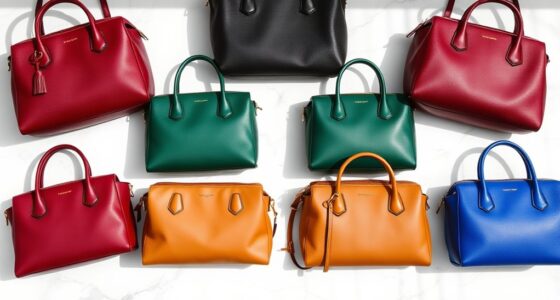
sustainable upcycled leather handbag
As an affiliate, we earn on qualifying purchases.
As an affiliate, we earn on qualifying purchases.
Materials and Certifications in the Guide
The source recommends looking for GOTS certification on organic cotton, the Global Recycled Standard for recycled content, and OEKO-TEX STANDARD 100 in relation to harmful substances. For new leather, it names Leather Working Group certification. It also mentions Fair Trade as a standard associated with trading conditions. Buyers should check the scope and product coverage of any certification rather than assume a label applies to every item from a brand.
The guide’s broader list is said to include vegan totes, artisan-made handbags, American-made products and upcycled pieces. It also directs readers interested in second-hand designer bags to Vestiaire Collective. These are categories and recommendations from the source, not an exhaustive market survey. The excerpt provides no comparative testing data, lifecycle analysis or current inventory information for the named brands.
For readers choosing among styles, the source’s material guidance is a starting point: lightweight plant fibers for casual use, recycled or bio-based materials for certain vegan bags, and pre-owned or responsibly sourced leather for leather preferences. Fit and capacity are personal needs; the supplied material does not specify dimensions or suitability for particular uses, such as carrying a laptop.
““I am so glad I got this bag, and it’s perfect for a day or night out.””
— A customer review reproduced in the guide, attributed to Annie
recycled materials eco friendly purse
As an affiliate, we earn on qualifying purchases.
As an affiliate, we earn on qualifying purchases.
What the Fall 2026 Label Leaves Open
No Fall 2026-specific announcement is included: the source gives no launch dates, seasonal collection names, runway references or trend forecasts. It is therefore not possible to say from this material which purse styles will be fashionable in fall 2026, or whether the named products will be in stock then.
The supplied text is also an incomplete excerpt. It cuts off during Cuyana’s brand description and does not include the full list of brands, product specifications or the publication date. The guide’s statements about sourcing, certifications, donations and working conditions are reported as its descriptions; the excerpt does not provide supporting documents, independent audits or responses from the brands. Current prices and product details may change, and sizing or capacity information is not supplied.
As an affiliate, we earn on qualifying purchases.
Check Current Listings Before Buying
Readers considering a purchase for fall should consult each brand’s current product pages for availability, material breakdowns, prices and care instructions. They can also ask whether a certification covers the specific bag and look for clear information about manufacturing locations and labor standards. For leather, the source suggests considering pre-owned options as well as newly made products.
No next seasonal milestone is identified in the supplied material. Until a dated Fall 2026 collection or report is available, the guide can serve as a set of shopping criteria and brand leads—not confirmation of what will be released or in style that season.
As an affiliate, we earn on qualifying purchases.
Key Questions
Does the source identify the best sustainable purse for Fall 2026?
No. It does not provide a Fall 2026 ranking or forecast. It names brands and materials that shoppers may research, including HYER GOODS and Cuyana.
What materials does the guide recommend looking for?
It points to organic cotton, hemp and linen for lightweight bags, recycled materials such as rPET, some bio-based alternatives, and pre-owned or responsibly sourced leather for shoppers who prefer leather.
Which certifications are mentioned?
The guide names GOTS, the Global Recycled Standard, OEKO-TEX STANDARD 100, Fair Trade and Leather Working Group certification. Shoppers should check what each certification covers and whether it applies to the particular product.
What are the listed prices for HYER GOODS and Cuyana?
The source lists HYER GOODS at $165–$355 and Cuyana at $128–$548. These are the ranges given in the supplied text and may not reflect current prices or availability.
Does the guide independently verify the brands’ sustainability claims?
The source says its editors researched products and reviewed customer feedback, and it describes criteria for inclusion. The supplied excerpt does not include independent audits or product-level impact assessments, and it discloses that the publisher may earn commissions through some links.
Source: rss
Halloween Picks
halloween
As an affiliate, we earn on qualifying purchases.