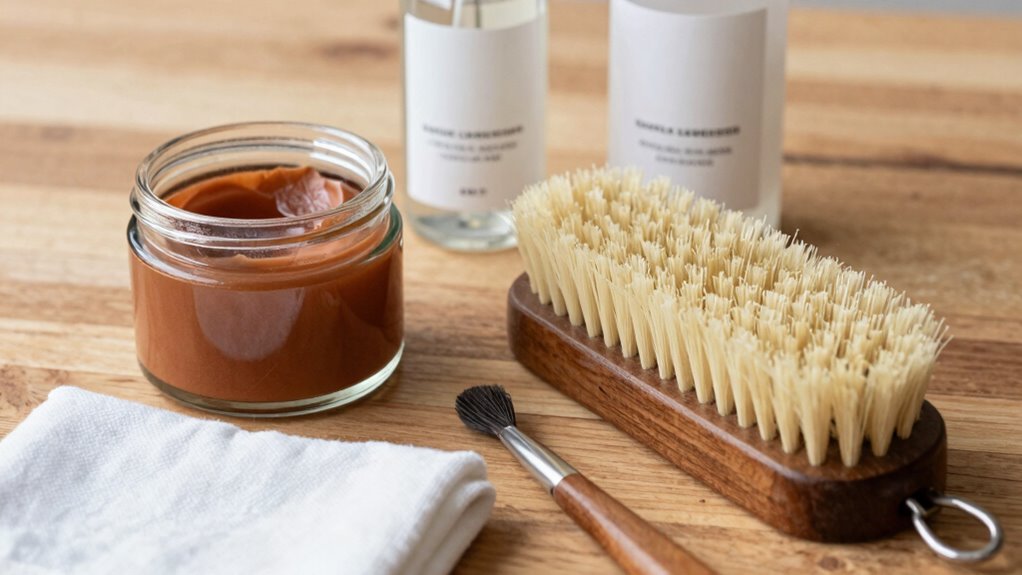
For safe, DIY leather care, start with gentle cleaners, conditioners, microfiber cloths, a leather brush, and protective sprays. Always test products on small, hidden areas first to avoid discoloration or damage. Choose products specifically designed for leather to prevent stiffening or cracking. Regular maintenance, proper storage, and avoiding harsh chemicals are key to extending your leather’s life. Keep exploring for detailed tips and a complete kit list to guarantee your leather stays in top shape.
Key Takeaways
- Use gentle, leather-specific cleaners and conditioners to maintain softness and prevent damage.
- Include soft microfiber cloths, leather brushes, and applicators for safe cleaning and buffing.
- Choose high-quality, chemical-free leather products designed for your leather type to ensure compatibility.
- Store leather items in breathable covers and control environmental factors like humidity and sunlight.
- Avoid harsh household chemicals and over-treatment; test all products on small hidden areas first.

Awaydol 10 PCS Leather Care Kit – Horsehair Brushes,Saddle Soap,Waterproofing Wax,Mink Oil Conditioner,Polishing Cloth,Microfiber cloth,Boot Shoe Shine Cleaning Kit Gift for Men Cowboy Husband Dad
✨Revive & Protect Your Leather: The Awaydol Leather Cleaning Kit is designed to thoroughly cleanse, moisturize,shield, and rejuvenate…
As an affiliate, we earn on qualifying purchases.
As an affiliate, we earn on qualifying purchases.
Why Is a Safe, DIY Approach Best for Leather Care?
Have you ever wondered why a safe, DIY approach is the best way to care for your leather items? Understanding the risks involved is key. When you experiment with harsh chemicals or untested products, unwanted chemical reactions can occur, damaging the leather’s surface or altering its appearance. These reactions might cause discoloration, stiffening, or cracking, which are costly to fix. DIY risks come from using improper cleaning agents or overdoing treatments without proper knowledge. Sticking to gentle, proven methods keeps your leather safe and preserves its quality. A cautious approach minimizes damage and ensures your leather stays beautiful longer. Additionally, understanding material properties helps you select appropriate cleaning and conditioning products, reducing the likelihood of unintended damage. By avoiding risky shortcuts, you protect your investment and enjoy your leather items for years to come.

Chemical Guys Leather Cleaner and Conditioner Kit – 2 Bottles (4 oz Each), Car Cleaner and Conditioner, Safely Cleans & Conditions Leather Car Interiors, Furniture, Shoes, Boots, Bags, Apparel & More
COMPLETE LEATHER CARE KIT (SPI_109_04) – This Chemical Guys kit includes Cleaner and Conditioner, two 4 oz bottles…
As an affiliate, we earn on qualifying purchases.
As an affiliate, we earn on qualifying purchases.
What Supplies Do You Need to Care for Leather at Home?

To properly care for your leather items at home, you’ll need a few essential supplies. These include gentle cleaners, conditioners, and soft cloths to keep your leather looking its best. Having the right tools on hand guarantees you can maintain your leather’s appearance and longevity effectively. Exploring new content formats can also help you stay updated on the best practices for leather care.
Essential Leather Care Supplies
Essential leather care supplies are the foundation for keeping your leather items looking their best. To start, you’ll need quality conditioners and cleaners to maintain suppleness and remove dirt. For color touch-ups or customization, consider leather dyeing supplies, including dyes and applicators. If you want to add decorative details, decorative embossing tools can create unique textures and patterns. Make sure to have soft cloths, brushes, and sponges on hand for even application and blending. Leather protectants are vital to guard against water and stains. Additionally, having a leather-specific adhesive can help with minor repairs. Understanding proper maintenance techniques can extend the lifespan of your leather items significantly. With these supplies, you’ll be prepared to clean, restore, and personalize your leather items safely at home, ensuring they stay durable and beautiful over time.
Tools for Proper Maintenance
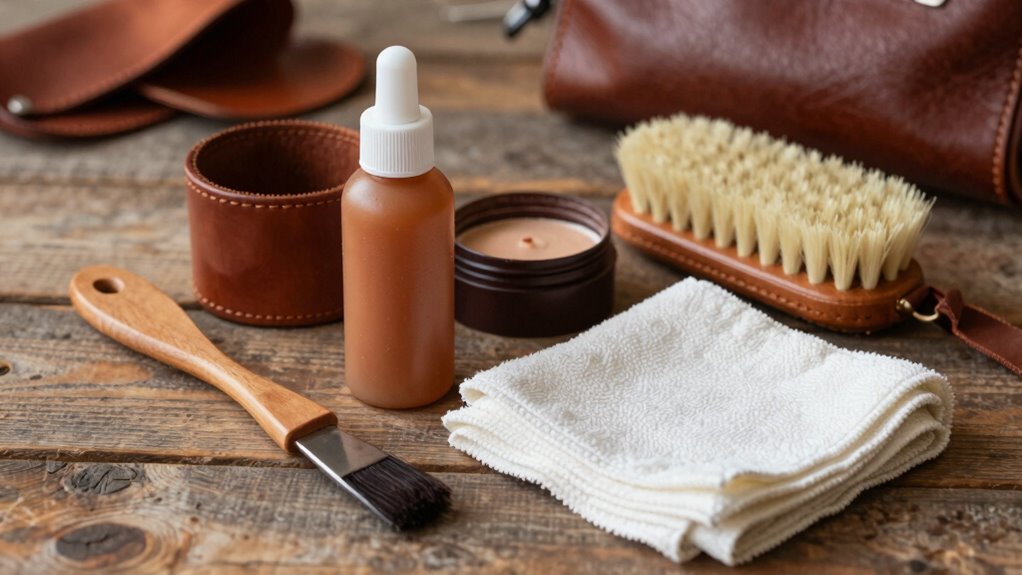
Equipping yourself with the right tools makes maintaining leather at home straightforward and effective. Essential items include soft cloths, brushes, and leather conditioners, which help with cleaning and restoration. These tools ensure you can care for your leather’s appearance and longevity, especially when storing or restoring pieces. Proper leather storage also protects against damage and keeps your leather looking its best. Here’s what you need:
| Tool | Purpose |
|---|---|
| Soft microfiber cloth | Clean and buff leather without scratching |
| Leather brush | Remove dirt and smooth surface during restoration |
| Leather conditioner | Nourish and protect leather from drying out |
Having these tools on hand makes at-home leather care simple and effective. Regular maintenance also supports the leather’s durability, ensuring it remains supple and attractive over time.

Leather Honey Lint-Free Application Cloth: Microfiber Cloth for Use with Leather Conditioner and Cleaner. Made in The USA Since 1968
THE ONLY LEATHER HONEY: For over 50 years, we have been making the best leather care products, including…
As an affiliate, we earn on qualifying purchases.
As an affiliate, we earn on qualifying purchases.
How Do You Choose the Best Leather Cleaner and Conditioner?
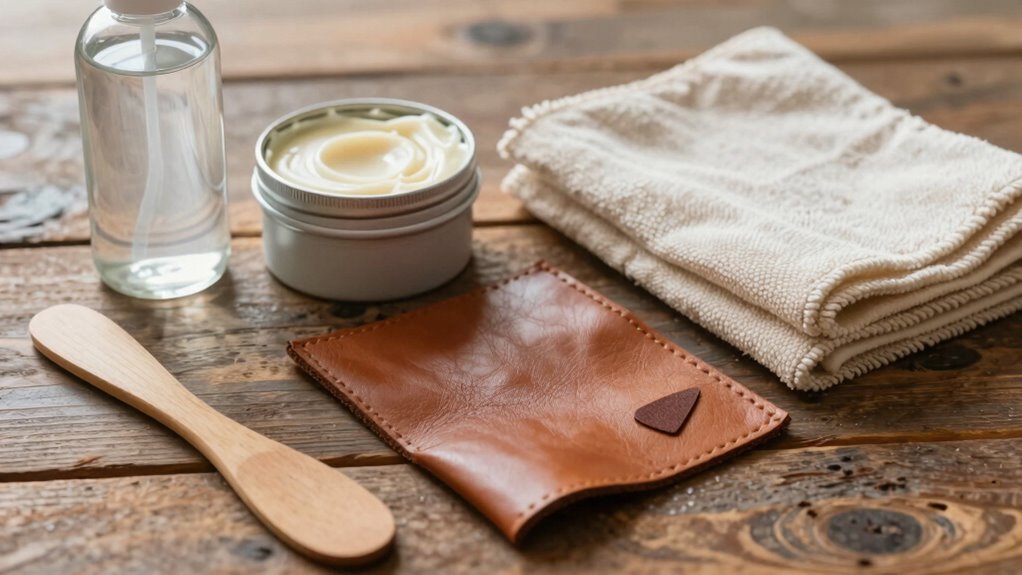
When selecting a leather cleaner and conditioner, you need to contemplate if they’re compatible with your specific leather type. Make sure the products are safe and pure, so they won’t damage or discolor your items. Also, choose options that are easy to apply, so caring for your leather stays simple and effective. Additionally, considering early warning signs can help you detect potential issues early and maintain your leather’s health over time.
Compatibility With Leather Type
Choosing the right leather cleaner and conditioner depends on understanding your leather’s specific type. Genuine leather, for example, benefits from gentle formulas that preserve its natural qualities, while synthetic alternatives, like faux leather, often require different care products. If your leather has been dyed or treated through leather dyeing, look for conditioners that won’t strip or alter the color. Some products are formulated specifically for dyed leather, helping maintain its vibrancy. Conversely, when caring for synthetic alternatives, avoid oils or waxes meant for real leather, as they can damage or stain the material. Matching your cleaner and conditioner to your leather type guarantees proper cleaning without causing harm, preserving the look and feel of your item long-term. Additionally, understanding leather dyeing techniques can help you select products that won’t compromise the coloration or finish of your leather item.
Ingredient Safety and Purity
Selecting the safest and purest leather care products requires paying close attention to ingredient lists. Look for cleaners and conditioners with natural, non-toxic ingredients that won’t compromise your leather’s integrity. Avoid products with harsh chemicals, synthetic fragrances, or dyes that could cause damage. For leather dyeing or restoration, choose products specifically formulated for these purposes and ensure they’re free from harmful additives. Pure ingredients promote better absorption and reduce the risk of discoloration or deterioration. When shopping, read labels carefully and opt for reputable brands known for transparency and safety. This careful selection not only preserves your leather’s appearance but also ensures your DIY process stays safe and effective, giving you peace of mind with every application. Additionally, understanding the cultural significance of craftsmanship can help you appreciate the value of using high-quality, authentic products.
Ease of Application
To guarantee your leather care routine is straightforward and effective, prioritize products that are easy to apply. Look for cleaners and conditioners with clear instructions and simple application techniques. Consider your leather’s texture; smoother surfaces may need gentle, even coatings, while textured leathers might require more careful work to avoid uneven coverage. Choose products that come with applicators or cloths that make spreading and buffing easy. Avoid formulas that demand complex steps or multiple layers, as these can complicate your routine. A user-friendly product saves time and reduces mistakes, ensuring your leather stays well-maintained without frustration. Ultimately, the best leather cleaner and conditioner should feel manageable in your hands and blend seamlessly into your regular cleaning schedule. When selecting products, also consider easy-to-understand instructions, which help ensure proper use and successful results.
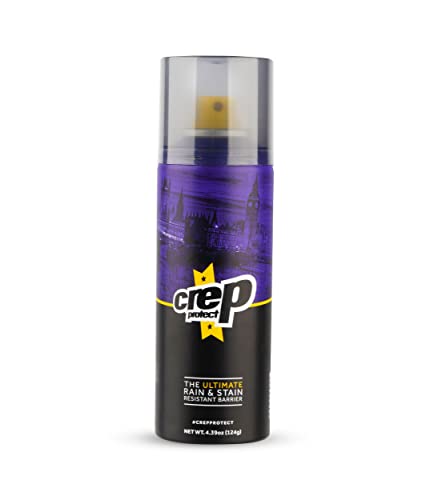
Crep Protect Shoe Protector Spray – Rain & Stain Waterproof Nano Protection for Sneaker, Leather, Nubuck, Suede & Canvas
Invisible shoe Protection – Protect your Sneakers from grime and moisture with your water repellent spray for shoes…
As an affiliate, we earn on qualifying purchases.
As an affiliate, we earn on qualifying purchases.
How Can You Safely Clean and Condition Your Leather Items?
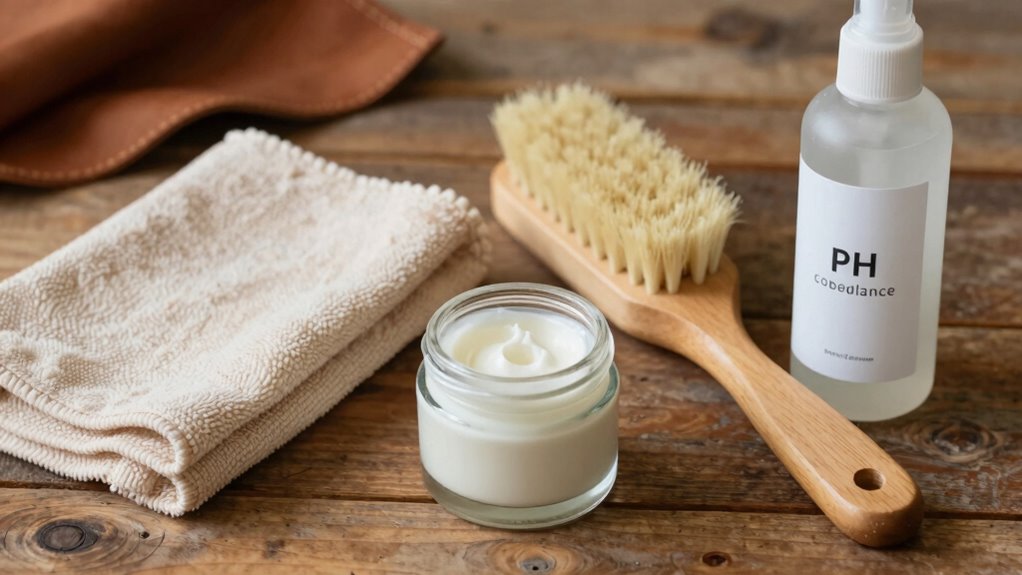
Cleaning and conditioning your leather items safely starts with understanding the importance of gentle, appropriate products. DIY techniques can be effective if you avoid common leather myths that suggest harsh chemicals or over-cleaning. Use a soft cloth or sponge with a mild, leather-specific cleaner to remove dirt and grime—never use household detergents. After cleaning, apply a quality leather conditioner to keep the material supple and prevent cracking. Always test any product on a small, hidden area first to ensure compatibility. Remember, gentle cleaning and regular conditioning extend the life of your leather, so skip aggressive scrubbing. Additionally, maintaining proper air quality considerations can help preserve your leather by reducing dust and airborne pollutants that may settle on the surface. By sticking to these safe practices, you’ll maintain your leather’s appearance and durability without risking damage.
What Are the Best Tips to Prevent Damage and Make Leather Last Longer?
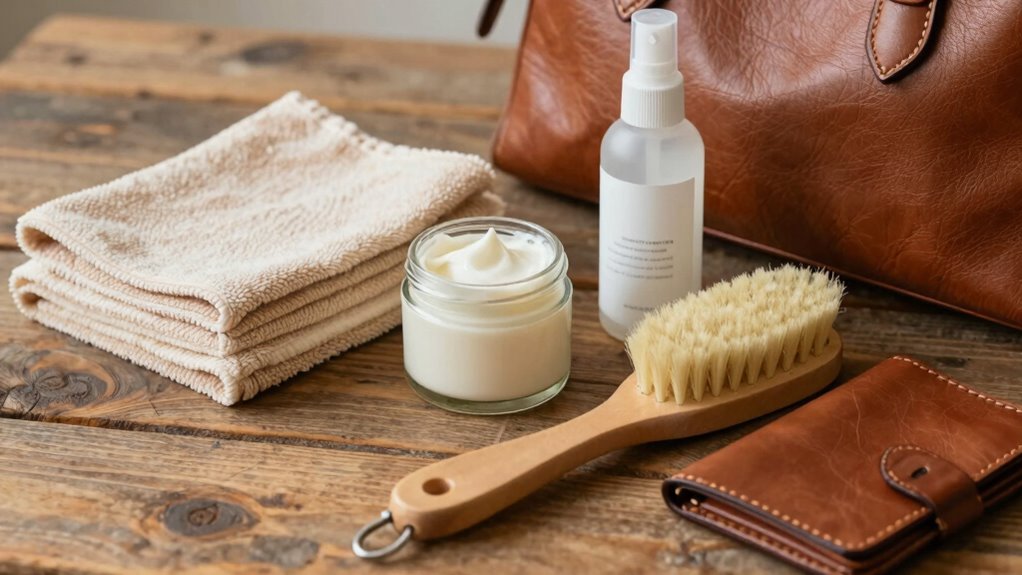
Since leather is a natural material, taking proactive steps can prevent damage and help your items last for years. To avoid leather deterioration and moisture damage, store your leather items properly—keep them in a cool, dry place away from direct sunlight. Regularly conditioning your leather creates a protective barrier against drying out and cracking. Avoid exposure to water and humidity, which can cause swelling or mold. Use the following tips:
| Tip | Benefit |
|---|---|
| Store in breathable bags | Prevents moisture buildup |
| Use a leather protector spray | Shields against stains and water |
Additionally, controlling indoor humidity levels can help maintain leather’s integrity and prevent mold growth, making humidity management an essential part of leather care.
What Common Mistakes Should You Avoid When Maintaining Leather?
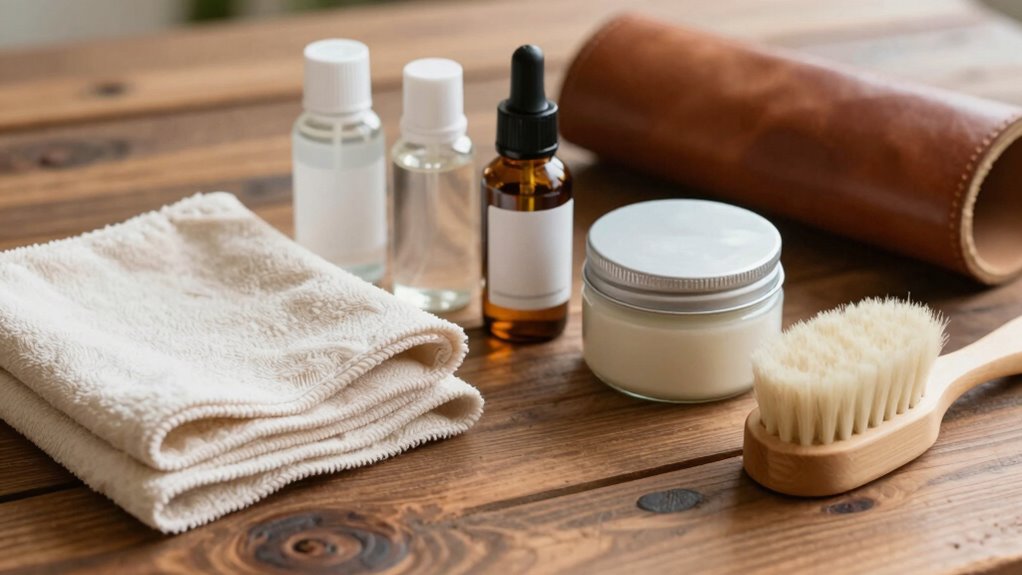
Avoiding common mistakes is key to maintaining your leather items properly. One mistake to watch out for is using harsh chemicals or household cleaners, which can cause leather damage. Always choose gentle, pH-balanced products designed for leather care. Another mistake is over-cleaning or over-conditioning, which can lead to sticky residues or weaken the material. Be cautious with excessive water exposure, as it can cause leather to warp or crack. Avoid direct sunlight and heat sources that can fade or dry out your leather. Also, neglecting to test any cleaner or conditioner on a small area first may result in unwanted discoloration. By steering clear of these common mistakes, you’ll protect your leather from damage and ensure it stays beautiful for years.
When Should You Consider Professional Leather Restoration?
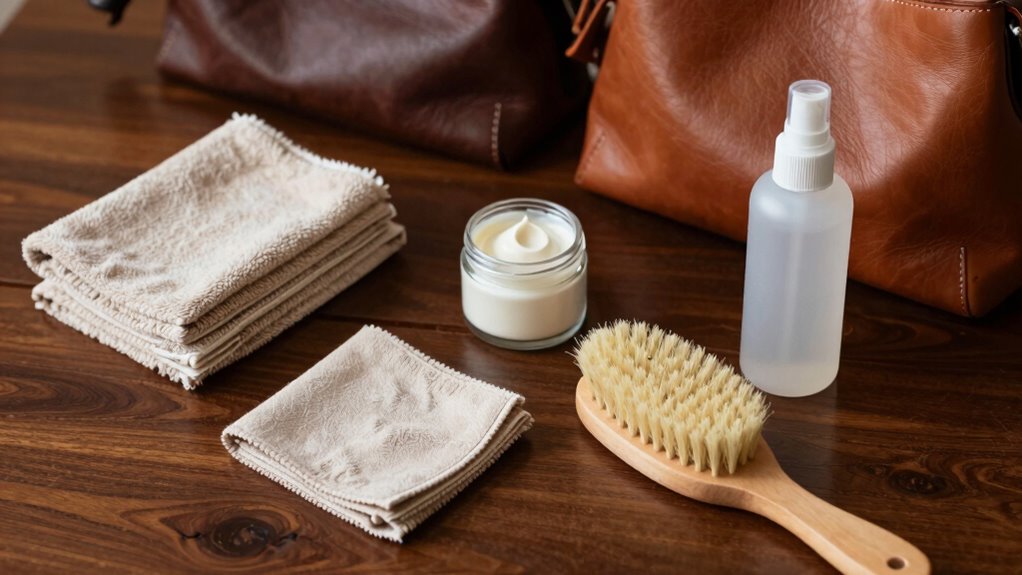
There are times when DIY methods just aren’t enough to restore your leather to its original beauty. If your vintage leather has deep cracks, significant fading, or stubborn stains, professional restoration might be necessary. Exotic leathers, with their delicate finishes and unique textures, often require specialized care beyond at-home treatments. When your leather shows signs of severe wear or damage that DIY products can’t fix, it’s best to consult a professional. They have the expertise and tools to handle intricate repairs and restorations, ensuring your leather retains its value and appearance. Trusting a professional is particularly important for high-end, vintage, or exotic leathers, which can be easily compromised by improper care. Recognizing these signs helps you protect your investment and preserve your leather’s beauty.
Frequently Asked Questions
Can I Use Household Products to Clean Leather Safely?
You can use household cleaning products for leather care, but you need to choose wisely. Avoid harsh chemicals like bleach or ammonia, which can damage the leather. Instead, opt for gentle DIY solutions like a mix of mild soap and water or specialized leather cleaners. Always test a small area first, and never use household products that aren’t meant for leather to prevent staining or cracking.
How Often Should I Condition My Leather Items?
You should condition your leather items every 3 to 6 months to prevent premature leather aging. Regular conditioning keeps the leather supple, nourished, and resistant to cracking. Pay attention to the leather’s appearance; if it starts looking dry or dull, it’s time to condition again. Adjust the frequency based on usage and climate, but maintaining a consistent schedule helps prolong your leather’s lifespan and keeps it looking its best.
Is It Safe to Use Water on All Leather Types?
Using water on all leather types isn’t safe because it can cause water damage and leather discoloration. You risk weakening the material, causing stains, or cracking the surface. Always test a small, hidden area first, and prefer using a damp cloth rather than soaking the leather. When in doubt, consult care instructions specific to your leather item to avoid accidental damage and prolong its lifespan.
What Signs Indicate My Leather Needs Professional Help?
If your leather shows persistent cracks, deep stains, or significant stretching, it’s time for professional help. About 70% of leather damage can worsen without expert intervention, especially for dye restoration or leather stretching issues. Signs like fading dye, severe creases, or tears mean you should consult a specialist. DIY can’t always fix these problems, and professional care guarantees your leather retains its beauty and durability.
Are There Specific Storage Tips to Prevent Leather Damage?
To prevent leather damage, you should focus on proper storage by controlling humidity levels and avoiding direct sunlight. Store your leather items in a cool, dry place with good airflow, and use humidity control options like silica gel packs or dehumidifiers if necessary. Keep leather away from heat sources and sharp objects, and always use breathable covers or bags to protect your items while allowing moisture to escape.
Conclusion
Taking care of your leather doesn’t have to be a wild goose chase. With the right supplies and gentle techniques, you can keep your leather looking sharp and feeling supple for years to come. Think of it as tending a garden—you nurture it, and it rewards you with lasting beauty. Stick to safe methods, avoid shortcuts, and your leather will stand the test of time, shining like a beacon of craftsmanship in your home.