
TL;DR

Get your wardrobe favorites delivered free with Prime
- Fast, free delivery on millions of items
- Prime Video, Amazon Music and more included
- Member-only deals all year
Harper’s Bazaar’s review of the Fall 2026 collections highlights seven trends built around unexpected combinations and familiar pieces styled differently. They include knitwear for evening, tuxedo dressing for daytime, dressed-up plaid, red accents and lower waistlines.
Harper’s Bazaar’s review of the Fall 2026 runway collections identifies seven trends that recast familiar clothing through unexpected styling, including knitwear for evening, tuxedos for daytime and dresses with lower waistlines. The report describes designers pairing contrasting pieces and elevating everyday patterns, rather than relying only on conventional seasonal dressing, much like other Fall 2026 trends.
The seven trends named in the report are waist-focused accessories, dressed-up plaid, an intentionally undone take on ladylike dressing, pops of red, evening knitwear, daytime tuxedo dressing and drop-waist dresses. The examples span multiple labels and collections, including Prada, Chloé, Celine, Khaite, Chanel, Tory Burch and Dries Van Noten.
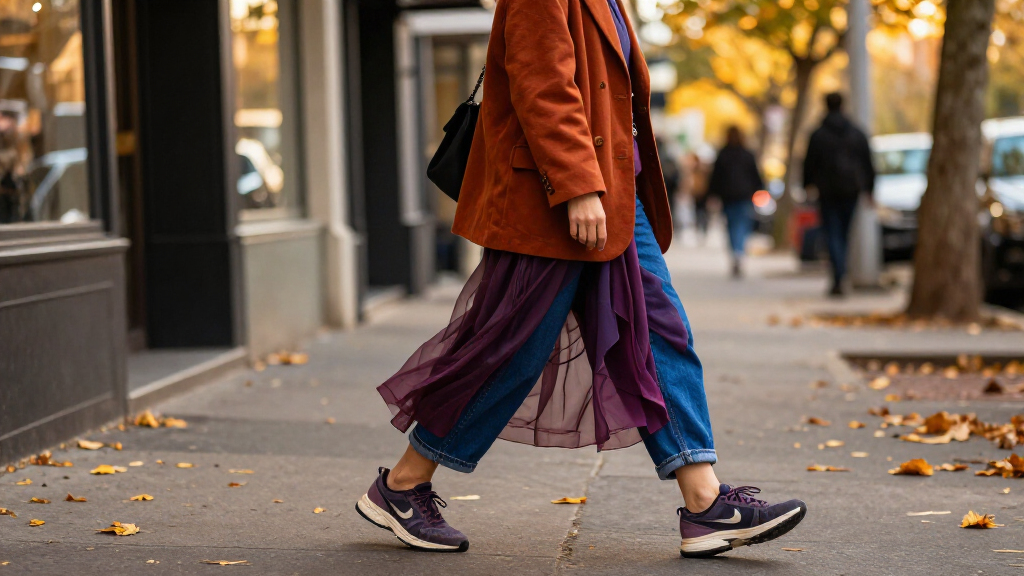
Several trends rely on contrast. Harper’s Bazaar points to satin dresses worn with sweaters or chunky knit scarves, plaid made in silk or chiffon, and tuxedo pieces paired with jeans or other daywear. Its account also describes ladylike looks styled with visible signs of ordinary life, such as a coat carried over an arm or gloves held rather than worn, an approach also reflected in Fall jacket trends.
Other looks change a familiar outfit through a single detail. The report describes crimson accessories and clothing as a way to refresh basics, while cummerbunds and opera scarves bring attention to the waist. Lower-set waists appeared on dresses at designers including Simone Rocha, Tory Burch and Chanel, according to the article, alongside playful Spring 2027 trends.
Runway Styling Makes Familiar Pieces New
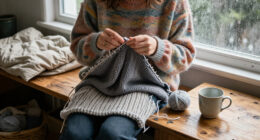
The report’s central takeaway is that the season’s trends are less about replacing an entire wardrobe than changing how established pieces are combined. A sweater, plaid skirt or tuxedo jacket can move into a different setting through fabric, proportion or styling. That gives readers practical ways to interpret runway ideas without treating each look as a requirement to buy a complete new outfit.
The ideas also cover different levels of commitment. A red belt or brooch is a small styling change, while a drop-waist dress or statement cummerbund makes a stronger silhouette statement. The distinction matters for readers deciding whether to adapt pieces they own or shop for a new trend; the article offers suggestions, not evidence that consumers are adopting them.
Harper’s Bazaar notes that the trends range from classic tailoring to more experimental combinations. That breadth makes the report useful as a guide to the season’s runway styling, while leaving individual choices open to personal taste, comfort and budget.
As an affiliate, we earn on qualifying purchases.
Seven Looks Across Fall Collections
The source is a Harper’s Bazaar editorial trend report, not a market survey or an announcement by a fashion body. It reviews Fall 2026 shows and selects seven themes from looks presented by designers. Its descriptions and styling recommendations reflect the publication’s interpretation of those collections.
Some details connect the trends to established wardrobe categories: sweaters are a fall staple, plaid is a familiar pattern, and tuxedo tailoring comes from formalwear. The report’s argument is that the runway changes their use through unexpected pairings, brighter colors, altered proportions and elevated fabrics. For example, it describes plaid in chiffon and silk rather than limiting the pattern to heavier, casual-looking pieces.
The article also includes shopping and styling suggestions, such as adding a scarf at the waist or wearing red accessories with basics. Harper’s Bazaar discloses that its editors selected products featured on the page and that it may earn commissions on some purchases. That commercial disclosure applies to product recommendations; it does not establish that the runway trends will become widely adopted.
As an affiliate, we earn on qualifying purchases.
Runway Trends, Not Sales Data
The source documents what appeared in the collections and how Harper’s Bazaar interprets those looks. It does not provide sales figures, consumer polling or evidence that the seven trends will dominate retail in Fall 2026. The word “trend” here refers to recurring runway ideas in the report, not a measured forecast of what shoppers will buy.
The article also does not provide a full account of how many collections or looks were reviewed, or a comparison with other seasons beyond a few references to earlier waist styling. It is not clear from the source whether the identified details will carry through unchanged to products available in stores. The report’s shopping suggestions are editorial guidance, and the publication says it may receive commissions on some purchases.
As an affiliate, we earn on qualifying purchases.
How Runway Looks Reach Stores
The report offers styling ideas readers can apply to existing clothes, but the source does not set out a retail calendar or announce a next milestone for these trends. The next practical test will be whether designers and retailers carry the runway combinations into Fall 2026 collections available to shoppers, and how those pieces are styled and priced.
Readers can follow the season’s releases for examples of the seven themes, while treating the runway report as a snapshot rather than a guarantee of what will be widely available. Fit, fabric and sizing differ across brands, so any shopping decision will depend on the specific item and retailer.
As an affiliate, we earn on qualifying purchases.
Key Questions
What are the main Fall 2026 trends in the report?
Harper’s Bazaar lists waist-focused styling, dressed-up plaid, undone ladylike looks, pops of red, evening knits, daytime tuxedos and drop-waist dresses.
What does “subverting expectations” mean here?
It refers to styling familiar pieces in less conventional ways, such as wearing knitwear with evening clothes or pairing tuxedo tailoring with jeans for daytime.
Which designers are mentioned?
The report cites looks from designers and fashion houses including Prada, Chloé, Celine, Khaite, Chanel, Tory Burch, Simone Rocha and Dries Van Noten.
Does the report show these trends will be popular with shoppers?
No. It describes runway collections and editorial interpretations, but provides no sales data or consumer research showing how widely shoppers will adopt the trends.
Can the trends be tried without buying a new outfit?
The report suggests smaller styling changes, including adding a red accessory or a scarf at the waist to existing pieces. What works will vary by personal preference and the clothes a reader already owns.
Source: rss
Fall Picks
fall essentials
As an affiliate, we earn on qualifying purchases.