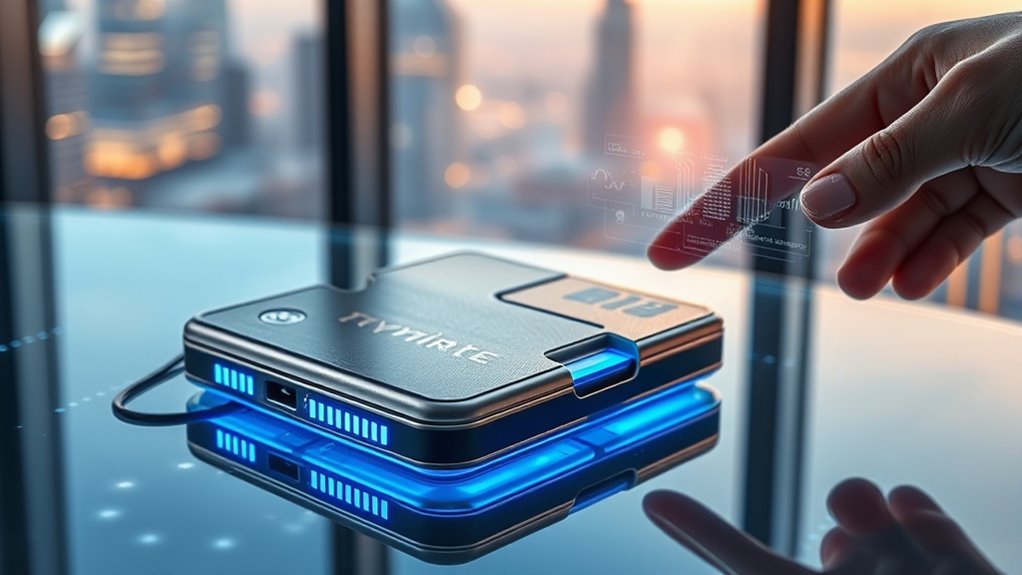

By 2026, your smart wallet will feature advanced security with biometric authentication, encrypted RFID signals, and offline private key storage, making transactions faster and safer. Enhanced anti-skimming and secure NFC communication will protect your data from theft and hacking. These upgrades will turn your wallet into a secure hub for digital currencies and contactless payments. If you want to explore how these innovations will improve your security and convenience, keep going.
Key Takeaways
- Smart wallets will feature integrated hardware security modules (HSMs) and offline private key storage for enhanced cryptocurrency protection.
- Biometric authentication methods like facial recognition and voice commands will become standard for seamless, secure access.
- RFID signals will be encrypted with anti-skimming features, ensuring faster, safer contactless transactions.
- Reliable backup power solutions will maintain wallet accessibility during outages or disruptions.
- Overall, smart wallets will evolve into secure, versatile hubs combining advanced security, biometric access, and contactless payment capabilities.

As technology continues to evolve, smart wallets integrated with RFID (Radio Frequency Identification) are transforming how you manage your money and personal information. These devices are becoming more than just digital wallets; they’re turning into secure, versatile hubs that blend convenience with advanced security features. One of the key areas where these wallets are making strides is in cryptocurrency security. With the rise of digital currencies, safeguarding your crypto assets has become essential. Future smart wallets are expected to include dedicated hardware security modules (HSMs) or secure enclaves that store private keys offline, preventing hackers from remotely accessing your cryptocurrencies. This means you’ll be able to conduct transactions swiftly without compromising security, reducing the risk of theft or fraud.
Biometric authentication will play an even more prominent role in smart wallets by 2026. Instead of relying solely on PINs or passwords, you’ll authenticate payments and access your wallet using fingerprint scans, facial recognition, or even voice commands. These biometric methods make it nearly impossible for unauthorized users to gain access, offering a seamless yet highly secure user experience. Imagine accessing your wallet with a simple touch or glance, eliminating the need to remember complex passwords. This not only enhances security but also accelerates transactions, making your financial interactions more efficient.
RFID technology itself will become smarter and more secure. Future smart wallets will incorporate encrypted RFID signals that prevent unauthorized scanning or skimming of your card details. Enhanced anti-skimming features will ensure that your credit card and personal information remain protected from malicious devices trying to steal data without your knowledge. Additionally, these wallets will be able to communicate with other devices securely through near-field communication (NFC) protocols, enabling you to make contactless payments quickly and safely. As security measures improve, reliable backup power solutions will be increasingly important to ensure your digital wallet remains accessible during outages or disruptions.

D'CENT Hardware Wallet – Biometric Cold Wallet for Crypto with Fingerprint Authentication | Secure Bluetooth Storage for Bitcoin, Ethereum, XRP, XDC, Solana, Stablecoins & More. (Double unit)
UNMATCHED SECURITY WITH BIOMETRIC PROTECTION – Protect your crypto with certified EAL5+ Secure Element chip and advanced fingerprint…
As an affiliate, we earn on qualifying purchases.
As an affiliate, we earn on qualifying purchases.
Frequently Asked Questions
How Secure Are Rfid-Enabled Smart Wallets Against Hacking?
RFID-enabled smart wallets offer decent security, but you should be aware of privacy concerns and hacking vulnerabilities. While many wallets have built-in protections like encryption and blocking mechanisms, determined hackers can still exploit vulnerabilities. To stay safe, choose wallets with strong security features, avoid exposing your wallet to crowded areas, and consider RFID-blocking sleeves. Staying informed helps you protect your personal data from potential hacking threats.
Will RFID Technology Replace Traditional RFID Cards Completely?
Did you know that by 2026, over 50% of transactions could involve digital currency? RFID technology might not fully substitute traditional RFID cards, as many still rely on them for access and payments. Instead, you’ll likely see smart wallets integrating biometric authentication, making RFID cards more secure and versatile. This evolution ensures you enjoy the convenience of digital currency while maintaining familiar, reliable methods for everyday transactions.
Are Smart Wallets Compatible With All RFID Payment Systems Worldwide?
Smart wallets aren’t compatible with all RFID payment systems worldwide due to varying payment standards and device compatibility issues. You might find that some wallets work seamlessly with certain regions or payment networks, but others may not support specific RFID protocols. Before choosing a smart wallet, check its compatibility with the payment standards used in your area or by your preferred financial institutions to guarantee smooth transactions everywhere you go.
How Durable Are the Materials Used in Future Smart Wallets?
Imagine your smart wallet as the Tesla of wallets—built with cutting-edge materials that prioritize material longevity and design resilience. These future wallets are designed to withstand daily wear and tear, water exposure, and even accidental drops. Using advanced composites and durable fabrics, they guarantee your investment lasts longer, keeping your RFID tech safe and functional. So, you can trust that your smart wallet will stay sleek and reliable for years to come.
What Are the Environmental Impacts of Manufacturing Rfid-Enabled Wallets?
You might worry about RFID-enabled wallets’ environmental impacts. Manufacturing them involves resource use, but opting for sustainable sourcing can reduce harm. Many brands participate in recycling initiatives, repurposing materials to lower waste. By choosing wallets made with eco-friendly materials and supporting companies with green practices, you help minimize environmental damage. Staying informed and making conscious choices guarantees your smart wallet aligns with sustainability goals and reduces its ecological footprint.

SaiTech IT 2 PK RFID Blocking Cards Protect Your Entire Wallet, Purse, and Cards from NFC Contactless Theft Wallet for Men & Women – Pink
SECURE YOUR WALLET FROM e-PICKPOCKETING: Prevent potential identity and financial theft through your contactless cards. Don’t become a…
As an affiliate, we earn on qualifying purchases.
As an affiliate, we earn on qualifying purchases.
Conclusion
By 2026, smart wallets and RFID technology will become even more integrated into your daily life, offering convenience, security, and seamless transactions. As these innovations evolve, you’ll wonder how you ever managed without them. Are you ready to embrace a smarter, more connected way to carry your essentials? Staying ahead means adapting now, so you can enjoy the benefits of this tech revolution firsthand. The future of financial management is just around the corner—are you prepared to take the leap?

TANGEM Wallet Pack of 2 – Secure Crypto Wallet – Trusted Cold Storage for Bitcoin, Ethereum, NFT's & More Coins – 100% Offline Hardware Wallet
THE HIGHEST LEVEL OF SECURITY: Tangem Wallet generates the private key that never leaves the card. Your crypto…
As an affiliate, we earn on qualifying purchases.
As an affiliate, we earn on qualifying purchases.
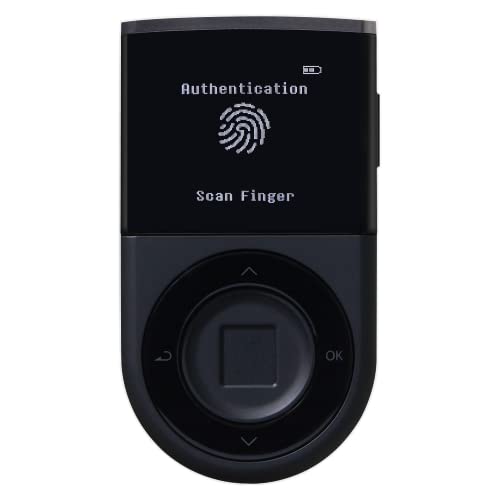
D'CENT Hardware Wallet – Biometric Cold Wallet for Crypto with Fingerprint Authentication | Secure Bluetooth Storage for Bitcoin, Ethereum, XRP, XDC, Solana, Stablecoins & More
UNMATCHED SECURITY WITH BIOMETRIC PROTECTION – Protect your crypto with certified EAL5+ Secure Element chip and advanced fingerprint…
As an affiliate, we earn on qualifying purchases.
As an affiliate, we earn on qualifying purchases.