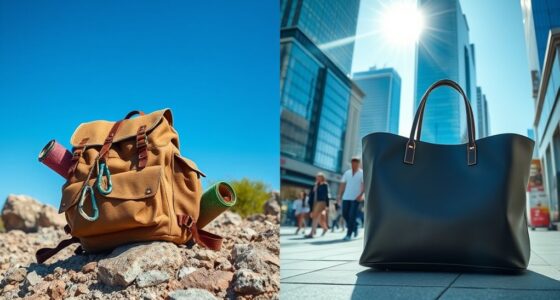
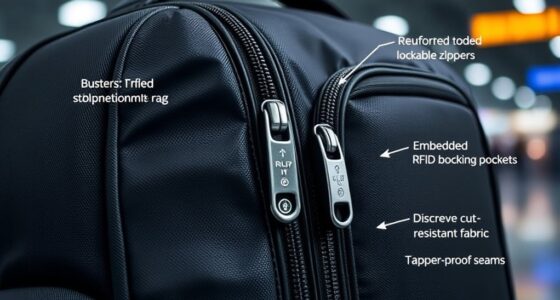
To pack a personal item bag like a pro, choose a lightweight bag that fits airline size rules and has compartments for organization. Prioritize your essentials like travel documents, meds, and electronics, then use folding and rolling techniques to maximize space. Organize smaller items in pouches or cubes, and pack with easy access in mind. Double-check everything before departure to guarantee readiness. Keep it efficient—learn more tips to perfect your packing approach.
Key Takeaways
- Choose a lightweight, organized bag with compartments to efficiently store and access essentials.
- Prepare a packing checklist focusing on versatile, lightweight items to avoid overpacking.
- Roll clothes tightly and use compression tools to maximize space and prevent wrinkles.
- Keep important items like travel documents, medications, and electronics easily accessible in quick-release pouches.
- Double-check all packed items before departure and use security measures to ensure safety.

For Spirit Airlines Personal Item Bag 18x14x8 Foldable Travel Duffel Bag Tote Carry on Luggage Duffle Overnight for Women and Men (1112 Thick Series Black)
THICK SERIES. Pay a bit little more, you would get a personal item bag much more durable and…
As an affiliate, we earn on qualifying purchases.
As an affiliate, we earn on qualifying purchases.
Pick the Right Bag Size and Style for Your Trip

Choosing the right bag size and style is essential to guarantee your personal item fits comfortably and meets airline regulations. Start by considering your travel accessories—smaller, lightweight bags often make packing easier and compliant. Look for a style that offers compartments to organize essentials efficiently. When selecting your bag, check the luggage warranties to ensure durability and protection against damage or loss. This helps prevent issues like filter failure or other system inefficiencies that could disrupt your trip. This assures your investment is protected, especially if you travel frequently. Opt for a versatile design that can double as a carry-on or a day bag, saving you from extra hassle. Remember, a well-chosen personal item not only keeps your belongings secure but also streamlines airport security checks, making your journey smoother from start to finish.

BAGAIL 4 Set/6 Set/8 Set Compression Packing Cubes Travel Accessories Expandable Packing Organizers (Half Mesh, 6-Black)
How to Compress:The cube is compressed by the middle zipper; Using steps: 1)Fold and flatten clothes 2)Pack clothes…
As an affiliate, we earn on qualifying purchases.
As an affiliate, we earn on qualifying purchases.
Determine Which Items Belong in Your Personal Item Bag
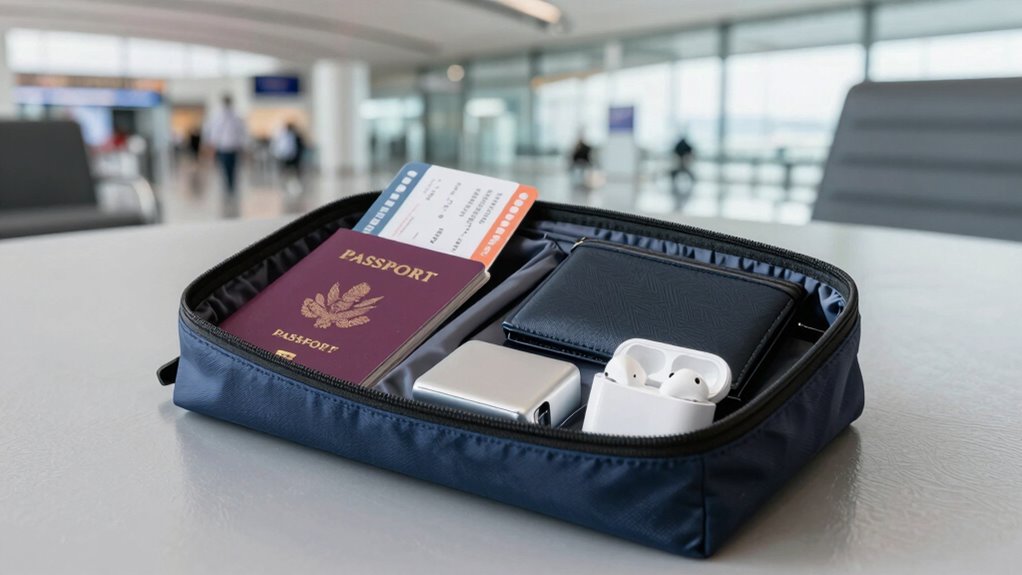
Once you’ve selected the right bag, the next step is to decide which items to pack inside. Start by considering travel restrictions and airline policies, which determine what you can carry. Essential items like your ID, travel documents, medications, and electronics should go in your personal item bag, as they need quick access and are typically allowed without extra fees. Avoid packing valuables or fragile items that might be better stored elsewhere. Check with your airline for specific policies on liquids, gels, and sharp objects. Think about what you’ll need during the flight—snacks, a book, headphones—and include those. Keep your bag organized by focusing on items you’ll want to access frequently, ensuring a smooth security process and a more comfortable trip. Additionally, understanding projector specifications can help you better prepare for entertainment needs during your trip.

TOPBAG Passport Holder Family, Women Rfid Blocking Passport Wallet, Travel Document Organizer for Premium Wallets, Waterproof Passport Holders Bag for Women & Men Traveling, Credit Cards Case
【High Quality travel passport holder】This passport wallet and passport book holder is made of super strong and durable…
As an affiliate, we earn on qualifying purchases.
As an affiliate, we earn on qualifying purchases.
Pack Your Essentials First: Prioritize Must-Haves

Before packing anything else, make sure you prioritize your must-have essentials. Start with your travel checklist to identify items you can’t do without, like your wallet, passport, medications, and electronics. Gather the necessary packing materials, such as small pouches or organizers, to keep these essentials accessible and organized. Placing your must-haves at the top or in easy-to-reach spots ensures quick access during security checks or on the plane. By focusing on your essentials first, you prevent forgetting critical items and reduce stress later. This approach also helps you allocate space efficiently, leaving room for other clothing or personal items. Incorporating free floating techniques can help you better organize your belongings within your bag. Prioritizing your must-haves sets a strong foundation for a well-packed, efficient personal item bag.

Taygeer Travel Backpack for Women, Carry On Backpack with Water Bottle Pocket & Shoe Pouch, TSA 15.6inch Laptop Mochila Flight Approved, Nurse Bag Casual Daypack for Weekender Business Hiking, Pink
Extra Shoe Bag & Wet Pocket: Large carry on backpack for women includes a bonus shoe bag to…
As an affiliate, we earn on qualifying purchases.
As an affiliate, we earn on qualifying purchases.
Fold and Roll to Maximize Space in Your Bag
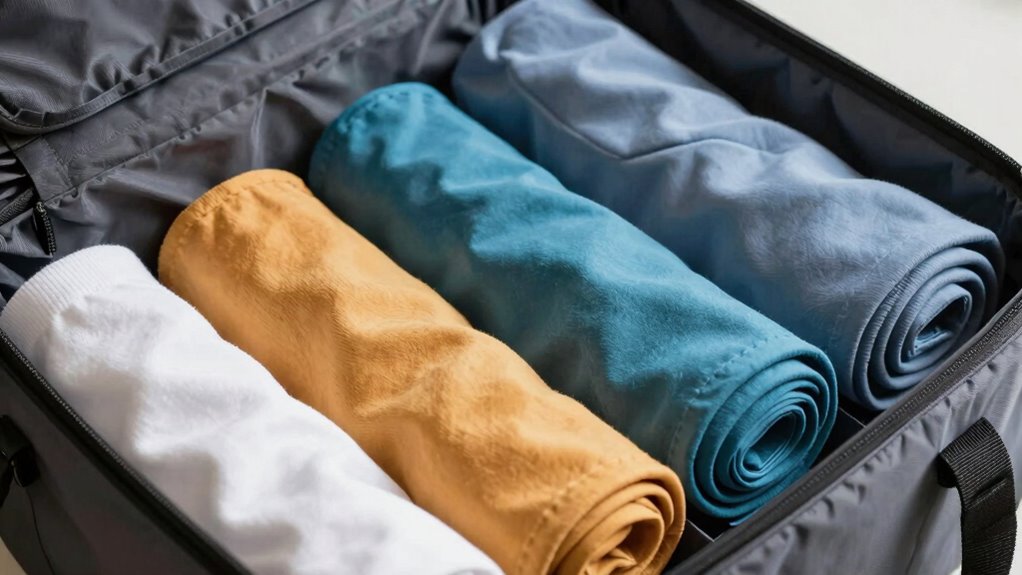
To maximize space in your personal item bag, folding and rolling your clothes efficiently can make a significant difference. Clothing compression is a key space-saving technique that helps you fit more into a small bag. Start by folding your clothes into flat, neat layers, then roll them tightly to reduce bulk. Rolling prevents creases and keeps your clothing compact, maximizing available space. Use this method for t-shirts, underwear, and lightweight items, as they compress easily. Place rolled clothes tightly together to eliminate gaps, which further conserves space. Avoid overstuffing, as it can cause wrinkles or damage. Incorporating clothing compression through folding and rolling ensures you utilize every inch of your bag, making packing faster and more organized. This simple technique is essential for efficient packing on the go. Clothing compression is especially effective when you use storage solutions like compression cubes or vacuum bags to further optimize space.
Organize Items With Compartments and Packing Cubes

Using compartments and packing cubes is an effective way to keep your personal item bag organized and easy to access. With dedicated sections, you can separate travel clothing from your tech gadgets, preventing damage and tangling. Packing cubes help compress clothing, saving space while maintaining order. Place smaller items like chargers, earbuds, and adapters in separate compartments or smaller cubes to avoid rummaging through your bag. This setup makes it simple to find what you need quickly, especially during security checks or when you’re rushing. Additionally, fan engagement trends can influence how travelers pack, as more individuals look for ways to streamline their packing process for events and sports trips. By compartmentalizing your belongings, you minimize clutter and stay organized throughout your trip. Plus, packing cubes make it easier to repack efficiently, ensuring your essentials stay neat and accessible no matter your destination.
Arrange Your Bag for Easy Access and Quick Retrieval

To access your essentials quickly, place your most-used items in the easiest-to-reach compartments. Organize your belongings by item type so you can find what you need without digging through your bag. Prioritizing these steps helps you retrieve things efficiently and keeps your bag tidy. Additionally, fostering a growth mindset by practicing organized habits can help children develop confidence and independence when managing their belongings.
Prioritize Frequently Used Items
Placing your most frequently used items within easy reach guarantees quick access when you need them. Focus on your clothing selection to keep essentials like a change of underwear or a lightweight jacket near the top or front of your bag. This way, you won’t have to dig through everything to find what you need. Also, organize your travel accessories—such as headphones, chargers, or snacks—so they’re accessible without hassle. Keep items you use often in smaller compartments or designated pockets for instant retrieval. Prioritizing these items ensures that during transit or quick stops, you can grab what you need without disrupting your entire packing. Additionally, incorporating dedicated organizational compartments can help streamline your packing process and improve accessibility. Staying organized and mindful of your frequent-use items saves time and keeps your travel experience smooth.
Use Accessible Compartments
Organizing your bag with accessible compartments makes it easier to retrieve items quickly. Use accessibility features like clear or labeled pockets to identify essentials at a glance. Proper compartment organization assures your frequently used items, such as your phone, wallet, or keys, are within reach without rummaging through the entire bag. Keep smaller items in designated pockets to prevent clutter and make them easier to find. Consider dividing your bag into zones based on item types or usage frequency, so everything has a designated space. This strategic compartmentalization minimizes chaos and saves time, especially when you’re in a hurry. By focusing on accessibility features and thoughtful compartment organization, you’ll streamline your packing process and enhance your overall travel experience. Content organization is a key aspect of efficient packing and ensures a smoother travel routine.
Organize by Item Type
Have you ever struggled to find your phone or wallet in a crowded bag? Organizing by item type makes it easy to grab what you need quickly. Keep your travel wardrobe essentials together for effortless access when changing outfits or selecting accessories. Designate specific compartments or pouches for clothes, toiletries, and electronics. It also helps to organize your snack selection separately so you can quickly reach for a quick bite without digging through everything. By grouping similar items, you reduce clutter and save time searching. This method ensures your bag remains tidy and functional, especially when you’re in a hurry. When everything has a designated spot, packing and unpacking become more efficient, giving you more time to enjoy your trip instead of rummaging through your bag. Additionally, understanding tax law updates can help you plan your finances more effectively, even when traveling.
Double-Check Your Packing Before You Head Out

Before you leave, double-check that you’ve packed everything you need. Make sure your essentials are easy to access and within reach. Finally, confirm that your bag is securely closed to prevent anything from falling out. Remember to verify your supplies such as toys, water bowls, and any necessary medications to ensure your pet’s well-being during your outing.
Verify All Items Packed
Double-checking your packed items guarantees you haven’t forgotten anything important. Before heading out, take a moment to review everything in your personal item bag. Verify your essentials like travel documents, medications, and electronics are present and accessible. This step is vital for travel safety, helping you avoid unnecessary stress or delays. It also demonstrates packing etiquette, showing respect for fellow travelers by keeping your belongings organized and minimal. Confirm that valuables are secure, chargers are packed, and any liquids comply with airline regulations. Check the weight and size of your bag to meet airline requirements. A thorough review prevents last-minute surprises and keeps your journey smooth from start to finish. Being diligent now saves time and hassle later, ensuring a stress-free trip.
Ensure Accessibility of Essentials
Are your essentials easily accessible when you need them most? Double-check that your emergency essentials are within easy reach. Use accessibility tools like quick-release pouches or external compartments to keep items such as your ID, wallet, and phone readily available. Make certain your water bottle, snacks, and any necessary medications are in a designated, easy-to-grab spot. Organize smaller items with pouches or organizers so nothing gets lost at the bottom of the bag. Testing your packing by simulating quick access can help confirm everything is in place. Remember, the goal is to avoid fumbling or digging through your bag during an emergency or when you’re in a hurry. Proper organization guarantees you can access crucial items instantly, keeping your travel smooth and stress-free.
Confirm Bag Security
Taking a few moments to confirm your bag’s security guarantees everything stays in place and ready to go. First, ensure your bag lock is securely fastened; this prevents accidental openings during transit. Next, check that security tags are intact and properly attached, signaling your bag hasn’t been tampered with. Use the table below to verify key security steps:
| Step | Action |
|---|---|
| Bag Lock | Ensure it’s fully engaged and functional |
| Security Tags | Confirm tags are undamaged and secure |
| Final Check | Give the bag a gentle shake to test security |
Tips to Keep Your Packing Light and Efficient

To keep your packing light and efficient, focus on selecting versatile items that can serve multiple purposes. Prioritize travel accessories that are compact and multifunctional, like a scarf that doubles as a blanket or a charger with multiple ports. Create a packing checklist to make sure you include only essentials, avoiding unnecessary duplicates. Stick to neutral colors and lightweight fabrics to maximize outfit options while minimizing space. Opt for clothing that can be layered and easily washed if needed. Avoid overpacking by assessing each item’s usefulness and how often you’ll wear or use it. By being strategic, you’ll save space and avoid baggage overload, making travel more comfortable. Efficient packing helps you move freely and enjoy your trip without the burden of excess luggage.
Frequently Asked Questions
How Can I Prevent Items From Shifting During Transit?
To prevent items from shifting during transit, you should focus on secure packing for item stability. Use smaller pouches or zip-lock bags to group similar items together and fill empty spaces with soft materials like clothes or tissue paper. This prevents movement and keeps everything organized. Always double-check that your items are snugly packed, and avoid overstuffing, so your belongings stay secure and intact throughout your journey.
What Are the Best Ways to Protect Fragile Items in My Bag?
To protect fragile items, you should use cushioning techniques like bubble wrap, soft cloths, or foam to wrap each item securely. Organize fragile items in the center of your bag, surrounded by other items to provide extra protection. Keep them upright and avoid stacking heavy objects on top. This approach minimizes movement and absorbs shocks, ensuring your delicate belongings stay safe during transit.
How Do I Handle Liquids and Gels in My Personal Item?
To handle liquids and gels, guarantee you follow liquid restrictions set by airlines, usually 3.4 ounces or 100 milliliters per container. Place all gel containers in a clear, resealable plastic bag for easy security screening. Keep this bag accessible in your personal item, so you can quickly present it if asked. This way, you stay compliant and streamline your security process, avoiding delays or confiscation.
Can I Carry Electronics and Chargers in My Personal Bag?
Carrying electronics and chargers in your personal bag is like packing a treasure chest; you should prioritize safety and organization. You can certainly bring electronic accessories and charging cables, but make sure they’re well-protected and easily accessible. Use small pouches or cases to keep everything tidy, and remember to remove batteries from devices if required. This way, you stay powered up and prepared without hassle during your journey.
How Do I Optimize Space for Souvenirs or Additional Items?
To optimize space for souvenirs or extra items, use compression techniques like rolling or flattening clothing to save room. Incorporate organizational tools such as small pouches or packing cubes to keep your souvenirs separated and protected. Place fragile items on top or in the center of your bag for safety. Efficiently stacking items and utilizing every nook guarantees you maximize space while keeping your bag organized and easy to access.
Conclusion
Packing your personal item bag like a pro isn’t just about space—it’s about making sure everything you need is at your fingertips when you arrive. When you follow these tips, you’ll find it’s easy to stay organized and light on your feet. And sometimes, the smallest pocket or clever fold can make all the difference—like that one time you almost left your passport behind but caught it just in time. That’s the magic of smart packing.