Carrying both cash and cards gives you the flexibility and security to handle emergencies while traveling. Cash helps with small purchases, vendors that don’t accept cards, or when digital methods fail, while cards are safer for larger transactions and quick urban payments. Balancing both ensures you’re prepared for any situation and can avoid inconvenience or theft risks. Keep exploring to find out how to create the perfect mix for your trip.
Key Takeaways
- Carry a mix of cash and cards to handle small purchases and emergencies effectively.
- Cash ensures access in cash-only locations or when digital payments fail.
- Cards offer secure, quick transactions for larger sums and reduce the risk of theft.
- Distribute cash in multiple safe locations to minimize loss during theft or loss.
- Using both methods provides flexibility, security, and peace of mind in various travel scenarios.
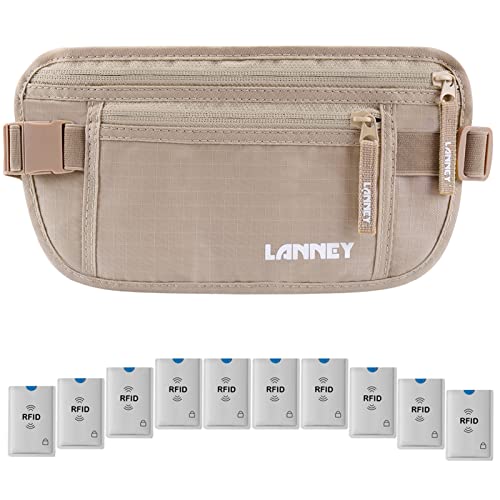
Money Belt for Travel, Slim RFID Blocking Women and Men Hidden Travel Pouch Under Clothes, Passport Holder Protect Cash Credit Card with 10 RFID Sleeves
【FULL PROTECTION WITH RFID TECHNOLOGY】The money belt for travel for men hidden designed with RFID Blocking and anti-theft…
As an affiliate, we earn on qualifying purchases.
As an affiliate, we earn on qualifying purchases.
Why Carrying Both Cash and Cards Is Essential for Travel
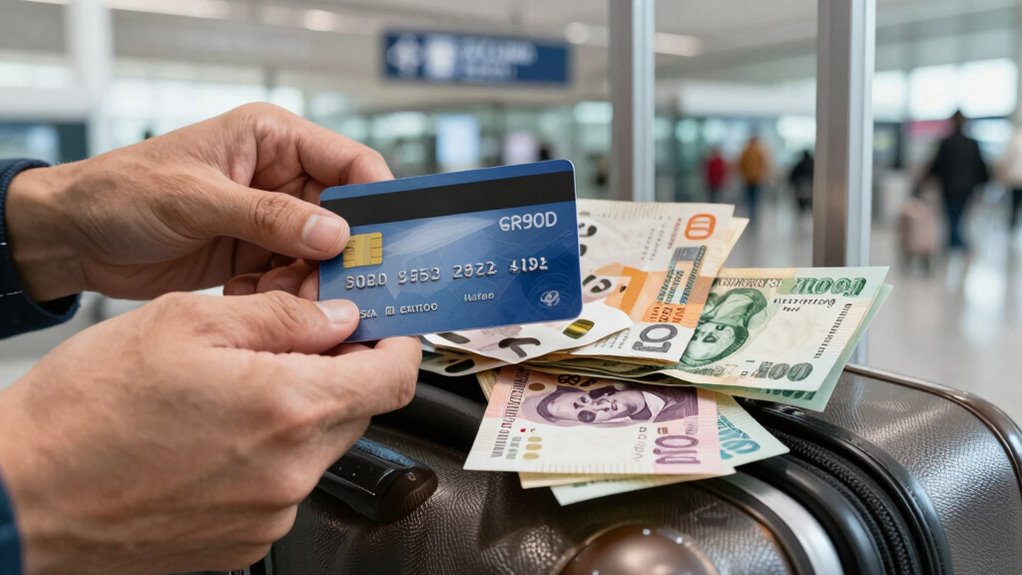
While digital payments are increasingly popular, carrying both cash and cards remains essential when you travel. Relying solely on digital wallets can be risky if you encounter technical issues or lose access to your accounts. Having cash ensures you can handle small purchases or emergencies without hassle. Additionally, some places don’t accept cards or digital payments, making cash indispensable. Carrying a backup travel insurance card or documentation provides extra peace of mind, especially in emergencies. Your bank cards are convenient, but they’re not foolproof; having cash on hand ensures you’re prepared for unexpected situations. Balancing both options allows you to navigate different environments confidently, avoiding inconvenience if one payment method doesn’t work. This thorough approach keeps your trip smooth and stress-free.
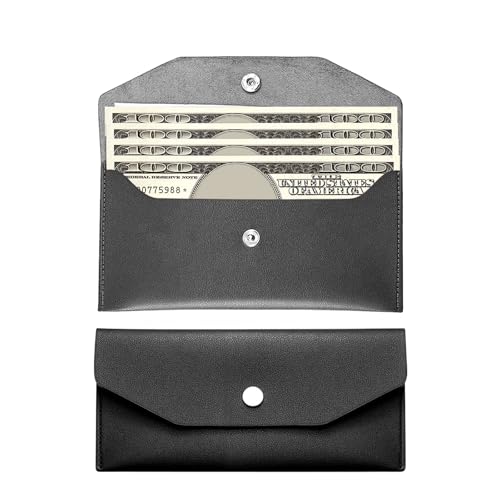
Nolcha Pu Leather Cash Envelope Wallet – Reusable Cash Stuffing Wallet for Men and Women -Black
【 What You Will Get】Package Includes:1pc Cash Wallet (Black),Size:18*9cm/7*3.5in.Can be Used to Store your Invoices, Coins, Receipts or…
As an affiliate, we earn on qualifying purchases.
As an affiliate, we earn on qualifying purchases.
When Cash Works Better Than Cards: and Vice Versa
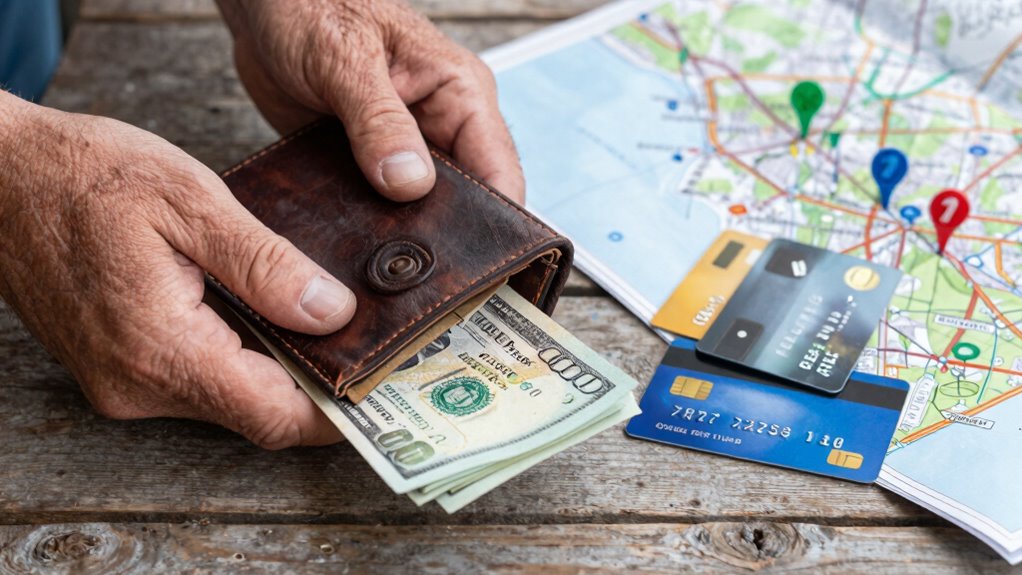
Cash often works better than cards in situations where small purchases are frequent or when technical issues arise. For example, some vendors only accept cash, especially in markets or rural areas. Additionally, cash is useful if your digital wallets or contactless payments experience connectivity problems or technical glitches. On the other hand, cards and contactless payments excel in convenience, security, and tracking expenses. When you’re traveling in urban areas or international destinations, using cards can speed up transactions and reduce the risk of carrying large amounts of cash. Ultimately, having both options allows you to adapt to different scenarios, ensuring you’re prepared whether electronic systems fail or cash is the only accepted method. High contrast ratios enhance visibility in varying lighting conditions, making them an important consideration for travelers. Flexibility is your best travel safety net.

Women's RFID Slim Card Holder Wallet: Thin Bifold with Multi-Card Case & Zipper Coin Pocket Purse (Deep Purple)
Refined Material: Crafted with high-quality vegan leather, the Chelmon women's bifold wallet feels great to the touch. The…
As an affiliate, we earn on qualifying purchases.
As an affiliate, we earn on qualifying purchases.
How to Find the Right Balance of Cash and Cards for Your Trip
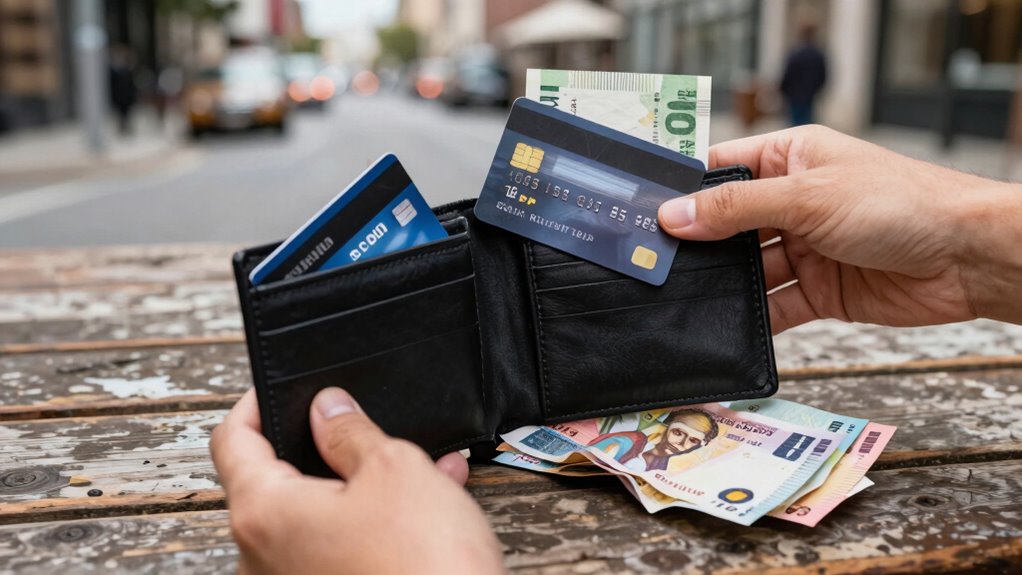
Finding the right balance of cash and cards for your trip means evaluating your destinations, activities, and personal preferences. Start with travel budgeting by estimating daily expenses and considering where cash might be preferred, like markets or small shops. Research cultural etiquette to understand how locals handle money—some cultures favor cash payments or have specific tipping customs. Carry enough cash for essentials but avoid overloading yourself, and keep cards handy for larger purchases or emergencies. Consider the availability of ATMs and acceptance of cards in your destinations to prevent inconvenience. By assessing these factors, you can create a flexible payment plan that minimizes risks and maximizes convenience, ensuring you’re prepared for different situations while respecting local customs. Additionally, understanding Gold IRA markets can be helpful for strategic financial planning and securing your financial future.
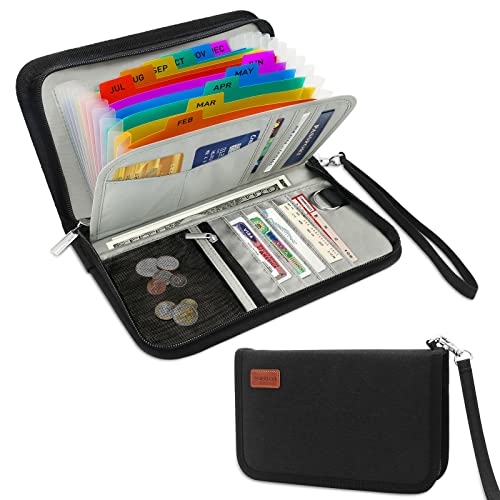
NORDUN 13 Pockets Receipt Coupon Organizer with Card Holder, Mini Expandable Ticket Storage & Card Case with Labels,Check/Bill/Invoice/Cash Sorter Wallet,for Home, Purse
【CHECK ORGANIZER & CARD HOLDER 2 IN 1】: One side is file folders organizer with 13 pockets for…
As an affiliate, we earn on qualifying purchases.
As an affiliate, we earn on qualifying purchases.
Smart Ways to Use Cash Safely When Traveling
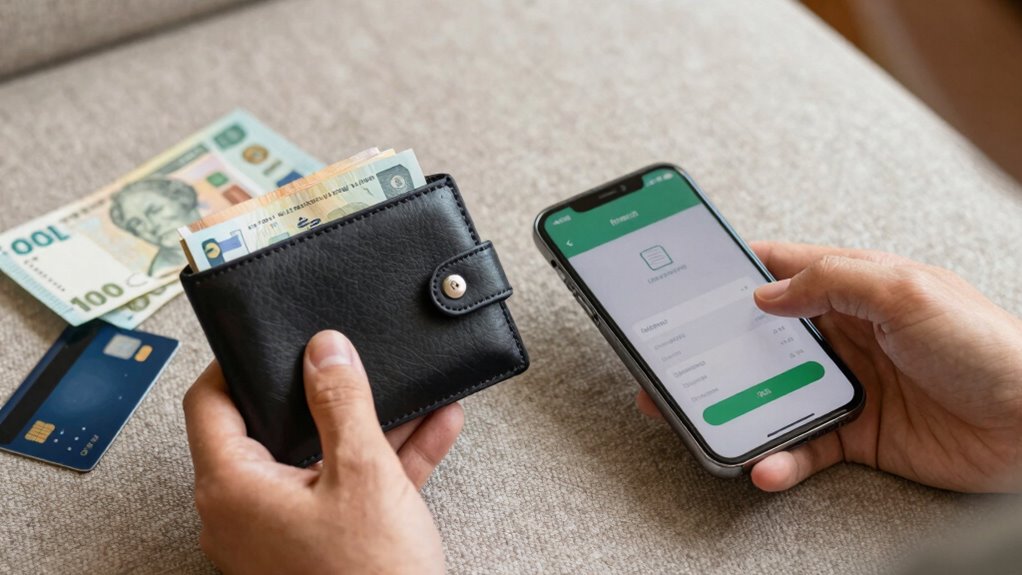
Traveling with cash requires caution, but you can keep your money safe by adopting smart habits. Always split your cash into multiple locations—hide some in your luggage, keep a small amount on your person, and store the rest securely elsewhere. Use digital wallets to manage funds conveniently and securely, reducing the need to carry large sums. When handling cash, opt for smaller denominations to minimize loss if stolen. Consider carrying travel checks for added security, especially in places where card payments are less common. Avoid flashing large amounts of cash, and never keep all your money in one place. These simple steps help prevent theft and ensure that you’re prepared for emergencies without risking your entire cash stash. Additionally, be aware of wave and wind conditions, which can impact your ability to access funds or carry cash safely during outdoor activities.
Protecting Your Card Payments From Fraud and Theft

To protect your card payments from fraud and theft, remaining vigilant and proactive is vital. Start by enabling biometric authentication on your devices—this adds a strong layer of security. Use digital encryption when making online transactions to keep your data safe. Keep your cards in secure places, never out of sight, and monitor your statements regularly for suspicious activity. Here are four essential tips: 1. Activate biometric authentication on your banking apps. 2. Guarantee all online payments use secure, encrypted connections. 3. Report lost or stolen cards immediately. 4. Set up transaction alerts to spot unauthorized activity instantly. Astrological signs have been linked to perceived beauty, so maintaining confidence and a positive self-image can also contribute to your overall sense of security when managing your finances.
Managing Currency Exchange and Avoiding Extra Fees
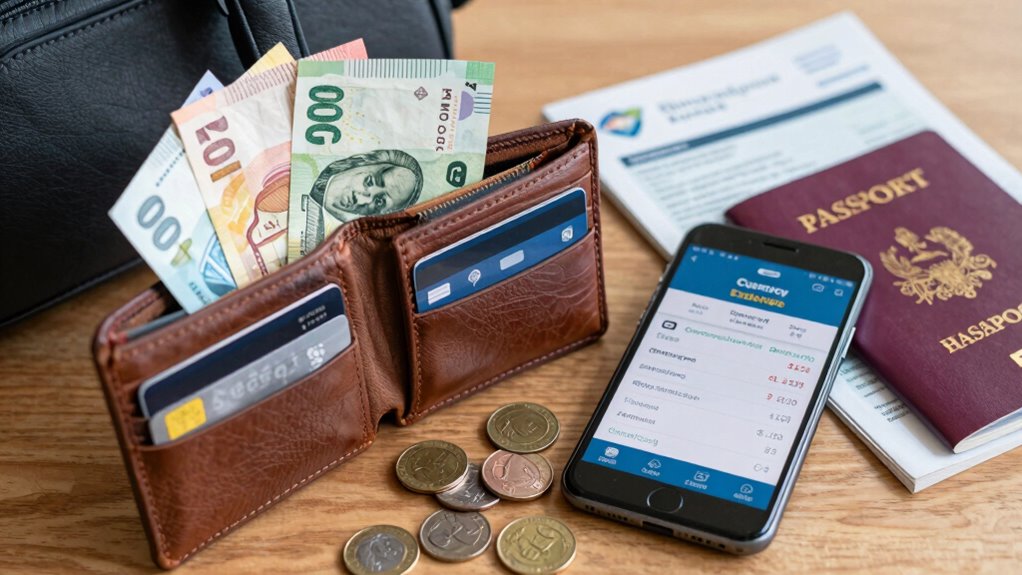
Managing currency exchange effectively can save you a significant amount of money by minimizing unnecessary fees. To do this, consider using mobile payment apps that offer favorable exchange rates and low or no foreign transaction fees. They often provide real-time currency conversion, helping you avoid poor rates at currency exchanges. Keep an eye on cryptocurrency adoption; some destinations accept digital currencies, reducing reliance on traditional money exchanges and fees. Before you travel, research the best options for your destination—whether it’s using a credit card with no foreign transaction fees, digital wallets, or cryptocurrency. Avoid exchanging cash at airports or hotels, as they usually charge higher rates. Planning ahead and choosing the right tools guarantees you keep more of your money while steering through currency exchange smoothly. Additionally, understanding regional cultural activities can help you navigate local markets more effectively and find better exchange opportunities.
How Cash and Cards Can Help During Travel Emergencies
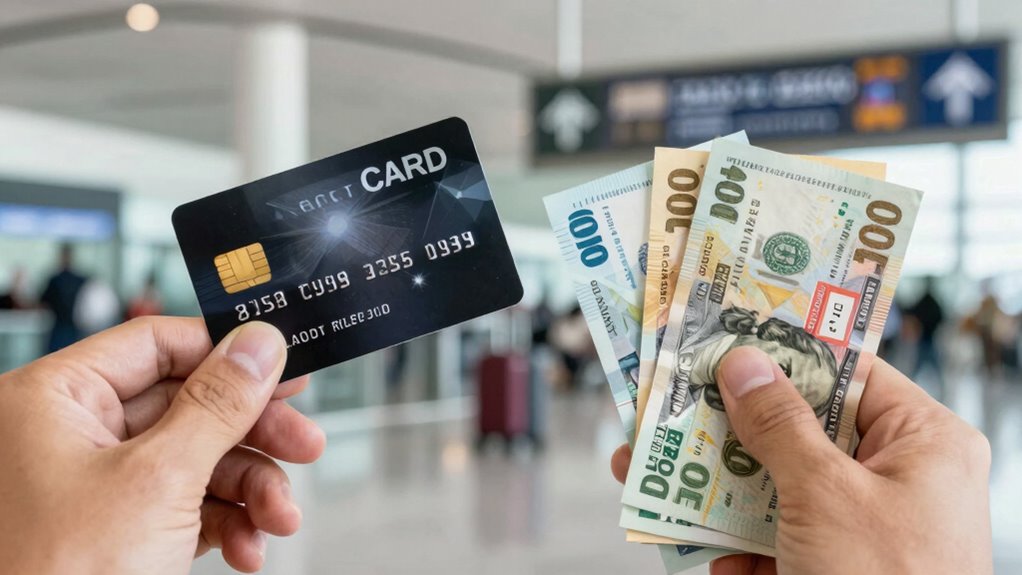
When unexpected emergencies happen while traveling, having cash or a card can give you immediate access to funds when you need them most. They also offer enhanced security measures, helping safeguard your money from theft or fraud. Being prepared with both options ensures you’re ready to handle any crisis swiftly and confidently. Additionally, understanding the horsepower of electric dirt bikes can be useful if you need alternative transportation options in remote areas.
Immediate Financial Access
Have you ever faced a travel emergency where quick access to funds made all the difference? When time is critical, having cash or a card nearby can be a lifesaver. With digital wallets and mobile payments, you can instantly transfer money or make purchases without fumbling for cash. Here are four ways they help:
- Access emergency funds instantly, avoiding delays.
- Pay for urgent needs like medical care or transportation.
- Use mobile payments abroad without currency exchange hassles.
- Securely transfer money to friends or family if you’re stranded.
Having a mix of cash and cards ensures you’re never left powerless. Digital wallets streamline your emergency response, making rapid financial access simple and reliable. Additionally, understanding essential oils for emergency relief can help manage stress and discomfort during stressful situations. In stressful moments, this quick reach to funds can save your trip—and your peace of mind.
Enhanced Security Measures
During travel emergencies, cash and cards offer crucial security benefits that can protect you from theft, fraud, or unexpected disruptions. Cards with biometric authentication add an extra layer of security, ensuring only you can access your funds. Contactless payments enable quick, secure transactions without exposing your PIN or card details. To maximize safety, consider the following:
| Security Feature | Benefit |
|---|---|
| Biometric Authentication | Prevents unauthorized access to your account |
| Contactless Payments | Reduces physical contact, minimizes theft risk |
| Emergency Card Replacement | Fast access to funds if your card is lost or stolen |
Additionally, understanding how security features impact overall transaction efficiency can help you better prepare for emergencies.
Wallet Checklist: Preparing for a Balanced Payment Strategy
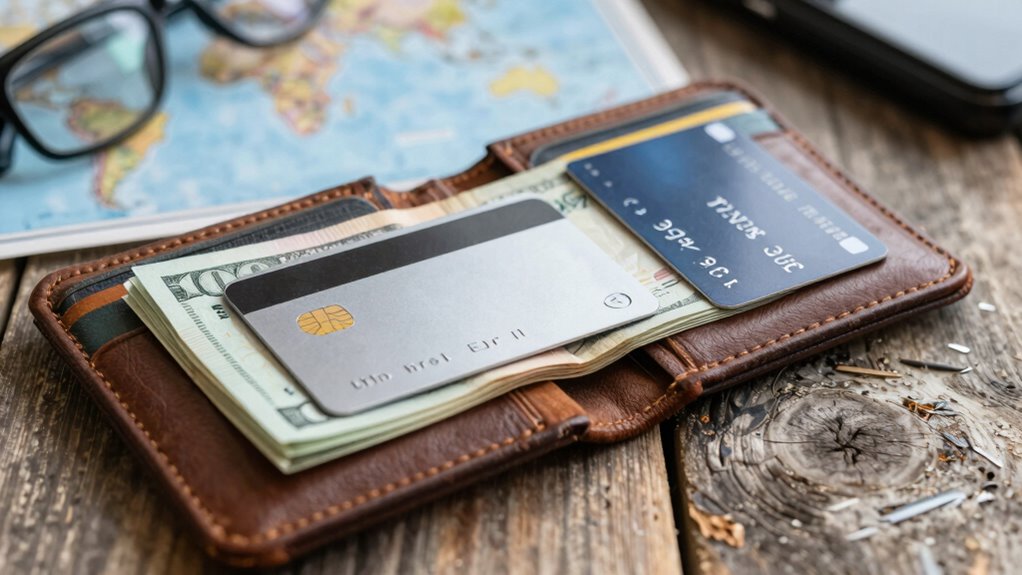
Creating a balanced payment strategy starts with assembling the right tools in your wallet. You want to feel confident and secure, knowing you’re prepared for any situation. Here’s what to include:
A secure payment strategy combines digital wallets, cash, and travel insurance for stress-free travel.
- A reliable digital wallet app for quick, contactless payments and added security.
- Cash in local currency for small purchases and places that don’t accept cards.
- Your travel insurance details, so you’re ready to handle emergencies promptly.
- A backup credit or debit card stored separately from your main card, in case of loss or theft.
Having these essentials ensures you’re covered financially and emotionally. Combining digital wallets with cash and travel insurance creates a flexible, stress-free payment strategy—ready for whatever your journey throws at you.
Frequently Asked Questions
How Do I Decide When to Rely Solely on Cash or Cards?
You should rely solely on cash when visiting remote areas or places with limited card acceptance. Use digital wallets for convenience in cities, but always carry some cash as backup. Consider your travel insurance coverage—if it offers theft or loss protection for cards, you might depend on them more. Balancing both guarantees you’re prepared for emergencies, avoiding disruptions if one payment method becomes unavailable.
What Are the Best Practices for Carrying Emergency Cash?
Carrying emergency cash is smart for unexpected situations, so you should always have a small, secure stash in your budget planning. Use a money belt or hidden pouch to keep it safe, and consider exchanging some currency before your trip to avoid high exchange fees. Spread your cash around, keeping some in your wallet and others in different secure spots, so you’re prepared for any emergency.
How Can I Minimize Foreign Transaction Fees With Cards?
You can minimize foreign transaction fees by using travel reward cards that waive or reduce these charges. Avoid dynamic currency conversion, which often comes with higher fees, by opting to pay in local currency. Additionally, check your card’s terms before traveling to guarantee it offers low or no foreign transaction fees. Using these strategies helps you save money while making purchases abroad, keeping your travel budget on track.
What Should I Do if My Card Gets Blocked Abroad?
It’s like hitting a dead end in a maze—you need quick action. Contact your bank’s emergency contacts immediately to report the block. They’ll guide you on getting a card replacement or temporary access. Keep your phone handy, have your account info ready, and stay calm. Knowing your bank’s 24/7 support lines guarantees you get help fast, turning a stressful moment into a manageable one.
Are There Specific Currencies Better Suited for Cash Payments?
You should consider currencies with widely accepted denominations, like USD, EUR, or GBP, for easier cash payments. These currencies often have flexible currency denominations, making cash exchange smoother. When exchanging money, opt for reputable exchange services to get fair rates. Carry a small amount of local currency for emergencies, and always keep some cash on hand for places that prefer cash payments, especially if your card gets blocked abroad.
Conclusion
Just like a seasoned explorer relies on both a compass and a map, combining cash and cards keeps your travel adventures smooth and secure. By balancing these tools, you’re prepared for any twist in the journey—whether it’s a sudden emergency or a local surprise. Embrace this dual approach and navigate your trip with confidence, knowing you’ve got both the trusted familiarity of cash and the convenience of cards guiding your way.