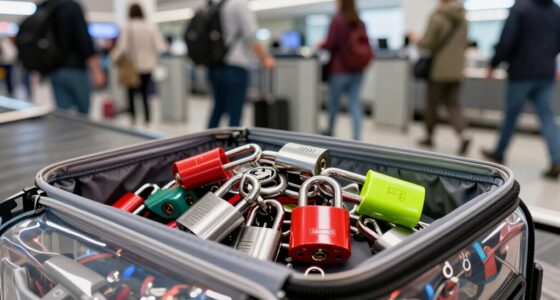
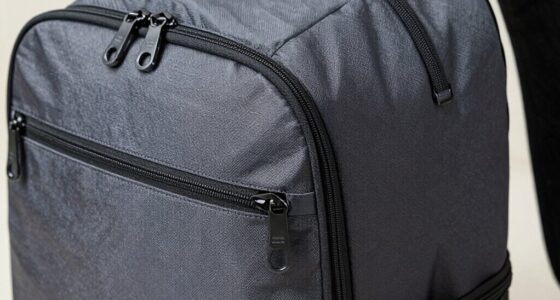
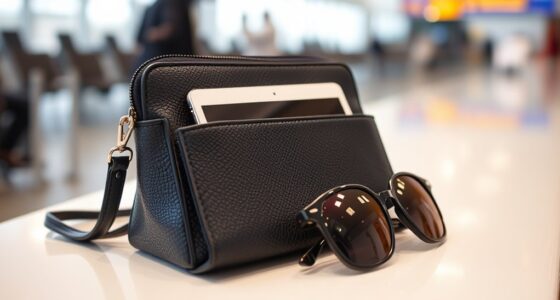
To avoid packing mistakes, it’s essential to know the difference between your carry-on and personal items. Carry-ons are larger and hold essentials like clothes, toiletries, and chargers, while personal items fit smaller belongings like passports, wallets, meds, and electronics for quick access. Familiarize yourself with airline size limits to prevent extra fees. Keep an eye on measurements, so you don’t overpack or go over weight limits—if you keep this in mind, you’ll pack smarter every time.
Key Takeaways
- Carry-on bags are larger and hold most clothing and essentials; personal items are smaller for quick access to valuables.
- Check airline size and weight restrictions for both carry-on and personal items before packing.
- Personal items should include passports, wallets, medications, and electronics for easy reach during travel.
- Use a separate compartment or pouch for each to avoid confusion and ensure quick retrieval at security.
- Prioritize essentials in your personal item and pack larger items in the carry-on to prevent overpacking and overweight bags.

Sweetcrispy Carry on Luggage, Hard Shell ABS Suitcase with Double Spinner Wheels, Lightweight Expandable Rolling Suit Case with TSA Lock, 21 Inch Charcoal Black
【Effortless Mobility with Dual-Wheel Design】Travel with ease using Sweetcrispy carry-on luggage, featuring a dual-wheel system for smooth and…
As an affiliate, we earn on qualifying purchases.
As an affiliate, we earn on qualifying purchases.
Why Choosing the Right Bag Can Save You Money

Choosing the right bag can substantially reduce your travel costs. When selecting luggage, prioritize durability to avoid frequent replacements and repair expenses. A well-made bag with sturdy materials lasts longer, saving you money over time. Additionally, branding considerations play a role; opting for reputable brands may cost more upfront but often means better quality, durability, and customer support. Cheap, poorly made luggage might seem like a bargain but can break or wear out quickly, leading to more purchases or lost belongings. Investing in a reliable, durable bag ensures your items stay protected, and you won’t need to replace it frequently. Overall, smart choices in luggage durability and branding considerations can minimize expenses, making your trips smoother and more budget-friendly. Incorporating quality materials into your selection process is essential for ensuring long-term value and reliability.

Taygeer Travel Backpack for Women, Carry On Backpack with Water Bottle Pocket & Shoe Pouch, TSA 15.6inch Laptop Mochila Flight Approved, Nurse Bag Casual Daypack for Weekender Business Hiking, Pink
Extra Shoe Bag & Wet Pocket: Large carry on backpack for women includes a bonus shoe bag to…
As an affiliate, we earn on qualifying purchases.
As an affiliate, we earn on qualifying purchases.
What Are the Differences Between Carry-On and Personal Items?

Understanding the differences between carry-on and personal items helps you pack smarter. Size limits and what you typically carry vary, affecting your convenience and accessibility. Knowing these factors guarantees you choose the right bag for your trip needs.
Size Restrictions and Limits
While airlines typically set specific size restrictions for both carry-on and personal items, these limits can vary widely between carriers. For carry-on bags, size restrictions usually focus on bag dimensions, such as 22 x 14 x 9 inches, and weight restrictions, often around 15-22 pounds. Personal items tend to have more flexible size limits but still need to fit under the seat, typically around 18 x 14 x 8 inches. To visualize, here’s a quick comparison: luggage size restrictions, which are crucial to understand to avoid issues during boarding.
Typical Contents and Uses
Carry-on bags are typically packed with clothing, toiletries, and essentials you’ll need during the flight, such as chargers, books, or snacks. They’re designed for luggage organization, helping you maximize space efficiently. You might include items like extra layers, a change of clothes, or travel accessories like headphones and masks. Personal items, on the other hand, usually hold smaller, more personal belongings like wallets, passports, medications, or electronics you want quick access to. They’re meant to complement your carry-on, making sure crucial items stay close. While carry-ons carry the bulk of your wardrobe and travel needs, personal items focus on convenience and accessibility. Understanding these typical contents helps you pack smarter, ensuring you’re prepared without overloading your luggage or missing essentials. Additionally, knowing the differences in bag types and their uses can help prevent packing errors and streamline your travel experience.
Accessibility and Convenience
When it comes to accessibility and convenience, personal items are designed to be within easy reach, so you can grab what you need without hassle. They’re ideal for accessible travel, allowing you quick access to essentials like your wallet, phone, or travel documents. Personal items are typically smaller and easier to carry, making them more travel ergonomic—reducing strain and simplifying organization. With a personal item, you don’t have to dig through your carry-on or overhead compartments, saving time and effort. This makes them perfect for keeping important items close at hand during your journey. Whether you’re steering through security checks or boarding the plane, the convenience of a personal item helps streamline your travel experience, ensuring everything you need is accessible when you need it most. Additionally, understanding the different types of travel bags can help you select the most suitable option for your needs.
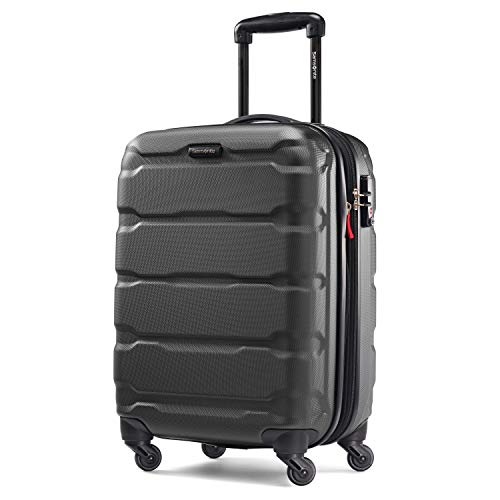
Samsonite Omni PC Hardside Expandable Luggage with Spinner Wheels, Black, Carry-On 20-Inch
20" SPINNER LUGGAGE maximizes your packing power and meets most carry-on size restrictions for those traveling domestically and…
As an affiliate, we earn on qualifying purchases.
As an affiliate, we earn on qualifying purchases.
How Do Airline Size Limits for Bags Vary?

Airlines set their size limits for carry-on and personal items, but these restrictions can vary considerably from one carrier to another. Some airlines allow larger bags, while others enforce strict dimensions to optimize cabin space. To avoid surprises, always check your airline’s specific guidelines before packing. Keep in mind that size limits impact your choice of travel accessories and luggage security measures, ensuring your bags fit comfortably in overhead compartments or under seats. Being aware of Rhythm Failure can also inspire you to pack music devices or entertainment for your journey. Here are key factors to consider:
Airline size limits vary; always check specific guidelines to ensure your bags fit comfortably onboard.
- Different dimension restrictions across airlines can affect your packing strategy.
- Weight limits may also vary, influencing how much you can pack without extra fees.
- Bag flexibility becomes essential for fitting within different size guidelines.
Knowing these variations helps you pack efficiently and avoid the hassle of last-minute rearrangements at the gate.
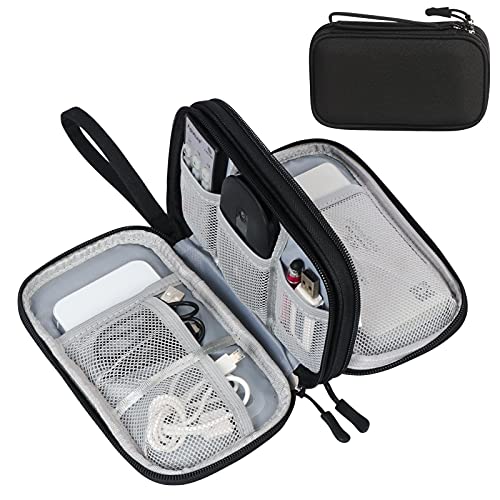
FYY Travel Cable Organizer Pouch Electronic Accessories Carry Case Portable Waterproof Double Layers All-in-One Storage Bag for Cord, Charger, Phone, Earphone Black
Dimensions: The Size of the cable storage travel case: 7.5" x 4.3" x 2.2". Compact size and lightweight…
As an affiliate, we earn on qualifying purchases.
As an affiliate, we earn on qualifying purchases.
What Should I Pack in My Carry-On for Easy Access?

To guarantee a smooth travel experience, pack essentials in your carry-on that you’ll need quick access to during the flight and at security. Include travel accessories like headphones, a neck pillow, and a reusable water bottle to stay comfortable. Keep your travel documents, such as your boarding pass and ID, easily reachable. Pack a small toiletry kit with items like hand sanitizer and lip balm to freshen up when needed. Follow packing tips by organizing these items in a dedicated compartment or travel pouch for quick retrieval. Also, include any medications or valuables you want close at hand. For those interested in automotive performance upgrades, consider carrying a small toolkit or maintenance items that might be useful during your trip. By prioritizing convenience and accessibility, you’ll avoid unnecessary stress and make your journey more enjoyable.
What Belongs in My Personal Item to Make Travel Easier?

Having the right items in your personal item can make your travel much smoother. It’s your go-to bag for essentials you need quick access to, so pack wisely. Consider including key travel accessories like a neck pillow, noise-canceling headphones, and a reusable water bottle. These items help you stay comfortable and hydrated during long waits or flights. Packing tips also include keeping important documents—passport, boarding passes, and travel insurance—in a designated pocket for easy retrieval. Don’t forget chargers and a power bank to keep your devices powered up. By organizing these essentials, you avoid digging through your bag and save time. Being aware of media literacy can help you identify trustworthy sources of information during your trip. A well-packed personal item ensures you’re prepared for any situation, making your journey less stressful and more enjoyable.
How Can I Avoid Packing Mistakes That Lead to Extra Fees?

To avoid extra fees, start by knowing your airline’s size limits for carry-on and personal items. Weigh your bags before packing to make sure they stay within allowed limits, and always check the airline’s fee policies beforehand. Being prepared helps you pack smart and avoid costly surprises at the gate. Additionally, understanding skincare product ingredients can help you select the right items to pack, especially if you’re bringing skincare products like glycolic acid treatments for your travel routine.
Know Airline Size Limits
Knowing your airline’s size limits for carry-on and personal items is essential to avoid unexpected fees. Each airline has specific dimensions and weight restrictions, so check them before packing. This helps ensure compliance with U.S. tax law updates, which often include regulations on baggage fees and airline policies. Prevents you from having to leave items behind or pay extra. To stay within guidelines, consider your luggage weight and develop a packing strategy that maximizes space without exceeding limits. Keep in mind:
- Dimensions restrictions for carry-ons and personal items
- Weight limits to prevent fees
- Items that are typically allowed or restricted
Weigh Before Packing
Before you start packing, weigh your luggage to make sure it stays within airline limits. Knowing your luggage weight helps prevent unexpected fees at check-in. Use a portable luggage scale or weigh yourself first, then weigh yourself holding your bag to determine its weight accurately. Focus on packing essentials first, and avoid overloading with unnecessary items. Remember, every extra ounce can push you over the limit and lead to costly charges. Keep a list of your essentials so you can pack smartly without excess. If your luggage exceeds the weight limit, consider removing non-essentials or redistributing items between bags. Weighing beforehand guarantees you’re prepared and helps you avoid surprises at the airport, keeping your travel stress-free and budget-friendly.
Understand Fee Policies
Understanding airline fee policies is essential to prevent unexpected charges at the airport. Familiarize yourself with baggage restrictions, as exceeding weight or size limits often results in extra fees. Check the airline’s luggage security rules to avoid packing prohibited items that could lead to delays or fines. Airport regulations vary, so review specific policies on both carry-on and personal items before packing. To stay compliant:
- Confirm weight and size limits for your luggage
- Understand fees for extra or oversized bags
- Know prohibited items that could incur fines
- Consider routine space and mindful packing strategies to reduce the risk of packing mistakes that lead to extra fees
How Do I Measure My Bags to Meet Airline Rules?

To guarantee your bags meet airline size restrictions, start by gathering a flexible measuring tape or a ruler. Measure your bag’s length, width, and height, ensuring you include the bag material’s thickness. Keep in mind that luggage security regulations often specify maximum dimensions for carry-ons and personal items. Be sure to check the airline’s size limits before measuring. If your bag is close to the limit, consider how the bag material might expand or compress, affecting its overall size. Use the measuring tape to get an accurate reading, and double-check all dimensions. This step helps you avoid surprises at the airport and ensures your luggage complies with airline rules, preventing delays or additional fees.
Frequently Asked Questions
Can I Use a Backpack as Both a Carry-On and Personal Item?
Yes, you can use a backpack as both a carry-on and personal item. When planning your travel packing strategies, choose a lightweight, compliant backpack that fits airline size restrictions. Keep in mind luggage weight tips by packing efficiently and avoiding overstuffing. This way, your backpack can serve as your personal item, holding essentials, while also functioning as your carry-on, simplifying your airport experience.
Are There Specific Materials That Help Bags Stay Lightweight?
You want bags that stay lightweight, so choose lightweight fabrics like nylon or polyester and durable materials like ripstop or ballistic nylon. These fabrics keep your bag light, resist tears, and withstand daily wear. Look for bags with minimal hardware and streamlined designs, which reduce weight further. By selecting bags made from these materials, you’ll enjoy easier packing and less strain during your travels, making your journey smoother and more enjoyable.
How Do I Distinguish Between a Personal Item and a Purse?
To distinguish between a personal item versus a purse, look at size and purpose. A personal item typically fits under the seat and can be a small bag, laptop case, or tote, while a purse is usually smaller and meant for essentials. When distinguishing small bags, consider their function—if it carries your daily essentials, it’s likely a purse; if it holds more, it’s probably a personal item.
What Are the Best Organizational Accessories for Small Bags?
To keep small bags organized, use travel packing tips like bag organization tools such as insert cubes, pouches, and clip-on compartments. These accessories maximize space and help you find essentials quickly. Consider clear, stackable pouches for toiletries, or slim, multi-compartment inserts for cosmetics and tech accessories. With these tools, you’ll stay tidy and efficient, making packing and accessing your items effortless during your trip.
Do Different Airlines Have Unique Rules for Bag Dimensions?
Airline baggage policies are like a dance, each airline with its own rhythm. You’ll find that dimension restrictions vary, turning your packing routine into a delicate balancing act. Some airlines allow larger personal items, while others tighten the leash with strict size limits. Always check your airline’s specific rules before packing, so your bag moves smoothly through security and onto the plane, avoiding surprises or extra fees.
Conclusion
Knowing the difference between your carry-on and personal item can save you up to $75 in baggage fees on some airlines. With 80% of travelers packing the wrong bag at least once, understanding size limits and packing smart can make your trip smoother and cheaper. So, double-check your bags’ measurements before heading to the airport, and you’ll avoid unnecessary charges and stress. Travel smarter—your wallet will thank you!