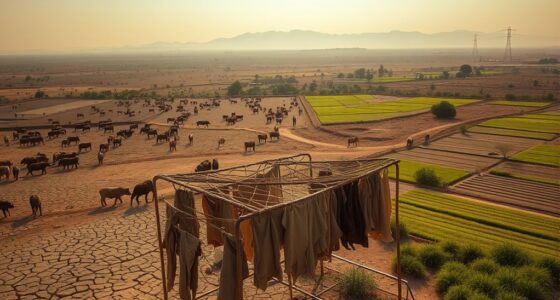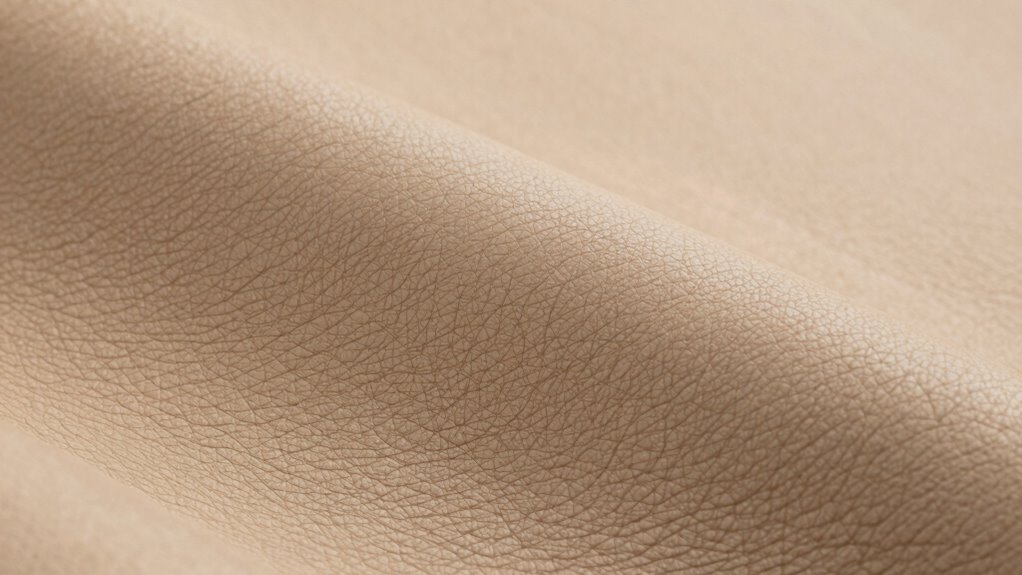

Plant-based leather is a sustainable alternative made from natural fibers like cork, pineapple leaves, mushroom mycelium, or cactus. It offers stylish, biodegradable options that reduce environmental impact, using fewer chemicals and water. While it’s eco-friendly and cruelty-free, quality varies, and durability can be a concern. To make smart choices, you need to understand the types, benefits, and how to spot high-quality products—there’s plenty more to contemplate if you want to learn how to pick the best options.
Key Takeaways
- Plant-based leather uses natural fibers like cork, pineapple leaves, mushroom mycelium, or cactus, offering eco-friendly alternatives to traditional leather.
- These materials are biodegradable, cruelty-free, and require fewer chemicals and water during production.
- Durability varies; some types may crack or fade faster, making quality craftsmanship and transparency important.
- Certifications and clear sourcing information help identify high-quality, sustainable plant-based leather products.
- Despite environmental benefits, production challenges include higher costs and limited scalability compared to synthetic options.

Corkor RFID Wallet With Coin Pocket -RFID Blocking – Vegan Leather – Cruelty Free – Eco Friendly – Black
Bifold Wallet with Coin Pocket: Keep your cards and cash organized with Corkor's handcrafted wallet for men, made…
As an affiliate, we earn on qualifying purchases.
As an affiliate, we earn on qualifying purchases.
What Is Plant-Based Leather and How Is It Made?
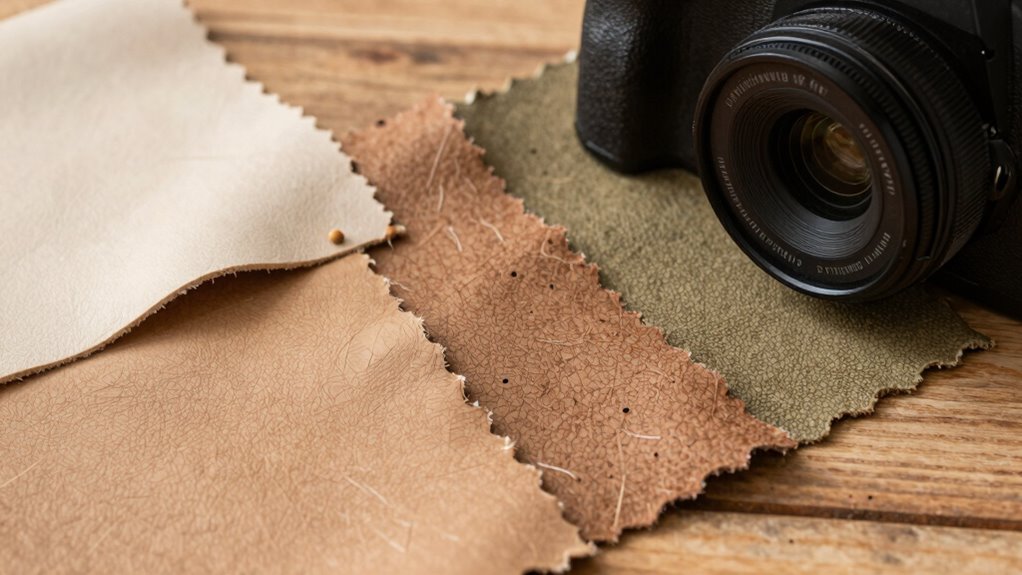
Plant-based leather is a sustainable alternative to traditional animal-derived leather, made from natural materials rather than animals. Unlike synthetic alternatives, which often rely on plastics and chemicals, plant-based options focus on ethical sourcing and eco-friendliness. Makers extract fibers from sources like cork, pineapple leaves, apple peels, or mushroom mycelium, transforming them into durable, leather-like materials. These processes typically involve minimal chemicals and water, ensuring a lower environmental footprint. You’ll find that plant-based leathers are biodegradable and cruelty-free, aligning with ethical values. By choosing these materials, you support sustainable practices and reduce reliance on animal products. Additionally, eco-friendly manufacturing techniques help minimize resource consumption and pollution. This innovative approach offers a compelling, eco-conscious alternative that combines durability, style, and ethical principles—all without compromising quality.

Corkor Cork Purse Vegan Handbag for Women | Cruelty Free Satchel Non Leather | Roomy Bag Rustic
ROOMY INTERIOR with many pockets; Perfect for your daily commuting
As an affiliate, we earn on qualifying purchases.
As an affiliate, we earn on qualifying purchases.
What Are the Main Types of Plant-Based Leather and Their Features?

Among the main types of plant-based leather, cork leather stands out for its lightweight, waterproof, and antimicrobial properties. It’s a popular choice in vegan fashion, offering a natural alternative to synthetic options. Other notable types include pineapple leather (Piñatex), made from pineapple leaf fibers, and mushroom leather (mycelium), which is biodegradable and sustainable. Cork and mushroom leathers excel in durability and eco-friendliness, while cactus leather is known for its softness and water resistance. These materials often mimic the look and feel of traditional leather, making them appealing for various fashion items. They provide eco-conscious consumers with stylish, cruelty-free options that challenge the dominance of synthetic alternatives. Additionally, accessibility features in fashion products are increasingly incorporated to make sustainable fashion more inclusive. Overall, these plant-based leathers continue to evolve, shaping the future of sustainable fashion.

Dr. Scholl's Shoes Men's Sync Plain Toe Dress Casual Oxford, Dark Tan Smooth, 10 Wide US
PROFESSIONALLY CRAFTED: Soft neoprene tongue & collar for comfortable fit to wear to the office or party
As an affiliate, we earn on qualifying purchases.
As an affiliate, we earn on qualifying purchases.
What Are the Benefits of Using Plant-Based Leather for Sustainability and Style?
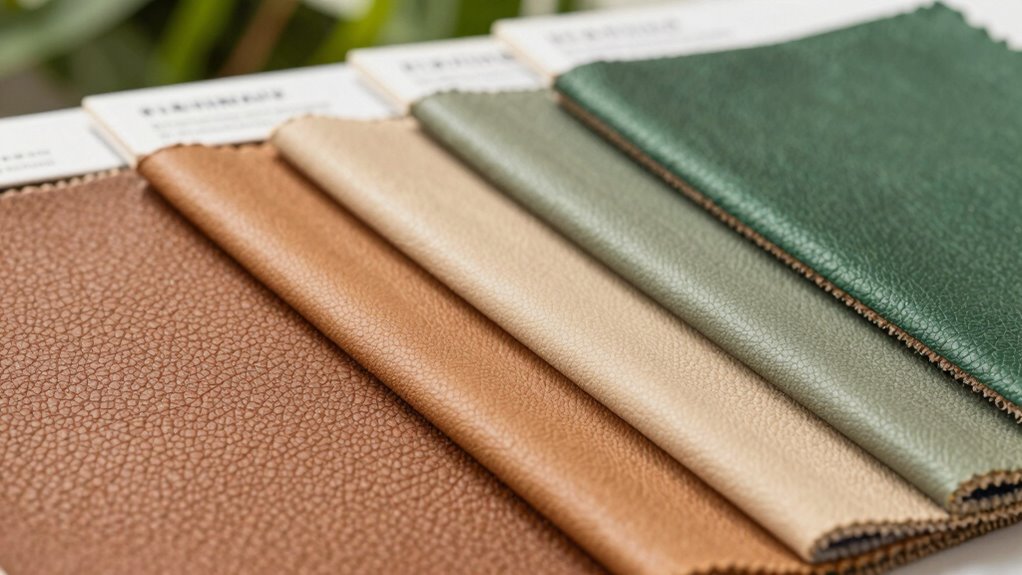
Have you ever wondered how choosing plant-based leather can benefit both the planet and your style? It’s a smart move for sustainability and fashion. Plant-based leathers are biodegradable, breaking down naturally and reducing waste. They also serve as vegan alternatives, helping you avoid animal products. This eco-friendly option often requires fewer resources to produce, lowering your environmental footprint. Additionally, many plant-based leathers incorporate sustainable fabric technology, enhancing their eco-credentials. Plus, plant-based leathers come in diverse styles, textures, and colors, so you can stay trendy while making an ethical choice. Here’s a quick look at the benefits:
| Benefit | Explanation | Impact |
|---|---|---|
| Biodegradability | Breaks down naturally, reducing waste | Less landfill contribution |
| Vegan alternatives | No animal products needed | Ethical, cruelty-free |
| Sustainability | Uses fewer resources, eco-friendly practices | Less environmental harm |

ZOUITY Leather Leaf Fruit Keychain Retro Accessories,Cute Keychains for Women Wallet Bag,Purse Keyring Holder,Women's Key Organizer and Keychains Pendant Charms(Pineapple)
✔【Details and Craftsmanship】:This fruit themed keychain is meticulously crafted with a combination of leather and vintage metal clasps….
As an affiliate, we earn on qualifying purchases.
As an affiliate, we earn on qualifying purchases.
What Are the Challenges and Limitations of Plant-Based Leather?

While plant-based leather offers many benefits, it also faces challenges that can affect its adoption. You might notice issues with durability and wear resistance, making it less suitable for long-term use. Additionally, concerns around production costs, scalability, and environmental impacts need careful consideration before widespread use. The material composition of plant-based leather can influence its overall performance and consumer acceptance.
Durability and Wear Resistance
Despite its eco-friendly appeal, plant-based leather often faces challenges when it comes to durability and wear resistance. Unlike synthetic alternatives, plant-based options can be more prone to cracking, fading, and losing shape over time. This impacts their longevity, especially with frequent use. You might notice that vegan options, while sustainable, sometimes don’t match the resilience of traditional leather. To improve wear resistance, manufacturers experiment with coatings and blends, but these solutions aren’t always perfect. The natural fibers in plant-based materials can degrade faster under stress, moisture, and sunlight. Additionally, selecting appropriate paint sprayer tips and ensuring proper application techniques can help enhance the coating’s adhesion and durability. As a result, maintaining the appearance and functionality of plant-based leather requires more careful handling compared to conventional or synthetic options. Durability remains a key hurdle for widespread adoption of plant-based leather in high-use applications.
Cost and Scalability Challenges
One of the main hurdles facing plant-based leather is its higher production cost compared to traditional leather and synthetics. A detailed cost analysis reveals that raw materials, specialized processing, and smaller-scale manufacturing drive up expenses. These factors pose significant scalability hurdles, making it difficult to produce plant-based leather at a large scale while keeping costs competitive. Unlike traditional leather, which benefits from established supply chains, plant-based options often rely on novel, less-developed infrastructure. As a result, expanding production capacity requires substantial investment and innovation, which can slow adoption and increase prices. Additionally, sound healing science research into cellular regeneration and health benefits highlights the importance of overcoming these economic challenges to fully realize plant-based materials’ potential. Overcoming these cost and scalability challenges is vital for making plant-based leather more accessible and viable as a sustainable alternative across industries.
Environmental Impact of Production
Producing plant-based leather presents several environmental challenges that can limit its sustainability benefits. One key issue is the biodegradability comparison, which varies widely among materials and affects disposal impacts. Additionally, water footprint analysis reveals that some plant-based leathers require significant water use during cultivation and processing, undermining their eco-friendliness. These materials often depend on intensive agricultural practices, contributing to land degradation and resource depletion. Furthermore, the energy used in manufacturing can offset some environmental gains. Other challenges include the use of chemical tannins or additives, which may introduce pollution. Additionally, the biodegradability of plant-based materials varies, influencing waste management strategies. Finally, scalability remains a concern, as producing enough material without excessive resource consumption is difficult. Addressing these limitations is essential to genuinely improve the environmental profile of plant-based leather.
How Can You Tell if a Plant-Based Leather Product Is High Quality?

To ascertain if a plant‑based leather product is high quality, start by checking its material composition and transparency—know what’s inside. Look closely at the craftsmanship and finish, as well-made pieces will feel sturdy and refined. Additionally, consider the brand’s reputation and certifications to ensure you’re choosing a trusted, ethical product. Keep an eye out for free floating aspects in the product’s design, which can indicate a natural and sustainable approach.
Material Composition Transparency
Understanding the material composition of a plant-based leather product is key to determining its quality. Transparent labeling reveals whether the product uses genuine plant fibers or relies heavily on synthetic alternatives, which can affect durability and sustainability. Look for details about the sourcing of raw materials to ensure ethical sourcing practices are followed. High-quality plant-based leathers often list the specific ingredients, such as cork, pineapple leaf fibers, or mushroom mycelium, rather than vague terms. Additionally, check if the manufacturer discloses any chemical treatments or additive use, as excessive chemicals may compromise eco-friendliness. Here are some indicators to consider:
- Clear breakdown of material ingredients
- Certification labels (e.g., GOTS, FSC)
- Transparency about synthetic vs. natural components
- Details on ethical sourcing practices
- Information on chemical treatments used
- Material composition transparency helps consumers assess the authenticity and sustainability of the product.
Craftsmanship and Finish
Examining the craftsmanship and finish of a plant-based leather product offers valuable clues about its overall quality. High-quality options typically feature smooth, even surfaces with consistent coloring, reflecting careful manufacturing. Look closely at the stitching—tight, uniform stitches indicate durability and attention to detail. A well-finished product should have clean edges without fraying or glue marks. Since synthetic alternatives are often used, quality craftsmanship ensures the material’s longevity and resistance to wear. Additionally, consider the stair proportions behind the design, which can influence both aesthetics and durability of furnishings. Additionally, consider the ethical sourcing behind the product; transparent sourcing often correlates with better craftsmanship standards. Ultimately, a finely finished plant-based leather item demonstrates that the maker prioritized quality over hype, ensuring you get a durable, beautiful product that aligns with sustainable practices.
Brand Reputation and Certifications
A reputable brand and credible certifications are key indicators of a high-quality plant-based leather product. When evaluating options, consider the company’s history and consumer feedback, as these reflect its brand reputation. Certifications from recognized organizations verify the material’s sustainability, safety, and ethical standards. Look for labels such as FSC or B Corp to guarantee responsible practices. Transparency in sourcing and manufacturing processes is also essential. Additionally, reputable brands often provide detailed information about their materials and production methods, giving you confidence in their quality. Keep an eye out for third-party verification, as it adds an extra layer of trust. Ultimately, a combination of strong brand reputation and verified certifications helps you identify plant-based leather products that meet high standards of quality and integrity.
Is Plant-Based Leather the Right Choice for You? : Final Thoughts
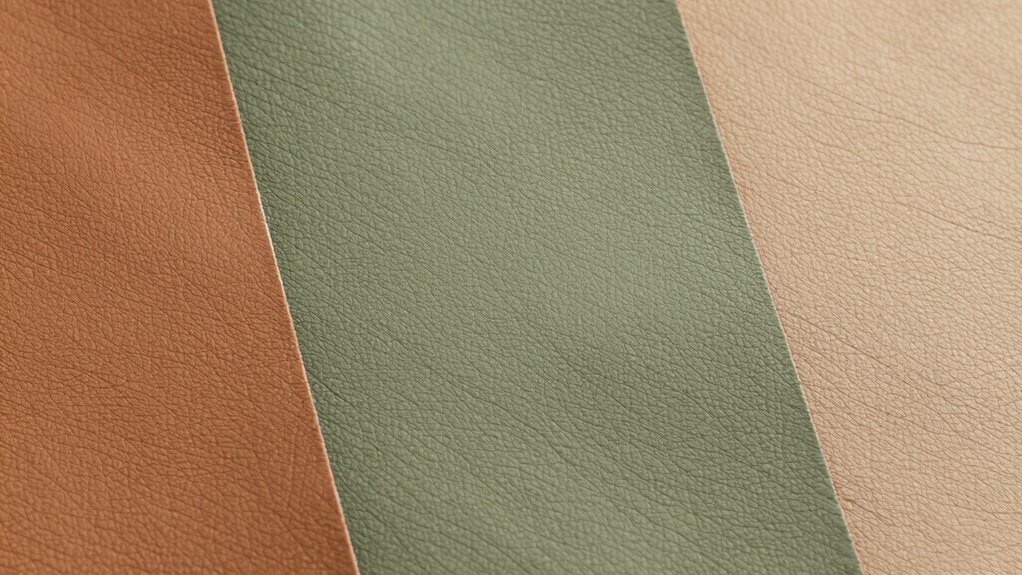
Deciding whether plant-based leather is the right choice depends on your priorities and values. If you value sustainability and eco-friendly materials, plant-based options align well with those goals. Consider how fashion trends influence your wardrobe—plant-based leathers are gaining popularity, reflecting a shift toward ethical consumer preferences. If you’re seeking a material that reduces environmental impact without sacrificing style, this could be a good fit. However, if durability or traditional aesthetics matter most to you, it’s worth researching specific brands and materials further. Ultimately, your decision hinges on balancing your concerns about sustainability, style, and longevity. By staying informed about the latest developments and certifications, you can choose a plant-based leather that aligns with your values and fashion sense.
Frequently Asked Questions
How Does Plant-Based Leather Compare in Durability to Traditional Leather?
You’ll find that plant-based leather generally has lower durability than traditional leather. It often has less tensile strength, meaning it’s more prone to tearing under stress. Additionally, its abrasion resistance isn’t as high, so it wears out faster with regular use. While some brands improve these qualities with special coatings or treatments, overall, plant-based leather tends to be less durable compared to genuine leather, especially over time.
Are There Any Health Risks Associated With Plant-Based Leather Production?
You should know that plant-based leather production generally poses minimal health risks, but chemical exposure during manufacturing can be a concern. Some processes use chemicals that might cause allergenic reactions or irritate your skin. To stay safe, look for brands that prioritize non-toxic, eco-friendly methods and transparency about their production. Being aware of these factors helps you make healthier, more informed choices when selecting plant-based leather products.
Can Plant-Based Leather Be Recycled or Composted Easily?
You can compost some plant-based leather, but biodegradability challenges make it complicated. Many materials aren’t designed for easy composting, so their composting feasibility varies. While certain plant-based leathers may break down over time, others resist decomposition due to treatments or composites. To guarantee eco-friendliness, check if the product is certified compostable. This way, you can better understand its environmental impact and how to dispose of it responsibly.
What Is the Average Cost Difference Between Plant-Based and Genuine Leather?
The cost comparison shows that plant-based leather is generally more affordable than genuine leather, though prices can vary. You might find plant-based options ranging from 20% to 50% less expensive, making them a more budget-friendly choice. When doing an affordability analysis, consider factors like durability and environmental impact, but overall, plant-based leather tends to be easier on your wallet while offering a sustainable alternative.
How Does Plant-Based Leather Perform in Extreme Weather Conditions?
Plant-based leather generally struggles with extreme weather conditions. It has limited weather resilience, especially in heavy rain or intense sunlight, which can cause it to degrade or lose flexibility. While some materials offer good flexibility in moderate temperatures, exposure to harsh weather can compromise its durability. So, if you’re looking for a material that withstands extreme weather, plant-based leather might not be the best choice.
Conclusion
Choosing plant-based leather means embracing sustainability without sacrificing style. While it’s not perfect, it’s a step toward a greener future—like planting a seed for change. By understanding its types, benefits, and limitations, you can make informed choices that align with your values. So, will you take a leap and wear your conscience on your sleeve? The decision’s in your hands, and every small step counts toward a more sustainable world.