Cotton and canvas are traditional textile materials valued for their natural properties and versatility. Cotton offers softness, breathability, and moisture absorption, making it perfect for comfortable clothing and linens. Canvas, on the other hand, is a heavy-duty fabric known for its strength and durability, ideal for outdoor gear and workwear. Both materials are renewable and eco-friendly options, especially when produced responsibly. Keep exploring to discover how these fabrics can suit your needs.
Key Takeaways
- Cotton is a natural, soft, breathable fiber ideal for comfortable clothing and linens.
- Canvas is a heavy-duty, durable fabric traditionally made from tightly woven cotton or linen.
- Both materials are renewable and support sustainable textile practices.
- Cotton’s moisture absorption enhances comfort, while canvas’s strength suits rugged applications.
- These fabrics are widely used in apparel, outdoor gear, and home textiles due to their durability and eco-friendliness.
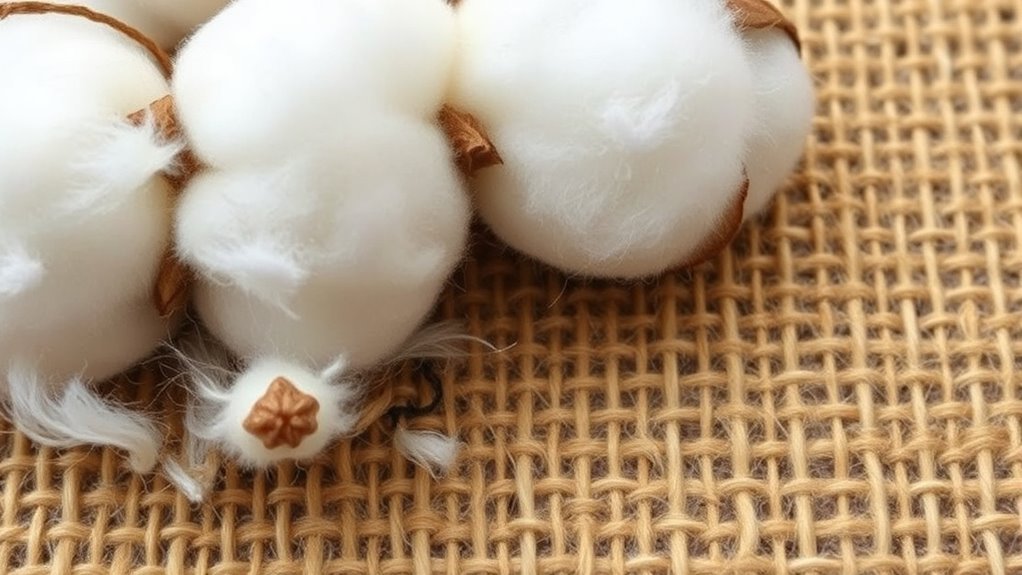
Have you ever wondered what makes textiles suitable for different uses? It all comes down to their properties and how they’re made. When you look at traditional materials like cotton and canvas, you’re seeing some of the most versatile and enduring options out there. Cotton, in particular, is a natural fiber known for its softness, breathability, and durability. Its natural fiber properties make it ideal for everyday clothing, towels, and bed linens. Cotton absorbs moisture well, which keeps you comfortable in hot weather, and its versatility allows it to be woven into a variety of textures and weights. Plus, because cotton is a renewable resource, it’s often considered a sustainable fabric option, especially when grown responsibly. This sustainability factor is increasingly important today, as consumers seek eco-friendly alternatives that reduce environmental impact.
Canvas, on the other hand, is a heavy-duty woven fabric traditionally made from cotton or linen. Its rugged texture and strength come from the tight weave and durable fibers, making it perfect for applications that require toughness—such as tents, backpacks, and workwear. Canvas reflects a different aspect of natural fiber properties: resilience and longevity. These qualities ensure that items made from canvas can withstand rough conditions and last for years. Because canvas is primarily made from natural fibers like cotton, it also aligns with sustainable fabric options. It’s biodegradable and can be produced with minimal chemical treatments, especially when sourced from organic cotton. This makes it a popular choice for environmentally conscious brands and consumers. Additionally, the properties of natural fibers influence their suitability for various uses, emphasizing the importance of material choice in sustainable textiles.
Both cotton and canvas highlight how natural fiber properties influence their uses. Cotton’s softness and breathability make it suitable for clothing that needs to be comfortable and gentle on the skin, while canvas’s strength and durability cater to products that require toughness and resilience. Additionally, since these fabrics are derived from renewable resources, they support sustainable practices in textile production. Choosing materials like cotton and canvas not only provides functional benefits but also aligns with eco-friendly values, helping reduce reliance on synthetic, petroleum-based fabrics that can harm the environment.
Frequently Asked Questions
How Are Cotton and Canvas Environmentally Sustainable?
Cotton and canvas are environmentally sustainable because they offer biodegradability benefits, breaking down naturally without harming the environment. When you choose products made from these materials, you’re supporting sustainable farming practices that reduce chemical use and conserve water. This eco-friendly approach helps lower your carbon footprint and promotes healthier ecosystems, making cotton and canvas better choices for those wanting to minimize environmental impact while enjoying durable, natural textiles.
What Are the Best Care Practices for Cotton and Canvas?
Imagine you’re living in a time of change, like the dawn of the digital age, and you want your cotton and canvas to last. You should wash them with gentle fabric softening to keep softness and prevent wear. Always treat stains promptly with suitable stain removal techniques, and avoid harsh detergents. Air dry your textiles when possible, and follow care labels to guarantee durability and longevity for your treasured pieces.
Can Cotton and Canvas Be Recycled or Repurposed?
You can definitely recycle and repurpose cotton and canvas. Recycling methods include turning worn-out textiles into insulation or cleaning rags. For repurposing ideas, consider transforming old cotton into reusable shopping bags, quilts, or art projects. By finding creative ways to reuse these materials, you help reduce waste and extend their life. So, embrace your DIY spirit and explore different recycling methods and repurposing ideas to give your textiles a second chance.
How Do Textile Dyes Affect Cotton and Canvas Durability?
Textile dyes can impact cotton and canvas durability by affecting fiber colorfastness and dye penetration depth. If dyes don’t penetrate deeply, colors may fade quickly with washing or exposure to sunlight. Poor dye fixation weakens fibers over time, reducing strength and longevity. Choosing high-quality dyes and proper dyeing techniques ensures better fiber colorfastness, maintaining the durability of your cotton and canvas items and keeping them looking vibrant longer.
Are There Hypoallergenic Options Within Cotton and Canvas Fabrics?
You can definitely find hypoallergenic options within cotton and canvas fabrics. Think of it as a breath of fresh air for sensitive skin. Look for hypoallergenic treatments applied during manufacturing, which reduce allergic reactions. Organic cotton options are also a safe bet, as they’re grown without chemicals or dyes that often cause irritation. These choices help keep your skin comfortable and free from allergens, making your textile experience worry-free.
Conclusion
So, next time you slip into your favorite cotton tee or clutch that trusty canvas bag, remember—you’re practically carrying centuries of tradition on your shoulders. These materials may seem simple, but they’ve survived wars, trends, and the test of time. Who knew that humble fibers could be so rebellious? So go ahead, celebrate the classics—after all, they’ve been pulling off the “fashionably durable” look long before it was trendy.