
When selling or buying vintage bags, you must verify their authenticity to avoid counterfeit issues and legal trouble. Make sure to understand import/export laws in your country, as these regulate cross-border sales and customs procedures. It’s also important to have proof of ownership to prevent handling stolen goods. Additionally, comply with local laws regarding licenses and taxes for resale. Staying informed on these legal aspects helps you trade safely—if you continue, you’ll discover more tips to stay compliant.
Key Takeaways
- Verify the authenticity of vintage bags through reputable experts to avoid counterfeit legal issues.
- Comply with import/export laws and customs regulations when trading internationally.
- Ensure proper ownership documentation to prevent purchasing or selling stolen or illegally obtained items.
- Obtain necessary licenses and adhere to sales tax laws for resale activities in your jurisdiction.
- Stay informed about local laws to maintain legal compliance in online or physical vintage bag transactions.
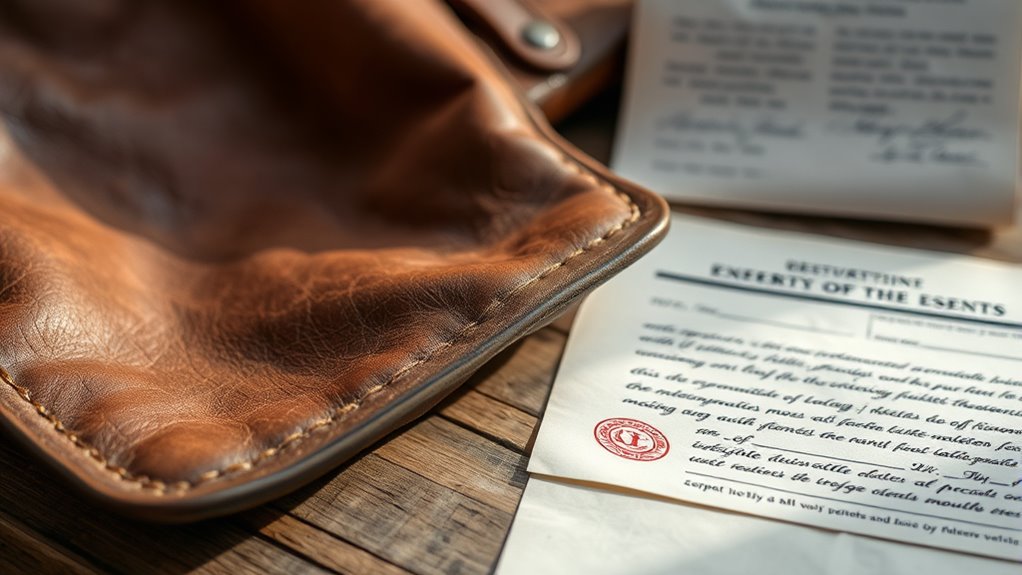
Are you aware of the legal considerations involved in buying and selling vintage bags? Navigating this market isn’t just about finding that perfect piece; it also requires understanding the rules that keep transactions legitimate and protect both buyers and sellers. One critical aspect is authenticity verification. When you deal with vintage bags, especially high-end brands, confirming their authenticity is essential. Counterfeit items flood the market, and selling or buying a fake can lead to legal trouble, fines, or even criminal charges. Make sure you verify a bag’s authenticity through reputable experts or authentication services before completing any transaction. This step not only safeguards your reputation but also ensures you’re complying with laws that aim to prevent counterfeit trading.
Another key legal factor to consider involves import/export regulations. If you’re buying vintage bags from another country or planning to sell internationally, you must familiarize yourself with the applicable laws. Different countries have specific import/export restrictions, tariffs, and customs procedures. Failing to adhere to these regulations can result in seized shipments, hefty fines, or legal disputes. For example, some countries restrict the export of certain vintage or cultural items, and you could unintentionally violate these laws if you’re unaware. Always research the destination country’s import/export policies before making international transactions. Working with reputable sellers or customs brokers can help you navigate these legal hurdles smoothly.
Additionally, it’s crucial to understand the legal implications of provenance and ownership rights. When purchasing a vintage bag, verify that the seller has the legal right to sell it. This is especially important for items that might have been stolen, lost, or illegally obtained. Laws concerning stolen property are strict, and unknowingly buying such items can lead to civil or criminal liabilities. Always request documentation or proof of ownership when possible. This not only confirms the legitimacy of the sale but also shields you from potential legal issues down the line. Being aware of authenticity verification procedures can further protect your investment and legal standing.
Finally, familiarize yourself with any local laws that govern vintage goods sales, including licensing requirements or sales taxes. Some jurisdictions require sellers to have a business license or collect sales tax, even for secondhand items. Failure to comply can result in penalties or legal action. Whether you’re selling at a market, online, or through private transactions, knowing these laws helps you operate within the legal framework.
Frequently Asked Questions
Are Vintage Bags Exempt From Import Taxes?
You might be exempt from import taxes on vintage bags if your country offers vintage exemptions or special tariffs for older items. However, this varies depending on your location and the specific regulations in place. Check with your customs authority because some regions have relaxed rules for vintage or antique items, potentially reducing or eliminating import taxes. Always verify current laws to avoid surprises when bringing vintage bags into your country.
How Can I Verify a Vintage Bag’s Authenticity Legally?
To verify a vintage bag’s authenticity legally, you should start with authenticity verification from a reputable expert or appraiser. Request legal documentation, such as a certificate of authenticity or original purchase receipt, to support its legitimacy. You can also compare the bag’s details with official brand records or consult authorized dealers. Doing this guarantees you’re protected and compliant with resale laws, giving you confidence in your purchase or sale.
What Are the Legal Rights if a Vintage Bag Is Counterfeit?
If you find out your vintage bag is counterfeit, you have legal rights under counterfeit laws. You can seek a refund, return the item, or pursue damages from the seller. Always verify authenticity before buying, using proper authenticity verification methods. Keep records of your purchase and communication, as they help support your case. Remember, laws protect you from fraud, so don’t hesitate to take action if you’re sold a fake.
Can I Sell Vintage Bags Online Without Licensing?
You can sell vintage bags online without licensing in many cases, but you must follow online marketplace regulations and seller licensing requirements. Check the platform’s rules, as some may need you to register or obtain a license, especially if you’re selling regularly or at a high volume. Failing to comply could lead to account suspension or legal issues. Always research local laws to guarantee you’re operating within legal boundaries when selling vintage bags online.
Are There Restrictions on Reselling Vintage Designer Bags?
Think of reselling vintage designer bags as steering a winding river—you need to follow the currents. Vintage resale regulations and designer bag resale laws set boundaries you must respect. You’re allowed to sell, but restrictions like trademark laws and authenticity verification guarantee you don’t veer off-course. Ignoring these rules risks legal rapids, so always stay informed, keep proper documentation, and respect intellectual property to keep your resale journey smooth and lawful.
Conclusion
Steering laws on selling and buying vintage bags might seem tricky, but staying informed makes it simple. You might worry about legal pitfalls, but as long as you verify authentic documentation and adhere to regulations, you’re covered. Remember, responsible transactions protect both you and the seller. So, don’t let fear hold you back—embrace the vintage bag market confidently, knowing you’re compliant. With a little research, you can enjoy your stylish finds without any legal worries.