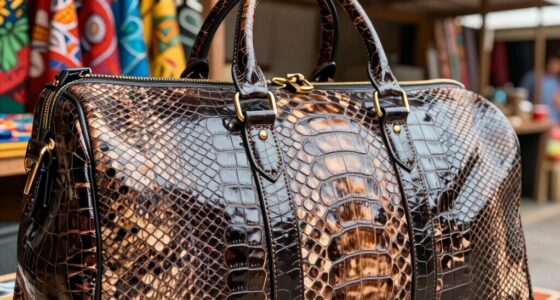

The legal battle over “Baguette” bag trademark rights involves major fashion brands trying to protect their name and market exclusivity, which is threatened by disputes over whether “Baguette” is a trademark or a generic term. Claimants argue they own the brand, while opponents claim it’s descriptive or fair use. This conflict impacts brand reputation, market control, and future protections. If you want to understand how this case unfolds and its industry implications, there’s more to uncover.
Key Takeaways
- The dispute centers on trademark rights and brand exclusivity for the “Baguette” name, originally popularized by Louis Vuitton.
- Trademark infringement concerns arise from unauthorized use that causes consumer confusion and dilutes brand value.
- Legal arguments differentiate between protected trademarks and descriptive or generic use of the term “Baguette.”
- Courts have varied in rulings, balancing brand protection against free speech and descriptive language rights.
- Trademark enforcement and market surveillance are critical to maintaining brand integrity and preventing counterfeit proliferation.
Louis Vuitton Baguette bag
As an affiliate, we earn on qualifying purchases.
As an affiliate, we earn on qualifying purchases.
The Origins of the “Baguette” Name in Fashion

The “Baguette” name in fashion traces back to the early 2000s when it was popularized by the luxury brand Louis Vuitton. This moment marked a significant point in historical branding, as the bag became a symbol of luxury and exclusivity. Cultural influences played a key role, with the bag’s sleek, compact design echoing Parisian style and European sophistication. The term “Baguette” was chosen to evoke the shape of a French bread, tying the product to French culture and heritage. Louis Vuitton’s marketing leveraged these cultural associations, establishing the bag as a must-have accessory. Over time, the “Baguette” name grew in popularity, cementing its place in fashion history and influencing subsequent branding strategies within the luxury industry. Additionally, the distinct vintage decor of Louis Vuitton’s early campaigns helped to reinforce the bag’s timeless appeal and desirability. The trademark rights associated with the “Baguette” name have been the subject of ongoing legal debates, highlighting the importance of intellectual property in fashion branding. These legal disputes underscore how valuable and contested such iconic product names can be in the competitive luxury market. Recognizing the cultural significance of the “Baguette” also contributed to its iconic status in fashion history. A deeper understanding of brand recognition reveals how influential branding can be in establishing an item’s iconic status.

ALDO Women's Legoirii Tote Bag, Black
This spaciously stylish tote bag boasts ample storage space and shoulder strap for extra utility
As an affiliate, we earn on qualifying purchases.
As an affiliate, we earn on qualifying purchases.
Key Players Involved in the Trademark Dispute

Several key players are at the center of the trademark dispute over the “Baguette” name, each with vested interests in protecting their brand identities. Major fashion houses are involved, leveraging celebrity endorsements and fashion collaborations to boost their market presence. These brands aim to secure exclusive rights to the “Baguette” trademark to prevent competitors from capitalizing on its popularity. Celebrities endorsing these brands also influence the dispute, as their association with certain labels can sway public perception and brand value. Both sides recognize that controlling the “Baguette” name impacts their marketing strategies and reputation. As a result, each player actively defends their claims through legal channels, making this dispute a high-stakes battle over trademark rights and brand dominance in the fashion industry.
designer bag protection case
As an affiliate, we earn on qualifying purchases.
As an affiliate, we earn on qualifying purchases.
Trademark Law Principles Relevant to Fashion Brands

Understanding trademark law is essential for fashion brands aiming to protect their unique identities. You need to be aware of concepts like trademark dilution, which occurs when a famous mark’s distinctiveness is harmed through unauthorized use, even without confusion. This principle helps brands defend against genericization risks, where a trademark becomes so common that it loses its exclusive legal rights. For example, if a brand’s name or logo becomes associated with an entire product category rather than its specific source, it risks losing trademark protection. To safeguard your brand, you must actively monitor how your marks are used in the marketplace and take prompt action against infringing or dilutive uses. These principles help ensure your brand remains distinctive and legally protected over time. Additionally, understanding trademark enforcement strategies related to your branding assets can prevent digital infringement or misuse that could weaken your trademark rights. Staying vigilant about trademark monitoring is crucial for maintaining the strength and exclusivity of your trademarks in a competitive environment. Regularly conducting market surveillance can help identify unauthorized uses early, preventing potential dilution or loss of rights. Moreover, implementing clear branding guidelines within your organization can help maintain consistent use of your marks and reinforce their distinctiveness.
fashion brand trademark protection
As an affiliate, we earn on qualifying purchases.
As an affiliate, we earn on qualifying purchases.
Arguments Presented by the Claimants

You can see that the claimants argue they own the trademark and that their brand identity is at stake. They also emphasize the risk of consumer confusion in the market. These points form the core of their case against the opposition.
Trademark Ownership Challenges
Claimants argue that their use of the Baguette Bag trademark has established distinctiveness and consumer recognition over time. They assert that consistent brand licensing and marketing efforts have strengthened their claim, making the mark uniquely associated with their products. They contend that even with multiple users, their brand’s reputation remains intact, preventing trademark dilution. To support their case, they highlight:
- The long-standing history of exclusive use
- Significant consumer recognition and loyalty
- Efforts to prevent trademark dilution through vigilant enforcement
- The availability of diverse designs that enhance brand identity and appeal
They believe these factors demonstrate clear ownership rights, despite challenges. By emphasizing their established market presence, claimants aim to reinforce their legal claim and resist claims by others that seek to undermine their ownership. Additionally, they emphasize the importance of trademark enforcement in maintaining their rights and preventing misappropriation, especially in an environment where brand recognition plays a vital role in consumer choices. This proactive approach is crucial in protecting their valuable market position and ensuring continued consumer trust. Furthermore, they argue that their extensive efforts to build a strong brand presence have created a distinctive consumer association, which is critical in establishing legal ownership rights.
Brand Identity Concerns
Because the claimants have built a strong and recognizable brand identity around the Baguette Bag trademark, they argue that any infringement threatens to undermine their carefully cultivated image. Their luxury branding relies heavily on consumer perception, where the Baguette Bag symbolizes exclusivity and quality. They contend that unauthorized use could dilute this perception, causing confusion about the brand’s prestige. To illustrate, consider this comparison:
| Aspect | Original Brand | Alleged Infringer | Impact on Brand |
|---|---|---|---|
| Brand Recognition | High | Low | Confusion in consumer mind |
| Perceived Luxury | Exclusive, premium | Less exclusive | Diminished brand value |
| Consumer Trust | Strong | Weakened | Loss of customer loyalty |
| Brand Consistency | Uniform across all products | Inconsistent | Erodes brand integrity |
| Market Position | Market leader in luxury | Marginalized position | Threatens market dominance |
Additionally, the importance of electric bikes in modern transportation underscores the need for clear branding to differentiate products in a competitive market. Moreover, establishing a distinctive brand identity is crucial for maintaining a competitive edge, especially as market dynamics continue to evolve and influence consumer preferences. Furthermore, the legal protections associated with trademarks are vital for safeguarding brand recognition against infringement.
Market Confusion Risks
The claimants argue that unauthorized use of the Baguette Bag trademark creates significant market confusion among consumers. This confusion can lead to counterfeit concerns, making it difficult for customers to distinguish genuine products from fake ones. When counterfeit bags flood the market, your brand reputation risks damage, as consumers may associate poor quality with your brand. This confusion undermines trust and dilutes the value of the trademark. Additionally, it can cause customers to unintentionally purchase counterfeit items, further harming your brand’s image. To prevent this, the claimants emphasize the importance of protecting the trademark rights to ensure consumers receive authentic products and maintain confidence in the brand. Implementing attention to detail in monitoring market activity is crucial for early detection of infringement, including trademark enforcement strategies to combat unauthorized use. Recognizing the benefits of practicing stillness can also enhance vigilance and clarity in managing brand protection efforts. Regularly conducting market analysis can help identify potential infringements before they escalate, safeguarding your brand’s integrity. Incorporating continuous surveillance can further strengthen your ability to respond swiftly to threats.
Defenses Offered by the Opposing Parties

Opposing parties often argue that their use of the term “Baguette Bag” is protected under free speech or fair use doctrines, asserting that their branding or marketing efforts do not intend to confuse consumers or infringe on trademark rights. Their legal defenses focus on highlighting that “Baguette” describes a style, shape, or type of bag rather than indicating a specific source. They present counterarguments that their use is descriptive or rhetorical, meant to inform rather than deceive. These defenses aim to demonstrate that their use of the term falls within fair use, avoiding infringement. They emphasize that restricting such descriptive language could hinder honest communication and consumer understanding, framing their actions as legitimate expressions rather than trademark violations.
Legal Precedents Affecting the Case
Legal precedents play a crucial role in shaping how courts interpret trademark disputes like this one. They influence whether a similar bag design or name constitutes trademark infringement or is considered generic. Past rulings highlight key factors, such as consumer perception and the distinctiveness of the mark. These legal precedents set the standard for determining if one brand’s use infringes on another’s rights.
- Court decisions on generic terms versus protected trademarks
- Cases where courts ruled in favor of or against brand protection
- How previous rulings addressed the similarity of product names
Implications for Brand Identity and Market Position
The ongoing trademark dispute can challenge your brand’s uniqueness and how customers perceive it. If the case results in restrictions, you might struggle to stand out in a crowded market. Protecting your brand identity becomes essential to avoid losing your competitive edge.
Brand Uniqueness Challenges
When a brand’s identity hinges on a distinctive element like a trademarked design, challenges to its uniqueness can considerably weaken its market position. If others imitate or contest your trademark, you risk brand dilution, which erodes the perceived value and originality of your product. This can confuse consumers and alter their perception of your brand’s exclusivity. You might also face difficulties in maintaining consumer trust and loyalty.
Key challenges include:
- Increased risk of counterfeit products undermining authenticity
- Loss of visual and emotional differentiation in the marketplace
- Negative impact on consumer perception of your brand’s originality and quality
Market Differentiation Risks
Market differentiation is crucial for establishing and maintaining a strong brand identity, but challenges to your trademarked elements can greatly threaten this advantage. If your “Baguette” bag faces legal disputes or restrictions, your market strategy may suffer, making it harder to stand out among competitors. Consumers may perceive your brand differently if the unique aspects of your product become unclear or contested, weakening your market position. When your trademark’s exclusivity is compromised, it becomes difficult to communicate your brand’s distinctiveness effectively. This can lead to confusion, dilute brand loyalty, and diminish perceived value. Protecting your trademark isn’t just about legal rights; it directly influences how consumers see your brand, impacting your ability to differentiate in a crowded marketplace.
Potential Outcomes and Their Impact on the Industry

Depending on how the court rules in this trademark dispute, the industry could see significant shifts in branding strategies and product design. A ruling favoring trademark enforcement might force brands to rethink their use of the “Baguette” name, leading to rebranding and innovation in design. Conversely, a decision favoring free use could loosen restrictions, increasing competition and creativity. This outcome could influence how fashion branding is developed and protected moving forward.
- Brands may need to invest more in legal strategies to protect their trademarks
- Designers might explore new, distinctive branding to avoid infringement
- Industry standards for trademark rights could evolve, affecting future enforcement practices
Broader Significance for Intellectual Property Rights in Fashion
The outcome of this trademark dispute underscores how intellectual property rights shape innovation and competition in the fashion industry. When brands fight over iconic designs like the Baguette bag, it influences fashion innovation by either encouraging unique creations or restricting creativity through strict rights. Consumer perception also plays a key role; a well-known trademark can boost brand loyalty and influence buying decisions. However, overly aggressive enforcement risks stifling new ideas and limiting diversity. This case highlights the delicate balance between protecting original designs and fostering a vibrant, innovative fashion landscape. Ultimately, clear intellectual property rights help brands differentiate themselves, but they must also allow room for creativity to thrive in a dynamic industry.
Frequently Asked Questions
How Long Has the “Baguette” Bag Been Associated With Fashion?
You’ve likely noticed that the “baguette” bag has been linked to fashion since the late 1990s, with its sleek, compact style becoming iconic. Historically, these bags gained popularity through designer brands, and their cultural significance grew as symbols of chic, effortless elegance. Over time, they’ve evolved with trends, but their association with fashionable sophistication remains strong, making them a timeless staple in many wardrobes today.
Are There Similar Trademarks in the Fashion Industry Causing Confusion?
You might notice that some fashion brands have similar designs, which can lead to consumer confusion. When designs resemble each other too closely, it becomes harder for you to distinguish between brands, making it confusing to choose or trust one over another. These design similarities can blur brand identities, causing you to mistakenly believe products are related or from the same designer, ultimately affecting your shopping experience and brand perception.
What Are the Financial Implications for the Brands Involved?
You should consider that legal disputes over trademark rights can substantially impact brand valuation and royalty fees. If your brand faces infringement claims or has to defend its trademark, you might incur costly legal fees and lose revenue from licensing opportunities. These financial implications can diminish your brand’s value, affecting investor confidence and future growth potential. Protecting your trademark ensures steady royalty income and maintains your brand’s overall financial health.
How Does This Dispute Influence Future Trademark Applications?
Pondering how disputes impact future trademark applications, you realize that brand protection becomes pivotal. Legal precedents set by these battles shape standards, steering brands to streamline submissions and sharpen their strategies. You see that such disputes serve as warnings, encouraging brands to be more meticulous, minimizing missteps. Ultimately, this fosters a future where trademarks are more carefully crafted, creating clearer boundaries and bolstering brand protection through well-established legal precedents.
Can This Case Set a Precedent for Other Fashion Trademark Conflicts?
You wonder if this case can set a trademark precedent, influencing future fashion disputes. It’s likely to impact legal implications by clarifying how distinctive a product name must be to qualify for trademark protection. This case could serve as a reference for courts deciding similar conflicts, shaping trademark precedents that influence how brands protect or challenge their rights. Your understanding of these legal nuances helps anticipate how future cases may unfold.
Conclusion
This battle over the “baguette” trademark isn’t just a legal skirmish — it’s a seismic showdown that could reshape fashion forever! If the claimants win, your favorite chic bag could vanish into the abyss of legal chaos, leaving the industry trembling in its designer heels. Stay tuned, because this case isn’t just about a name — it’s a battle for the soul of fashion’s future, and you won’t believe what’s at stake!