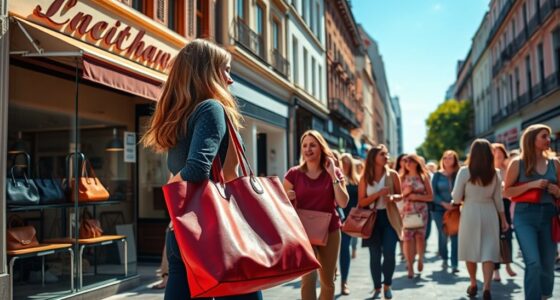
Tourism boosts handbag demand as travelers seek luxury items that become meaningful souvenirs and symbols of their journeys. You’re likely to notice that many buy designer bags to commemorate special trips, showcase cultural appreciation, or experience exclusivity. High-end boutiques in tourist hotspots make them easily accessible, turning shopping into a memorable part of travel. If you want to explore how this connection shapes fashion and travel trends further, stay tuned for more insights.
Key Takeaways
- Tourism increases demand for luxury handbags as travelers seek exclusive souvenirs and personal style enhancements.
- High-end boutiques in tourist destinations boost accessibility, encouraging spontaneous handbag purchases.
- Cultural exchanges influence preferences for handbags with traditional patterns or local craftsmanship.
- Handbags serve as tangible memories of travel experiences, elevating their sentimental and cultural value.
- Growing tourism correlates with increased consumer desire for luxury brands, blending travel experiences with fashion prestige.

Tourism considerably influences the demand for luxury handbags, as travelers often seek exclusive items to commemorate their trips or enhance their personal style. When you’re exploring new destinations, the allure of a designer bag becomes more than just a fashion statement; it transforms into a tangible memory of your journey. Luxury branding plays a significant role here, as it offers a sense of prestige and authenticity that many travelers desire. You might find yourself purchasing a handbag as a symbol of your adventure, a way to connect with the place’s unique culture while also elevating your wardrobe. The desire for such items is fueled by the idea that these bags are not just accessories—they’re souvenirs that carry a story, a connection to the places you visit.
Moreover, cultural exchange is a powerful driver behind the popularity of luxury handbags among tourists. As you travel, you encounter different traditions, arts, and aesthetics, and this exposure often influences your taste in fashion. You may develop an appreciation for craftsmanship, design, and materials rooted in the local culture, which can make a luxury handbag more meaningful. For example, a bag crafted with indigenous patterns or traditional techniques from a particular region becomes more than a high-end accessory; it becomes a symbol of cultural appreciation. This blending of luxury branding with cultural exchange allows you to carry a piece of the world’s diverse heritage with you, turning a simple handbag into a statement of global interconnectedness.
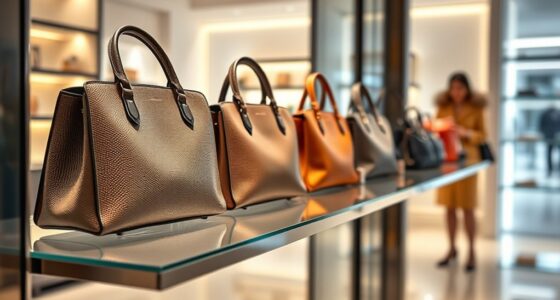
The influence of tourism on handbag demand also extends to the physical availability of luxury items in popular destinations. High-end boutiques and flagship stores in tourist hotspots attract visitors enthusiastic to indulge in local luxury branding. As a result, you’re more likely to purchase a handbag during your trip because it’s conveniently accessible and tied to the experience. This convenience, combined with the desire to own a piece of the local culture and branding, boosts the overall demand for luxury handbags in tourist-heavy regions.
In essence, your shopping behavior during travel is shaped by a mix of the desire for luxury branding and the enriching experience of cultural exchange. These elements make handbag purchases more than just transactions—they become meaningful souvenirs that reflect your journey, your appreciation for different cultures, and your taste for exclusivity. As tourism continues to grow worldwide, so does the influence on luxury handbag demand, ensuring that travel and fashion remain intertwined in a dynamic, mutually reinforcing relationship.

Oversize Pu Leather Tote Women Weekender Bag Shopper Handbag Travel Purse (Nude)
Its impressive oversize of 22‘’L x 6.5''W x 15''H allows it to effortlessly accommodate all your travel essentials,…
As an affiliate, we earn on qualifying purchases.
As an affiliate, we earn on qualifying purchases.
Frequently Asked Questions
How Do Cultural Trends Influence Handbag Designs for Tourists?
You notice that cultural trends heavily influence handbag designs for tourists by incorporating cultural symbolism that resonates with their destinations. Designers often embrace design innovation to create unique, meaningful pieces that reflect local heritage. As a tourist, you’re drawn to these bags because they embody cultural stories, making them more appealing. This blend of cultural symbolism and design innovation shapes handbag trends, encouraging tourists to carry meaningful souvenirs that celebrate their travel experiences.
What Regions See the Highest Increase in Handbag Sales Due to Tourism?
Imagine stepping into a vibrant marketplace, where cities like Paris, Milan, and Dubai shine like glittering jewels. These regions see the highest increase in handbag sales, fueled by luxury shopping and souvenir trends that beckon tourists to carry memories home. As you explore, you’ll notice that these destinations transform into treasure troves, where handbags are not just accessories but symbols of your journey, capturing the essence of your adventures.
How Do Seasonal Tourist Influxes Affect Handbag Pricing?
You’ll notice seasonal tourist influxes cause handbag prices to fluctuate due to changes in tourist shopping behavior. During peak seasons, increased demand leads to higher prices driven by seasonal pricing variations. Conversely, in off-peak times, prices tend to drop as demand wanes. This pattern encourages savvy shoppers to buy handbags during off-peak periods or take advantage of seasonal sales, while retailers adjust prices to maximize sales and profits.
Are There Specific Handbag Brands Popular Among International Travelers?
You’ll find that luxury brands like Louis Vuitton, Gucci, and Prada are particularly popular among international travelers. These brands often craft souvenir handbags that serve as stylish, status-symbol souvenirs. Travelers tend to seek these iconic, instantly recognizable handbags for their blend of beauty and branding. This demand boosts sales at duty-free shops and luxury boutiques, making these brands favorites for tourists looking to carry a piece of their journey home.
How Does Tourism Impact the Sustainability of Local Handbag Artisans?
Tourism can boost local handbag artisans’ livelihoods by increasing demand, but it also risks harming handcraft preservation. When tourists seek mass-produced souvenirs, artisans may struggle to sustain their traditional skills. You can help by supporting authentic, locally-made handbags, ensuring artisans retain their craft and livelihoods. Encouraging responsible tourism promotes handcraft preservation, allowing artisans to thrive without compromising their cultural heritage or economic stability.

Lacel Urwebin Top Handle Bags for Women Fahsionable Designer Crossbody Purse Large Cute Satchel Handbag (apricot)
Dimensions: (L) 9.8 x (W) 6.3 x (H) 7.5 inches (25 cm x 16 cm x 19 cm)….
As an affiliate, we earn on qualifying purchases.
As an affiliate, we earn on qualifying purchases.
Conclusion
As you explore the influence of tourism on handbag demand, you’ll notice how it subtly shapes preferences and trends. While this boost benefits brands, it gently reminds us that over-reliance on travel-driven popularity might lead to fleeting fashions. Embracing timeless designs guarantees your wardrobe remains resilient, regardless of tourism tides. Ultimately, balancing current trends with enduring style offers a more stable, sophisticated approach—allowing you to enjoy luxury without the unpredictable whims of tourism’s influence.

Girly HandBags Womens Genuine Soft Leather Italian Cross Body Messenger Bag Vera Plelle Shoulder Bag Flap Zipper – Navy
W 23, H 28, D 2 cm (W 9, H 11, D 1 inches)
As an affiliate, we earn on qualifying purchases.
As an affiliate, we earn on qualifying purchases.

Mary Frances Lucky 7 Beaded Handbag – Novelty Casino-Themed Crossbody Bag, Multicolor
Eye-Catching Slot Machine Design: The Mary Frances Lucky 7 Handbag is a dazzling novelty accessory shaped like a…
As an affiliate, we earn on qualifying purchases.
As an affiliate, we earn on qualifying purchases.