Using sustainable materials can initially raise your product prices due to higher upfront costs, but it also boosts long-term value through lower maintenance and improved durability. Customers who care about the environment are often willing to pay a premium, especially if you communicate your eco-friendly efforts effectively. This creates a strategic opportunity to align pricing with brand values. Keep exploring to discover how balancing these factors can benefit your business and customer loyalty.
Key Takeaways
- Sustainable materials often entail higher upfront costs but can justify premium pricing through long-term savings and value addition.
- Transparent communication about eco-friendly benefits enhances customer willingness to accept higher prices.
- Incorporating sustainability can differentiate products, enabling brands to command premium prices and boost market positioning.
- Supply chain adjustments and operational changes may increase initial costs but lead to efficiencies and cost reductions over time.
- Growing consumer demand for eco-friendly products supports higher pricing strategies aligned with environmental responsibility.

Sustainable materials are increasingly transforming how businesses approach pricing strategies. As you explore incorporating eco-friendly sourcing into your operations, you realize that it isn’t just about choosing greener options; it’s also about understanding how these choices impact your bottom line. Conducting a thorough cost benefit analysis becomes essential. This process helps you weigh the higher upfront costs associated with sustainable materials against the long-term savings and benefits, such as reduced waste disposal fees, lower energy consumption, and enhanced brand loyalty. When you evaluate these factors carefully, you can make informed decisions that align with your financial goals while supporting environmental responsibility.
Conduct a thorough cost benefit analysis to balance sustainable choices with your financial goals and environmental responsibility.
Eco-friendly sourcing often involves sourcing from suppliers committed to sustainable practices, which can sometimes mean higher prices initially. However, by performing a detailed cost benefit analysis, you’ll uncover that these costs are often offset by other advantages. For instance, sustainable materials tend to have lower lifecycle costs because they might require less maintenance, last longer, or be easier to recycle. You might also find that customers are willing to pay a premium for products that are eco-friendly, allowing you to incorporate higher prices without losing competitiveness. This strategic approach ensures that sustainability doesn’t just add to your costs but can enhance your profitability over time.
Furthermore, integrating sustainable materials into your pricing strategy involves transparency and education. When you communicate the value of eco-friendly sourcing to your customers, you create a compelling story that justifies premium pricing. People today are increasingly conscious of environmental issues, and they often prefer brands that demonstrate authentic commitment to sustainability. As you position your products as environmentally responsible, you can justify a higher price point that reflects the added value. This approach also builds trust and loyalty, which can translate into repeat business and positive word-of-mouth.
In terms of operational adjustments, sustainable materials might require changes in your supply chain or manufacturing processes. These shifts could initially impact costs, but the long-term benefits often outweigh these challenges. For example, working closely with suppliers who prioritize eco-friendly sourcing can lead to innovations that reduce waste and energy use, ultimately lowering your overall costs. Additionally, as sustainability becomes more mainstream, costs for eco-friendly materials tend to decrease due to increased availability and competition among suppliers.
Additionally, understanding the Self Watering Plant Pots market and material options can help you identify cost-effective sustainable solutions tailored to your needs. Ultimately, your ability to integrate sustainable materials into your pricing strategies hinges on a robust cost benefit analysis. By carefully evaluating the financial implications and aligning them with your brand’s values, you position yourself to capitalize on the growing demand for sustainable products. This approach not only supports environmental goals but also paves the way for increased profitability and a stronger market presence.

Ecoed Detangler Hairbrush, Soft Bristle Detangling Brush for Straight, Wavy, Curly and Fine Hair, Dry and Wet, Quick Smoothing for Women and Men, Eco-Friendly & Sustainable Material (Green)
Gently Smooth Your Hair: Our flexible bristles effortlessly remove knots without breaking hair strands. The anti-static nylon bristles…
As an affiliate, we earn on qualifying purchases.
As an affiliate, we earn on qualifying purchases.
Frequently Asked Questions
How Do Consumer Perceptions Influence Sustainable Pricing Strategies?
Your consumers’ perceptions greatly influence sustainable pricing strategies. When you build consumer trust through transparent eco-friendly practices, customers feel more confident paying premium prices. Positive perceptions foster brand loyalty, encouraging repeat purchases despite higher costs. Conversely, if consumers doubt your sustainability claims, they may resist premium pricing. So, maintaining transparency and authenticity in your sustainability efforts helps shape favorable perceptions, ultimately supporting your pricing strategies and strengthening your brand’s reputation.
What Are the Long-Term Cost Benefits of Sustainable Materials?
You’ll see long-term cost benefits from sustainable materials through lifecycle savings, as these choices often reduce waste, energy, and maintenance costs over time. By investing in eco-friendly materials, you build brand loyalty among environmentally conscious consumers, which enhances your reputation and encourages repeat business. Over the years, these benefits outweigh initial costs, leading to more sustainable profitability and a stronger market position.
How Do Regulations Impact Sustainable Material Pricing?
Regulations profoundly impact sustainable material pricing by requiring regulatory compliance and material certification, which can increase costs. You might face higher expenses to meet new standards, but this can also boost your reputation for eco-friendly practices. To stay competitive, you should factor these regulatory costs into your pricing strategy and seek certified sustainable materials to guarantee compliance and attract environmentally conscious consumers.
Are There Industry-Specific Differences in Sustainable Material Costs?
You’ll find that industry-specific differences in sustainable material costs are massive, almost like comparing a tiny pebble to a mountain! Some industries, like fashion, face skyrocketing costs due to limited industry supply and ongoing material innovation, making eco-friendly options seem almost out of reach. Meanwhile, sectors with robust supply chains and advanced material innovation, like construction, can better manage costs. So, yes, costs vary wildly depending on your industry’s supply and innovation level.
How Can Small Businesses Adopt Sustainable Materials Affordably?
You can adopt sustainable materials affordably by focusing on eco-friendly sourcing and considering the material lifecycle. Look for local suppliers that offer affordable eco-friendly options, reducing transportation costs. Choose materials with a shorter lifecycle for easy reuse or recycling, lowering long-term expenses. Collaborate with other small businesses to bulk purchase sustainable materials, and prioritize versatile options that can serve multiple products, making your sustainable shift both cost-effective and impactful.
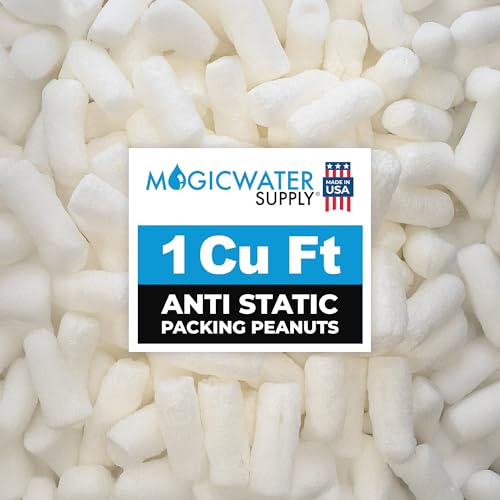
MagicWater Packing Peanuts for Shipping – 1 Cu Ft – Bio Tube Recycled Compostable & Biodegradable Void Filler – Cushion for Shipping Packaging – Dust-Free & Abrasion Resistant – Non Styrofoam
ECO-FRIENDLY & SUSTAINABLE PACKAGING SOLUTION: Choose our packing peanuts for shipping, made from renewable, sustainable materials, to reduce…
As an affiliate, we earn on qualifying purchases.
As an affiliate, we earn on qualifying purchases.
Conclusion
By choosing sustainable materials, you not only support eco-friendly practices but can also influence your pricing strategies positively. Did you know that 66% of consumers are willing to pay more for sustainable products? This statistic shows that integrating eco-conscious materials can boost your brand’s appeal and profitability. Embracing sustainability isn’t just good for the planet—it’s a smart move for your business’s future success.

Easy Spirit Women's Walking Shoes, Beige, 10.5 Wide
EASY ON – Slip on your shoes without ever bending down, these easy on and off shoes make…
As an affiliate, we earn on qualifying purchases.
As an affiliate, we earn on qualifying purchases.

Novel Sustainable Raw Material Alternatives for the Textiles and Fashion Industry (Sustainable Textiles: Production, Processing, Manufacturing & Chemistry)
As an affiliate, we earn on qualifying purchases.
As an affiliate, we earn on qualifying purchases.