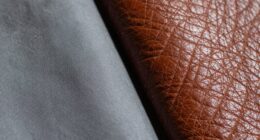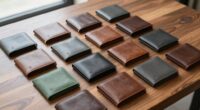
The global handbag market is growing rapidly, driven by increasing consumer demand for stylish, functional, and sustainable accessories. Luxury brands are partnering through collaborations, creating exclusive, limited-edition collections that attract wider audiences and boost brand desirability. Sustainability is becoming a key factor, with eco-friendly materials and ethical practices gaining popularity. This evolution is shaping the future of the industry, and if you stay engaged, you’ll discover more about the exciting trends shaping this expansion.
Key Takeaways
- The global handbag market is experiencing rapid growth driven by rising consumer demand for fashionable and functional accessories.
- Luxury collaborations and limited-edition collections are boosting market visibility and consumer engagement worldwide.
- Sustainability trends are increasingly shaping the market, with brands adopting eco-friendly materials and ethical production practices.
- Integration of sustainable practices into luxury handbags is making eco-conscious products more accessible and appealing by 2032.
- Market forecasts predict continued expansion through 2032, fueled by innovation, collaborations, and shifting consumer preferences toward ethical fashion.

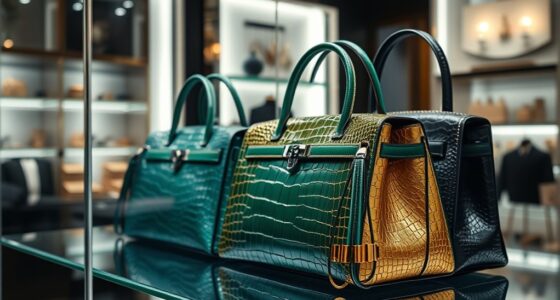
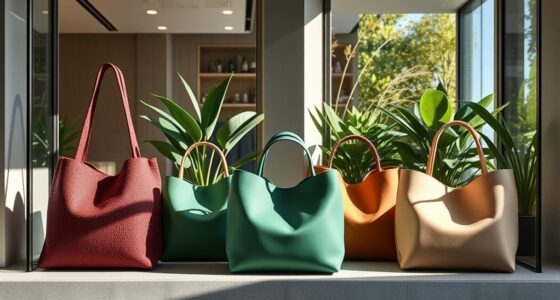
The global handbag market is experiencing rapid growth, driven by increasing consumer demand for fashionable and functional accessories. As you look for the perfect bag, you’ll notice brands are partnering through luxury collaborations to create exclusive, highly sought-after collections. These collaborations combine the prestige of high-end designers with mainstream appeal, attracting a broader audience enthusiastic to own unique pieces. Such partnerships not only elevate brand status but also generate buzz and excitement around new releases, fueling sales and market expansion. Meanwhile, sustainability is becoming a key factor influencing your purchasing decisions. Consumers like you are increasingly conscious of the environmental impact of fashion, prompting brands to incorporate sustainable materials into their designs. You might find handbags made from recycled fabrics, plant-based leathers, or biodegradable components, reflecting a shift towards eco-friendly production practices. This focus on sustainability appeals to your desire for stylish yet responsible choices, and brands that prioritize eco-conscious materials often enjoy a competitive edge. As the market evolves, you’ll see luxury labels embracing collaborations that highlight sustainable materials, blending exclusivity with ethical considerations. These efforts not only cater to your fashion tastes but also align with your values, making your purchase meaningful. The integration of sustainable materials isn’t just a trend; it’s becoming a standard expectation among consumers like you who want to make environmentally aware choices without sacrificing style. The combination of luxury collaborations and sustainable materials is transforming the handbag landscape, encouraging innovation and differentiation. You’ll notice brands experimenting with new textures, colors, and eco-friendly processes, all aimed at capturing your interest and loyalty. Additionally, these collaborations often bring together artisans from different backgrounds, creating limited-edition pieces that are both unique and sustainable. This synergy offers you an opportunity to own a distinctive accessory that supports sustainable practices. As the market continues to grow, expect more brands to explore innovative partnerships and sustainable sourcing, making eco-friendly luxury handbags more accessible and appealing. Your preferences are shaping the industry, pushing brands to prioritize transparency, ethical sourcing, and creative collaborations that stand out in a crowded marketplace. Ultimately, this combination of high-end partnerships and sustainable materials isn’t just a trend but a reflection of how the handbag industry is aligning with your values and evolving to meet your expectations for style, quality, and responsibility.
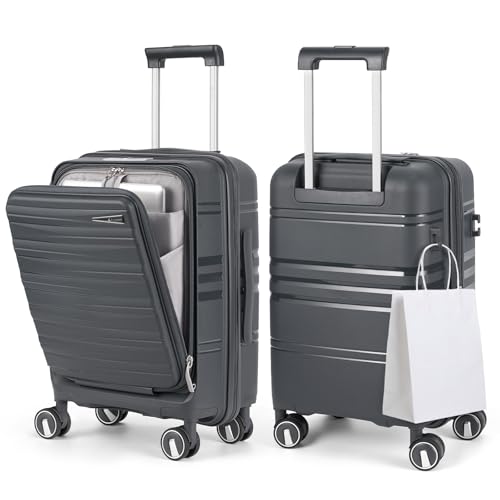
RAINSMORE Expandable Carry on Luggage 20 Inch, Airline Approved Carry on Suitcase with Front Pocket&Laptop Compartment, Hardshell Rolling Travel Luggage with Spinner Wheels,Charcoal
Front Opening & Dedicated Laptop Sleeve: Tired of struggling to find items in tight spaces? Our carry-on suitcase...
As an affiliate, we earn on qualifying purchases.
Frequently Asked Questions
How Will Technological Advancements Influence Handbag Manufacturing?
Technological advancements like smart materials and 3D printing will revolutionize handbag manufacturing. You’ll see innovative designs that adapt to your needs, offering durability and style with smart materials embedded with tech. 3D printing allows for rapid, customizable production, reducing waste and costs. These innovations enable you to access unique, personalized handbags quickly, making the process more efficient while pushing creativity and sustainability in the industry.
What Are the Key Challenges Facing the Global Handbag Industry?
You face key challenges like market segmentation, which makes it harder to target diverse consumer groups effectively. Brand differentiation is also critical, as many brands struggle to stand out in a crowded marketplace. To succeed, you need to develop unique offerings and strong branding strategies that resonate across segments. Staying adaptable and understanding customer preferences will help you overcome these hurdles and grow your presence globally.
How Do Regional Cultural Trends Impact Handbag Design Preferences?
Regional cultural trends shape handbag design preferences like an artist influences their canvas. You’ll notice cultural influences and regional aesthetics deeply impact styles, colors, and materials loved in each area. For example, vibrant patterns might thrive in Latin America, while minimalist designs appeal in Japan. Embracing these diverse influences allows you to create handbags that resonate locally, making each piece not just functional but a reflection of cultural identity.
What Sustainability Practices Are Emerging in Handbag Production?
You’ll notice that emerging sustainability practices in handbag production focus on using sustainable materials and ethical sourcing. Brands now prioritize eco-friendly fabrics like recycled leather, organic cotton, and plant-based alternatives. They also guarantee fair labor practices and transparent supply chains. By adopting these practices, you can enjoy stylish, eco-conscious handbags that reduce environmental impact and support fair treatment of workers, aligning your fashion choices with your values.
How Will Shifts in Consumer Income Levels Affect Handbag Demand?
As consumer income levels shift, you’ll see demand change in the handbag market. When incomes rise, the luxury segment gains popularity, and you might find yourself investing in high-end, designer handbags. Conversely, if you’re budget conscious, you’ll likely stick to affordable options, boosting demand in the lower-price segment. These income fluctuations influence your choices, steering the market toward either luxury or budget-friendly handbags based on your financial situation.

LOVEVOOK Carry On Luggage 22x14x9 Airline Approved, Expandable Hard Shell Suitcase with Spinner Wheels, USB Charging Port & Front Pocket, PC Hardside Rolling Luggage with TSA Lock for Travel
【EXPANDABLE AIRLINE APPROVED CARRY ON LUGGAGE】 Designed for 3-5 day business trips, this carry-on luggage fits perfectly in...
As an affiliate, we earn on qualifying purchases.
Conclusion
As you explore the booming handbag market, imagine a small boutique owner expanding her collection to meet rising demand, transforming her community and inspiring others. This growth isn’t just numbers—it’s about real stories of entrepreneurs and consumers shaping a vibrant future. By 2032, you’ll see how innovation and passion continue to drive this industry forward, creating opportunities for those willing to seize them. Embrace the change, and be part of this exciting journey ahead.
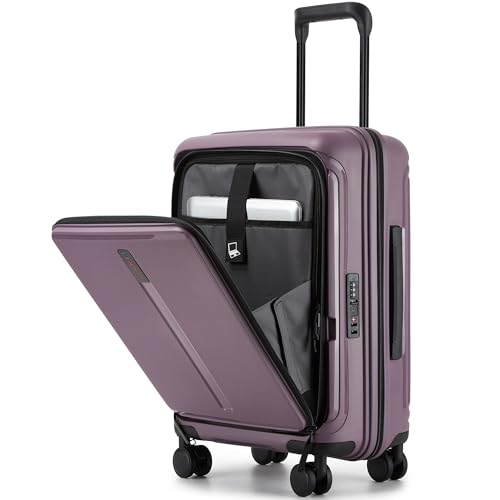
Haimyren 20“ Expandable Carry on Luggage Front Opening, 22x14x9 Airline Approved Hardshell Spinner Carry-on Suitcase with Wheels, TSA Lock, Lightweight Durable Travel Luggage (Purple, 20 inch)
【Airline Approved Size】 Perfect 20-inch carry on luggage airline approved 22x14x9 meet strict carry-on luggage requirements for Delta,...
As an affiliate, we earn on qualifying purchases.
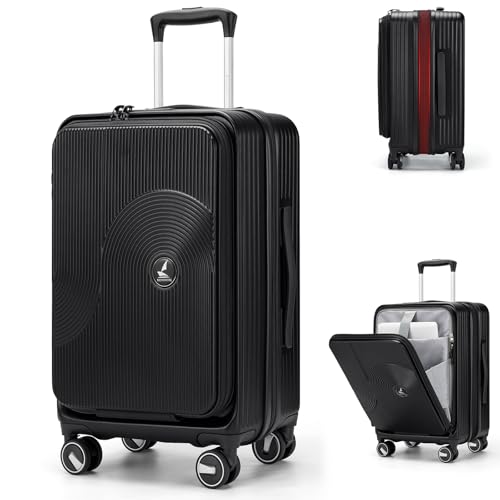
RAINSMORE Carry on Luggage 20 Inch Expandable, Airline Approved Carry on Suitcase with Front Compartment & Top Opening Hard Shell Rolling Travel Luggage with TSA Lock & Spinner Wheels, Black
FRONT LAPTOP COMPARTMENT FOR BUSINESS: Designed as a premium carry on luggage for professionals. The dedicated front-access compartment...
As an affiliate, we earn on qualifying purchases.