To replace a bag strap, you need to measure the hardware’s width, length, and attachment size accurately. Use a caliper or ruler to get precise measurements in millimeters or inches, ensuring the new hardware fits your bag’s style and material. Confirm existing hardware’s size and finish to match properly and avoid mismatched or loose fittings. Pay attention to details—proper measurements mean a secure, polished look. Continue exploring to learn detailed tips and pointing out common mistakes.
Open a free Amazon Business account
Business pricing, bulk buying and tax-exempt orders.
As an affiliate, we earn on qualifying purchases.
Key Takeaways
- Measure the width of the existing strap hardware at its widest point for proper replacement fit.
- Determine the length needed from attachment to sitting point for comfortable shoulder or crossbody wear.
- Check the size and diameter of attachment rings, clasps, or hooks to ensure compatibility with your bag.
- Note the hardware’s finish and material to match or complement the bag’s aesthetic and durability.
- Confirm hardware dimensions against the bag’s hardware to maintain balance, style, and secure fastening.
bag strap hardware replacement kit
As an affiliate, we earn on qualifying purchases.
As an affiliate, we earn on qualifying purchases.
Why Accurate Hardware Measurements Matter When Replacing a Bag Strap
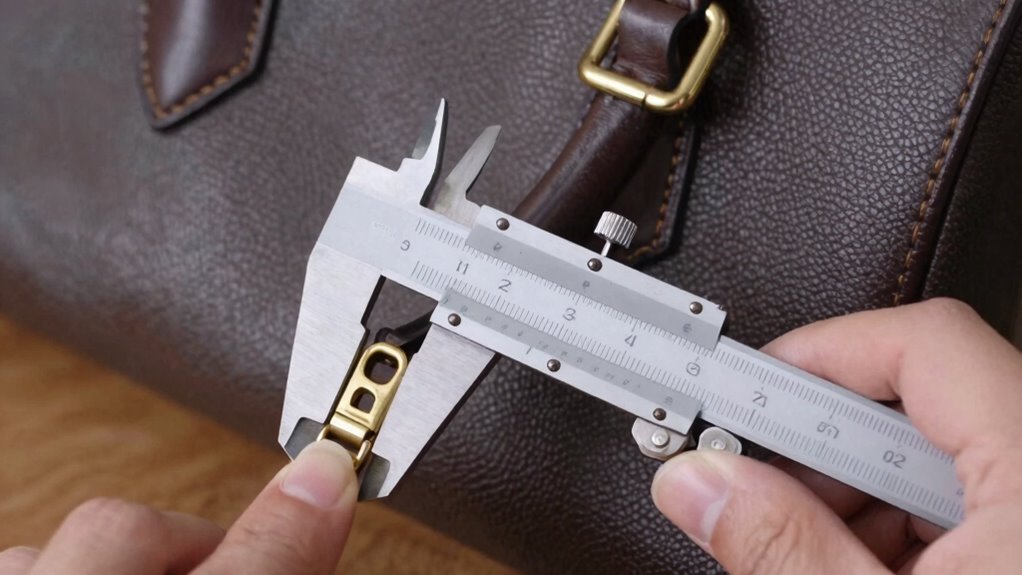
Have you ever tried replacing a bag strap only to find it doesn’t fit quite right? That’s why accurate hardware measurements matter. In today’s fashion trends, accessories like bag straps reflect your style, so getting the right fit is vital. Proper measurements ensure your new strap complements your bag’s look and feels comfortable to carry. Additionally, choosing the right hardware supports material durability, preventing premature wear or damage. If the hardware isn’t compatible, the strap could break or cause damage to your bag. By taking precise measurements, you avoid costly mistakes and maintain the integrity of your accessory. Understanding projector contrast ratio can help you select a strap that maintains visual clarity and quality. Whether you’re updating your style or fixing a worn strap, accurate hardware measurements guarantee that your replacement looks good, lasts long, and stays on-trend.
adjustable bag strap with hardware
As an affiliate, we earn on qualifying purchases.
As an affiliate, we earn on qualifying purchases.
How to Measure Bag Strap Width and Length Correctly
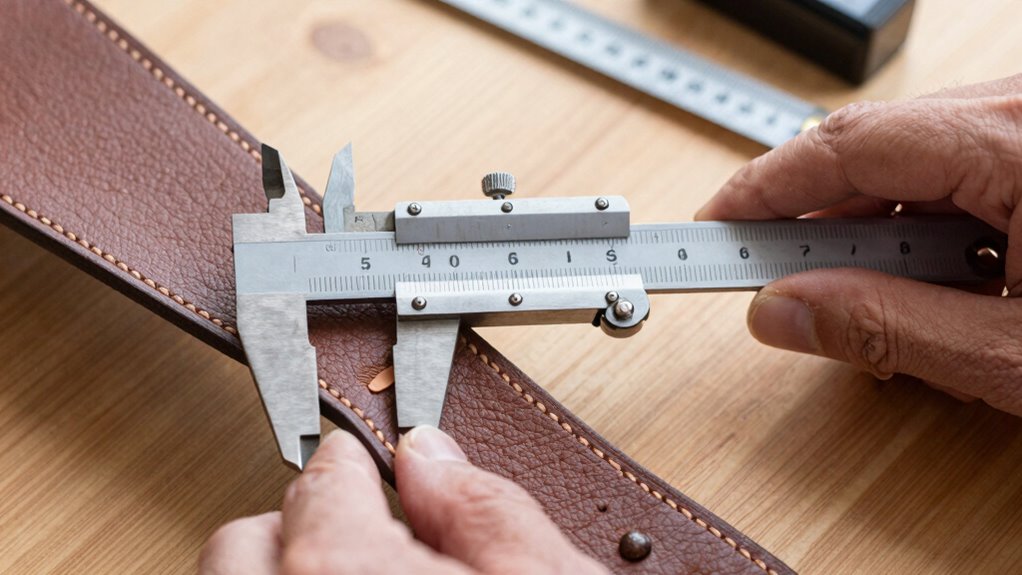
To replace your bag strap accurately, you need to measure both the width and length carefully. Use a ruler or tape measure to get precise dimensions, ensuring the strap fits comfortably and looks right. Knowing these measurements helps you find the perfect replacement that matches your bag’s style and function. Additionally, understanding the importance of precise measurements ensures your new strap will be both functional and aesthetically pleasing.
Measuring Strap Width Precisely
Accurately measuring your bag strap’s width is essential for ensuring a proper fit and seamless replacement. Use a ruler or caliper to measure across the widest part of the strap, ensuring you get an exact width in millimeters or inches. This measurement guarantees your new strap will fit through existing hardware and maintain the bag’s balance. Keep in mind that different hardware types, like buckles or rings, require specific strap widths for compatibility. Double-check the width before purchasing a replacement to avoid issues with hardware compatibility. Precise measurement prevents unnecessary returns or adjustments later. Remember, even small differences in strap width can affect the overall look and functionality, so take your time to measure carefully for the best results. Understanding hardware compatibility is crucial when selecting the right strap dimensions for your bag.
Determining Suitable Strap Length
Measuring the correct strap length is essential to guarantee your bag feels comfortable and functions properly. First, decide whether you want a shoulder or crossbody style, as this affects the length you need. Use a flexible measuring tape to determine the desired strap length by measuring from the bag’s attachment point to where you want the strap to sit. Keep in mind that strap material and strap color influence your choice, especially if you aim for a specific aesthetic or durability. If your strap material is leather or fabric, measure carefully to account for any stretch or flexibility. Always double-check your measurements on the bag itself to ensure comfort. Proper measurement ensures a perfect fit, enhancing both style and practicality. Additionally, understanding strap material properties can help you choose the most durable and comfortable option for your needs.
As an affiliate, we earn on qualifying purchases.
What Are the Different Types of Bag Hardware Attachments?
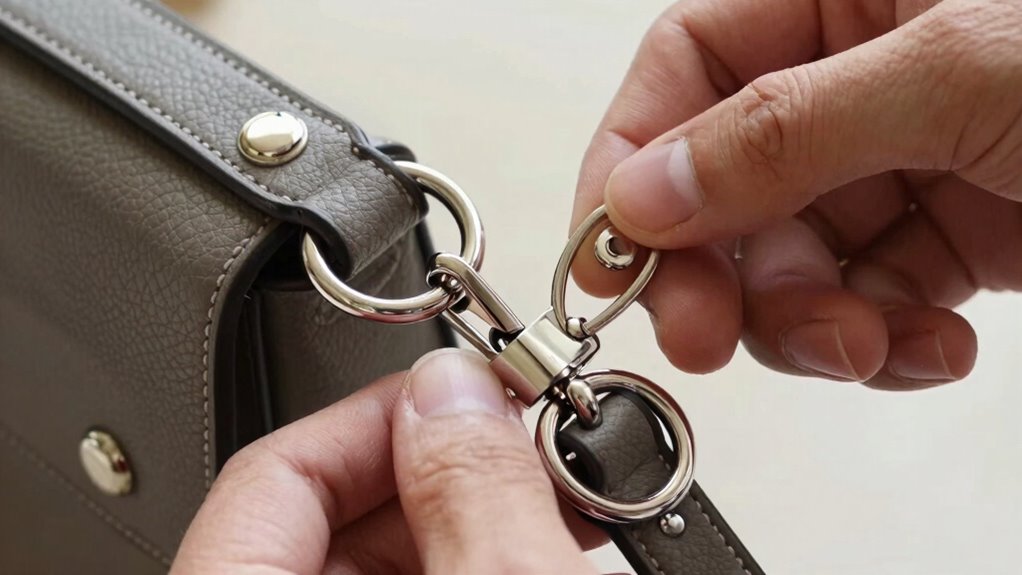
Understanding the different types of bag hardware attachments is essential when replacing a bag strap, as they determine how securely your strap connects to the bag. Knowing the various strap attachment styles helps you select the right hardware for your bag’s design and functionality. There are several common bag hardware types, including rings, clasps, hooks, and buckles, each serving different purposes. Some straps attach via D-rings, while others use lobster clasps or swivel hooks. Recognizing these bag hardware types guarantees a secure fit and a polished look. Whether you’re replacing a strap or customizing your bag, understanding strap attachment styles promotes compatibility and durability. Different hardware types can also influence how easily you can swap or upgrade straps in the future.
As an affiliate, we earn on qualifying purchases.
How to Choose the Right Hardware Size for Your Bag Style
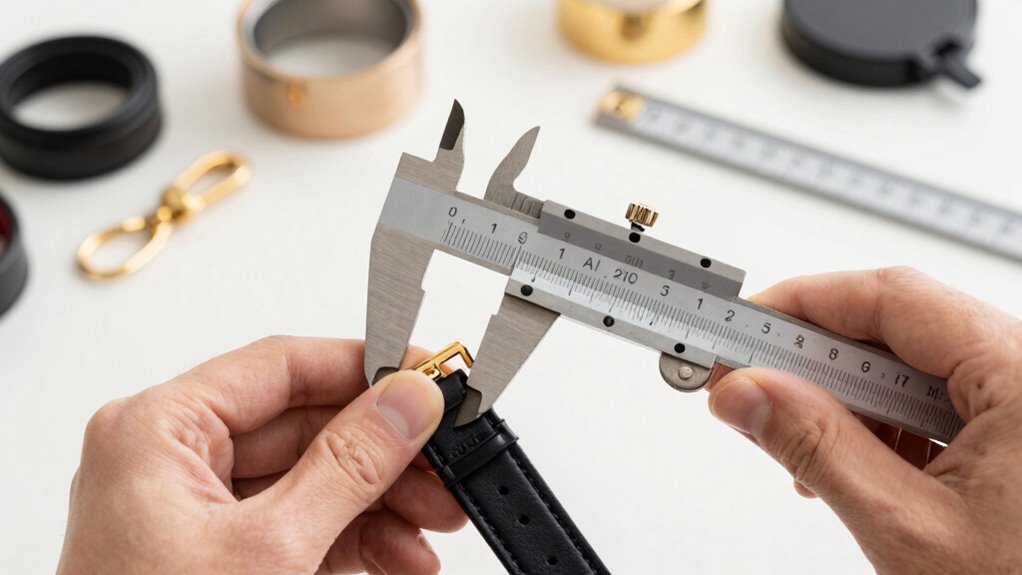
Choosing the right hardware size for your bag style is essential because it affects both the bag’s appearance and functionality. Smaller hardware can look delicate and refined, ideal for minimalist or elegant bags, while larger pieces offer durability and a bold aesthetic. Consider material durability: thicker hardware often withstands wear better, especially for frequently used bags. Aesthetic compatibility is equally important; hardware should complement your bag’s design, whether sleek and subtle or chunky and statement-making. Measure the existing hardware carefully, ensuring the size matches the bag’s scale and style. Keep in mind that proportionate hardware enhances overall balance, making your bag look polished and cohesive. Proper hardware installation can also prevent cable failures and ensure your bag’s components remain secure over time. By selecting hardware that suits your bag’s style and intended use, you ensure both longevity and visual harmony.
Tips for Checking Your Existing Hardware Before Buying Replacements
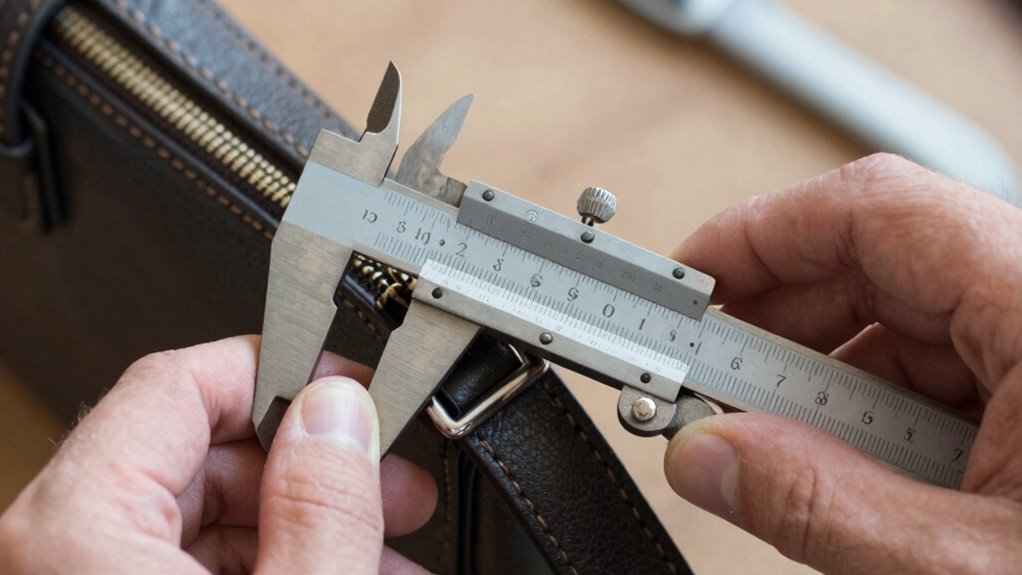
Before buying new hardware, it’s important to double-check what’s already on your bag. This guarantees your replacements match in size, style, and function. First, examine the existing hardware’s color coordination to maintain the bag’s aesthetic. Next, verify material compatibility so the new pieces won’t cause damage or wear unevenly. Measure the current hardware’s dimensions carefully, including width and attachment points. Check the hardware’s finish to match your bag’s design—brass, silver, or antique. Finally, confirm whether the existing hardware is compatible with your strap type and bag style. To ensure durability and a professional look, consider vetted hardware options that are recommended for your specific needs.
Common Mistakes to Avoid When Measuring and Replacing Hardware
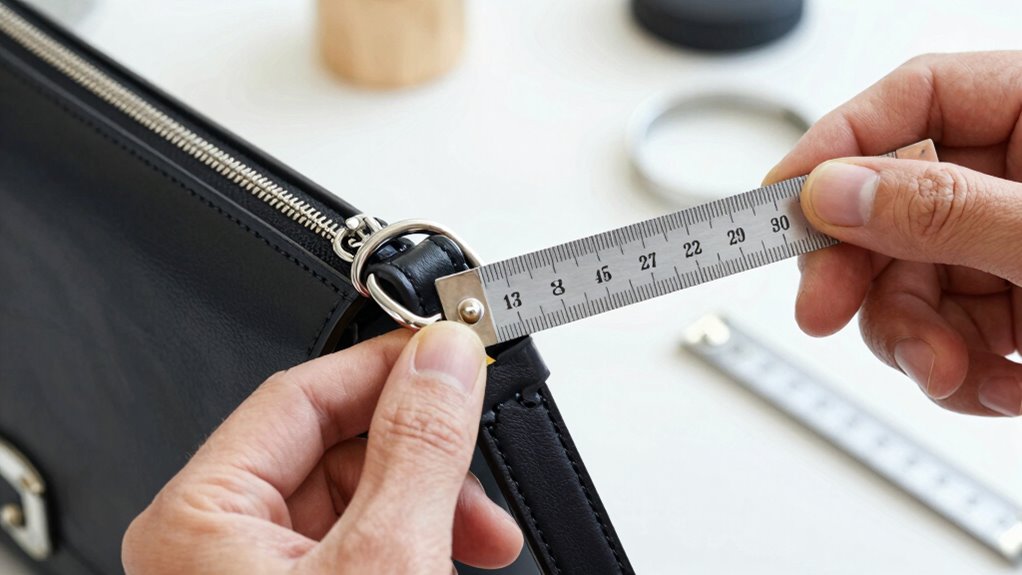
When measuring and replacing hardware, mistakes can lead to a poor fit or damage. Make certain you take accurate measurements, choose hardware that matches your bag’s dimensions, and double-check for compatibility. Avoiding these common errors ensures your replacement is secure and looks great. Additionally, understanding practical tools can help you perform adjustments more precisely.
Accurate Measurement Techniques
Accurate measurement is essential to guarantee your replacement bag strap fits perfectly and functions properly. Mistakes can compromise hardware durability and reduce strap comfort. To avoid errors, always use a flexible measuring tape, ensuring it’s snug but not tight. Double-check measurements at multiple points, especially where hardware connects, to prevent mismatched sizes. Avoid guessing or relying solely on old strap dimensions, which may be inaccurate. Keep your measurements level and steady to prevent skewed results. Remember, precise measurements help you select hardware that’s both compatible and durable, ensuring your bag remains comfortable to carry. Additionally, understanding content formats can help you better interpret measurements and specifications for various hardware types.
Choosing Compatible Hardware
Choosing the right hardware is crucial to guarantee your replacement strap fits securely and functions properly. First, verify material compatibility; metal, leather, or plastic hardware must match your bag’s material to avoid damage or wear. Check that the hardware’s finish complements your bag’s aesthetic—brass, chrome, or matte finishes can change the look entirely. Consider aesthetic considerations alongside durability; mismatched hardware can look out of place or cheap. Measure the attachment points carefully to confirm the new hardware will fit snugly without gaps or looseness. Avoid selecting hardware that’s incompatible in size or material, which can compromise both the appearance and the strength of your strap. Proper compatibility ensures your replacement is both functional and visually cohesive. material compatibility is essential for ensuring your hardware’s longevity and your bag’s overall integrity.
Avoiding Common Fit Errors
Measuring hardware incorrectly is a common mistake that can lead to a poor fit or damage to your bag. To avoid this, pay close attention to details.
- Ensure the strap material matches your bag’s weight and style for durability and aesthetics.
- Double-check the hardware color to keep a cohesive look.
- Measure the length and width accurately, considering how the strap will sit when worn.
- Avoid mixing different hardware styles that clash with your bag’s design.
- Confirm the hardware’s attachment points are compatible with your bag’s existing fittings.
Where to Find the Best Hardware Measurements and Replacement Options

Finding the right hardware measurements and replacement options starts with knowing where to look. Start by checking specialty stores or online retailers that focus on bag hardware, as they often provide detailed sizing guides. Material compatibility is vital—verify the replacement hardware matches your bag’s fabric and hardware type to avoid damage. Color coordination is also key; choose hardware that complements or matches your bag’s color for a seamless look. Measure the existing hardware carefully—length, width, and attachment points—before purchasing. Many online shops list precise measurements alongside product images. If in doubt, contact customer service for guidance. This approach guarantees you find the best fit, maintaining your bag’s style and function with the correct hardware measurements and options.
Frequently Asked Questions
How Can I Identify the Exact Hardware Model for My Bag?
To identify the exact hardware model for your bag, start by examining the hardware closely for any engraved numbers or brand logos. Use measurement techniques like a ruler or caliper to note the size, width, and shape of the hardware pieces. Compare your measurements and any markings with online listings or manufacturer catalogs. This helps you accurately match your hardware and make certain of compatibility when replacing or repairing your bag.
Are There Universal Hardware Sizes Compatible With Multiple Bag Brands?
When it comes to hardware compatibility, don’t assume one size fits all. While some universal hardware sizes follow common size standards, many brands use specialized fittings, making compatibility tricky. It’s a case of the right tool for the job—often, you’ll need to measure and compare. If you’re lucky, you’ll find some hardware that works across multiple brands, but always double-check measurements before making a swap to avoid headaches down the road.
What Tools Do I Need to Measure Hardware Accurately?
You need measuring tools like a digital caliper or a flexible ruler to measure hardware dimensions accurately. These tools help you get precise measurements of strap rings, clasps, and connectors. Use the caliper for small, detailed hardware measurements, and the ruler for longer dimensions. Ensuring you record the correct hardware dimensions helps you find compatible replacements, making your bag repair quick and hassle-free.
How Do I Determine the Weight Capacity of New Hardware?
You determine the weight capacity of new hardware by checking its durability rating, which indicates its maximum weight limit. While sturdy-looking hardware might seem strong, always verify the manufacturer’s specifications for durability and weight limits. This guarantees your bag’s hardware can handle daily use without failure. Remember, understanding both durability and weight limits helps you choose hardware that balances strength with longevity, keeping your bag safe and reliable.
Can Hardware Measurements Vary Between Different Bag Materials?
Yes, hardware measurements can vary between different bag materials because of material compatibility and hardware customization needs. Softer fabrics may require smaller or more flexible hardware, while stiffer materials might need larger or more durable pieces. When choosing hardware, you should consider the specific material of your bag to guarantee proper fit and function. Custom hardware options can also help you match the measurements perfectly to your bag’s material.
Conclusion
Getting your bag’s hardware measurements right is key to a perfect replacement. Don’t rush through the process—measure twice, cut once, as they say. With a little patience and attention to detail, you’ll avoid costly mistakes and have your bag looking as good as new. Keep these tips in mind, and you’ll be back to carrying your favorite bag with confidence in no time. After all, a stitch in time saves nine!
Fall Picks
fall essentials
As an affiliate, we earn on qualifying purchases.