
Skipping the laptop fit test can lead to discomfort, strain, and even health issues down the line. Many forget to check if the size, weight, keyboard height, or screen position match their daily needs, which can cause fatigue and reduce productivity. Overlooking these details means you’ll likely face frustration and potential damage to your device. If you want to avoid these problems, understanding the key factors and how to evaluate your fit can make all the difference.
Key Takeaways
- Many overlook testing screen height and tilt, leading to neck strain and poor posture over time.
- Users often ignore keyboard responsiveness and key travel, causing discomfort during extended typing sessions.
- Failing to assess workspace setup, like cabling and accessories, results in ergonomic issues and reduced comfort.
- People neglect to check how the laptop fits their physical needs, risking strain and reduced productivity.
- Skipping natural sitting and device adjustment tests can cause long-term health problems and costly device damage.

Lamicall Adjustable Laptop Stand, Portable Laptop Riser, Aluminum Laptop Stand for Desk Foldable, Ergonomic Computer Notebook Holder for MacBook Air Pro HP, Office Desk Accessories (10-17.3'')- Silver
Wide Compatibility: The laptop stand for desk is compatible with all laptops from 10" up to 17.3", including…
As an affiliate, we earn on qualifying purchases.
As an affiliate, we earn on qualifying purchases.
Why Choosing the Right Laptop Fit Can Save You Headaches

Choosing the right laptop fit is essential because it directly impacts your comfort and productivity. When your laptop fits well, it encourages ergonomic posture, reducing strain on your neck, shoulders, and wrists. Poor fit often leads to awkward angles, causing discomfort and long-term health issues. Additionally, considering portability concerns guarantees you can carry your device comfortably without sacrificing ease of use. A lightweight, appropriately sized laptop minimizes fatigue during extended use and makes traveling less burdensome. When you select a fit that aligns with your needs, you’re less likely to develop posture-related problems or feel weighed down by bulky devices. Ensuring your device has the proper ergonomic design can further enhance your comfort during long hours of use. Ultimately, choosing the right fit saves you headaches—both physical and mental—by promoting healthier habits and enhancing your overall experience.

Gogoonike Adjustable Laptop Stand for Desk, Metal Foldable Laptop Riser Holder, Portable Desktop Book Stands, Ventilated Cooling Computer Notebook Stand Compatible with 10-15.6” Laptops
【Adjustable & Ergonomic】:This laptop stand can be adjusted to a comfortable height and angle according to your actual…
As an affiliate, we earn on qualifying purchases.
As an affiliate, we earn on qualifying purchases.
Key Factors to Consider When Picking a Laptop (Size, Weight, Ergonomics)
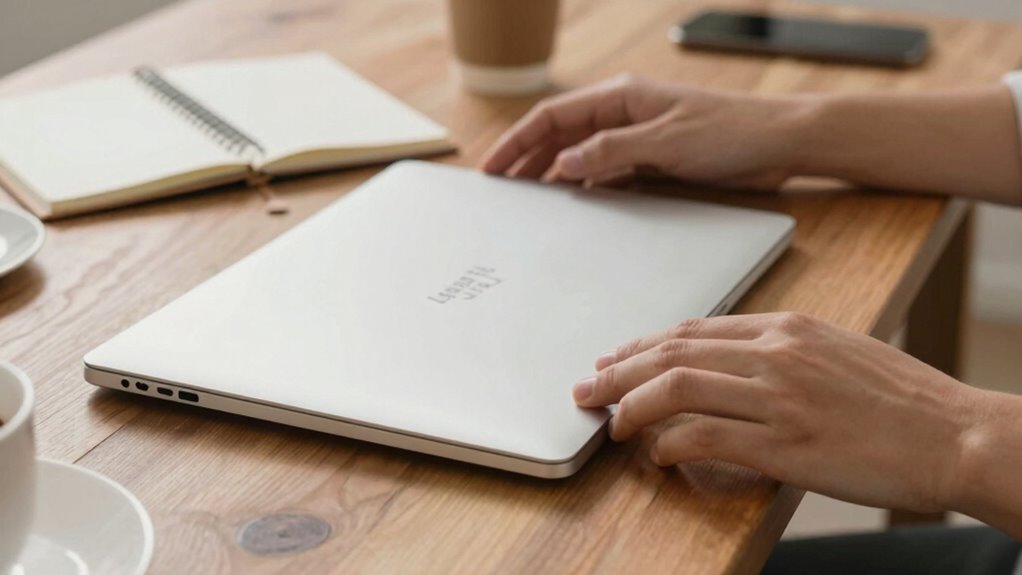
When selecting a laptop, paying attention to size, weight, and ergonomics can make a significant difference in your daily experience. You want a device that feels balanced, easy to carry, and comfortable during extended use. Consider weight distribution to prevent strain and ensure portability. Material durability also matters—opt for sturdy builds that withstand daily wear and tear. Use this quick reference:
| Factor | What to Look For |
|---|---|
| Size | Fits your workspace and portability needs |
| Weight | Light enough to carry comfortably, not cumbersome |
| Ergonomics | Comfortable keyboard, screen height, and grip |
| Material Durability | Strong materials that last over time |
Choosing wisely helps avoid discomfort and frequent replacements later. Paying attention to content formats and how they engage users can also enhance your overall experience.

MNN Portable Monitor 15.6inch FHD 1080P USB C HDMI Gaming Ultra-Slim IPS Display w/Smart Cover & Speakers,HDR Plug&Play, External Monitor for Laptop PC Phone Mac (15.6'' 1080P)
Full HD Portable Monitor – MNN 15.6inch portable laptop monitor with 1920*1080 resolution, advanced IPS matte screen support…
As an affiliate, we earn on qualifying purchases.
As an affiliate, we earn on qualifying purchases.
How to Test Your Laptop Fit for Comfort and Ease of Use

To make sure your laptop feels comfortable and easy to use, testing its fit in real-world conditions is vital. This helps you maintain ergonomic posture and assess aesthetic appeal. Here are four ways to do it:
- Place the laptop on your lap or desk and sit naturally, checking if your shoulders relax and your back stays straight.
- Adjust the screen angle to see if it aligns with your eye level, reducing neck strain.
- Open and close the lid comfortably without stretching or awkward movements.
- Observe the overall aesthetic appeal—does it look balanced and fit your style?
- Additionally, consider how your cabling setup, such as mount leveling kits, can affect your workspace comfort and accessibility during use.
Perform these checks over a few minutes to ensure your laptop promotes comfort and ease of use, minimizing fatigue and enhancing your daily experience.

Arteck Split Ergonomic Keyboard with Cushioned Wrist and Palm Rest, 2.4G USB Wireless Comfortable Natural Ergonomic Split Keyboard, for Windows Computer Desktop Laptop
Split Design Ergonomic: Split design helps to position wrists and forearms in a natural, relaxed position.
As an affiliate, we earn on qualifying purchases.
As an affiliate, we earn on qualifying purchases.
Evaluating Keyboard, Trackpad, and Screen Ergonomics

Evaluating the ergonomics of your keyboard, trackpad, and screen is essential to guarantee comfortable and efficient use. Start by testing keyboard comfort: key travel should feel natural, and typing shouldn’t cause strain or fatigue. Ensure the keys are well spaced and responsive, reducing typing effort. For the trackpad, responsiveness is key; it should respond accurately to your gestures without lag or excessive force. Check that the trackpad’s size and placement allow for smooth navigation without reaching or awkward movements. When examining the screen, consider its height and tilt. The top of the display should be at or just below eye level, minimizing neck strain. A well-positioned screen, combined with a comfortable keyboard and responsive trackpad, promotes better posture and reduces discomfort during prolonged use. Additionally, choosing high-quality projectors for your home setup can greatly enhance your viewing comfort and experience.
Does Your Laptop Performance Match Your Daily Tasks?

You need to assess if your laptop handles your daily tasks efficiently. Consider whether your current performance satisfies your needs and if it’s worth upgrading for future demands. A clear task compatibility check helps ensure your laptop remains a reliable tool now and later. Additionally, understanding your smartphone and accessory usage can provide insights into optimizing your overall device ecosystem for better productivity.
Task Compatibility Check
Ensuring your laptop can handle your daily tasks is essential for a smooth workflow. You need to assess if its performance aligns with what you do daily. For example, if you’re into graphic design or video editing, prioritize powerful processors and high RAM. If your tasks are mostly browsing and document editing, lighter specs will suffice. Also, consider the ergonomic design and aesthetic appeal—your laptop should be comfortable to use and look good in your workspace. To check compatibility, ask yourself: 1. Does the processor meet my workload demands? 2. Is the RAM sufficient for multitasking? 3. Does the laptop’s design support long hours of comfortable use? 4. Does its aesthetic appeal match my personal or professional style? Paying attention to natural pool integration and sustainable features can also enhance your backyard environment. Matching your laptop’s capabilities to your tasks prevents frustration and boosts productivity.
Performance vs. Needs
Matching your laptop’s performance to your daily tasks guarantees you won’t face unnecessary delays or frustrations. For example, if you mostly browse, stream, or work on documents, a basic model with integrated graphics and moderate processing power suffices. But if you edit videos or run complex software, you need a higher-spec machine. Visualize your needs with this table:
| Light Use | Moderate Use | Heavy Use |
|---|---|---|
| Web browsing | Photo editing | 3D modeling |
| Office tasks | Video editing | Gaming |
| Streaming | Programming | Data analysis |
Choose a laptop with ergonomic design for comfort, and ensure its performance aligns with your tasks. Aesthetics matter, but matching specs to needs prevents regret. Additionally, selecting a device with appropriate DIY tools for maintenance can extend its lifespan and performance.
Future Proofing Strategies
To future-proof your laptop, it’s essential to think about not only your current needs but also how your tasks might evolve over time. Planning ahead guarantees your device remains useful and efficient. Focus on ergonomics considerations to prevent discomfort during long use sessions. Also, prioritize future upgradeability—choose models that allow RAM or storage upgrades easily. Here are some strategies:
- Select a laptop with a comfortable keyboard and adjustable screen to support ergonomics.
- Opt for models that offer easy hardware upgrades to extend lifespan.
- Consider higher specs now to handle future software demands.
- Keep an eye on ports and connectivity options for compatibility with new peripherals.
- Pay attention to crisping techniques and accessories that can enhance your overall user experience and extend the usability of your device.
How Battery Life and Ports Impact Your Laptop Fit
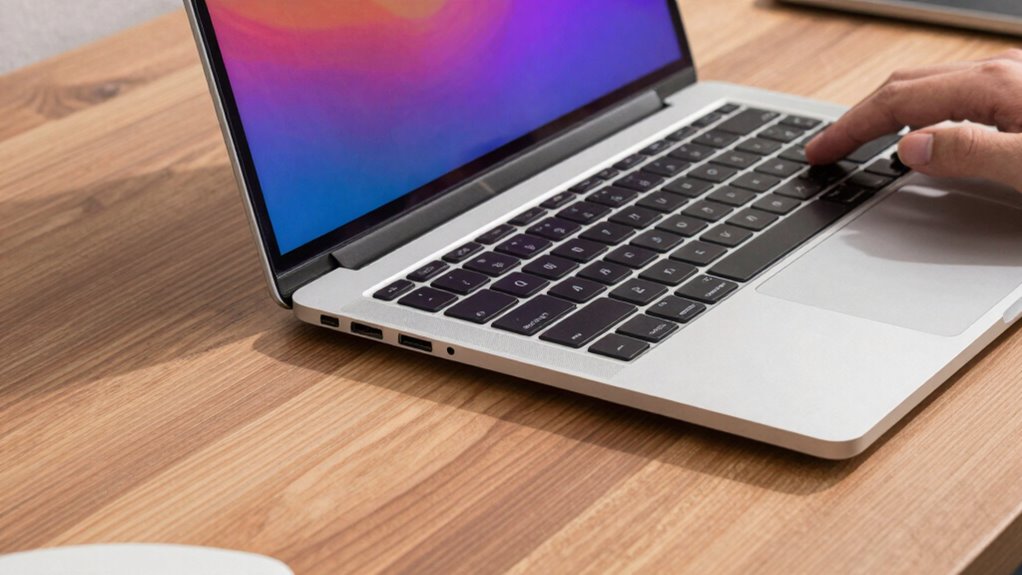
Battery life and port selection are crucial factors that directly influence how well a laptop fits into your daily routine. If your battery longevity is limited, you’ll find yourself constantly searching for outlets, disrupting your workflow. A laptop with long-lasting battery life lets you work unplugged for hours, enhancing portability and convenience. Similarly, port accessibility impacts your ability to connect peripherals quickly and easily. If your device has too few ports or hard-to-reach ones, you might need adapters or find yourself unable to connect essential accessories when needed. Both aspects affect your overall experience and efficiency. Choosing a laptop with robust battery longevity and ample, accessible ports ensures your device seamlessly integrates into your routine without unnecessary interruptions. Additionally, understanding design/branding trends can help you select devices that not only perform well but also align with your aesthetic preferences, making your tech setup more personalized and inspiring.
Common Mistakes That Lead to a Poor Laptop Fit

One common mistake that leads to a poor laptop fit is neglecting to assess your specific needs and daily usage habits before making a purchase. This oversight can cause ergonomic mismatches and accessory compatibility issues. To avoid this, watch out for these mistakes:
Neglecting to assess your needs can lead to ergonomic issues and accessory mismatches.
- Ignoring ergonomic factors like keyboard height and screen position, leading to discomfort.
- Choosing a size that doesn’t match your mobility or workspace constraints.
- Overlooking accessory compatibility, such as ports and charging options.
- Failing to consider your typical tasks, which can impact performance and comfort.
- Not taking into account home organization tips that could help you create an ideal workspace environment.
Quick Tips to Find the Perfect Fit Before You Buy

Before making a purchase, taking a moment to evaluate your specific needs can save you from costly mismatches later on. Focus on your ergonomic posture—ensure the laptop’s keyboard, screen height, and weight support comfortable, natural positioning. Test how the device feels when you type and browse, avoiding strain or awkward angles. Also, consider the aesthetic design; choose a style that matches your environment and personal preferences, so you’re more likely to use it consistently. Check for features like adjustable screens or lightweight builds that enhance comfort and portability. By paying attention to these details before buying, you’ll guarantee the laptop fits your daily habits and physical needs, reducing discomfort and increasing your satisfaction in the long run.
How a Good Laptop Fit Saves You Money and Frustration

A good laptop fit keeps your device from wearing out or breaking prematurely, saving you money on repairs or replacements. It also makes your daily use more comfortable, reducing strain and fatigue. When your laptop fits well, you avoid costly frustrations and enjoy smoother, more efficient work sessions.
Prevents Costly Replacements
Choosing a laptop that fits well can substantially reduce the risk of costly repairs or replacements down the line. An ergonomic design minimizes strain, preventing damage caused by poor posture or repetitive stress. Proper portability considerations ensure you don’t force the device into awkward positions or carry unnecessary weight, which can lead to wear and tear. A well-fitting laptop is less likely to suffer internal damage from overheating or accidental drops. Here are key ways a good fit prevents costly replacements:
- Reduces stress on components, extending lifespan
- Prevents damage from awkward handling or transport
- Minimizes overheating risks with proper airflow
- Avoids premature wear due to poor ergonomic setup
Investing in the right fit conserves money and frustration over time.
Enhances Daily Comfort
When your laptop fits well, daily use becomes much more comfortable, saving you both time and money. Proper fit promotes ergonomic posture, reducing fatigue and discomfort during long hours. It also helps prevent wrist strain by ensuring your wrists stay in a natural position. Imagine working at your desk with a laptop that aligns perfectly with your body:
| Laptop Size | Screen Position | Keyboard Height |
|---|---|---|
| 13-inch | Eye level | Slightly elevated |
| 15-inch | Slightly below eye level | Neutral |
| 17-inch | Comfortable viewing angle | Adjusted to avoid strain |
| 14-inch | Perfect for portability | Ergonomically aligned |
Choosing the right fit makes every task smoother, keeping you comfortable and avoiding costly health issues later.
Frequently Asked Questions
How Often Should I Reassess My Laptop Fit Over Time?
You should reevaluate your laptop fit every few months or whenever you notice discomfort, posture issues, or changes in your workspace. Regularly check your ergonomic accessories and guarantee they support good posture improvement. Adjust your setup as needed to prevent strain and maintain comfort. Staying proactive helps you avoid long-term health problems and keeps your workspace optimized for productivity and well-being.
Can Adjustable or Customizable Laptops Improve Fit?
Did you know that 65% of laptop users experience discomfort during prolonged use? Adjustable or customizable laptops can considerably improve your fit by letting you tweak height and angle. Pairing these with ergonomic accessories and adjustable stands helps maintain proper posture, reducing strain. Investing in a laptop that adapts to your needs ensures comfort, productivity, and long-term health—making it worth the extra effort to find the right fit.
What Are Signs My Laptop Isn’T Fitting Properly?
You’ll notice signs your laptop isn’t fitting properly if you experience discomfort, like neck or shoulder pain, or if your eyes strain from screen glare. An ergonomic desk setup can help, but consider ergonomic accessories like adjustable stands or keyboard trays to improve comfort. If your posture feels awkward or you’re frequently repositioning, it’s a clear sign your laptop doesn’t fit well, and making adjustments now can prevent future discomfort.
How Do I Test Laptop Fit for Long-Term Use?
Think of testing your laptop fit like tuning a musical instrument. Sit comfortably with your ergonomic accessories in place, ensuring your wrists aren’t strained and your neck stays aligned. Check your posture correction setup by typing naturally, and see if your screen height allows a relaxed gaze. If you feel discomfort or strain, adjust your setup until your laptop feels like a well-tuned instrument, supporting long-term comfort and avoiding future aches.
Are There Specific Brands Known for Better Ergonomic Fit?
You’ll find that brands like Dell, Apple, and Lenovo are known for better ergonomic fit, especially when paired with quality ergonomic accessories. Their reputation for designing laptops that prioritize user comfort helps reduce strain during long-term use. To maximize comfort, invest in ergonomic accessories like adjustable stands and ergonomic keyboards. These brands often offer better build quality and support, making them a smart choice for long-term health and productivity.
Conclusion
Skipping the laptop fit test is like trying to run a marathon in clown shoes—you’re setting yourself up for endless blisters and frustration. If you ignore comfort and ergonomics, you’ll soon feel like you’re carrying a brick instead of a sleek machine. Take the time to find the perfect fit, or you’ll be stuck battling discomfort every day. Trust me, your future self will thank you for avoiding this avoidable disaster!