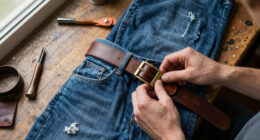
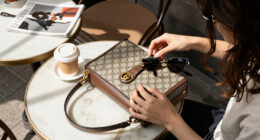
During the 1940s, wartime bags shifted from fashion statements to essential, durable tools designed for practicality. You’ll find that military surplus items like canvas satchels and leather duffels became popular for their rugged strength and straightforward design. Civilians adapted these bags for everyday use, adding personal touches or repurposing them for work and travel. Their toughness symbolized resilience during shortages, making them iconic. If you keep exploring, you’ll discover how these bags influenced fashion and daily life during wartime.

Get your wardrobe favorites delivered free with Prime
- Fast, free delivery on millions of items
- Prime Video, Amazon Music and more included
- Member-only deals all year
Key Takeaways
- Wartime bags prioritized durability and practicality over fashion, using rugged materials like canvas and leather.
- Military surplus bags served multiple civilian purposes, including daily use, work, and travel, due to their reliability.
- Their simple, robust designs with brass hardware ensured long-lasting performance in challenging conditions.
- Civilians personalized surplus bags, reflecting resourcefulness and adapting them for various functions during shortages.
- The utilitarian aesthetic of wartime bags symbolized resilience and became a lasting fashion statement in the 1940s.
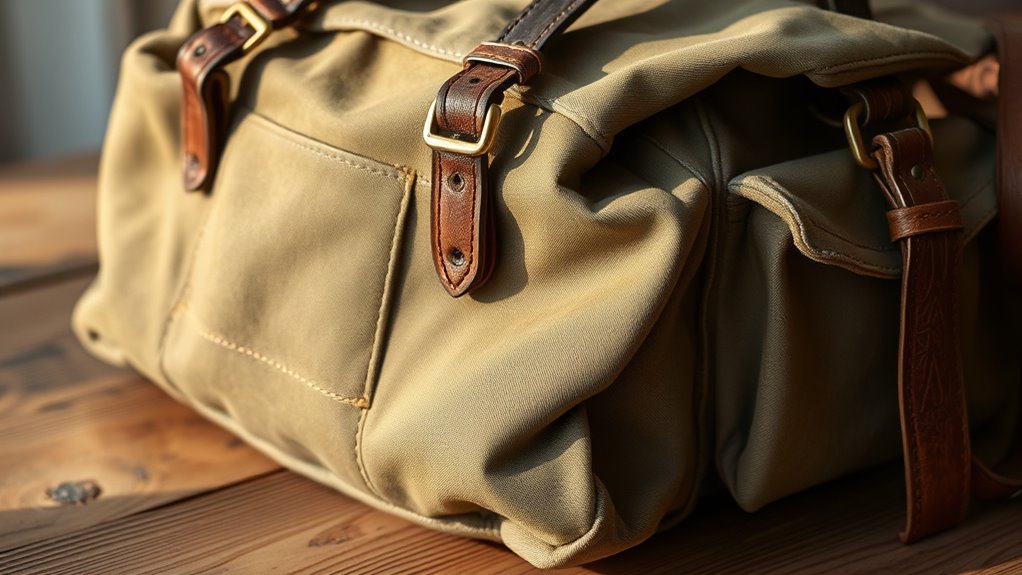
During wartime, bags became more than just everyday accessories; they transformed into essential tools for soldiers and civilians alike. You quickly realize that the typical fashion accessories of pre-war years took a backseat to practicality and durability. Military surplus items flooded the market, offering sturdy bags that could withstand the rigors of war while serving multiple purposes. These surplus bags weren’t just for soldiers; civilians adapted them for everyday use, appreciating their rugged construction and usefulness. You might find yourself carrying a military surplus satchel or duffel, appreciating how these bags combine function with a certain rugged style. They became symbols of resilience, often repurposed from military gear into everyday carryalls, blending practicality with the era’s emerging fashion trends. The simple, functional designs often incorporated low input lag and durable materials, making them reliable accessories in challenging conditions. The influence of military surplus on civilian fashion is unmistakable. You see people incorporating these durable bags into their wardrobes, elevating them from mere utility to fashion statements. While some might dismiss them as plain or utilitarian, others recognize their vintage appeal and rugged charm. These bags often feature simple, functional designs—canvas or leather construction, brass hardware, and straightforward compartments—making them perfect for everyday use. As a result, they became popular among those who valued practicality but still wanted to maintain a sense of style. This blend of utility and fashion turned surplus military bags into iconic accessories of the 1940s, especially as wartime shortages limited access to new fashion accessories. You might notice that the wartime necessity of carrying essentials reshaped your approach to what a bag should do. With shortages in consumer goods, people turned to military surplus options, which were readily available and built to last. These bags became multipurpose tools, used for work, travel, and even leisure. The no-nonsense design prioritized function over form, but that didn’t mean they lacked style; rather, their rugged look became part of their appeal. Some civilians even customized their surplus bags, adding patches or personal touches, making them unique fashion accessories that also served a practical purpose. Ultimately, wartime bags in the 1940s exemplify how necessity spurred innovation in everyday items. You recognize that these durable, military surplus bags weren’t just practical; they reflected a resourcefulness that defined the era. Whether used by soldiers or civilians, they became essential tools that balanced function and fashion—a testament to how wartime conditions reshaped accessories into symbols of resilience and style.
As an affiliate, we earn on qualifying purchases.
Frequently Asked Questions
Were Wartime Bags Reusable After the War Ended?
Yes, wartime bags were often reused after the war ended. You can find many examples of post-war reuse and bag repurposing, where soldiers or civilians transformed these sturdy, practical bags into everyday items. People appreciated their durability, making them ideal for various purposes like storage or fashion. Reusing wartime bags helped stretch resources and gave these functional items a new life beyond their original military use.
How Did Wartime Bags Influence Modern Military Gear Design?
Like a blueprint for future innovations, wartime bags shaped modern military gear design. You see, they introduced innovative storage solutions and ergonomic designs that made carrying essentials easier and more efficient. These features served as a foundation, influencing how gear is constructed today. The focus on practicality and comfort from wartime bags continues to drive improvements, ensuring soldiers carry what they need with less fatigue and greater effectiveness.
Were There Gender-Specific Wartime Bags Used by Men or Women?
Yes, gender distinctions influenced wartime bags, with women’s bags often reflecting fashion adaptations, featuring more decorative elements and compact designs. Men’s bags prioritized practicality, durability, and larger capacity for gear. These differences were shaped by societal roles and fashion trends of the era, creating distinct styles that addressed functional needs while incorporating gender-specific aesthetics. This legacy continues to influence modern military and civilian bag designs today.
What Materials Were Most Commonly Used in Wartime Bag Manufacturing?
You’ll find that during the 1940s, wartime bags were mainly made from durable fabrics like canvas and nylon, which offered excellent fabric durability and could withstand tough conditions. To keep bags lightweight and easy to carry, manufacturers often used lightweight materials such as nylon and rayon. These choices guaranteed that the bags were practical, resilient, and suitable for the demands of wartime life.
Did Civilians Adopt Wartime Bag Styles for Everyday Use?
Yes, civilians did adopt wartime bag styles for everyday use. You’ll notice that civilian fashion embraced practical designs, making wartime bags popular as everyday accessories. Many women carried bags inspired by the utilitarian look, featuring durable materials and simple shapes. These bags became stylish yet functional, blending practicality with fashion. As a result, wartime influences subtly shaped civilian fashion, making these bags both a practical choice and a trendy accessory during the 1940s.
leather duffel bag vintage style
As an affiliate, we earn on qualifying purchases.
As an affiliate, we earn on qualifying purchases.
Conclusion
You’ve seen how wartime bags combined practicality with resilience during the 1940s. These bags weren’t just accessories; they were essential tools for survival, crafted to endure hardship. As the saying goes, “A penny saved is a penny earned,” highlighting the importance of resourcefulness during tough times. Just like these bags, you learn that in difficult moments, adaptability and practicality help you carry on. Embrace these lessons, and you’ll be ready for whatever life throws your way.
As an affiliate, we earn on qualifying purchases.
As an affiliate, we earn on qualifying purchases.
Columbus Day / Indigenous Peoples' Day Picks
long weekend sales
As an affiliate, we earn on qualifying purchases.