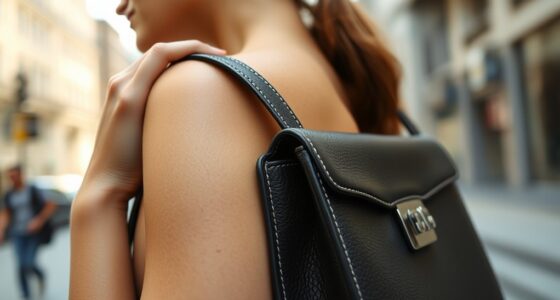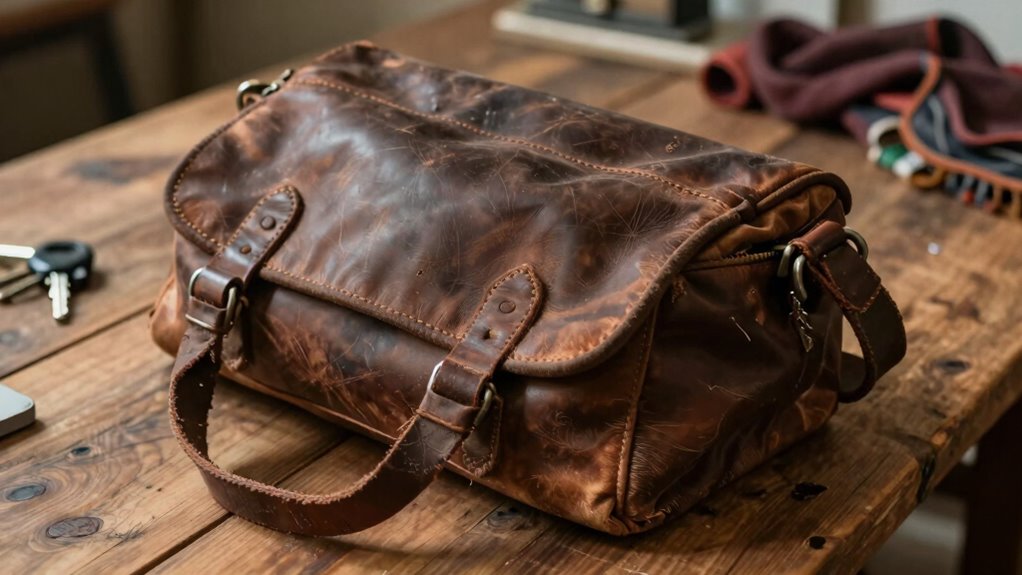

Even if your bag is lightweight, psychological factors like stress, anxiety, or focusing on the weight can make it feel heavier. Your body’s perception, influenced by fatigue or tension, also amplifies this feeling. Design features and habits, such as carrying it unevenly or clutching tightly, add to the sensation. If you keep these in mind, you’ll discover simple ways to ease the mental and physical burden, so keep exploring to learn more.
Key Takeaways
- Perception biases and emotional baggage can make even lightweight bags feel heavier than they are.
- Carrying unevenly or clutching tightly increases muscle tension, amplifying perceived weight.
- Stress, fatigue, or anxiety heighten the sensation of heaviness regardless of actual weight.
- Mental focus on negatives or discomfort can distort perception, making the bag feel heavier.
- Bag design features like handle placement and weight distribution influence perceived heaviness beyond actual load.

MIYCOO Backpack – Ultra Lightweight Packable Backpack for Travel Camping, Hiking Back Pack Waterproof Foldable Daypack for Men Women Blue
Lightweight: The lightweight packable backpack is about half the weight of a mobile phone, being folded into its…
As an affiliate, we earn on qualifying purchases.
As an affiliate, we earn on qualifying purchases.
What Psychological Factors Make a Lightweight Bag Feel Heavy

Even if your bag is lightweight, your perception of its weight can be influenced by psychological factors. Perception bias can distort how heavy you feel it, especially if you’re overwhelmed or stressed. Your emotional baggage—like worries or past experiences—can amplify this sensation, making the bag seem heavier than it truly is. When you carry emotional weight, your mind might associate the physical load with mental burdens, increasing the perceived heaviness. This bias can cause you to focus on the negative aspects, magnifying the effort it takes to carry. Recognizing that your feelings and mental state influence perception helps you understand why a seemingly light bag still feels burdensome. Understanding perception bias can help you reframe your mindset and reduce the sensation of heaviness, making the load feel lighter.

KiJoeErica 2Pcs Luggage Handle Replacement 9.06" x 0.98" Black Plastic Pull Suitcase Handle Replacement 230mm x 25mm for Luggage Suitcase Case (RB-015A)
Luggage Handle Strap: made of premium quality plastic material, it offers enhanced durability and anti-corrision, wear resistance.
As an affiliate, we earn on qualifying purchases.
As an affiliate, we earn on qualifying purchases.
How Your Body’s Perception Influences How Heavy Your Bag Feels

Your body’s perception of weight plays a significant role in how heavy your bag feels, regardless of its actual mass. Perceived effort influences this sensation—if you believe carrying the bag is challenging, it will feel heavier. Emotional baggage also impacts your perception; stress, fatigue, or anxiety can heighten your sense of weight, making even a lightweight bag seem burdensome. When you’re overwhelmed or distracted, your brain interprets physical effort differently, amplifying the heaviness. This isn’t just about muscles; it’s about your mental state shaping how you experience physical sensations. Recognizing that emotional and psychological factors contribute to perceived effort helps you understand why a lightweight bag can still feel heavy, even when the actual weight is minimal. Additionally, engine modifications like upgrading your flywheel can influence how your body perceives effort during driving, illustrating how technical changes can impact perception.

Loop Quiet 2 Ear Plugs – Ultra-Comfy Reusable Noise-Reducing Earplugs for Sleep, Deep Focus, Travel, Noise Sensitivity | Flexible Hearing Protection | Customizable Fit | 24dB (SNR) Noise Reductio
POWERFUL NOISE REDUCTION – Packing up to 24 dB (SNR) of noise reduction into a flexible silicone earplug,…
As an affiliate, we earn on qualifying purchases.
As an affiliate, we earn on qualifying purchases.
How Bag Design and Material Affect Perceived Weight

The materials used in your bag and how it’s designed can substantially influence how heavy it feels. Thinner or lighter-density materials often seem less burdensome than dense fabrics, even if the weight is the same. Additionally, structural features like shape and distribution of weight can make a bag feel lighter or heavier when you carry it. Considering Free Floating design principles, the way weight is distributed without rigid structures can also affect perceived heaviness.
Material Density Effects
Material density plays a crucial role in how heavy a bag feels, regardless of its actual weight. Denser materials feel more substantial, impacting your perception of heaviness. Using lighter, lower-density fabrics can make a bag seem lighter, even if it’s physically heavy. Color psychology also influences perception—bright or vivid colors can make a bag feel lighter, while darker shades may add perceived weight. Material durability ensures your bag maintains its shape and weight over time, affecting how heavy it feels during use. Here’s a quick comparison:
| Material Type | Density (g/cm³) | Perceived Heaviness |
|---|---|---|
| Nylon | Low | Feels lightweight |
| Polyester | Moderate | Balanced perception |
| Canvas | High | Feels heavier, sturdy |
| Leather | Very high | Adds a sense of weight |
| Ripstop Fabric | Low | Lightweight, durable |
Choosing materials wisely impacts both durability and perceived weight. Additionally, considering the material composition can help you select a bag that aligns with your comfort and durability needs.
Structural Design Influence
Although the actual weight of a bag remains constant, its perceived heaviness can be markedly influenced by its design. Bag ergonomics and weight distribution play vital roles in how heavy it feels. To optimize this, consider:
- Handle placement – Properly positioned handles reduce strain and improve comfort.
- Padding and support – Added padding enhances ergonomics, lessening the perceived weight.
- Weight distribution – Evenly spreading load across compartments minimizes imbalance and fatigue.
- Structural shape – A streamlined, contoured design aids in better weight transfer to your body’s natural points of support.
Additionally, understanding the impact of materials used can influence how weight is perceived, as lighter, flexible materials often contribute to a feeling of less heaviness.

120L Foldable Collapsible Waterproof Travel Duffel Bag for Men and Women with Shoe Compartment
[ Foldable & 120L Extra Large Capacity Duffle Bag ] : It expands to 34 x 14 x…
As an affiliate, we earn on qualifying purchases.
As an affiliate, we earn on qualifying purchases.
Habits That Make Your Bag Feel Heavier Than It Is

Often, you unknowingly add habits that make your bag feel heavier than it really is. These are rooted in bag weight illusions and perception biases that influence how you perceive weight. For example, carrying your bag on one shoulder consistently can create an uneven distribution, making it feel heavier over time. Similarly, holding your bag tightly or clutching it can increase perceived weight due to tension and muscle strain. Constantly checking or adjusting your bag also heightens your awareness of its weight, amplifying the illusion of heaviness. These habits reinforce mental biases, making the load seem more burdensome than it truly is. Being aware of perception biases and how they affect your experience can help you develop better habits. Recognizing and changing these behaviors can help shift your perception, reducing the mental and physical strain you associate with your bag.
Practical Tips to Reduce Both Mental and Physical Load

Changing your habits around how you carry and handle your bag can considerably lighten both your mental and physical burden. To achieve this, focus on mindful packing and stress reduction.
- Limit what you carry by only packing essentials, avoiding unnecessary items.
- Use lighter, organized containers to distribute weight evenly.
- Regularly declutter your bag to prevent buildup of unused items.
- Practice mindful packing routines to reduce stress and ensure you’re only carrying what you truly need.
- Incorporating content quality into your packing habits can boost your confidence and decision-making, helping you carry only what truly adds value to your day.
These habits help you stay aware of your load and prevent unnecessary strain. By consciously simplifying what you carry, you’ll feel lighter both physically and mentally, making your daily routine less stressful and more manageable.
When to Reassess Your Bag for Comfort and Ease

Regularly reevaluating your bag guarantees it continues to meet your needs for comfort and ease. Over time, your lifestyle, daily routines, or even the contents you carry can change, affecting your bag weight perception. If you notice discomfort, strain, or fatigue, it’s time for ergonomic adjustments. Check if the straps are properly padded and adjustable to distribute weight evenly. Consider reorganizing your items to lighten the load or shift heavier objects closer to your body. Pay attention to how your body responds during different activities—what felt comfortable last month might no longer do so. Reassessing ensures your bag remains ergonomic, reducing discomfort and preventing strain, so you can carry with ease and confidence. Additionally, understanding the horsepower of electric dirt bikes can help you choose a bag that can accommodate your gear for more active pursuits.
Frequently Asked Questions
Can Mental Stress Actually Increase the Perceived Weight of My Bag?
Yes, mental stress can make your bag feel heavier. When you’re stressed, your body releases tension and increases your perception of physical discomfort. Practicing mindfulness techniques and stress reduction strategies helps calm your mind and relax your muscles, which can lessen this perception. By focusing on your breath or the present moment, you can make the weight feel lighter and ease the sensation of heaviness in your bag.
Do Color and Pattern Choices Influence How Heavy a Bag Feels?
Colors and patterns can definitely influence how heavy your bag feels. Studies show that bold, dark colors often make objects seem heavier, thanks to color psychology, while busy patterns can create a perception of weight through pattern perception. You might notice that a bag with bright, simple designs feels lighter, because your mind associates those choices with ease and lightness, shaping how heavy it seems to you.
How Does Carrying a Bag in a Specific Position Affect Perceived Weight?
Carrying a bag in a specific position impacts how heavy it feels because your posture awareness and grip technique matter. When you keep your shoulders back and hold the bag close to your body, it distributes weight evenly, reducing strain. Using a proper grip technique, like grasping the handle firmly but comfortably, helps you maintain good posture. This combination minimizes fatigue and makes even a heavy bag feel lighter.
Are There Psychological Tricks to Make a Heavy Bag Feel Lighter?
Yes, you can use psychological tricks like visual illusions to make a heavy bag feel lighter. By focusing on images or patterns that suggest lightness, your brain perceives less weight through altered weight perception. For example, holding the bag against a background that creates a visual illusion of weightlessness tricks your mind into feeling the bag is lighter, reducing the perceived heaviness and making carrying it feel easier.
Does the Shape of a Bag Impact How Heavy It Feels on My Shoulder?
Think of your bag like a trusty steed from medieval tales—its shape matters. The bag’s ergonomics and weight distribution directly influence how heavy it feels on your shoulder. A well-designed shape spreads weight evenly, reducing strain. Conversely, a poorly shaped bag concentrates weight, making it seem heavier. So, choosing a bag with good ergonomics and proper weight distribution can make a noticeable difference in comfort during your day.
Conclusion
So, next time your lightweight bag feels heavy, remember it’s not just about the weight inside. Your perceptions, habits, and even design tricks play a big role. Some experts believe our brains can trick us into feeling things are heavier than they are, especially if we’re stressed or distracted. By adjusting how you carry and think about your bag, you might actually lighten the load—mentally and physically. Sometimes, perception really is everything.