

Choosing the right bag size is key to protecting your spine health. When your bag fits well, it supports proper posture and ensures weight is evenly distributed, reducing strain on your back and shoulders. Oversized or too-small bags can lead to uneven weight and poor alignment, risking pain and injury over time. Using ergonomically designed bags with balanced packing helps keep your spine healthy. Stay with us to discover more ways to prevent back issues from improper bag choices.
Key Takeaways
- Proper bag size ensures ergonomic support, preventing strain on your back and shoulders during daily use.
- Oversized or undersized bags can cause uneven weight distribution, leading to muscle imbalance and pain.
- Choosing a bag that fits your body and essentials helps maintain correct posture and spinal alignment.
- Proper weight distribution within the bag reduces pressure on the spine and minimizes discomfort.
- Correct bag sizing combined with balanced packing habits helps protect spinal health over time.

Choosing the right bag size is vital for maintaining good spine health. When you carry a bag that’s too big or too small, you risk putting unnecessary strain on your back and shoulders. The key is selecting a bag that complements your body and daily needs, ensuring proper ergonomic design and effective weight distribution. An ergonomically designed bag is crafted to support your natural posture, reducing pressure on your spine and minimizing discomfort. Look for features like padded straps, adjustable belts, and a shape that conforms to your body to promote better alignment. A bag with good ergonomic design helps you avoid uneven weight distribution, which can cause muscle imbalance and long-term spinal issues. Additionally, choosing a properly sized bag helps prevent overloading and supports your overall spinal health.
Weight distribution plays an essential role in protecting your spine. When your bag’s weight is evenly distributed, it prevents one side from bearing more load than the other. For example, a backpack with two straps that sit comfortably on your shoulders encourages symmetrical weight distribution, reducing the risk of shoulder and back pain. Avoid bags that rely solely on one shoulder strap or have uneven weight compartments, as these tend to shift your center of gravity and lead to poor posture. If you carry a handbag or messenger bag, switch sides regularly to balance the load and avoid overloading one side of your body.
Size matters because a bag that’s too large may tempt you to fill it with unnecessary items, increasing the weight you carry daily. Conversely, a bag that’s too small might force you to cram in essentials, causing discomfort and improper weight distribution. Choose a size that fits your essentials without excess space—this helps keep the weight manageable. Also, consider the weight of the bag itself; a lightweight bag made from durable materials reduces overall load and prevents added strain.
The way you pack your bag makes a difference too. Distribute heavier items close to your back and keep lighter items towards the outside. This setup minimizes the shift in your center of gravity. Regularly reassess what you carry and remove unnecessary items to keep the load light. Properly packed, appropriately sized bags combined with ergonomic design and balanced weight distribution can considerably lessen the risk of back pain and spinal problems.

BJIAX Business Backpack for Men, Tech-Savvy Laptop Backpack with USB Charging Port and Ergonomic Design, 35L Water Resistant Anti Theft Travel Work College Backpack Fits 15.6 Inch Tablet, Notebook
More Storage Details: It’s got a lot of pros going for it, sharing organizational features that high end…
As an affiliate, we earn on qualifying purchases.
As an affiliate, we earn on qualifying purchases.
Frequently Asked Questions
Can Small Bags Still Cause Spine Problems?
Small bags can still cause spine problems, despite common bag size myths. You might think small bags are safer, but carrying them unevenly or with heavy contents shifts your posture, risking back pain. Small bag risks include overloading or poor weight distribution, which can strain your spine just like larger bags. Always pay attention to how you carry your bag and avoid overstuffing, regardless of its size, for better spine health.
Does Bag Weight Matter More Than Size?
Ever wondered if bag weight matters more than size? Absolutely. Heavier bags, regardless of their size, put more strain on your spine. The bag material can influence weight—thicker leather feels heavier than lightweight nylon—and even the bag color might affect your perception of weight. Opt for lighter materials and avoid overloading to protect your spine. Remember, a small but heavy bag can be worse than a large, lightweight one.
Are Backpack Straps Important for Spine Health?
Backpack straps are vital for spine health because they help maintain shoulder alignment and support proper posture correction. Well-padded, adjustable straps evenly distribute weight, preventing strain on your shoulders and back. When straps fit correctly, they reduce the risk of discomfort and long-term issues. Always make sure your straps are adjusted to keep your shoulders relaxed and aligned, promoting better posture and protecting your spine during daily activities.
How Often Should I Switch Bag Sides?
You should switch bag sides at least once every 20 to 30 minutes to prevent imbalance. Incorporate bag switching habits into your daily routine, and use posture correction techniques like keeping your shoulders relaxed and spine straight. Regularly changing sides reduces strain on your muscles and spine, helping maintain proper alignment. Staying consistent with these habits will support your spine health and prevent discomfort caused by uneven load distribution.
Can Ergonomic Bag Designs Prevent Spine Issues?
An ounce of prevention is worth a pound of cure. Ergonomic bag designs, with innovative features like padded straps, lumbar support, and adjustable compartments, can definitely help avert spine issues. By promoting proper weight distribution and reducing strain, these design innovations support your posture and comfort. Investing in ergonomic features ensures your bag adapts to your body, rather than your body adapting to discomfort, keeping your spine healthier in the long run.
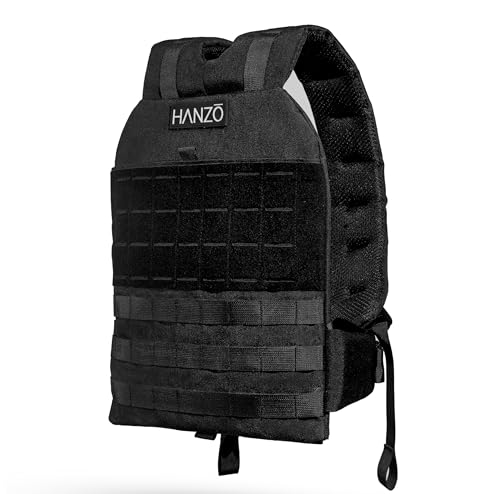
Hanzo Weighted Backpack for Rucking, Fitness Training, Hiking, Walking, Workouts. Adjustable Rucksack Weight Plate Backpack
VERSATILE DESIGN: Our Weighted Backpack Rucksack is designed for those who love to hike, run, walk, and workout….
As an affiliate, we earn on qualifying purchases.
As an affiliate, we earn on qualifying purchases.
Conclusion
Choosing the right bag size gently guides your spine toward comfort and balance. When you opt for one that suits your needs without overloading, you help preserve your body’s harmony. Think of it as a small, thoughtful step that keeps you feeling lighter and more agile each day. By paying attention to your bag’s size, you subtly nurture your well-being, making each journey a little easier on your back’s delicate dance.

KYALOU Utility Large Canvas Tote Bag with Pockets, Women Casual Shoulder Bags with 13 Exterior & Interior Pockets for Work Gym Beach Travel Shopping Grocery (Dark Gray)
Multi-pocket Design: This large canvas tote bag with zipper has 13 pockets in totall. (7 exterior – 2…
As an affiliate, we earn on qualifying purchases.
As an affiliate, we earn on qualifying purchases.

GAXOS Aesthetic Cute Messenger Bag for School Vintage Black Canvas Crossbody for Women Shoulder Laptop Bag
【GOOD QUALITY】 The retro shoulder bag is made of high-quality encrypted canvas which is breathable, lightweight and very…
As an affiliate, we earn on qualifying purchases.
As an affiliate, we earn on qualifying purchases.