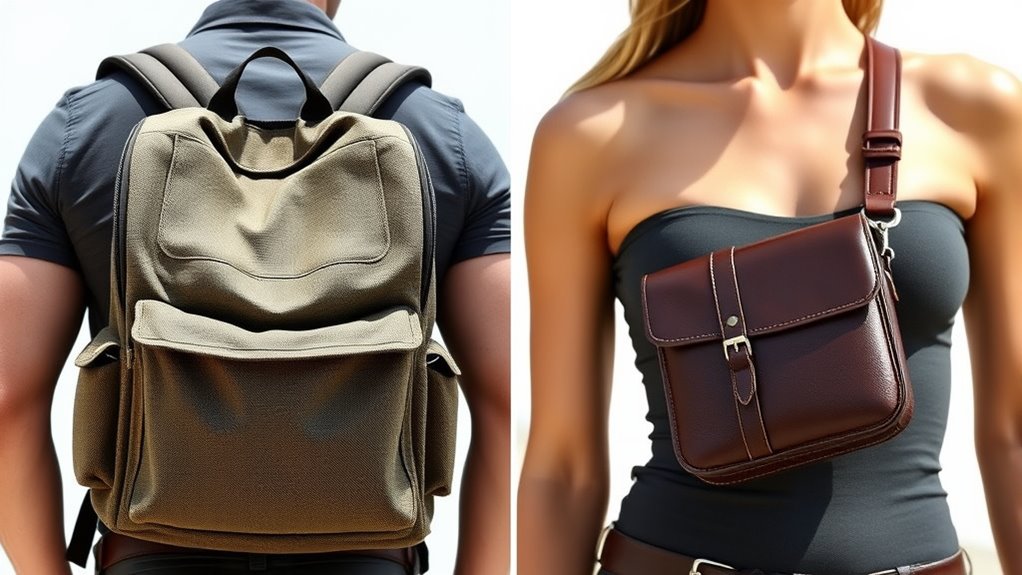

If you’re choosing between a backpack and a crossbody for your back health, consider how each distributes weight. Backpacks with ergonomic features and padded straps help spread load evenly, reducing strain and improving posture, especially when carrying heavy items. Crossbody bags are convenient but may cause uneven pressure and awkward shifting, which can lead to discomfort. To discover which option better suits your daily routine and supports your back, keep exploring the details ahead.
Key Takeaways
- Backpacks evenly distribute weight across both shoulders, reducing strain, especially with heavy loads.
- Crossbody bags can cause uneven pressure and shifting, potentially leading to discomfort over time.
- Ergonomic backpack features like padded straps and ventilated panels enhance posture and reduce back soreness.
- Material durability and sturdy construction are vital for both bag types to support daily weight and prevent strain.
- Choose based on activity: backpacks suit heavy loads and ergonomic support; crossbody bags fit quick access and lighter use.

When choosing between a backpack and a crossbody bag, you need to contemplate your daily needs and personal style. Both options offer unique advantages, but your decision should focus on how they support your comfort and health. An important factor to consider is ergonomic design. A well-designed bag distributes weight evenly across your shoulders and back, reducing strain and preventing soreness. Backpacks with padded straps and adjustable features help you maintain proper posture, which is crucial if you carry heavy loads regularly. Crossbody bags, on the other hand, tend to shift slightly as you move, which can cause uneven pressure on your shoulders and spine. If you opt for a crossbody, look for adjustable straps and padded sections to enhance comfort and support. Additionally, material durability is vital, as it ensures your bag can withstand daily wear and tear while maintaining its structural integrity. Material durability is another critical aspect that influences your choice. You want a bag that withstands daily wear and tear without falling apart. Backpacks made from high-quality, water-resistant fabrics like nylon or leather tend to last longer and protect your belongings from the elements. Their sturdy construction ensures they won’t rip or fray easily, even when overloaded. Crossbody bags, while generally smaller, should also feature durable materials—think thick canvas or leather—that resist scratches and tears. The durability of your bag impacts not just longevity but also your confidence in carrying valuable or delicate items. Consider how ergonomic design and material durability work together to provide a comfortable experience. For example, a backpack with a ventilated back panel and ergonomic straps will keep you cool and comfortable during extended wear, especially if you’re commuting or traveling. Meanwhile, a crossbody bag with reinforced seams and a tough exterior can handle daily errands and unpredictable weather without compromising its integrity. Both types of bags can be built with quality materials that last, but how they are designed to fit your body plays a significant role in minimizing discomfort and promoting good posture. To further enhance comfort, some backpacks incorporate ergonomic features like contoured straps and adjustable back panels that distribute weight more effectively. Ultimately, your choice depends on your lifestyle. If you need to carry a lot of items and prioritize even weight distribution, a backpack with ergonomic features and durable materials is likely the better fit. If you prefer a lighter, more stylish option that offers quick access and mobility, a crossbody bag with sturdy construction might suit you better. Whichever you choose, prioritize ergonomic design for comfort and material durability for longevity. This way, your bag supports your daily activities without compromising your back health or requiring frequent replacements.

JanSport Laptop Backpack – Computer Bag with 2 Compartments, Ergonomic Shoulder Straps, 15” Laptop Sleeve, Haul Handle – Graphite Grey
Go Big or Go Home: Always have room for your essentials with the JanSport Big Backpack with a…
As an affiliate, we earn on qualifying purchases.
As an affiliate, we earn on qualifying purchases.
Frequently Asked Questions
Which Bag Type Causes Less Shoulder Strain Over Time?
A crossbody bag generally causes less shoulder strain over time because it distributes weight more evenly across your body. You’ll experience less wear and tear on your shoulder and better posture alignment, reducing discomfort. Unlike backpacks, which can strain one shoulder or cause uneven posture if overloaded, crossbody bags help you maintain better balance and minimize long-term shoulder issues, making them a healthier choice for your back.
Are Crossbody Bags More Secure Than Backpacks?
Yes, crossbody bags tend to be more secure than backpacks because they stay close to your body, making it harder for pickpockets to grab your belongings. As fashion trends evolve, many prefer crossbody styles for their sleek look and versatility. Plus, with durable materials like leather or sturdy fabric, crossbody bags offer reliable protection for your essentials, combining security with style and long-lasting material durability.
Can the Wrong Bag Choice Lead to Back Pain?
Choosing the wrong bag can cause back pain that feels like carrying a mountain on your shoulders. If your bag’s material is too heavy or poorly designed, it can strain your muscles and spine. Fashion trends often prioritize style over support, so don’t sacrifice comfort for looks. Opt for a lightweight, ergonomic bag that distributes weight evenly to protect your back and stay trendy without pain.
Do Ergonomic Designs Improve Comfort for Both Bags?
Yes, ergonomic designs do enhance comfort for both backpacks and crossbody bags. When your bag has ergonomic features like padded straps, adjustable straps, and proper weight distribution, it alleviates strain on your back and shoulders. These comfort enhancements help prevent pain and fatigue, making it easier to carry your essentials throughout the day. Choosing bags with ergonomic designs ensures you stay comfortable and protect your back from unnecessary stress.
How Does Weight Distribution Differ Between Backpacks and Crossbodies?
Think of your bag as a balancing act—backpacks distribute weight evenly across both shoulders, while crossbodies transfer it diagonally, focusing on one side. You’ll want strap padding for comfort, especially if carrying heavier loads, and durable materials to withstand daily wear. Proper weight distribution helps prevent strain, making a backpack ideal for heavy loads, while a crossbody keeps things manageable for lighter, everyday use.
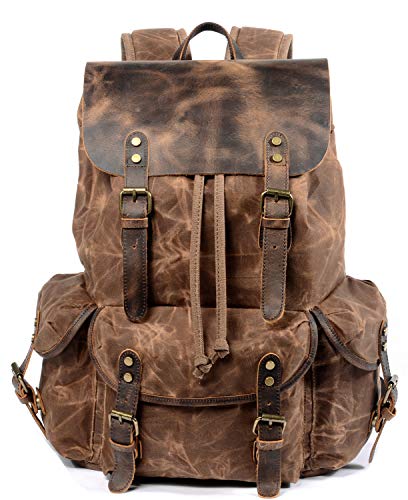
WUDON Leather Backpack for Men, Waxed Canvas Shoulder Rucksack Carry-On Travel Backpack
EXCLUSIVELY FOR ADVENTURERS – Our basics travel backpacks for men was designed for the doers in life: Made…
As an affiliate, we earn on qualifying purchases.
As an affiliate, we earn on qualifying purchases.
Conclusion
Ultimately, choosing between a backpack and a crossbody depends on your needs, your style, and your comfort. Both distribute weight, both offer convenience, and both can impact your back health. Consider what feels best, consider what suits your daily routine, and consider what keeps you moving comfortably. Whether you carry it high or wear it low, prioritize your posture, prioritize your health, and prioritize what works best for you. After all, the right bag is the one that supports you every step of the way.
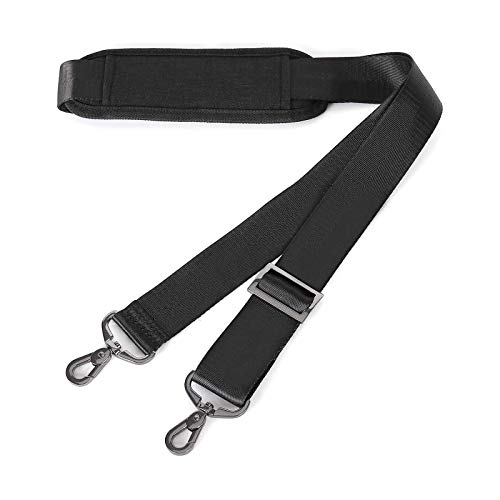
MOSISO 56 inch Shoulder Strap, Adjustable Thick Soft Universal Replacement Non-Slip Fit Padded with Metal Swivel Hooks for Laptop Shoulder Bag/Laptop Messenger Bag/Crossbody Bag, Black
The comfort padded shoulder strap can be adjusted between 31.5 inch to 56 inch (80cm to 142 cm)…
As an affiliate, we earn on qualifying purchases.
As an affiliate, we earn on qualifying purchases.

Sechunk Canvas Vintage Messenger Bag Shoulder bag Leather Cross body bag Large Travel Crossbody bags for men women 15inch Laptop
Material: Made of thick Soft and durable Washed Canvas with PU Leather Decoration. The messenger sling bag is…
As an affiliate, we earn on qualifying purchases.
As an affiliate, we earn on qualifying purchases.