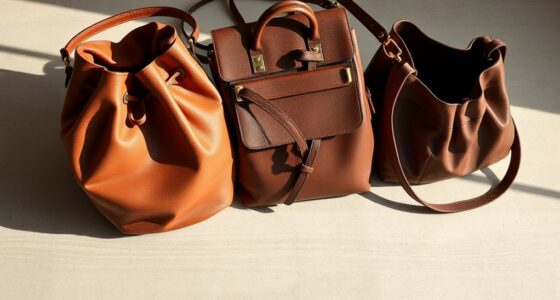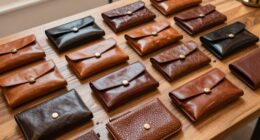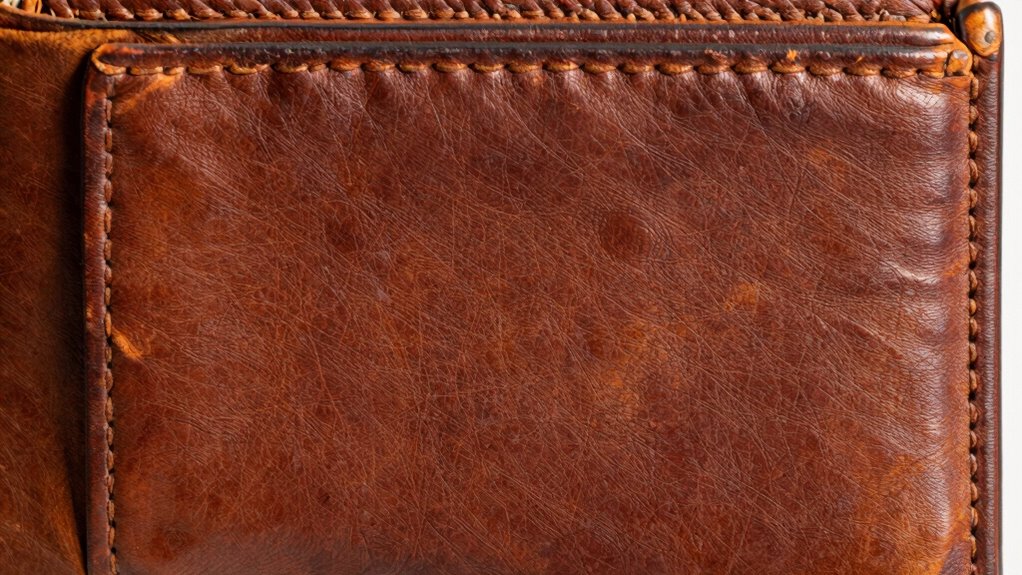

Wallet wear patterns reveal a lot about your habits and lifestyle. For example, frayed edges or thinning slots show frequent use of cards, while scuffed corners suggest rough handling or pocket storage. Faded areas may indicate sun exposure or rubbing, and worn coin pockets reveal lots of cash transactions. Tracking these signs helps you understand your routines and maintain your wallet better. Keep exploring, and you’ll uncover even more about what your wallet wear says about you.
Key Takeaways
- Frayed edges or thinning card slots indicate frequent card use and a busy, active lifestyle.
- Worn corners and scratches suggest rough handling or storage in back pockets.
- Creases in leather or fabric show regular cash or item access, reflecting routine financial habits.
- Fading or tears reveal exposure to sunlight or outdoor conditions, hinting at an outdoorsy or active routine.
- Wear patterns on coin pockets and interior linings reveal coin-carrying habits and storage organization preferences.
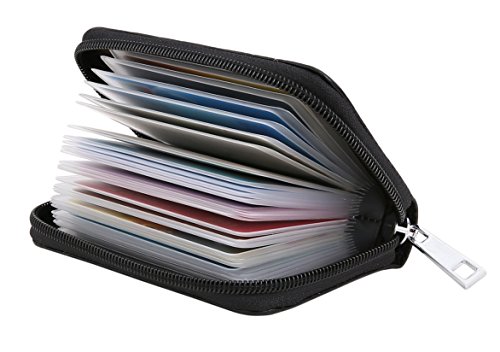
Easyoulife Genuine Leather Credit Card Holder Zipper Wallet With 26 Card Slots (Black)
Material: Genuine leather and PVC card slots.
As an affiliate, we earn on qualifying purchases.
As an affiliate, we earn on qualifying purchases.
How to Recognize Wallet Wear Patterns and What They Mean
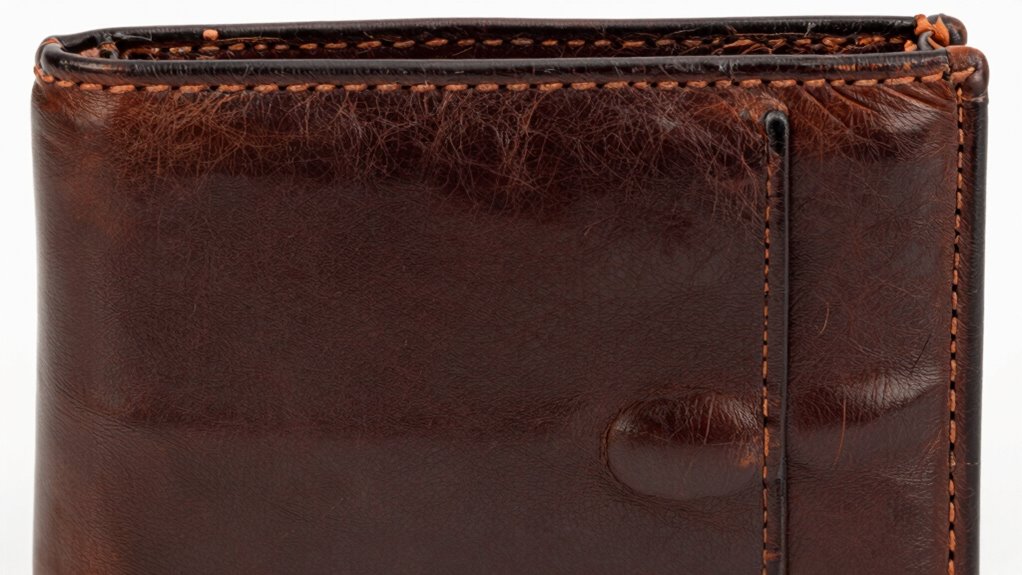
Recognizing wallet wear patterns can reveal a lot about how you use your wallet and what it says about your habits. Look for signs like material degradation, where the leather or fabric starts to crack or fray, indicating frequent handling or rough use. Color fading is another key indicator; if the wallet’s original hue has lightened or uneven patches appear, it suggests exposure to sunlight or repeated rubbing. These signs often develop gradually, reflecting your daily routines. For example, a worn-out corner might mean you often pull your wallet out from a specific pocket. Paying attention to these details helps you understand how your habits impact your wallet’s condition, guiding you toward better care or a more durable replacement. Additionally, the horsepower of electric dirt bikes can influence how often and vigorously you handle your bike, indirectly affecting wallet wear if you frequently transport it or accessories.

RUNBOX Wallet for Men – Slim Rfid Leather Bifold 2 ID Window With Gift Box Men's Accessories
Slim and Thin Wallet – This minimalist bifold wallet measures 4.3×3.2×0.6 inches and stores up to 15 cards….
As an affiliate, we earn on qualifying purchases.
As an affiliate, we earn on qualifying purchases.
Common Wallet Wear Signs and What They Reveal About Your Habits

Noticing specific wear signs on your wallet can reveal a lot about your daily habits. For example, frayed edges or thinning spots along the card slots might indicate frequent use of your cards, showing you’re always on the go. A worn-out zipper or clasp suggests you carry your wallet tightly, possibly reflecting a busy lifestyle. The wear pattern also depends on your wallet’s materials; leather wallets develop unique creases over time, revealing a preference for classic, durable fashion trends, while fabric wallets may show fading or tears, indicating casual or active routines. If the corners are heavily scuffed, you might be rougher with your wallet or carry it in a back pocket often. These signs help you understand how your habits shape the wear and tear of your wallet, revealing more than just age. Additionally, material durability influences how your wallet ages and the types of wear patterns that develop over time.

GSOIAX Slim Wallet for Men Rfid Blocking Leather Bifold Front Pocket Carbon Fiber Credit Card Holder Novelty Wallets With Gift Box (Carbon Black and Orange)
Ultra-thin: This wallet measures 4.3 x 3 x 0.5 inches and can hold at least 11 cards and…
As an affiliate, we earn on qualifying purchases.
As an affiliate, we earn on qualifying purchases.
Deciphering Wallet Wear to Discover Your Priorities and Lifestyle
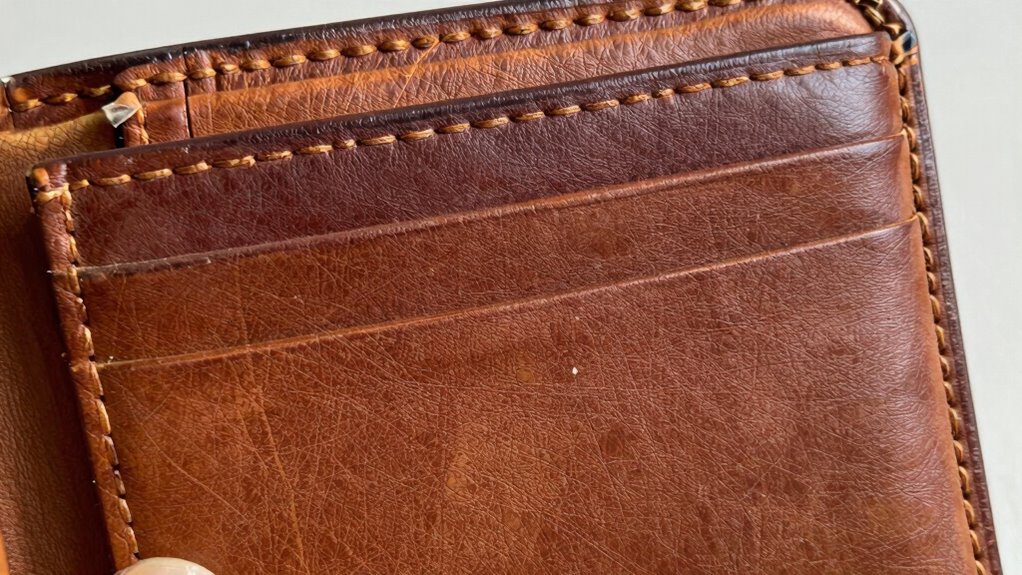
Your wallet’s wear patterns can reveal more about your priorities and lifestyle than you might expect. For example, frequent use of cash slots suggests a preference for cash over cards, indicating financial priorities rooted in cash management. Heavy card wear might point to a busy daily routine that requires quick access to multiple cards. If the coin pocket is heavily worn, it shows you often carry spare change, reflecting a more traditional or cash-reliant lifestyle. The wear on certain edges can also hint at your habits, like rushing or handling your wallet roughly. Consider this table:
| Wear Pattern | What It Reveals | Lifestyle Insight |
|---|---|---|
| Heavy cash slot | Preference for cash | Traditional or cash-focused |
| Worn card edges | Frequent card use | Active daily routines |
| Worn coin pocket | Carrying coins regularly | Classic, cash-reliant |
| Ripped corners | Rough handling or rushed habits | Busy, hurried lifestyle |
Additionally, contrast ratio plays a crucial role in how vivid and detailed your viewing experience appears, which can also metaphorically relate to how noticeable your wallet wear patterns are in everyday life.

2pcs Japanese Yen Coin Holders, Coin Dispenser with 6 Slots Rectangle Plastic Display Black Red Hard Case Organizer and Storage Coin Stand Sorter Collection Purse Wallet for Travel Car Coin Change
Package Includes: You will receive 2 Japanese yen coin holders, which are designed for quick access and storage…
As an affiliate, we earn on qualifying purchases.
As an affiliate, we earn on qualifying purchases.
How to Use Wallet Wear Clues to Stay Organized and Prevent Damage
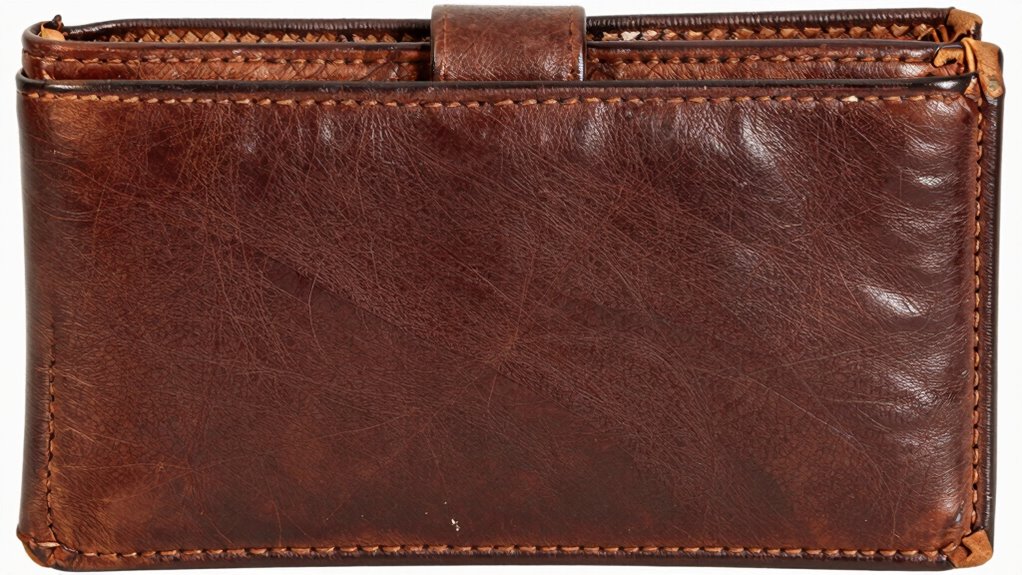
By paying attention to the wear patterns on your wallet, you can identify areas that need better organization or protection before damage worsens. Material durability varies, so recognizing weak spots helps you perform targeted wallet maintenance. Here are three ways to use wear clues effectively: Reinforce weak areas—add protective covers or switch to more durable materials if your wallet shows fraying or cracking. Organize contents—avoid overstuffing to prevent stretching and tearing, especially in frequently stressed zones. Rotate use—switch between wallets to distribute wear evenly and prolong their lifespan. Additionally, understanding the resilience of different materials can help you select more weather-resistant wallets that withstand outdoor conditions better.
Tracking Changes in Wallet Wear Over Time to Understand Your Habits
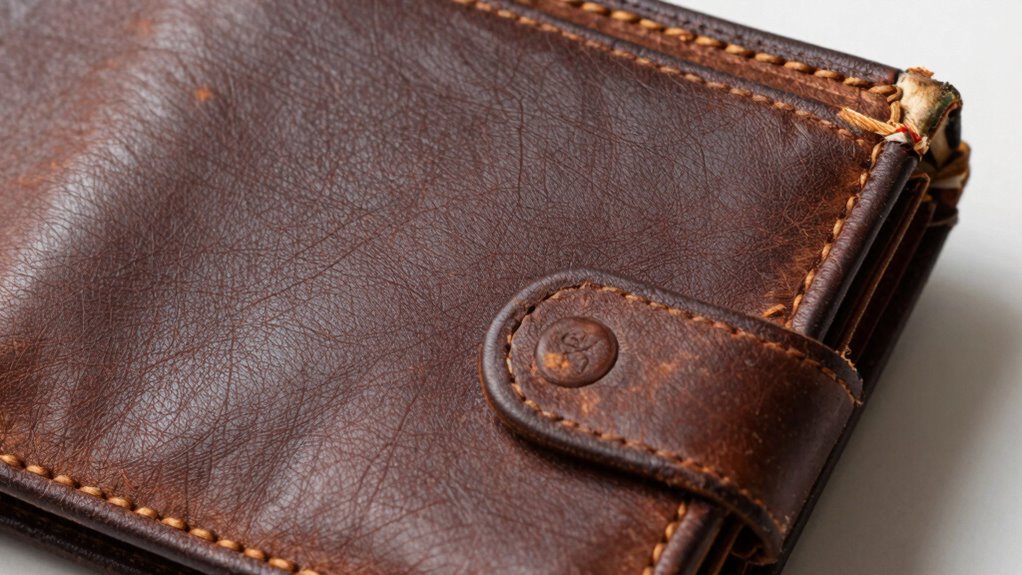
Tracking how your wallet’s wear patterns change over time reveals valuable insights into your daily habits. By observing which areas show more wear, you can identify patterns in your cash flow and spending habits. For example, frequent wear on card slots suggests regular card use, while worn edges indicate constant handling. Keep an eye on these changes to see if your habits shift—perhaps you’re spending more cash or relying less on cards. Use this table to monitor wear progression:
| Area of Wallet | Wear Pattern | Possible Habit Insight |
|---|---|---|
| Card slots | Frayed edges | Frequent card use |
| Bill compartment | Creases or tears | Constant cash handling |
| Coin pocket | Dirt or thinning | Regular coin transactions |
| Outer surface | Scratches or scuffs | Rough handling or wear |
| Interior lining | Fading or stains | Habitual storage pattern |
Additionally, noticing specific wear patterns can also hint at lifestyle choices and how they influence your wallet’s condition.
Frequently Asked Questions
Can Wallet Wear Patterns Predict Financial Habits or Spending Behavior?
Wallet wear patterns can hint at your credit card habits and cash usage trends. If your wallet shows more wear on card slots, it suggests you rely heavily on credit cards. Conversely, a worn cash compartment indicates frequent cash use. While these patterns offer clues, they don’t definitively predict your overall financial behavior, but they can reflect your spending preferences and habits over time.
Do Different Wallet Materials Show Wear Differently?
Yes, different wallet materials show wear differently. Leather wallets tend to develop visible creases and scratches over time because of their material durability, making wear more noticeable. Synthetic wallets usually resist wear better and hide damage more effectively, with less visible wear patterns. You’ll see that the material’s durability directly impacts how quickly and clearly wear patterns appear, giving clues about your usage and habits over time.
How Often Should I Check My Wallet for Wear Signs?
You should check your wallet for wear signs every month during regular wallet maintenance. Regular wear inspection frequency helps you catch early signs of damage, like thinning or fraying, so you can address issues before they worsen. By making this a habit, you extend your wallet’s lifespan and keep it looking good. Don’t wait too long—frequent inspections guarantee you stay aware of any wear and tear that needs attention.
Can Wallet Wear Indicate Emotional Attachment or Sentimentality?
Ever wondered if wallet wear reflects emotional attachment? It can, as signs of wear often indicate sentimental value or emotional significance. You may carry a wallet that’s well-worn because it reminds you of loved ones or special moments. The more you keep it close, the more sentimental value it gains. So, yes, wallet wear can reveal your emotional connection, showing how much you cherish certain memories or relationships.
Are Specific Wear Patterns Linked to Particular Lifestyles or Professions?
Yes, specific wear patterns can reveal your lifestyle indicators and professional clues. For example, a heavily worn corner might suggest frequent travel or a busy schedule, while a slim, well-maintained wallet could indicate a minimalist lifestyle or a desk job. You can tell a lot about your habits and profession by observing how and where your wallet shows signs of use, helping you better understand your routines and priorities.
Conclusion
By paying attention to your wallet’s wear patterns, you uncover hidden habits and priorities. These clues can help you stay organized and prevent damage before it’s too late. Remember, a wallet’s wear tells a story—so consider what yours reveals about your lifestyle. As the saying goes, “A stitch in time saves nine,” taking small steps now keeps your wallet—and your habits—in good shape for the future.