
To select ethical leather, focus on supply chain transparency, animal welfare standards, and trusted certifications like the Leather Working Group or Fair Trade. These guarantee the leather comes from humane, sustainable sources and verify ethical practices. Honest brands provide detailed reports, giving you confidence in their process. Supporting such brands encourages better industry standards. To find out how to spot responsible leather options and make informed choices, keep exploring these essential guidelines.
Key Takeaways
- Verify supply chain transparency through certifications like Leather Working Group and Fair Trade.
- Ensure leather is sourced from suppliers that adhere to strict animal welfare standards.
- Research and choose brands committed to ethical practices and responsible production processes.
- Look for detailed reports or documentation that confirm ethical sourcing and animal treatment.
- Support industry changes by demanding accountability and prioritizing responsible, sustainable leather products.
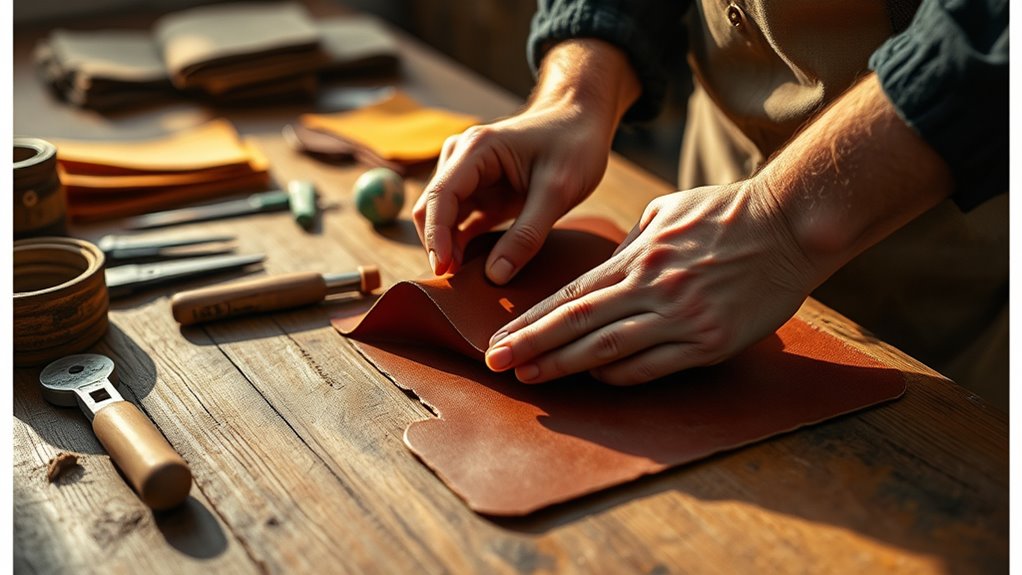
Have you ever wondered where your leather comes from and how it’s made? Understanding the journey from raw materials to your finished product can open your eyes to the importance of ethical sourcing. One of the key factors in guaranteeing ethical leather is supply chain transparency. This means knowing exactly where the leather originates, how it’s processed, and the conditions under which it’s produced. When brands prioritize transparency, they can verify that every step in the supply chain adheres to ethical standards, reducing the risk of unethical practices such as illegal hunting or environmental harm. Transparent supply chains allow you to see that the animal’s welfare was considered at every stage, from farm to factory. This openness helps build trust and ensures that the leather you purchase aligns with your values.
Supply chain transparency ensures ethical leather from farm to factory, safeguarding animal welfare and environmental integrity.
Animal welfare standards are equally crucial. Ethical leather sourcing requires that animals are treated humanely throughout their lives. Reputable suppliers follow strict guidelines that prevent cruel practices, such as unnecessary suffering or neglect. They often work with farms that prioritize the well-being of animals, providing adequate space, proper nutrition, and humane slaughter methods. When you choose leather from sources committed to animal welfare standards, you support a system that respects animal rights and reduces harm. This approach not only benefits the animals but also leads to higher-quality leather, as stress-free animals tend to produce better hides.
To guarantee your leather is ethically sourced, it’s essential to seek brands and suppliers that are transparent about their supply chains. Many companies now provide detailed reports or certifications that confirm adherence to animal welfare standards and supply chain transparency. Certifications like the Leather Working Group or Fair Trade can serve as reliable indicators that the leather has been produced responsibly. Doing a little research before purchasing can make a significant difference, helping you avoid products linked to unethical practices.
Ultimately, ethical leather sourcing isn’t just about the final product; it’s about supporting a system that values transparency and animal welfare. By paying attention to these aspects, you empower yourself to make informed choices that align with your principles. When you demand accountability and ethical standards, you encourage brands to improve their practices, fostering a more humane and sustainable industry. Leather can be beautiful and responsible at the same time—your choices can help drive that change.

Real Leather Mens Bifold Wallet RFID Blocking Slim Minimalist Front Pocket – Thin & Stylish with ID Window in Gift Box (Crazy Horse, Cognac).
★REAL LEATHER: This wallet is MADE IN INDIA and comes in 2 leather qualities, namely Nappa and Crazy…
As an affiliate, we earn on qualifying purchases.
As an affiliate, we earn on qualifying purchases.
Frequently Asked Questions
How Can Consumers Verify a Brand’s Ethical Leather Claims?
You can verify a brand’s ethical leather claims by checking for leather traceability and supply chain transparency. Look for brands that provide detailed information about their sourcing practices and supply chain origins. Ask questions or review certifications that confirm ethical standards. By doing so, you guarantee the leather is responsibly sourced, and the brand is committed to transparency, giving you confidence that your purchase aligns with ethical practices.
What Certifications Indicate Ethical Leather Sourcing?
They say “trust but verify,” and certifications are your proof. Look for labels like the Leather Working Group (LWG) certification, which guarantees responsible tanning processes. Additionally, brands with supply chain transparency disclose their sourcing practices, reducing environmental impact and unethical labor. Certifications like Fair Trade or Cradle to Cradle indicate ethical standards, so always check for these marks to make sure your leather comes from responsible sources.
Are There Alternative Materials That Mimic Leather Ethically?
Yes, you can choose synthetic alternatives and plant-based materials that mimic leather ethically. These materials often use fewer resources and avoid animal cruelty, making them more sustainable options. You might find options like mushroom leather, cork, or Piñatex made from pineapple fibers. Switching to these alternatives supports ethical practices and reduces environmental impact, giving you stylish, cruelty-free choices without compromising on quality or appearance.
How Does Ethical Leather Impact Local Communities?
Ethical leather positively impacts local communities by promoting community development and ensuring fair labor practices. When you choose ethically sourced leather, you support artisans and workers who receive fair wages and work in safe conditions. This encourages sustainable growth, preserves local traditions, and boosts the economy. Your choices help create a more equitable industry, empowering communities and fostering social responsibility in the leather supply chain.
What Are the Environmental Benefits of Ethical Leather Sourcing?
Think of ethical leather sourcing as planting seeds for a greener future. You help reduce pollution by supporting sustainable farming practices that minimize environmental harm. Eco-friendly tanning techniques cut down on toxic chemicals, protecting waterways and ecosystems. This approach conserves resources like water and energy, making leather production more sustainable. By choosing ethical leather, you’re actively contributing to a healthier planet, where natural beauty can flourish without compromise.

Portland Leather Goods Small Circle Crossbody Bag for Women – Handmade from the Finest Full-Grain Hides – Features Interior & Exterior Pockets & an Adjustable Strap – Honey
Elegantly Compact for On-the-Go: This small leather crossbody bag ensures lightweight versatility with its minimalist design; experience effortless…
As an affiliate, we earn on qualifying purchases.
As an affiliate, we earn on qualifying purchases.
Conclusion
By choosing ethically sourced leather, you support fair labor practices and reduce environmental impact. Did you know that over 70% of leather is now produced with sustainable methods? Every purchase has the power to make a difference, ensuring animals are treated humanely and ecosystems protected. So, next time you buy leather, remember your choices matter. Make an informed decision, and contribute to a more ethical and sustainable future for all.
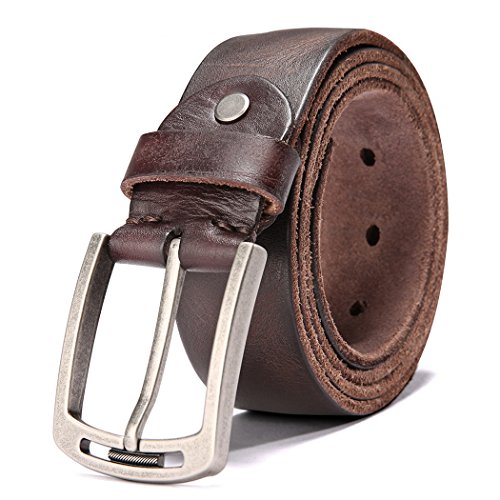
KEECOW Men's 100% Italian Cow Leather Belt Men With Anti-Scratch Buckle,Packed in a Box (1001-brown, 38-42)
KEECOW Belt Size: 1.5 inch / 3.8cm wide, 3.5mm thick, 7 holes.
As an affiliate, we earn on qualifying purchases.
As an affiliate, we earn on qualifying purchases.

Mini Shoes Acrylic Template, Durable Transparent Clear DIY Keychain Template, Pendant Stencil for Decorative Craft Quilting Key Chain Leather Pattern Patterns
Gifts: Can use the template to make a cute cartoon shoe key chain,and give them as gifts to…
As an affiliate, we earn on qualifying purchases.
As an affiliate, we earn on qualifying purchases.