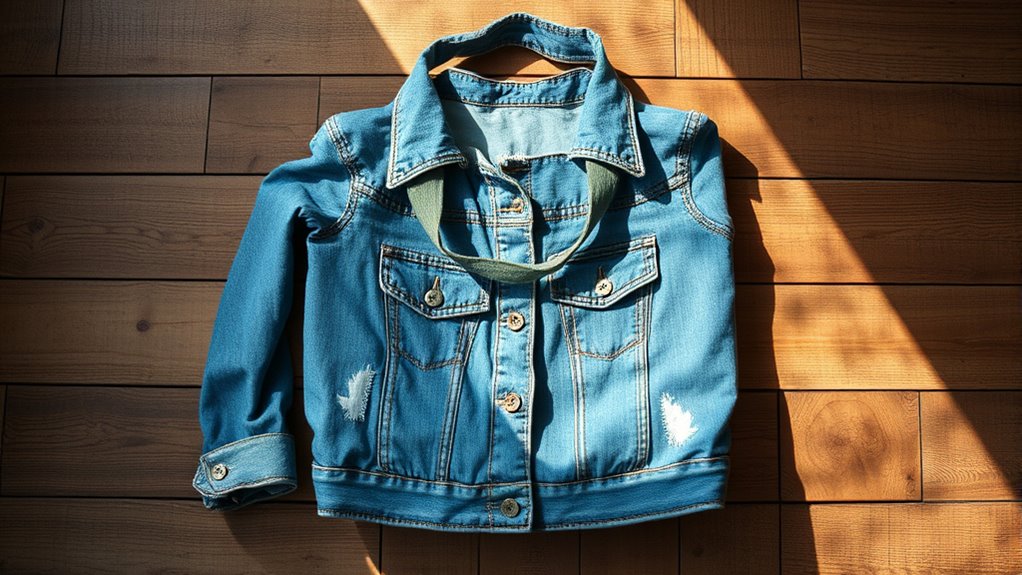

To transform an old jacket into a tote, start by removing buttons and zippers, then cut it open along the seams. Use sturdy fabric panels to create the base and sides, sewing them together securely with reinforced stitches. Repurpose straps or cut new handles from fabric and attach them evenly at the top. Add decorative touches or a lining for extra style and durability. Keep going to discover detailed steps to craft a stylish, eco-friendly tote from your jacket.
Key Takeaways
- Remove buttons, zippers, and embellishments, then cut along seams to open the jacket into fabric panels.
- Cut and assemble fabric panels to form the tote’s base and sides, reinforcing seams for durability.
- Repurpose or sew new handles from fabric strips and securely attach them to the tote’s top edges.
- Add decorative elements like patches or embroidery, and line the tote for a polished, eco-friendly finish.
- Finish raw edges with serging or binding, then press and reinforce handles and seams for long-term use.

Ever thought about giving your old jacket a new life? Turning it into a tote bag is a creative way to breathe new energy into something you no longer wear. The process involves a few simple upcycling techniques that can transform your worn-out jacket into a stylish, functional accessory. With a little sewing tips and some DIY spirit, you’ll be surprised how easy it is to repurpose your wardrobe.
Start by laying your jacket flat and evaluating its structure. Remove any buttons, zippers, or embellishments that might interfere with your design. When you’re ready, cut along the seams to open up the jacket, creating large fabric panels. This step is essential for upcycling techniques—think of it as giving your jacket a second chance by carefully deconstructing it into usable pieces. Keep in mind that sturdy fabric, like denim or canvas, works best for tote bags because it holds shape and withstands wear.
Lay your jacket flat, remove embellishments, and cut along seams to create fabric panels for upcycling.
Next, determine the size of your tote. Fold the fabric panels to create the base and sides, then cut a rectangular piece for the bottom, ensuring it’s wide enough to carry your daily essentials. Sew the side and bottom seams together, reinforcing the stitches for durability. When sewing tips come into play, remember to double-stitch the seams for extra strength. Use a strong, all-purpose thread and a zigzag stitch if your machine allows, to prevent fraying over time. If needed, serge or finish raw edges to give your tote a clean, professional look.
For the handles, you have options. You can repurpose the jacket’s existing straps or cut new strips from the fabric for longer, sturdy handles. Sew these securely to the top edges of your tote, making sure they’re evenly spaced for balance. If you want a more polished finish, fold the edges of the handles inward and topstitch along the length, adding strength and style. To enhance your tote’s durability, consider adding a lining made from scrap fabric inside, which also gives it a more finished appearance. Incorporating sustainable materials can further elevate your upcycling project and reduce waste.
Finally, give your tote a quick press with an iron to smooth out any wrinkles and set your stitches. You can add decorative touches like patches, embroidery, or fabric paint to personalize it further. With these upcycling techniques and sewing tips, transforming an old jacket into a tote is not only eco-friendly but also incredibly rewarding. It’s a straightforward project that yields a unique, functional accessory, perfect for shopping, carrying books, or just showing off your DIY skills.
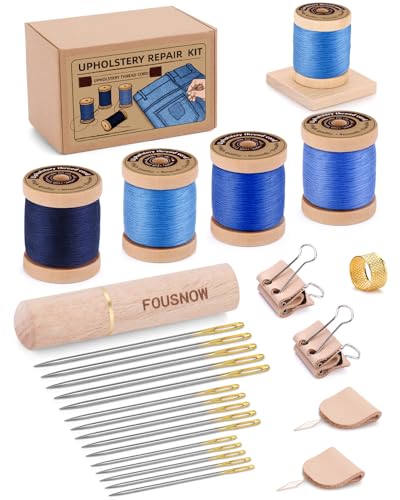
FOUSNOW Upholstery Repair Kit, Sewing Kit with Blue Sewing Threads, Professional Heavy Duty Sewing Kit for Home Repair Sewing Denim Clothes, Denim Bags, Jacket, Shoes, Wallets Crafts
Upholstery Repair Kit: This sewing kit includes 4 rolls of blue series sewing threads (50 meters/roll), 15 upholstery…
As an affiliate, we earn on qualifying purchases.
As an affiliate, we earn on qualifying purchases.
Frequently Asked Questions
What Types of Jackets Are Best Suited for This Project?
You should choose sturdy jackets like denim, canvas, or leather for this project because they hold up well as totes. Fabric selection is key, so go for thicker materials that won’t tear easily. Style considerations matter too—opt for jackets with minimal embellishments or lining to make cutting and sewing easier. These choices guarantee your tote is durable, stylish, and functional, making your project both fun and successful.
How Long Does the Transformation Process Typically Take?
The transformation process usually takes about 2 to 4 hours, depending on your skill level. If you’re a beginner, it might take closer to 4 hours as you learn and adjust. More experienced crafters can complete it faster, around 2 hours. It’s a manageable project that requires patience and some basic sewing skills, but with practice, you’ll get quicker and more confident each time.
Can This Method Be Applied to Waterproof or Delicate Fabrics?
Yes, you can apply this method to waterproof fabrics and delicate textiles, but beware—it’s like walking a tightrope between creativity and catastrophe. Waterproof fabrics might resist some sewing, while delicate textiles risk tearing or damage if not handled carefully. You’ll need extra caution, gentle stitches, and possibly special tools or adhesives. With patience and precision, you can turn even the most sensitive materials into fabulous totes, but it’s a delicate dance.
What Tools and Materials Are Necessary for the Conversion?
To convert your jacket into a tote, you’ll need basic sewing essentials like fabric scissors, a sewing machine or needle and thread, and a ruler. For upcycling techniques, consider adding sturdy handles and reinforcing seams. If your fabric is waterproof or delicate, choose appropriate tools like sharp scissors for delicate fabrics and strong, waterproof thread. These tools help guarantee a durable, stylish tote that’s customized to your style and needs.
Are There Any Common Mistakes to Avoid During the Project?
Like sailing into rough waters, avoid common mistakes by paying attention to sewing tips and fabric selection. Don’t rush, as uneven stitches can weaken your tote, and choose sturdy fabric similar to the jacket’s material for durability. Keep edges aligned, and double-check measurements before sewing. Avoid overstuffing the tote, which can cause tearing. Stay patient, and you’ll create a stylish, long-lasting bag from your old jacket.
Happy DIY Day – Upcycling and DIY Tote Bag
trash recycle upcycle and create unique utilize upcycle art and items. be an fixologist repair everything and create…
As an affiliate, we earn on qualifying purchases.
As an affiliate, we earn on qualifying purchases.
Conclusion
Now, with your transformed jacket tote, you’ve crafted something truly special—like a modern-day Pandora’s box filled with endless possibilities. Every stitch and cut echoes your creativity, turning the old into something new and useful. Just as Da Vinci saw beauty in the imperfect, you’ve found artistry in repurposing. So, go ahead, carry your unique creation with pride—it’s more than a tote; it’s a story of imagination brought to life.
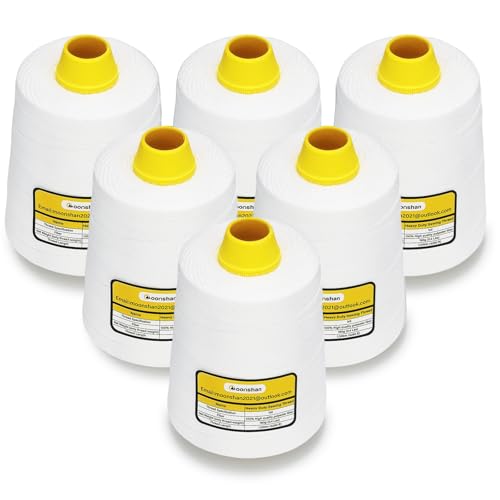
Moonshan 6-Stranded Sewing Thread Heavy Duty Spool Industrial Sewing Thread for Bag Sewing Machine Bag Closer Machine
100% Premium Polyester Construction – Made from high-tenacity polyester fibers, this thread delivers exceptional tensile strength and resistance…
As an affiliate, we earn on qualifying purchases.
As an affiliate, we earn on qualifying purchases.

MOLOVA 1-200 Pack Available Premium Canvas Reusable Tote Gift Bags,Made of Natural Canvas with Handle,Work,DIY,Shopping(1 Pack)
Material & Durability:Crafted from high-quality materials, our tote bag is constructed with a robust and thick fabric, reinforced…
As an affiliate, we earn on qualifying purchases.
As an affiliate, we earn on qualifying purchases.





![A Better Way To Tie Your Gym Shorts. (Or Any Drawstring) [Video]](https://walletsnhandbags.com/wp-content/uploads/2026/07/a-better-way-to-tie-your-gym-shorts-or-any-drawstring-video-featured-260x140.jpg)