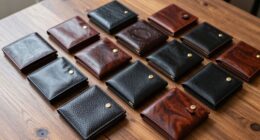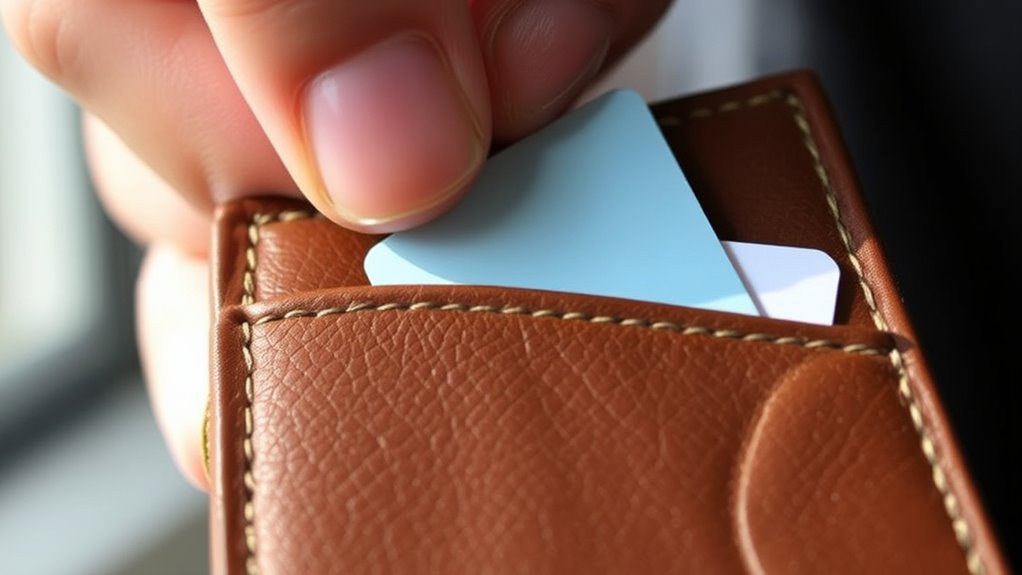

To stretch a tight wallet card slot safely, first assess the material’s flexibility and remove all contents. Use household items like plastic cards or thin cardboard to gradually expand the slot, applying gentle pressure. For leather wallets, lightly warm the area with a hairdryer to increase pliability before inserting the cards. Always do this carefully to prevent damage. If you want to learn more effective techniques and tips to keep the wallet in good shape, keep exploring these methods.
Key Takeaways
- Remove all cards and contents before attempting to stretch the wallet to prevent damage.
- Gently insert a plastic card or thin piece of cardboard into the slot and gradually increase its size.
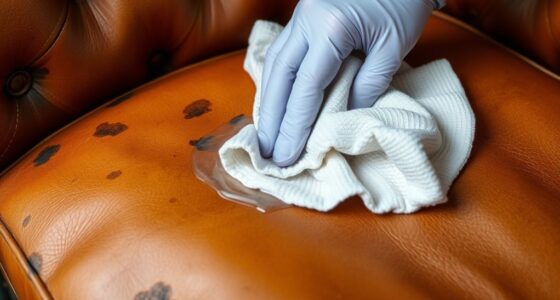
- Use a soft cloth dampened with water or leather conditioner to slightly soften the material for easier stretching.
- Apply gentle heat with a hairdryer on low setting to increase pliability, keeping it at a safe distance.
- Regularly assess the fit and avoid over-stretching to prevent damaging the wallet or weakening the material.

Lckaey Purse Organizer Insert for Longchamp, Premium Felt Long Champ Le Pliage Handbag Organizer Large beige
Bag organizer Size:Small:7.68" (Width) x 5.31" (Depth) x 7.48 "(Height) ,fits the small size of short handle of...
As an affiliate, we earn on qualifying purchases.
Assessing the Tightness of Your Wallet Slot

Before trying to stretch your wallet card slot, it’s important to determine how tight it actually is. Check the wallet material, as different materials—leather, fabric, or synthetic—affect how much the slot can stretch. Leather wallets tend to have some natural elasticity, but over time, they may become stiff or lose flexibility. Gently insert a card to see if it slides in with resistance or if it feels overly tight. If the card barely fits or requires force, your slot’s elasticity is limited, and you should be cautious. Overstretching a wallet with low elasticity can cause damage. Evaluating the current tightness helps you decide whether gentle stretching is needed or if you should consider other solutions. Additionally, understanding the material’s elasticity can guide you in applying the right stretching techniques without causing harm. Using appropriate tools can also help prevent accidental damage while stretching the slot. Keep in mind that some wallets are designed with specific materials that respond differently to stretching methods, so knowing the composition is crucial. Being aware of the wallet construction can further inform your stretching approach and ensure you avoid unintended damage. Moreover, considering the design of the wallet can influence how much the slot can safely be stretched without compromising its overall structure.

ZTUJO Purse Organizer Insert, Felt Bag Organizer with Metal Zipper, Handbag & Tote Shaper, For Speedy Neverfull Tote, 7 Sizes(Medium, Beige)
💗NEW MATERIAL & ZIPPER DESIGN: Felt Purse Organizer with High quality and New Materials are made of Sturdy...
As an affiliate, we earn on qualifying purchases.
Preparing Your Wallet for Stretching

Start by measuring your card slot to understand how much it needs to stretch. Gather the necessary supplies, like a plastic card or a small tool, to help with the process. Before you begin, carefully remove all contents from your wallet to prevent any damage. Consider how self-watering plant pots use a reservoir system to maintain consistent moisture, ensuring the integrity of your wallet remains intact during stretching. Additionally, understanding how contrast ratio affects image quality can help you appreciate the importance of careful adjustments to avoid damage. When working on your wallet, keep in mind the benefits of engaging with hackathons to learn innovative techniques and best practices for creative problem-solving. Being aware of grocery savings strategies can also inspire you to find cost-effective methods to maintain your wallet’s capacity and organization. Incorporating ergonomic furniture principles can help prevent strain during frequent adjustments or repairs.
Assess Slot Dimensions
To effectively stretch a wallet card slot, you first need to measure its current dimensions to determine how much adjustment is necessary. Carefully examine the wallet material around the slot, noting whether it’s leather, fabric, or synthetic, as different materials respond differently to stretching. Use a ruler or caliper to measure the slot’s width and depth, recording these figures for reference. Knowing the existing slot dimensions helps you decide if gentle stretching will suffice or if more gradual methods are needed. This step prevents over-stretching, which can damage the wallet. Accurate measurements ensure you apply the right amount of tension without risking tearing or distorting the wallet’s structure. Understanding material elasticity is crucial to choosing the safest stretching technique. Taking precise measurements is the foundation for a safe and effective stretching process, especially when considering the wallet’s architectural integrity and long-term durability. Additionally, being aware of fabric and leather properties can guide you in selecting the most suitable method for your specific wallet type. Recognizing proper techniques can also help you avoid common mistakes that lead to damage during the stretching process. Considering protective measures can also help prevent unwanted damage during the stretching process.
Gather Stretching Supplies
Gathering the right supplies is essential to guarantee a safe and effective stretching process. First, identify your wallet material, whether it’s leather, nylon, or fabric, as this influences which stretching tools to use. For leather wallets, softening agents and gentle stretching tools like a plastic card or a specialized wallet stretcher work best. Using the correct stretching tools ensures you don’t damage the wallet while loosening tight card slots. For fabric or nylon wallets, you might need less aggressive methods, such as dampening the material slightly. Always have a clean cloth ready to avoid dirt or debris during stretching. Additionally, understanding the material properties of your wallet can help prevent over-stretching or damage during the process. The flexibility of the wallet material is also important to achieve a comfortable fit without overstretching. Being mindful of the UV exposure your wallet might encounter can also influence how you proceed with the stretching process, especially for certain materials that degrade under prolonged UV light. Knowing the correct techniques for stretching your specific wallet type can further ensure a safe adjustment process. Preparing these supplies beforehand makes the process smoother, reducing the risk of over-stretching or harming your wallet’s material.
Remove Contents Carefully
Before you begin stretching your wallet’s card slot, carefully remove all contents to prevent damage or misalignment. This step helps maintain wallet organization and ensures nothing gets bent or lost during the process. Take out cards, cash, and any small items, paying special attention to card security—avoid rushing to prevent accidental drops. Clearing your wallet minimizes the risk of stretching the wrong areas or damaging fragile contents. It also allows you to assess the current fit and plan your next steps more effectively. Keep your valuables in a safe place nearby so you can quickly reinsert them once you’ve finished stretching. Removing contents thoroughly sets a solid foundation for a safe, effective wallet stretch without risking damage or compromising your wallet’s structure. Additionally, understanding the payment methods supported by your wallet can help you optimize its capacity and functionality. Being aware of the material composition of your wallet can also guide you in choosing the safest stretching techniques to prevent tears or permanent damage. Recognizing material flexibility can assist in determining the appropriate amount of stretch needed without overstressing the material. Knowing the maintenance dos and don’ts for your wallet can further prolong its lifespan and keep it looking new.

Wallet for Men Slim RFID Blocking Leather Bifold Minimalist 2 ID Windows Gift Box Carteras Para Hombres (CRAZY HORSE, COGNAC)
SLIM LARGE CAPACITY & ELITE FEATURES: Fits 10+ Cards, 2 IDs, and cash without bulking up. Dual ID...
As an affiliate, we earn on qualifying purchases.
Using Heat to Loosen the Material
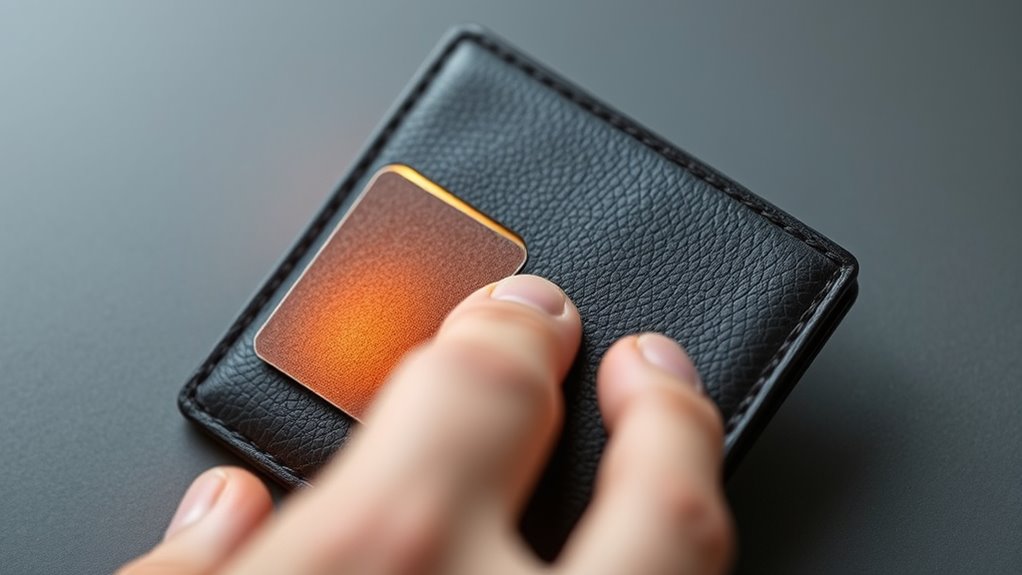
Applying gentle heat can make the material more pliable, making it easier to stretch the wallet card slot. Heat causes thermal expansion, which temporarily loosens the fibers and enhances material flexibility. Use a hairdryer on low heat, keeping it at a safe distance to avoid damage. Warm the area evenly for about 20 seconds, then check if the material feels more pliable. The increased temperature allows the fibers to expand slightly, giving you more room to work with when stretching. Be cautious not to overheat, as excessive heat can weaken or warp the material. This method softens the material just enough to facilitate gentle stretching, making the process safer and more effective. Always test the temperature before applying it directly to your wallet.

Lavalen Slim Leather Wallet for Men - Mens Wallet Bifold - Holds Bills, Credit Cards - Carteras para Hombres Piel - Billeteras de Hombres Cuero Original - Front Pocket - Full Grain RFID Blocking
Premium Quality Leather: Our mens wallets leather are handcrafted from the finest leather, ensuring durability and style. These...
As an affiliate, we earn on qualifying purchases.
Applying Gentle Stretching With Card Inserts

You can gently stretch the wallet card slot by inserting a plastic or cardstock divider into the opening and gradually working it in and out. This method helps loosen the material without causing damage, making it easier to insert cards while maintaining your wallet’s aesthetics. As you do this, focus on keeping the slot even and smooth to preserve the wallet’s appearance. Regular, gentle stretching prevents overstretching or misshaping the wallet, ensuring your card organization stays intact. Over time, the slot will loosen enough to fit your cards comfortably, reducing the need for force and potential damage. This approach balances practicality with care, helping you expand your wallet’s capacity while keeping it looking neat and functional.
Utilizing Household Items for Safe Expansion

Household items can be effective tools for safely expanding your wallet’s card slot without risking damage. When considering DIY repairs, material selection is key—choose soft, flexible objects like plastic spoons or thin cardboard. These items gently stretch the leather without causing tears or permanent deformation. To use them, insert the item into the slot and apply gentle pressure, gradually increasing the stretch over time. Make sure the object’s size matches the desired expansion and avoid forcing it, which could damage the material. Always test your chosen item’s compatibility on a small, less visible area first. This approach provides a controlled, safe way to loosen tight spots without risking the integrity of your wallet, saving you from costly repairs or replacements down the line.
Employing Leather Conditioners and Softening Agents
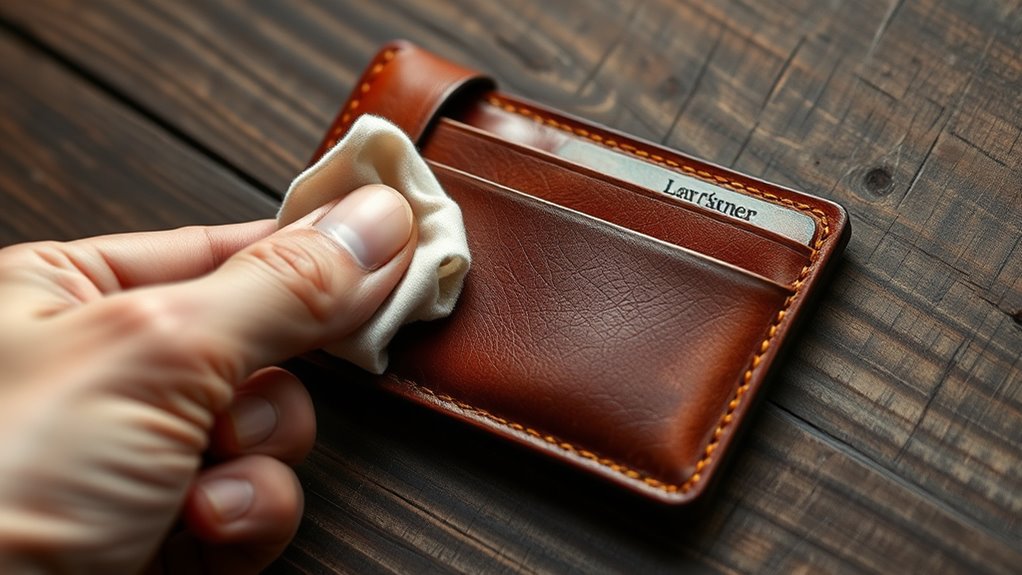
Using leather conditioners and softening agents can be an effective way to gently loosen a tight wallet card slot. Leather conditioning helps keep the material supple, reducing stiffness that causes tightness. Apply a small amount of a quality leather conditioner evenly inside the slot, ensuring it penetrates the edges. Softening agents, like lanolin or specialized leather softeners, work similarly by increasing flexibility. After applying, let the leather sit for a few hours or overnight so the agents can do their job. This process relaxes the leather fibers, making it easier to slide cards in and out without damaging the material. Remember, using conditioners and softening agents is a gentle approach, helping to preserve your wallet’s quality while easing the tightness.
Repeatedly Sliding Cards to Gradually Loosen the Slot

Repeatedly sliding your cards in and out of the wallet gradually stretches the slot without risking damage. This method works well across various card material types, such as plastic, metal, or composite, as it applies gentle, consistent pressure. To guarantee effective and safe stretching, use proper stretching techniques, like inserting a card slightly wider than the current slot and sliding it smoothly. Avoid forcing cards or using excessive force, which can damage the material or warp the wallet. Regularly repeating this process over several days helps loosen the slot without compromising its integrity. Be patient and gentle, and monitor the fit to prevent overstretching. This simple approach gradually increases the slot’s size, making it easier to insert and remove cards comfortably.
Avoiding Common Mistakes When Stretching Wallets

To guarantee you don’t damage your wallet while stretching the card slot, it’s essential to avoid common mistakes that can cause permanent harm. First, don’t ignore the wallet’s design; forcing it beyond its intended shape can cause tearing. Second, be cautious with the material’s durability—delicate or thin materials are more prone to damage. Third, avoid using excessive force or quick methods like heat, which can weaken the fabric. Fourth, don’t overstretch in one session; gradual adjustments prevent ripping. Ultimately, skip rough tools or sharp objects, as they can puncture or scar the wallet. Focus on gentle, controlled stretching aligned with your wallet’s design and material strength, ensuring it remains functional without compromising its integrity.
Maintaining and Preventing Future Tightness

Proper maintenance is key to preventing your wallet’s card slot from becoming tight again. Regularly check the wallet’s material types—leather, fabric, or synthetic—and clean them accordingly to avoid dirt buildup that can restrict card movement. To maintain credit card security, avoid overstuffing your wallet, which stresses the material and tightens the slot. Use gentle methods, like occasional stretching or inserting soft, flexible cards, to keep the slot open. Store your wallet in a cool, dry place to prevent material warping. Here’s a quick guide:
| Wallet Material | Maintenance Tip | Result |
|---|---|---|
| Leather | Condition with leather balm | Keeps material supple and secure |
| Fabric | Wash gently and air dry | Prevents stiffening |
| Synthetic | Wipe with damp cloth | Maintains flexibility |
Frequently Asked Questions
How Long Does It Take for a Wallet Slot to Stretch Completely?
The time it takes for a wallet slot to stretch completely depends on the material and how often you perform wallet maintenance. Usually, it can take a few days to a week of gentle stretching and regular use. Leather, for example, becomes more flexible over time with consistent, careful stretching. Be patient and avoid forcing the slot, as this can damage the material. Proper care guarantees safe, gradual flexibility.
Can Stretching Damage the Wallet’S Material or Structure?
If you’re worried about stretching damaging your wallet’s material integrity or structural stability, consider a hypothetical case: over-stretching a leather card slot causes cracking and loosening. Stretching can weaken the material or warp the structure if done excessively or improperly. To prevent this, stretch gently and gradually. Overdoing it risks compromising your wallet’s durability, so always prioritize safe, controlled methods to maintain its overall integrity.
Is It Safe to Stretch a Wallet That Is Made of Synthetic Leather?
Stretchi…
How Often Should I Repeat the Stretching Process?
Sure, you can keep stretching that wallet like it’s a hobby, but overdoing it isn’t exactly wallet maintenance 101. Repeating the process every few days is enough—let it rest in between to prevent damage. Remember, leather conditioning helps maintain flexibility, so don’t forget to nourish your wallet after each stretch. Patience and moderation will keep your card slots fitting comfortably without turning your wallet into a floppy mess.
Will Stretching Affect the Wallet’S Appearance or Color?
Stretching your wallet may cause slight appearance changes or affect its color over time, especially if you use aggressive methods. You might notice minor creases or a duller look, but these usually don’t impact the wallet’s overall appearance or durability. To keep your wallet looking its best, stretch gently and avoid excessive force. This way, your wallet’s color and appearance stay intact while fitting your cards comfortably.
Conclusion
With patience and gentle care, you can coax your wallet’s slot to a more comfortable fit. Think of it as giving your wallet a little tender touch rather than forcing its way. By following these simple steps, you’ll help your wallet relax and stay in good shape for years to come. Remember, a little kindness goes a long way—your wallet will thank you with every easy slide of your cards.