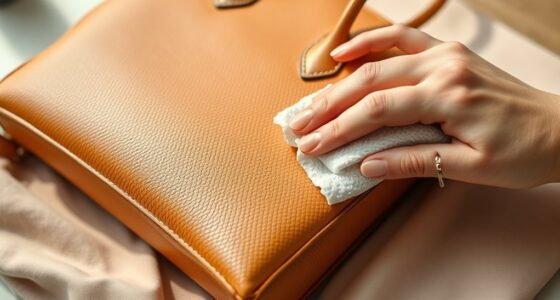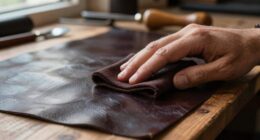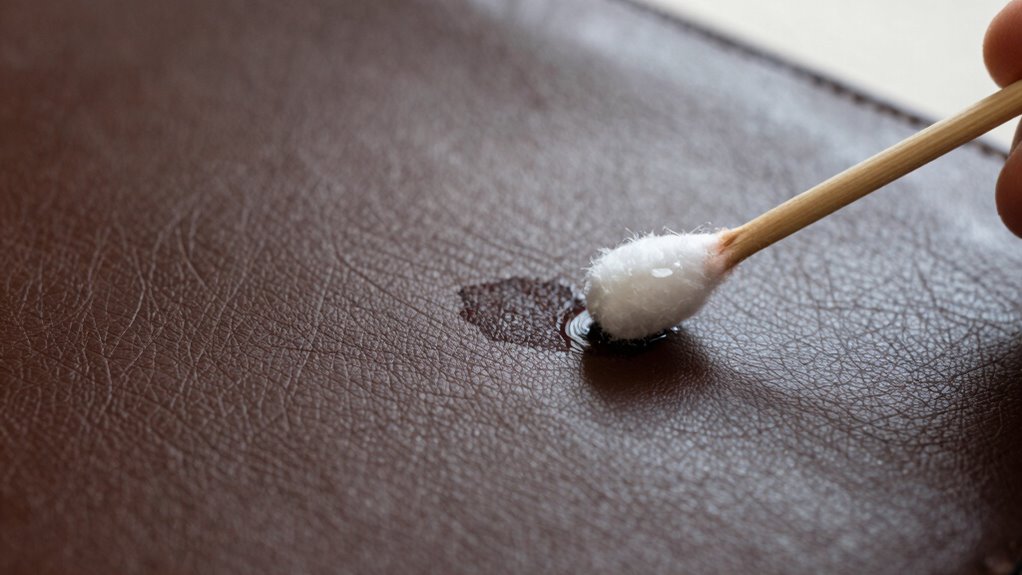

If you get pen marks on leather, stay calm and act quickly. Gently dab a soft cloth with isopropyl alcohol or a leather cleaner, avoiding rubbing to prevent spreading the ink. You can also try household items like baking soda or vinegar, but test first on a small hidden area to prevent damage. For stubborn stains or signs of damage, professionals can help. Keep going to discover more tips on safely removing ink and protecting your leather.
Key Takeaways
- Gently blot the ink with a soft cloth and test a small area with rubbing alcohol or leather cleaner first.
- Avoid rubbing vigorously to prevent spreading ink or damaging the leather surface.
- Use household items like isopropyl alcohol or baking soda carefully, applying sparingly and testing first.
- For stubborn stains or signs of damage, seek professional leather cleaning to prevent further deterioration.
- After cleaning, condition the leather to restore moisture and flexibility, helping maintain its appearance and durability.
What Causes Ink Stains on Leather and Why Are They Hard to Remove?

Ink stains on leather happen when pen ink seeps into the material’s porous surface, making them difficult to remove. This process involves ink absorption, where the ink particles penetrate the tiny openings in the leather’s surface. Leather porosity varies depending on the type and finish, which influences how deeply the ink can seep. Higher porosity means the ink can spread more extensively, embedding itself into the fibers. Because of this, surface cleaning alone often isn’t enough—the ink has already infiltrated beneath the surface. The porous nature of leather creates a challenge for stain removal, as the ink isn’t just sitting on top; it’s embedded within the material. Understanding how ink interacts with leather helps you grasp why stains are so stubborn and why careful, targeted methods are necessary for proper removal.
How to Prepare Your Leather and Gather Supplies Safely

Before you start removing pen marks from leather, making sure to prepare the surface and gather the right supplies to guarantee safety and effectiveness. Begin by cleaning the leather gently with a soft cloth to remove dust and dirt, which helps prevent additional damage. Next, organize your supplies, including leather conditioner, gentle cleaning solutions, cotton swabs, and soft cloths, to ensure quick access. Proper supply organization minimizes mistakes and keeps you focused. Before applying any cleaning method, test a small, hidden area to check for discoloration or damage. Leather conditioning is essential to restore moisture and flexibility after cleaning. Additionally, understanding the different leather types can help you choose the most suitable cleaning approach, ensuring your leather remains protected and your pen mark removal process goes smoothly.
Easy Ways to Remove Pen Marks From Leather at Home

Removing pen marks from leather at home can be straightforward if you use the right methods. For effective ink removal, start by testing a small, inconspicuous area to guarantee your leather care products won’t cause damage. Lightly dampen a soft cloth with isopropyl alcohol or use a specialized leather cleaner, then gently dab the stain. Avoid rubbing, which can spread the ink or damage the surface. You can also try a mixture of mild soap and water, applying it carefully with a cloth. Always follow up with a leather conditioner to restore moisture and keep your leather looking its best. These simple techniques make ink removal manageable at home while ensuring proper leather care for long-lasting results. Additionally, for stubborn stains, proper cleaning techniques can be highly effective in maintaining the quality of your leather.
Which Household Items Can Safely Lift Ink Stains?
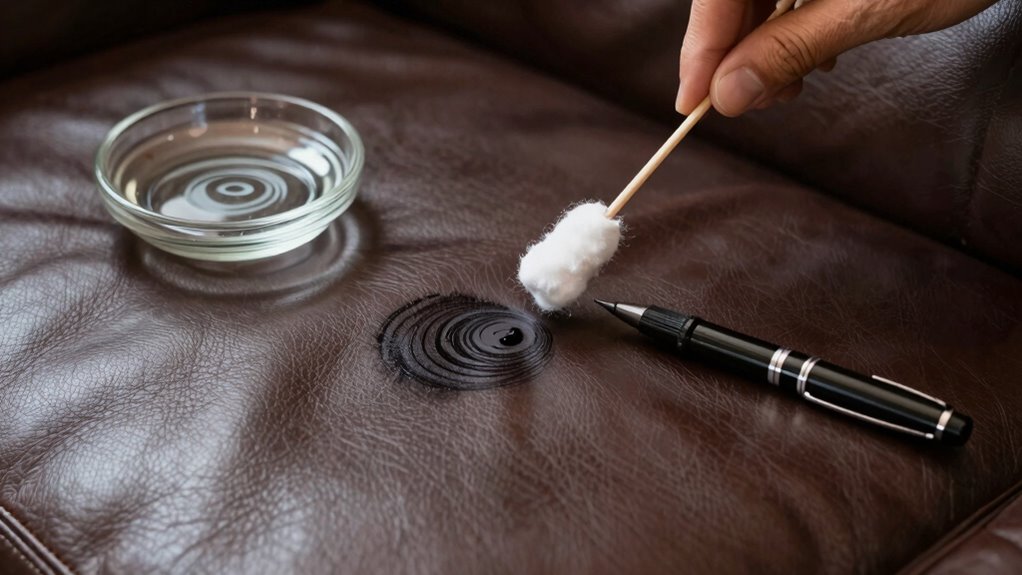
You can often lift ink stains using common household items without damaging your leather. Rubbing alcohol is a popular choice for its effectiveness, while baking soda offers gentle abrasive action, and vinegar can help break down ink. Understanding how each item functions ensures you choose the safest option for your leather. Additionally, being aware of the Free Floating technique can help prevent the ink from spreading further during cleaning.
Rubbing Alcohol Effectiveness
Rubbing alcohol, also known as isopropyl alcohol, is a popular household item often used to lift ink stains from leather. Its effectiveness relies on breaking down ink molecules and aiding ink absorption into the cloth or paper towel. While it can be helpful, it might reduce a leather’s stain resistance if not used carefully. Considering the vintage audio/vinyl revival theme, preserving the integrity of your leather accessories is essential to maintain their nostalgic appeal.
Baking Soda Applications
Although it may seem gentle, baking soda can be an effective and safe option for lifting ink stains from leather, especially when used carefully. Its mild abrasive properties help lift ink without damaging the leather’s surface or affecting its dyeing. When applying, create a paste with water and gently dab it onto the stain. Keep in mind that some pen manufacturing inks may be more stubborn, so patience is key. Baking soda can also help absorb residual ink particles. It’s a household item that’s easy to use and unlikely to harm your leather if applied correctly. Just remember to test on a small, hidden area first. Additionally, understanding co-parenting strategies can help manage household stress during such cleaning efforts, reducing the likelihood of accidental damage. This simple method is a great way to prevent costly leather dyeing or repairs later on.
Vinegar Cleaning Power
Have you considered vinegar’s cleaning power for removing ink stains from leather? Vinegar is a natural, gentle cleaner that can help lift ink without damaging your leather. When used carefully, it can also aid in leather conditioning, keeping your item soft and supple. To prevent future stains, cleaning early is key, and vinegar can be part of your stain prevention routine. Mix equal parts white vinegar and water, then lightly dab the solution onto the stain with a soft cloth. Avoid oversaturating the leather, and always follow up with a leather conditioner to restore moisture. This approach minimizes the risk of cracking or discoloration. Additionally, understanding the contrast ratio of your cleaning method can help ensure the best results without harming the leather. With patience and proper care, vinegar can effectively lift ink marks while maintaining your leather’s integrity.
When Should You Consider Professional Leather Cleaning?

If a stain keeps coming back despite your efforts, it’s time to contemplate professional cleaning. Significant damage or discoloration that looks beyond simple fixes also calls for expert help. Professional leather cleaning can restore your item and prevent further harm, saving you time and frustration. Additionally, proper disposal of damaged or heavily stained leather items can be an eco-friendly option to consider recycling options.
Persistent Stains Recognition
How can you tell when a stubborn stain on leather requires professional help? If ink penetration has caused deep-set marks or if the stain color remains vivid despite your efforts, it’s time to consider expert cleaning. Persistent stains often resist regular treatments and may worsen over time. Look for these signs:
- The ink has seeped into the leather’s pores
- The stain remains after multiple cleaning attempts
- The stain’s color is dark or intense
- The surface looks damaged or discolored around the stain
- Measuring tools can assess the extent of damage and help determine if professional intervention is needed
If any of these apply, DIY solutions might not suffice. Professional leather cleaners have specialized tools and solutions to address stubborn ink stains effectively, preventing further damage and restoring your leather’s appearance.
Extensive Damage Indicators
When you notice that a leather stain has caused visible damage or has spread beyond the original mark, it’s time to contemplate professional cleaning. Extensive damage, such as deep discoloration or cracks, signals that your leather is suffering from accelerated aging or compromised stain prevention. If the stain has penetrated deeply, causing the leather to look dull or uneven, DIY methods may no longer suffice. Professional cleaning can help restore the leather’s appearance and slow further deterioration. Ignoring these signs might lead to irreversible damage, making repairs more difficult or costly later. Recognizing these damage indicators early ensures you can preserve your leather’s longevity while maintaining its natural beauty. When damage becomes extensive, seeking expert help is the best course of action. Additionally, understanding leather deterioration can help you better assess when professional intervention is necessary.
Specialized Cleaning Benefits
Professional leather cleaning becomes essential when DIY methods no longer restore your leather’s original appearance or when stains have caused significant damage. When you notice deep stains or persistent marks, specialized cleaning offers benefits like better leather preservation and stain prevention. It guarantees your leather remains soft, durable, and looking new longer. Consider professional cleaning if you want to:
- Remove stubborn pen marks without risking further damage
- Maintain the leather’s natural oils and prevent cracking
- Protect against future stains and accidental marks
- Extend the lifespan of valuable leather items
- Proper gear maintenance ensures your leather stays in top condition over time.
Professional cleaners use tailored techniques and products designed specifically for leather, achieving deeper cleaning than DIY solutions. When stain removal becomes challenging, investing in specialized cleaning helps safeguard your leather’s beauty and integrity.
Tips to Prevent Ink Stains on Leather Items
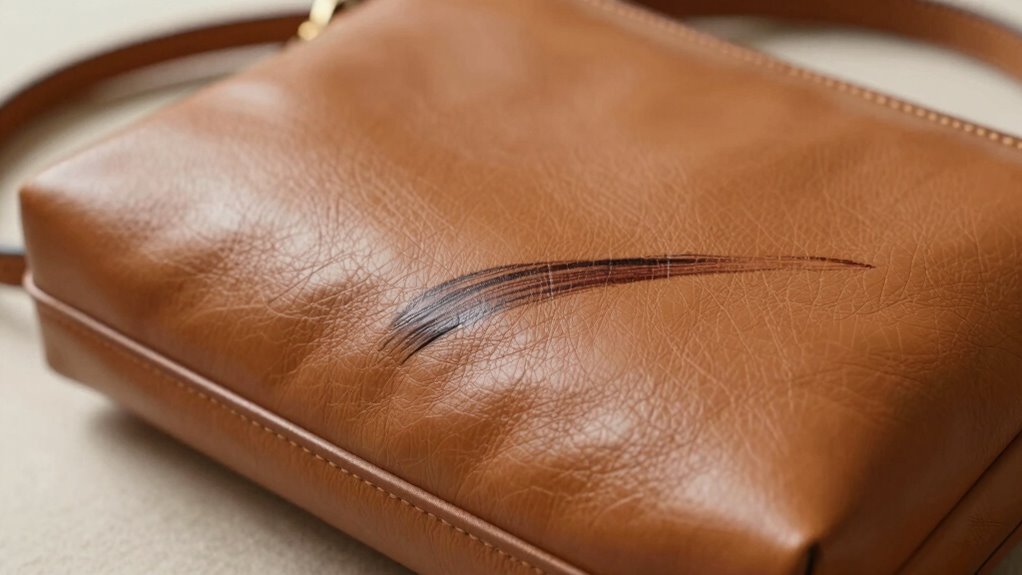
To keep your leather items free from ink stains, taking proactive steps can make a significant difference. First, handle your leather with care, avoiding situations where pen ink could accidentally come into contact. Always store pens away from leather goods, preferably in a secure drawer or case. When using pens near leather, keep them capped and use gentle pressure to prevent leaks. Regular leather care, including cleaning and conditioning, helps maintain the material’s integrity, making it less susceptible to stains. Consider applying protective sprays designed for leather, which can create a barrier against ink and other spills. Being cautious and attentive during daily use minimizes the risk of pen ink marks, preserving your leather’s appearance and longevity.
Frequently Asked Questions
Can Certain Leather Finishes Make Ink Stain Removal More Difficult?
Yes, certain leather finishes can make ink stain removal more difficult. If your leather has a dyeing or stain-resistant finish, the ink may penetrate deeper or resist cleaning agents, complicating removal. These finishes are designed to protect the surface but can hinder stain removal efforts. To tackle ink stains on such leather, you might need specialized cleaning products or professional help, as standard methods may not be effective.
Are There Specific Types of Ink That Are Easier to Remove From Leather?
Think of ink like a stubborn stain; some types of ink are easier to remove from leather than others. Water-based inks, like those from gel pens, tend to be more compatible with leather and come off more easily. Permanent inks, such as marker or ballpoint pen ink, are tougher and require special care. Knowing the types of ink and leather compatibility helps you act quickly and avoid damage.
How Long Should I Wait Before Attempting to Clean a Fresh Ink Stain?
You should wait about 10 to 15 minutes before attempting to clean a fresh ink stain, as this allows the ink to set and reduces the stain’s absorption rate. During this drying time, the ink’s drying time helps prevent it from penetrating deeper into the leather. Acting quickly is tempting, but giving the ink a few minutes to dry can make removal easier and more effective.
Will Using Excessive Cleaning Force Damage the Leather Surface?
It’s a coincidence that excessive cleaning force can damage your leather surface, just like overzealous cleaning tools can harm delicate fabric. Applying too much pressure risks stripping away leather’s natural oils and damaging its finish. To preserve your leather, always clean gently with soft cloths and appropriate products, avoiding forceful scrubbing. This approach guarantees leather preservation while effectively removing pen marks, preventing costly repairs or replacements later.
Are There Any Long-Term Effects of Using Household Items on Leather?
Using household items on leather can cause long-term effects like leather discoloration and compromise its structural integrity. You might notice fading or uneven coloring, and the leather could become brittle or crack over time. To avoid these issues, always test a small, hidden area first, and opt for products specifically designed for leather care. This way, you protect your leather’s appearance and durability for years to come.
Conclusion
Think of your leather as a delicate canvas, vulnerable to ink’s sneaky brushstrokes. With gentle care and the right tools, you can steer clear of permanent damage—like a skilled artist restoring a masterpiece. Remember, patience is your best ally; rushing can deepen the stain’s grip. By acting promptly and wisely, you keep your leather looking fresh and vibrant, turning the challenge into an opportunity to showcase your craftsmanship and keep your cherished items shining.