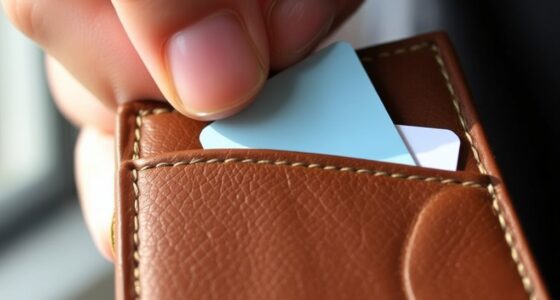
The biggest mistake people make with leather conditioning is applying treatments too early or too late. Condition too soon, and you trap dirt and oils, speeding up aging; wait too long, and the leather dries out and cracks. The key is to watch for signs like stiffness, dullness, or cracks, then condition accordingly—usually every 3 to 6 months. Stick to the right schedule, and your leather will stay supple and beautiful longer—learn how to optimize this process next.
Key Takeaways
- Many people condition leather too early, trapping dirt and oils that accelerate aging, instead of waiting for signs of dryness.
- Over-conditioning often occurs when people ignore indicators like stiffness, dullness, or surface cracks that signal it’s time to treat leather.
- The common mistake is applying conditioner on a schedule rather than based on the leather’s actual condition and environmental factors.
- Proper timing means conditioning every 3 to 6 months, adjusted for usage, climate, and leather type, not on a fixed calendar.
- Regularly assessing leather’s feel and appearance helps determine the right moment to condition, preventing damage from premature or delayed treatments.

Weiman Leather Cleaner and Conditioner for Furniture – Cleans Conditions and Restores Leather Surfaces – UV Protectants Help Prevent Cracking or Fading of Leather Car Seats, Shoes, Purses
Simple & Non-Toxic – Condition & protect in one simple step to maintain any finished leather surface
As an affiliate, we earn on qualifying purchases.
As an affiliate, we earn on qualifying purchases.
Why Proper Timing Is Key to Leather Care

Proper timing is vital when caring for leather because applying treatments too early or too late can damage the material. If you polish leather too soon after use, you may trap dirt and oils, accelerating leather aging rather than preventing it. Conversely, waiting too long can cause the leather to dry out and become brittle, making polishing techniques less effective. Timing your conditioning sessions ensures the leather retains its flexibility and appearance. Regular, well-timed polishing helps maintain the leather’s natural luster and prevents premature aging. Recognizing the right moment to treat your leather is essential—too early and you risk damage; too late and you miss the chance to preserve its quality. Proper timing keeps your leather looking its best for years to come. Additionally, understanding household care tips can help you maintain your leather and other household items more effectively.

All Natural Leather Conditioner Balm – Made with Mink Oil, Tallow, & Beeswax, Protects, Softens Restores and Waterproofs Leather Shoes, Boots, Bags, Furniture (4 Oz)
Restores and Conditions: Our unique leather balm, made from tallow, mink oil, beeswax, and sweet almond oil, deeply…
As an affiliate, we earn on qualifying purchases.
As an affiliate, we earn on qualifying purchases.
Are You Making This Common Leather Conditioning Mistake?

Many people overlook a common mistake when conditioning leather: using the wrong type of product or applying it incorrectly. Some assume any conditioner will do, but this can harm your leather and alter its natural leather scent. Conditioning myths suggest that heavy products are better, but over-conditioning can lead to a sticky feel or discoloration. Also, applying conditioner unevenly or in excessive amounts can cause buildup and damage the leather’s surface. This mistake often stems from not understanding the importance of using the right product for your specific leather item. Remember, quality conditioners are designed to enhance the leather’s appearance and scent, not mask or alter it. Additionally, neglecting to test the conditioner on a small area before full application can result in unexpected damage. Avoid these pitfalls to keep your leather looking, smelling, and feeling its best.
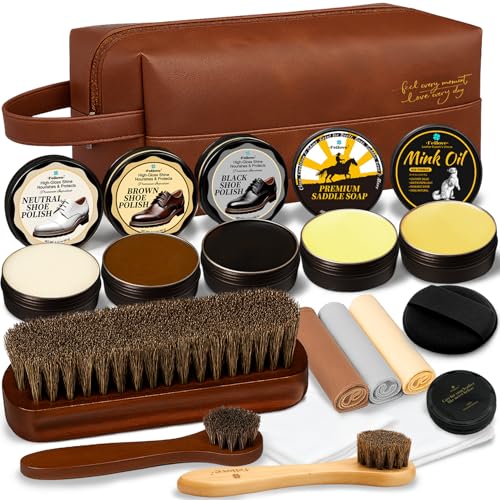
Shoe Care Kit – 16-in-1 Leather Shoe Polish, Cleaning & Conditioning Kit with Saddle Soap & Mink Oil – Black/Brown/Neutral Shoe Polish, 3 Horsehair Brushes – Luxury Leather Bag – Gift for Men & Women
COMPLETE 16-IN-1 LUXURY SHOE POLISH KIT: Everything for premium leather care in one complete shoe polish kit: Black/Brown/Neutral…
As an affiliate, we earn on qualifying purchases.
As an affiliate, we earn on qualifying purchases.
How Often Should You Condition Leather for Best Results?

To keep your leather looking and feeling its best, you need to find the right balance with conditioning. Over-conditioning can accelerate leather aging and reinforce common conditioning myths that more is always better. Usually, conditioning every 3 to 6 months is sufficient, depending on use and environment. If your leather is exposed to harsh conditions or heavy use, you might need to condition slightly more often. Conversely, if it’s stored in a cool, dry place, less frequent conditioning will do. Remember, the goal is to maintain flexibility and prevent dryness without overdoing it. Consistent but not excessive conditioning helps preserve your leather’s natural beauty and longevity, avoiding the pitfalls of overdoing it which can lead to accelerated wear or damage. Proper leather maintenance is essential for prolonging its lifespan and appearance.
Weiman Leather Cleaner and Conditioner for Furniture – Cleans Conditions and Restores Leather Surfaces – UV Protectants Help Prevent Cracking or Fading of Leather Car Seats, Shoes, Purses
Simple & Non-Toxic – Condition & protect in one simple step to maintain any finished leather surface
As an affiliate, we earn on qualifying purchases.
As an affiliate, we earn on qualifying purchases.
How Can You Tell When Your Leather Needs Conditioning?

You’ll notice your leather looking dull or dry, with surface cracks or loss of shine. It may also feel stiff or less supple when you touch it. These signs indicate it’s time to condition your leather to restore its softness and luster. Recognizing the appropriate timing for conditioning helps maintain your leather’s durability and appearance.
Visual Surface Changes
Leather that needs conditioning often shows subtle but noticeable surface changes. One of the most obvious signs is a dulling of the surface sheen, making the leather look flat and less vibrant. You might notice a loss of luster that once reflected light beautifully. Additionally, the color may appear faded or washed out, lacking the richness it once had. When you observe these changes, it’s a clear sign that your leather needs moisture and nourishment to restore its natural glow. Keep an eye on how the surface looks in different lighting conditions—if it looks dull or lifeless, it’s time to condition. These visual cues are easy to spot and can help you maintain your leather’s appearance and longevity. Environmental factors like humidity and dust can also accelerate drying and surface deterioration, so maintaining a stable environment supports your leather’s health.
Flexibility and Feel
When leather begins to lose its suppleness, it often feels stiff or rigid to the touch, signaling that it needs conditioning. To assess this, focus on its surface flexibility and leather elasticity. Here are three signs to watch for:
- You notice resistance when bending or flexing the leather, indicating reduced surface flexibility.
- The leather feels hard or less responsive, showing a decline in its natural elasticity.
- It doesn’t bounce back easily after stretching or pressing, meaning it’s becoming brittle.
- Monitoring the feedback from your touch can help you determine the optimal timing for conditioning before damage occurs.
If you experience these signs, it’s time to condition your leather. Proper conditioning restores surface flexibility and enhances leather elasticity, keeping your item soft, resilient, and comfortable to use.
What’s the Best Timing Schedule for Different Leather Items?

The timing for conditioning your leather depends on its type, how often you use it, and the environment it’s in. Leather that’s exposed to frequent use or harsh conditions needs more regular care. Understanding these factors helps you create a schedule that keeps your leather in top shape. For example, if your leather items are used in outdoor or rugged settings, more frequent conditioning may be necessary to maintain their durability and appearance, similar to how electric dirt bikes require regular maintenance to perform optimally.
Leather Type Matters
Different types of leather require different conditioning schedules to stay in top shape. Understanding your leather’s grain and finish type is key. For example:
- Full-grain leather with a smooth, natural finish benefits from less frequent conditioning—about every 3-4 months—since its dense grain resists drying.
- Top-grain leather with a coated finish needs more regular conditioning, every 1-2 months, to maintain suppleness without damaging the surface.
- Suede or nubuck with a matte finish should be conditioned sparingly, roughly twice a year, to preserve its texture and prevent cracking.
- The contrast ratio of your projector can also influence the perception of color and detail, emphasizing the importance of proper lighting and calibration in your setup.
Matching your schedule to your leather’s specific grain and finish helps retain its look, feel, and durability over time.
Usage Frequency Counts
How often you use your leather items directly influences their conditioning schedule. Items with high application frequency, like daily wear shoes or bags, need more regular conditioning to prevent drying and cracking. Conversely, infrequently used pieces, such as seasonal accessories, require less frequent applications. This variation helps maintain proper leather aging, ensuring it stays supple and durable over time. Over-conditioning can lead to buildup and weaken the leather, so observe how your items respond after each application. Pay attention to signs of dryness or stiffness, and adjust your conditioning frequency accordingly. By tailoring your application schedule to usage habits, you’ll preserve the leather’s quality and extend its lifespan, avoiding premature aging and keeping your leather items looking their best. Regular leather maintenance also promotes the longevity of your investment.
Environment Influences Timing
Environmental conditions play a vital role in determining the ideal timing for conditioning your leather items. Humidity levels and seasonal changes affect how quickly leather dries out or absorbs moisture. To adapt your schedule:
- In humid environments, condition less frequently to prevent over-saturation.
- During dry, winter months, increase conditioning to combat low humidity and maintain flexibility.
- In hot, summer conditions, space out treatments to avoid softening or damage from excessive heat.
Monitoring your leather’s appearance and feel helps you decide when to condition. Leather that feels stiff or looks dull likely needs moisture, but over-conditioning can cause harm. Adjust your timing based on seasonal changes and local humidity to keep your leather in optimal shape.
Being aware of environmental factors can help you tailor your care routine more effectively.
How to Avoid Over- or Under-Conditioning Your Leather

To prevent damaging your leather, it’s essential to find the right balance when conditioning. Over-conditioning can accelerate leather aging, making it brittle and prone to cracking, while under-conditioning leaves it dry and dull. Use conditioning chemicals sparingly, following manufacturer instructions carefully. Applying too much can lead to buildup, trapping dirt and moisture, which harms the leather over time. Conversely, too little conditioning leaves the material vulnerable to environmental damage. Regularly assess your leather’s condition—if it feels dry or stiff, it’s time to condition; if it’s greasy or sticky, you’ve applied too much. Proper timing and moderation are key to preserving your leather’s appearance and durability, ensuring it ages gracefully without unnecessary wear.
The Simple Routine for Perfect Leather Conditioning Every Time

Maintaining a simple, consistent routine is the best way to guarantee your leather stays healthy and looks its best. Start by regularly cleaning your leather with a gentle leather cleaner to remove dirt and oils that can damage it. After cleaning, follow a predictable schedule to condition your leather, which helps keep it supple and prevents cracking. To streamline your routine:
- Store your leather properly in a cool, dry place to avoid unnecessary wear.
- Clean your leather every 3-6 months, depending on use.
- Condition your leather immediately after cleaning, using a quality conditioner suited for your item.
This straightforward approach ensures your leather remains in top shape, whether stored or in daily use, by consistently caring for it with proper leather cleaning and conditioning.
Frequently Asked Questions
Can Climate Change Affect the Timing of Leather Conditioning?
Climate change can definitely affect the timing of leather conditioning. The climate impact and environmental effects, like humidity and temperature shifts, influence how leather reacts to conditioning products. You might need to adjust your schedule, conditioning more frequently during humid seasons or less during dry periods. Staying aware of these environmental factors helps guarantee your leather stays in great shape, regardless of changing weather patterns caused by climate change.
Does Leather Type Influence the Best Conditioning Schedule?
Your leather’s type totally dictates your conditioning schedule! Thicker, full-grain leather, with its dense grain and deep dye penetration, needs less frequent conditioning, like once every few months. On the other hand, delicate, top-grain or suede leathers, with their thinner grain and shallower dye penetration, demand more attention—monthly or even bi-weekly. Ignoring this can turn your prized piece into a cracked, ruined mess overnight!
Are There Signs That Indicate Over-Conditioning Leather?
You can tell you’re over-conditioning leather if it feels excessively soft, sticky, or looks overly shiny. Watch for moisture levels that seem too high, as over-conditioning increases moisture, risking damage. To avoid this, adjust your conditioning frequency based on your leather’s needs, not a fixed schedule. Remember, less is often more—over-conditioning can weaken the leather and cause long-term issues.
How Do Different Leather Finishes Impact Conditioning Timing?
Think of your leather surface as a delicate canvas—its finish durability determines how often and when you should condition. Smooth, glossy finishes resist moisture longer, so you can wait longer between treatments. Matte or suede finishes are more porous, soaking up conditioners quickly and needing more frequent care. Adjust your timing based on the leather’s surface and finish durability, ensuring you nourish it without overwhelming or under-guarding.
Is Professional Leather Conditioning Necessary for Aged Items?
Professional leather conditioning isn’t always necessary for aged items, but it can help address leather aging issues like dryness or cracking. Many conditioning myths suggest that older leather doesn’t need attention, but proper conditioning restores suppleness and prolongs lifespan. If your aged leather shows signs of wear, a professional treatment can be beneficial. Just make certain you choose the right products and avoid over-conditioning, which can damage the leather.
Conclusion
Mastering the perfect timing for leather conditioning is your secret weapon against the chaos of cracked, faded, and ruined leather. Get it right, and your leather will glow brighter than the sun, last longer than eternity, and stay flawless no matter what. Mess it up, and you’re doomed to a world of dull, brittle messes. So, follow the timing rules, stay vigilant, and turn your leather into a legendary masterpiece that defies time itself!