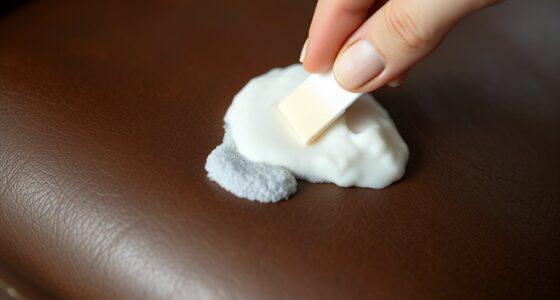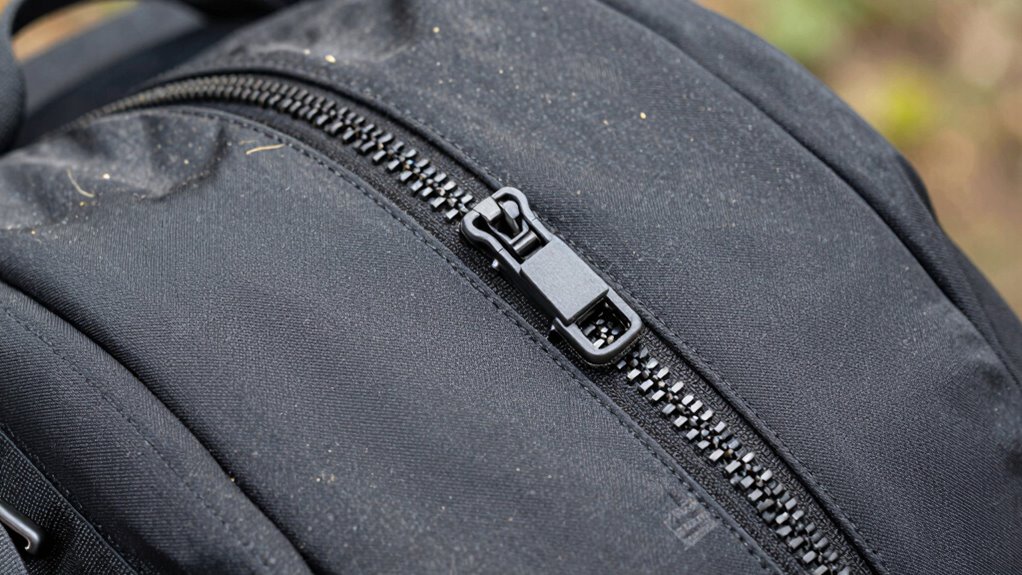

To prevent zippers and clasps from failing early, regularly clean and lubricate them to keep parts moving smoothly. Handle hardware gently, avoiding yanking or forcing closures, which can cause misalignment or damage. Inspect for rust, cracks, or bent pieces often, and replace worn hardware promptly before it breaks. Choosing high-quality materials and paying attention to proper use will extend their life. Continue discovering more tips to keep your hardware durable and reliable.

Get your wardrobe favorites delivered free with Prime
- Fast, free delivery on millions of items
- Prime Video, Amazon Music and more included
- Member-only deals all year
Key Takeaways
- Regularly clean hardware with a soft cloth to remove dirt and debris, preventing buildup that causes wear.
- Apply light lubricants like silicone or graphite to moving parts for smooth operation and reduced friction.
- Handle zippers and clasps gently, avoiding yanking or forcing to prevent misalignment and damage.
- Inspect hardware periodically for rust, cracks, or bent parts, and replace worn components promptly.
- Choose high-quality, durable hardware and upgrade when signs of wear or damage appear to ensure longevity.
zippers and clasps lubricant silicone
As an affiliate, we earn on qualifying purchases.
As an affiliate, we earn on qualifying purchases.
How Zippers and Clasps Wear Out and How to Prevent It

Zippers and clasps are essential for securing your belongings, but over time, frequent use can cause them to wear out or break. One common issue with zippers is misalignment, which occurs when teeth no longer line up properly, making it difficult to zip smoothly. Ensuring the zipper stays aligned helps prevent damage and extends its lifespan. For clasps, the material plays a significant role; metal clasps are durable but can corrode or bend, while plastic ones may crack or weaken with heavy use. Regularly inspecting these components and handling them gently can prevent unnecessary stress. Avoid forcing stuck zippers or clasps, as this can worsen alignment issues or cause breakage. Proper care and mindful use are key to maintaining their integrity over time. Additionally, understanding the role of contrast ratio can help you identify when a component may need replacement to ensure optimal performance.
As an affiliate, we earn on qualifying purchases.
Keep Your Hardware Clean and Lubricated for Smooth Function
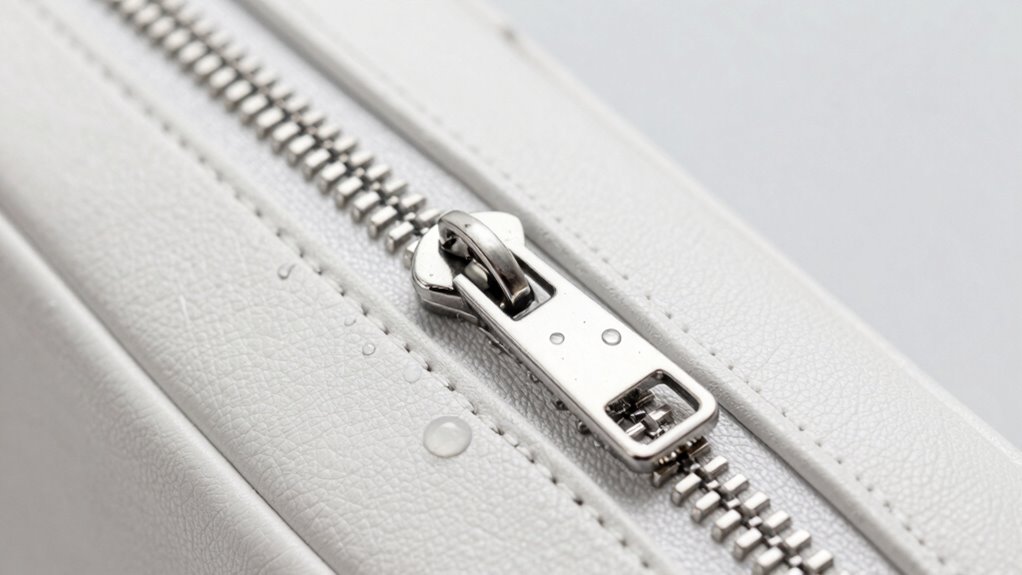
Keeping your hardware clean and lubricated is essential to guarantee it functions smoothly and lasts longer. Regular maintenance routines help prevent rust, stiffness, and early failure. Use a soft cloth to wipe away dirt and debris, then apply a light lubricant like silicone or graphite to moving parts. This keeps components operating effortlessly, reducing strain and wear. Additionally, maintaining proper hardware care practices ensures optimal performance and prevents costly repairs. Here’s a quick guide:
| Step | Action | Frequency |
|---|---|---|
| Cleaning | Wipe with soft cloth | After use |
| Lubrication | Apply lubricant to moving parts | Monthly |
| Inspection | Check for damage or rust | Bi-monthly |
| Tightening | Secure loose hardware | As needed |
| Replacement | Replace worn parts | When necessary |
Following these tips boosts hardware longevity and guarantees your hardware continues to perform reliably.
As an affiliate, we earn on qualifying purchases.
Use Proper Techniques When Opening and Closing to Avoid Damage

Properly opening and closing your hardware prevents unnecessary strain and damage, guaranteeing smooth operation over time. When handling zippers and clasps, use gentle, even pressure to avoid bending or misaligning components. Avoid yanking or forcing closures, as this can compromise hardware longevity and lead to early failure. Practice proper zipper maintenance by ensuring the slider moves smoothly and doesn’t catch on fabric or debris. When closing a clasp, align it carefully before securing it shut, reducing stress on the mechanism. Taking these simple steps minimizes wear and tear, prolongs the lifespan of your hardware, and maintains its functionality. Consistent, careful use not only preserves the hardware’s appearance but also ensures it performs reliably for years to come. Proper hardware handling is essential for maintaining the integrity of your accessories and preventing premature damage.
hardware cleaning and maintenance tools
As an affiliate, we earn on qualifying purchases.
As an affiliate, we earn on qualifying purchases.
Inspect and Replace Worn Hardware Before Failure

Regularly inspecting your hardware allows you to catch signs of wear before they lead to failure. During hardware inspection, look for rust, cracks, bent parts, or loose components. If you notice any damage or significant wear, it’s time for hardware replacement to prevent sudden failures. Don’t wait until a zipper pull breaks or a clasp snaps shut unexpectedly. Replacing worn hardware promptly extends the life of your gear and maintains its functionality. Keep a close eye on high-stress areas like zippers, clasps, or buckles, and replace any compromised parts. Performing regular hardware inspection helps you identify issues early. Understanding hardware maintenance can help you develop a routine to keep your gear in top condition. By addressing worn hardware before failure, you ensure your belongings stay secure and functional longer, saving you time and money on potential repairs or replacements later.
How to Choose Durable Hardware and When to Upgrade

Choosing durable hardware starts with understanding the materials and construction quality that best suit your needs. When selecting hardware, prioritize high-quality materials like brass, stainless steel, or nickel-plated options, as they resist corrosion and wear better over time. Proper material selection makes hardware maintenance easier, reducing the frequency of repairs or replacements. Look for sturdy construction with secure seams and reinforced areas, ensuring longevity. Upgrading hardware is necessary when signs of wear or damage appear that compromise functionality or appearance, such as cracks or corrosion. Regularly assess your hardware’s condition and don’t hesitate to replace it when it no longer performs well. Investing in durable hardware and knowing when to upgrade ultimately prolongs your items’ lifespan and keeps them functioning smoothly. Material durability is a key factor in ensuring hardware withstands daily use and environmental exposure over time.
Frequently Asked Questions
Can Weather Conditions Affect Hardware Longevity?
Weather conditions definitely impact hardware longevity. You’ll notice environmental effects like rain, humidity, and extreme temperatures can cause rust or corrosion on zippers and clasps. These weather impacts weaken the metal over time, making hardware more prone to failure. To protect your gear, keep it dry and store it properly when not in use. Regular maintenance and cleaning help prevent damage caused by environmental effects and extend hardware lifespan.
Are There Specific Cleaning Products Harmful to Hardware?
You should avoid harsh cleaning chemicals and abrasive cleaners on hardware, as they can weaken or damage delicate metal parts. These products may seem effective but often cause long-term harm, leading to early failure of zippers and clasps. Instead, opt for gentle, non-abrasive solutions like mild soap and water. Treat your hardware with care, and it’ll serve you well longer, quietly enduring the test of time.
How Often Should Hardware Be Inspected for Wear?
You should inspect your hardware at least once a month to catch early signs of wear, oxidation, or rust. Check for hardware oxidation, which can weaken components, and make certain latches move smoothly. If you notice stiffness or corrosion, apply a small amount of latch lubrication to keep everything functioning properly. Regular inspections help prevent failure and extend the lifespan of your hardware, keeping your gear reliable and safe.
Does Hardware Type Influence Its Durability?
Think of hardware like a suit of armor—its type greatly influences durability. You’ll find that material strength varies, with metals like brass or stainless steel offering more resilience than plastic. Design complexity also plays a role; simpler designs often withstand wear better. So, when choosing hardware, consider both the material and how it’s built, because these factors are your armor’s backbone against early failure.
Can DIY Repairs Extend Hardware Lifespan Effectively?
Yes, DIY repairs can effectively extend hardware lifespan. You can use DIY reinforcement and hardware restoration techniques like lubricating zippers and clasps, tightening loose screws, or applying protective coatings. These simple steps help prevent early failure and keep your gear functioning smoothly. Regular maintenance and timely fixes guarantee that hardware stays durable longer, saving you money and hassle in the long run.
Conclusion
By taking care of your zippers and clasps, you’ll turn everyday hardware into invincible guardians of your gear—never again will they break or jam at the worst moment! With just a little cleaning, proper opening techniques, and timely replacements, you’ll keep your hardware working perfectly for ages. Think of it as giving your belongings superpowers—making them unstoppable, unbreakable, and ready for anything life throws at you. Stay vigilant, and your hardware will thank you with a lifetime of flawless performance!
Fall Picks
fall essentials
As an affiliate, we earn on qualifying purchases.