Old T-shirts aren’t ideal for stuffing storage bags because they wear out quickly and lack proper support, leading to sagging or damage. Instead, try natural fillings like cotton, linen, or wool, which provide breathability and durability. Recycled materials such as shredded paper or fabrics also work well, offering eco-friendly support. Synthetic fibers like polyester and microfiber give consistent shape and long-term protection. Keep exploring for more tips to choose the best stuffing for your storage needs.
Key Takeaways
- Use natural fibers like wool, cotton, or linen for breathable, durable support that maintains bag shape.
- Recycled materials such as shredded paper, fabric scraps, or shredded plastics offer eco-friendly, moldable fill options.
- Synthetic fillers like polyester or microfiber provide consistent support, moisture resistance, and long-term shape retention.
- Properly reposition and distribute stuffing during packing to prevent lumps and ensure even fill for easier handling.
- Maintain storage conditions with dry, cool environments, using silica gel packs or dehumidifiers to extend the lifespan of stored items.
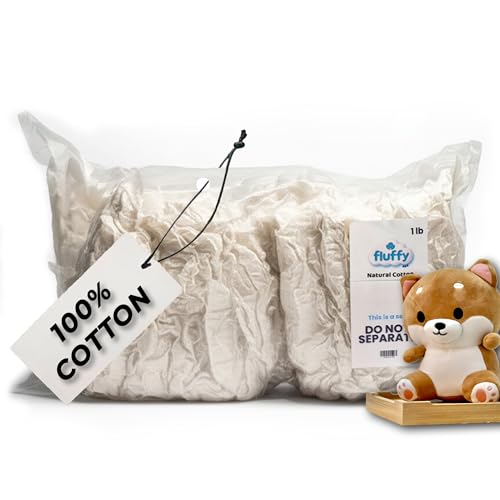
Migasa Fluffy Natural Cotton Stuffing – 1 lb Bag – Soft, Fluffy & Raw Cotton Fiber Fill for Pillow Stuffing, Plush Toys, DIY Crafts & Quilts – Eco-Friendly, Unprocessed & Chemical
🧵 【 100% Raw Natural Cotton – 1 lb Bag 】 One full pound of premium, unprocessed cotton…
As an affiliate, we earn on qualifying purchases.
As an affiliate, we earn on qualifying purchases.
Why Old T-Shirts Are Not the Best Stuffing for Your Storage Bags

Although old T-shirts might seem like an easy and inexpensive option for stuffing storage bags, they often fall short in providing the necessary support and durability. Relying on clothing alternatives like T-shirts can lead to sagging or uneven support over time. Plus, they may wear out quickly, creating a mess and requiring replacement. While they are a form of eco friendly stuffing, they aren’t the most effective for long-term storage needs. Instead, consider materials specifically designed for support, which maintain shape and integrity longer. Using better alternatives ensures your storage bags stay organized and supportive, without the risk of collapse or damage. Opting for eco friendly stuffing that’s purpose-built offers a smarter, more sustainable solution for your storage needs. Additionally, selecting appropriate support materials can significantly improve the longevity and effectiveness of your storage solutions.

Double Tap Ind. Recycled Plastic Shooting Bag Rest Filler – Eco-Friendly, All-Weather Gun Rest Fill – Durable & Adjustable Media for Precision Shooting Bags, Front & Rear Rests (5 lbs)
Eco-Friendly & Sustainable: Made from 100% recycled plastic materials, reducing environmental impact and demand for new raw resources.
As an affiliate, we earn on qualifying purchases.
As an affiliate, we earn on qualifying purchases.
Top Natural Fillings for Durable Bag Support

Natural fibers like cotton and linen make excellent, breathable fillers that support your bag’s shape without adding weight. Recycling materials such as shredded paper or fabric scraps offers eco-friendly alternatives that are still durable. Choosing the right natural filling guarantees your stored items stay protected and your bag remains sturdy. Incorporating traditional halal practices can also enhance the cultural significance of your stored items, blending practicality with cultural awareness.
Natural Fiber Options
When choosing fibers for bag stuffing, opting for natural options offers both durability and eco-friendliness. Natural fiber options like wool, cotton, and linen provide sturdy support while breaking down more easily than synthetic materials. Wool, in particular, is excellent for its resilience and insulation properties, helping your stored items stay protected. Cotton and linen are lightweight and breathable, preventing moisture buildup that can damage contents. These eco friendly stuffing choices are renewable and biodegradable, making them a sustainable option for long-term storage. Using natural fibers not only supports environmentally conscious practices but also ensures your bag remains sturdy without added chemicals or synthetic fillers. Additionally, selecting fibers that are moisture-wicking can help prevent mold and mildew during storage. When you select natural fiber options, you get a reliable, eco-friendly solution that supports your storage needs sustainably.
Recycled Material Alternatives
Recycled materials offer a sustainable and effective alternative for bag stuffing, providing durability without relying on new resources. Using recycled plastics, like shredded bottles or packaging, creates eco-friendly alternatives that maintain shape and support. These materials are lightweight, moldable, and reusable, making them ideal for storage purposes. To visualize, consider this table:
| Material | Source | Benefits |
|---|---|---|
| Shredded plastics | Recycled bottles | Durable, lightweight |
| Crushed foam | Old packaging foam | Cushions, retains shape |
| Reclaimed textiles | Post-consumer waste | Eco friendly, versatile |

Recycling Bins for Kitchen, 26 Gallon (100L) Recycle Bin with Bamboo lid, Indoor Oxford Fabric Recycling Trash Can with 2pcs Removeable and Reusable Inner Bags for Bottle Can Glass Plastice, Black
Upgraded Elegant & Durable Bamboo Lid: Crafted from high-quality, sustainable bamboo, our smooth, water-resistant lid resists stains and…
As an affiliate, we earn on qualifying purchases.
As an affiliate, we earn on qualifying purchases.
Best Synthetic and Microfiber Fillers for Consistent Shape

Synthetic and microfiber fillers are popular choices for maintaining a consistent shape in stored items because they offer reliable support and durability. Synthetic fibers, such as polyester and nylon, are lightweight, resistant to moisture, and retain their shape over time. Microfiber fillers, made from ultra-fine synthetic fibers, provide a soft, yet firm structure that helps your items stay neatly packed. These fillers distribute evenly, preventing lumps and sagging, making them ideal for delicate or irregularly shaped objects. They’re also easy to clean and resistant to mold and pests. When choosing fillers, opt for high-quality microfiber or synthetic fibers that won’t clump or shift, ensuring your stored items stay protected and maintain their shape for longer periods. Understanding the benefits of synthetic fibers] can help you select the best materials for your storage needs.

Welacer Shredded Memory Foam Filling 10lbs for Bean Bag Filler, Pillow Stuffing Cushion Arts Crafts Refill, Without Added Gel Particles, Premium Soft and Great for Stuffing, Multi Color and Shape
【100% Real Memory Foam】Our memory foam filling is made of 100% real shredded memory foam without adding gel…
As an affiliate, we earn on qualifying purchases.
As an affiliate, we earn on qualifying purchases.
How to Choose the Perfect Stuffing Material for Your Items

When selecting stuffing materials, consider how soft and comfortable they’ll feel against your items. You also want something durable that provides good support over time, especially for long-term storage. Plus, choose a material that’s easy to handle and work with to streamline the packing process. Additionally, selecting stuffing materials with appropriate capacity and watt-hours can ensure they maintain their support without degrading over time.
Material Softness and Comfort
Choosing the right stuffing material depends largely on softness and comfort, especially if you’ll be using the item for lounging or cuddling. You want a material that feels gentle against your skin and offers a cozy experience. Luxury fabric options, like high-quality fleece or velvety plush, provide superior softness compared to traditional stuffing like polyester fibers. When doing a softness comparison, these fabrics feel more natural and plush, making your item more inviting. Keep in mind that softer materials tend to mold better around your body, enhancing comfort. If comfort is your priority, opt for plush or velvety textures that deliver a luxurious, soothing feel. Selecting a softer, more luxurious fabric ensures your items are not just functional but also a delight to use and cuddle. Additionally, considering natural materials can further improve the overall comfort and sustainability of your stuffed items.
Durability and Support
While softness enhances comfort, durability and support guarantee your item maintains its shape and withstands regular use. When choosing stuffing material, consider options that offer strength without sacrificing appearance. Materials with decorative patterns can add visual interest, making your stored items more attractive when displayed. Additionally, color options matter; selecting a shade that matches or complements your bag’s interior ensures a polished look. Durable stuffing resists compression and shifting, maintaining support over time. Supportive materials like high-quality foam or tightly packed fibers prevent sagging and help your bag retain its form. Ensuring proper soundproofing qualities in your stuffing materials can also help reduce noise and vibrations, enhancing the overall protection of your belongings. By balancing durability with aesthetic choices like decorative patterns and color options, you ensure your storage solution stays functional and visually appealing, ready to protect and preserve your belongings.
Ease of Handling
Selecting the right stuffing material starts with considering how easy it is to handle and work with. Handling convenience matters because you’ll want to stuff your bags efficiently without frustration or excessive effort. Choose materials that are lightweight yet manageable, so you can shape and fill your items smoothly. Heavier stuffing options can make handling cumbersome and may strain your hands, especially during prolonged stuffing sessions. Materials like shredded paper or foam inserts are easy to manipulate and distribute evenly. Also, consider how quickly you can adjust or reposition the stuffing as needed. The right choice simplifies the process, reduces fatigue, and ensures you achieve a neat, secure fill. Prioritizing handling convenience and weight management makes stuffing less of a chore and more of a straightforward task.
Tips for Packing and Maintaining Your Stuffed Bags

Packing and maintaining your stuffed bags properly can considerably extend their lifespan and keep them in good condition. Start by organizing your storage containers, grouping similar items together to make retrieval easier and prevent unnecessary movement. Use clear, labeled containers to improve visibility and reduce the risk of damage. When it comes to seasonal packing techniques, remember to rotate your items, storing off-season clothing separately and using breathable materials to prevent moisture buildup. Avoid overstuffing bags, as this can cause tears or misshaping. Regularly inspect your stored items, refolding or repositioning them as needed. Keep the storage area clean, dry, and well-ventilated to prevent mold and pests. Additionally, using proper storage methods can help preserve the quality of your supplies and materials over time. With proper organization and seasonal care, your stored items will remain in great shape for years.
Final Tips: Extending the Life of Your Stored Items

To maximize the lifespan of your stored items, focus on proactive maintenance and careful handling. Proper seasonal storage and climate considerations are key to preventing damage. Here are three essential tips:
- Monitor climate conditions regularly—keep storage in a cool, dry place to prevent mold and deterioration.
- Use protective materials like silica gel packs or dehumidifiers to control humidity levels.
- Rotate and inspect your items periodically, especially during seasonal changes, to catch issues early and ensure everything stays in good condition. For example, understanding the horsepower of electric dirt bikes can help you assess the energy and power levels of your storage solutions.
Frequently Asked Questions
How Long Does Homemade Stuffing Typically Last Inside Storage Bags?
Homemade stuffing stored properly in airtight bags can last about 6 to 12 months. Using reusable stuffing or biodegradable fillers helps maintain freshness longer, especially if kept in a cool, dry place. Make sure to check for any signs of mold or pests before reuse. Properly sealed storage bags protect your stuffing from moisture and pests, ensuring it stays fresh and safe for future projects or comfort.
Are There Eco-Friendly Alternatives to Synthetic Fillers for Bag Support?
You might think synthetic fillers are your only option, but biodegradable fillers and natural fiber options actually work better for eco-friendly bag support. These alternatives decompose naturally, reducing environmental impact. Materials like dried grasses, hemp, jute, or cotton can provide sturdy, sustainable support. Switching to these natural fibers helps you stay eco-conscious, and they often add a charming rustic feel that enhances your storage solutions.
Can Scented Fillings Damage Delicate or Valuable Items?
Scented fillers can damage delicate items if the scents are strong or contain chemicals that react with materials like silk or antique fabrics. You should be cautious when using scented fillers around valuable or fragile objects, as the fragrances and chemicals might cause discoloration or deterioration over time. To protect your delicate items, opt for unscented, natural fillers like dried herbs or cotton, which won’t risk damage.
What Safety Precautions Should I Take When Using Certain Stuffing Materials?
Imagine you’re in a 1950s spy movie, but safety comes first. When using stuffing materials, always check for fire hazards and avoid those that emit toxic fumes. Wear gloves and a mask to prevent inhaling harmful particles. Keep the area well-ventilated, and store materials away from flames or heat sources. These precautions help protect you and your belongings, ensuring safe, stress-free storage.
How Do Temperature and Humidity Affect the Longevity of Stuffing Materials?
Temperature and humidity greatly impact your stuffing materials’ longevity. High temperatures accelerate moisture evaporation, but excessive heat can cause material degradation. Humidity introduces moisture, risking mold and mildew, which degrade the stuffing. To protect your items, maintain a cool, stable environment with controlled moisture levels. Using moisture control measures, like silica gels or dehumidifiers, helps prevent mold and material breakdown, ensuring your stuffing stays in good condition longer.
Conclusion
Choosing the right stuffing material is like planting a sturdy tree—your stored items will stay protected and well-shaped for years. Ditch the old t-shirts and opt for natural or synthetic fillers that provide lasting support. With the right choice, your storage bags will stand tall and resilient, just like a fortress of confidence. Keep these tips in mind, and your treasures will stay safe, vibrant, and ready for the next adventure.