High humidity in your closet can quietly damage your clothes, weakening fabrics, promoting mold, and leaving stubborn odors that are hard to remove. It often results from poor ventilation, leaks, or outdoor moisture seeping in. To protect your wardrobe, improve airflow, use breathable storage, and consider installing dehumidifiers or vents. Staying on top of humidity levels is essential, and if you continue, you’ll discover simple steps to keep your clothes safe and mold-free.
Key Takeaways
- High closet humidity damages fabrics, causes mold, and leads to persistent odors that degrade clothing over time.
- Poor ventilation and leaks increase moisture, which can be detected by mold spots and musty smells.
- Improving airflow and using breathable storage options help reduce moisture buildup around clothes.
- Dehumidifiers and proper ventilation systems effectively control humidity, preventing mold and fabric deterioration.
- Monitoring humidity levels with hygrometers and maintaining below 50% keeps your closet dry and preserves wardrobe integrity.
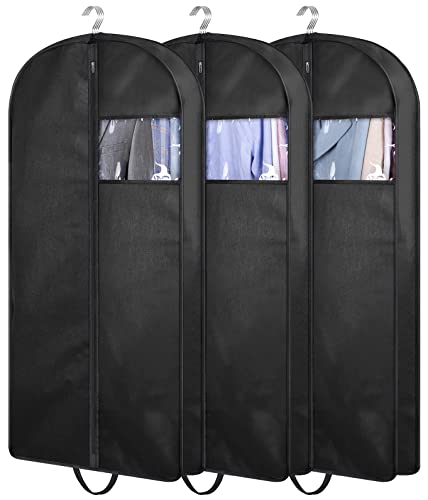
KIMBORA 43" Suit Bags for Closet Storage and Travel, Gusseted Hanging Garment Bags for Men Suit Cover With Handles for Clothes, Coats, Jackets, Shirts(3 Packs)
Roomy Capacity: Set of 3 garment bags for storage, each hanging clothes bag has 4" gussets to store...
As an affiliate, we earn on qualifying purchases.
Why Closet Humidity Is Ruining Your Clothes

If your closet has high humidity, it can quickly damage your clothes without you noticing. Excess moisture weakens fabric protection, making fibers more prone to tearing and wear over time. It also encourages mold and mildew, which can stain or discolor your garments. Plus, high humidity hampers odor control, causing clothes to develop a musty smell even after washing. This persistent odor can be difficult to eliminate and often signals deeper damage to your fabrics. Over time, these issues compromise the integrity of your wardrobe, reducing the lifespan of your clothes. Addressing humidity levels helps preserve fabric quality and keeps your clothes smelling fresh. By controlling moisture, you protect your investment and ensure your wardrobe stays in top condition longer. Monitoring indoor humidity levels can help prevent these issues and maintain your clothes’ condition. Microplastics in dust can also cling to fabrics, further impacting fabric integrity and cleanliness.

BALEINE 1PK Heavy Duty Garment Bag with Shoe Storage Travel Bag for Dresses, Suit, Coats Travel Essential (43", Black)
[PREMIUM QUALITY] Our BALEINE non-woven travel garment bag is crafted with care using high-quality materials to provide excellent...
As an affiliate, we earn on qualifying purchases.
What Causes Excess Moisture and How to Detect It

Excess moisture in your closet often results from everyday factors that introduce or trap humidity, such as poor ventilation, leaks, or high outdoor humidity levels. When moisture builds up, mold growth becomes a real threat, damaging your clothes and causing health issues. You can detect excess humidity by checking for a damp or musty smell, which indicates poor odor control and hidden moisture. Look for visible mold spots, especially in corners or behind hanging clothes. Swollen or wrinkled fabrics may also signal high humidity. Regularly inspecting these signs helps you catch moisture problems early. Proper ventilation is essential to prevent excess moisture, along with sealing leaks and monitoring outdoor humidity levels to keep your closet fresh and mold-free.
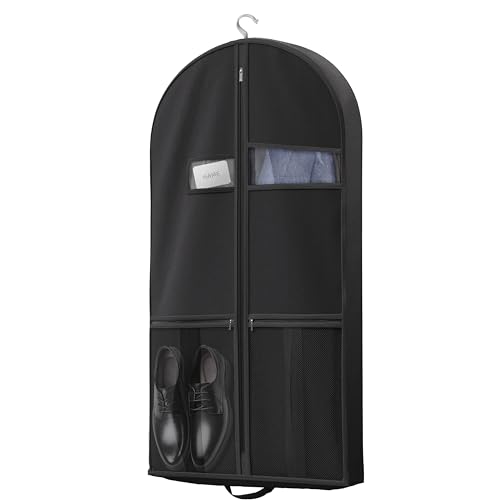
Lazebox 43" Travel Garment Bag with Accessories Zipper Pocket, Heavy Duty Suit Bag for Suits, Tuxedos, Dresses, Coats, Black, 1 pack
Convenient and Travel-Friendly: Lightweight and foldable, this garment bag easily fits into your luggage or can be carried...
As an affiliate, we earn on qualifying purchases.
How to Reduce Humidity and Keep Clothes Safe

To effectively reduce humidity in your closet, you need to improve airflow and control moisture sources. Proper wardrobe organization allows air to circulate freely, preventing damp pockets. Keep clothes spaced out and avoid overcrowding, which traps moisture. Use breathable storage solutions like canvas bins or cotton garment bags for fabric protection. Consider adding small vents or leaving doors slightly open to enhance airflow. Regularly check for leaks or condensation points that introduce moisture. Additionally, implementing proper maintenance routines can prevent ongoing humidity issues. Here’s a quick guide:
| Action | Benefit |
|---|---|
| Increase ventilation | Reduces dampness and promotes air flow |
| Use breathable storage | Protects fabric from mold |
| Avoid overcrowding | Improves airflow and reduces moisture |
| Remove damp clothes | Prevents mold and musty odors |
| Monitor for leaks | Eliminates moisture sources |

2 Packs Breathable Hanging Garment Bags for Clothes & Suits - 45" Fabric Suit Bags for Closet Storage, Garment Covers for Coats, Dresses, Jackets, Shirts, Wardrobe Protector (ecru)
Breathable Fabric & Durable Construction----Crafted from high-quality, breathable non-woven fabric, our garment bags for hanging clothes keep your...
As an affiliate, we earn on qualifying purchases.
Choosing the Best Dehumidifiers and Ventilation for Your Closet

Choosing the right dehumidifier and ventilation system can make a significant difference in maintaining a dry, mold-free closet. Proper dehumidifier placement guarantees ideal moisture extraction; place it where air circulates freely, away from clothing or walls. Consider the size of your closet when selecting a dehumidifier—larger spaces need more powerful units. Ventilation types vary, including exhaust fans, passive vents, or mechanical air exchange systems. For smaller closets, passive vents might suffice, while larger spaces benefit from active ventilation. Ensure your chosen ventilation promotes airflow without introducing external humidity. Combining well-placed dehumidifiers with suitable ventilation types creates an effective moisture control system, helping preserve your clothes and prevent mold growth. Additionally, understanding whole-home water systems can help optimize overall indoor humidity management, further contributing to a healthier closet environment.
How to Maintain Ideal Humidity Levels and Prevent Mold

Maintaining the right humidity level in your closet is essential to prevent mold growth and protect your clothes. Achieving proper climate control helps you maintain a healthy moisture balance, reducing the risk of mold and mildew. Use a hygrometer to monitor humidity levels regularly—aim for 50% or lower. Ventilate your closet whenever possible, and consider installing a dehumidifier if moisture tends to accumulate. Keep clothing and storage areas clean and dry, avoiding overcrowding that traps humidity. Proper insulation can also help stabilize temperature and moisture levels. Additionally, choosing the right air purifier or dehumidifier can further help control excess moisture and improve air quality. By actively managing these factors, you create an environment that discourages mold while preserving the integrity of your wardrobe. Consistency in maintaining climate control is your best defense against hidden closet damage.
Frequently Asked Questions
Can Natural Remedies Effectively Control Closet Humidity Long-Term?
Natural remedies, like natural dehumidifiers such as charcoal or silica gel, can help control closet humidity temporarily through moisture absorption. However, for long-term effectiveness, these solutions may fall short. You’ll likely need to combine natural dehumidifiers with proper ventilation and regular maintenance. Relying solely on natural remedies might not fully prevent mold or musty odors, so consider a thorough approach for consistent moisture control in your closet.
How Do Seasonal Changes Affect Closet Humidity Levels?
Seasonal fluctuations considerably impact your closet’s humidity levels, causing humidity variation throughout the year. In winter, drier air often lowers humidity, while summer’s heat and humidity can increase moisture. You can manage these changes by using dehumidifiers or moisture absorbers during humid months and ensuring proper ventilation in drier seasons. Regularly monitoring your closet’s humidity helps you adjust these strategies for consistent, controlled conditions year-round.
Are There Specific Clothing Materials More Susceptible to Moisture Damage?
Think of your clothes as sponges, soaking up moisture when humidity rises. Synthetic fabrics are less susceptible, but wool is like a magnet for moisture, making it prone to mold and mildew. You should be especially cautious with wool garments, keeping them dry and well-ventilated. Proper storage helps prevent damage, ensuring your wardrobe stays fresh and your clothes stay in top shape.
What Are Hidden Signs of High Humidity Beyond Mold and Odors?
High humidity can cause hidden stains and damage your clothing fabric without obvious signs. You might notice your clothes feel damp or feel slightly sticky, even when they’re dry to the touch. Look for subtle discolorations or texture changes, especially on delicate fabrics. These hidden signs indicate excess moisture, which can weaken fibers over time. Keeping your closet dry helps prevent this unseen damage and maintains your clothes’ integrity.
How Often Should Dehumidifiers or Ventilation Systems Be Maintained?
You should perform dehumidifier maintenance every 1 to 3 months to guarantee ideal performance, depending on usage and humidity levels. Regularly check and clean filters, coils, and water trays. For ventilation system upkeep, inspect vents monthly for blockages or dust buildup and replace filters as recommended by the manufacturer. Proper maintenance prevents mold, odors, and damage, keeping your closet environment dry and safe.
Conclusion
If you ignore closet humidity, your favorite clothes could be ruined before you even realize it. The silent threat of mold and moisture sneaking in can cause lasting damage, but you hold the power to stop it. Take action now—choose the right dehumidifier, improve ventilation, and keep humidity in check. Don’t wait until it’s too late; your wardrobe’s future depends on the steps you take today. Will you act before it’s gone?