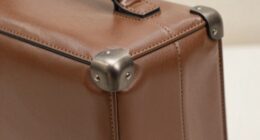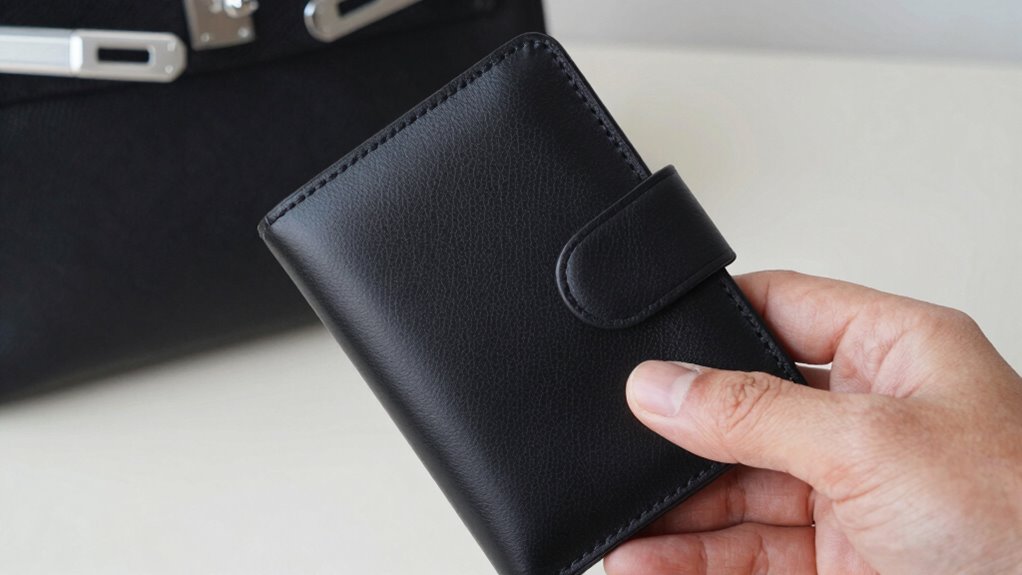

The “One‑Hand Test” is a quick, essential way to check if your wallet or bag is durable, comfortable, and practical for daily use. Simply hold, lift, and support the item with one hand to see if it feels sturdy, flexible, and easy to carry. This test reveals comfort, weight distribution, and how well the design supports natural movement. Keep exploring for tips on mastering this simple yet powerful evaluation and making smarter choices.
Key Takeaways
- The One‑Hand Test quickly evaluates a wallet or bag’s durability, flexibility, and ease of handling.
- It helps determine if the item maintains shape, resists creasing, and supports natural movement.
- Performing the test ensures the product is comfortable, lightweight, and practical for daily use.
- It reveals potential weaknesses or material flaws that could affect long-term durability.
- Incorporating the test into your evaluation guides better purchase decisions balancing style, comfort, and functionality.

ZARSIO Handbag Base Shaper PU Leather Bag Liner Board Compatible with Speedy 30 Tote Purse 11.8 x 5.9 inch Bottom Pad Arc Corner Insert (Red)
Handbag Base Shaper
As an affiliate, we earn on qualifying purchases.
Why the One‑Hand Test Is a Quick, Essential Check

The One‑Hand Test is a quick and essential way to assess a wallet or bag’s quality and practicality. When you perform this test, you immediately gauge material durability—if the item feels sturdy and resists bending or creasing easily, it’s likely made from quality materials. This durability guarantees your wallet or bag will withstand daily wear and tear. Additionally, the test helps you evaluate aesthetic appeal; a well-made piece maintains its shape and looks sleek even with minimal handling. If it feels flimsy or loses form quickly, it may be crafted from cheaper materials that won’t last. This simple check saves you time and money, helping you select accessories that combine durability with visual appeal, ensuring you get the best value for your investment. Conducting the material choice assessment during the test can further ensure you’re selecting a product built to last.

ZARSIO Handbag Base Shaper PU Leather Bag Liner Board Compatible with Speedy 30 Tote Purse 11.8 x 5.9 inch Bottom Pad Arc Corner Insert (Beige)
Handbag Base Shaper
As an affiliate, we earn on qualifying purchases.
How to Try the One‑Hand Test on Your Wallet or Bag

To try the One‑Hand Test on your wallet or bag, start by holding it securely with one hand. Gently lift and support the item, paying attention to its material durability. If it feels flimsy or easily bends, it may not be built to last. Check for signs of weakness or creasing, which can indicate poor quality. Also, consider the brand reputation—trusted brands typically use better materials and craftsmanship, making their products more resilient. Use your other hand to gently test the flexibility and strength of the material, ensuring it can withstand daily use without damage. This quick test helps you assess whether the wallet or bag is worth investing in, based on its durability and the reputation behind its brand. Exploring New Frontiers in Digital Content and Research can provide additional insights into evaluating innovative and reliable product features.
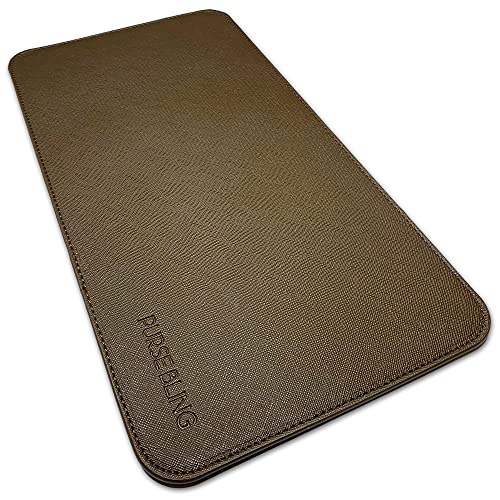
Purse Bling Speedy 40 Base Shaper, Bag Shaper for LV Speedy Bags and other LV Totes, Vegan Leather (Brown, Speedy 40)
ELIMINATE BAG SAG — Your Speedy will look shaped and structured with our Speedy Base Shaper.
As an affiliate, we earn on qualifying purchases.
Common Mistakes When Evaluating Bags and Wallets Without the Test

Many people make the mistake of judging a wallet or bag’s quality solely by its appearance or brand name, which can be misleading. Without the one‑hand test, you might overlook key factors like material durability and actual build quality. Relying only on brand reputation can give a false sense of security, as high-end brands sometimes use inferior materials. Wall art trends like digital frames and interactive murals show that innovative evaluation methods can enhance how we assess quality. Ignoring how the material feels and holds up under pressure can lead to disappointing purchases. Assuming a well-known brand guarantees durability without testing its flexibility and strength. Focusing solely on aesthetics or brand prestige without evaluating the actual construction risks ending up with a less functional item. To truly evaluate quality, you need to consider how the bag or wallet performs physically, not just visually or reputationally.
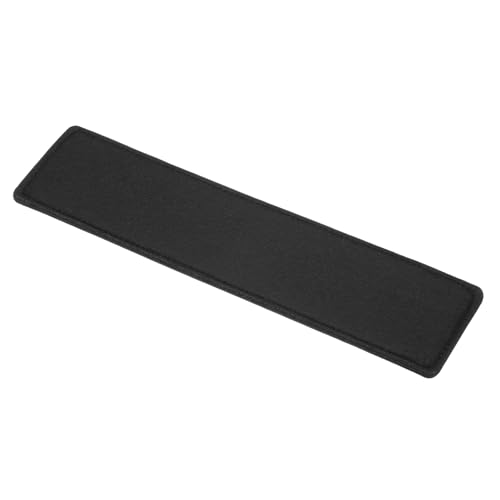
YELARXI Felt Base Shaper, Bag Bottom Shaper Purse Organizer Insert, Handbag Organizers Arc Corner Liner Board Insert, 13 x 3 Inch Fit for Purse Tote Bag Handbag Women (Black)
DURABLE MATERIAL - The base shaper is crafted from handcrafted felt material that combines durability with softness. The...
As an affiliate, we earn on qualifying purchases.
What the One‑Hand Test Reveals About Comfort and Practical Use

Performing the one‑hand test immediately reveals how comfortable and practical a wallet or bag truly is for everyday use. If it feels awkward or heavy when you lift it with one hand, it likely lacks ergonomic comfort. This test helps you determine whether the design supports natural movement without strain. A bag or wallet that passes the test offers better daily practicality, fitting comfortably in your hand and allowing easy access. You’ll notice if the weight distribution is balanced and if the materials feel soft enough for extended handling. Ultimately, this simple check uncovers whether the item enhances your daily routine or adds unnecessary hassle. By focusing on ergonomic comfort and practicality, you select accessories that truly suit your lifestyle. Additionally, understanding the evolution of arcade games can inspire more thoughtful design choices in accessories, emphasizing durability and user engagement.
Real-World Examples of Wallets and Bags That Pass or Fail the Test

Some wallets easily pass the one‑hand test because they’re compact and easy to carry. Conversely, bulky bags often fail the test, making them less practical for quick access. You’ll also find stylish options that balance practicality, proving that form and function can go hand in hand. Additionally, considering Free Floating design elements can optimize ease of use and accessibility.
Compact Wallets That Fit
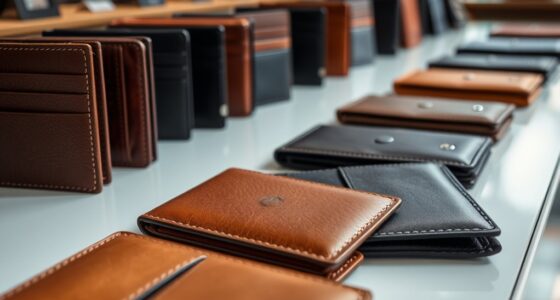
If you regularly carry a wallet, you’ll quickly notice which designs easily pass the “One‑Hand Test” and which ones fall short. Compact wallets that fit comfortably in one hand are ideal for quick access and effortless handling. Modern fashion trends favor slim, minimalist designs that prioritize material durability without sacrificing style. These wallets often feature high-quality leather or tough synthetic materials that withstand daily wear. Incorporating water-resistant materials can further enhance the longevity and practicality of your wallet in various environments. Choosing the right compact wallet ensures you can carry essentials without bulk, all while adhering to current fashion trends and lasting through daily use.
Bulky Bags That Fail
While slim wallets excel at fitting comfortably in one hand, many bulky bags from luxury brands and designer labels can hinder quick access and ease of use. These oversized bags often require two hands to open or retrieve items, failing the one-hand test. For example, some high-end totes and shoulder bags from prominent luxury brands are designed more for style than practicality, making it difficult to access essentials swiftly. Their bulky structure can be cumbersome, especially when you’re on the move or in crowded spaces. If a bag’s size or shape forces you to juggle or use both hands, it’s a clear fail. Choosing sleek, well-structured bags from designer labels ensures you don’t compromise convenience for luxury. Additionally, functional design plays a crucial role in determining whether a bag passes the one‑hand test.
Stylish Yet Practical Choices
When choosing wallets and bags that balance style with practicality, you’ll find many options that pass the one-hand test with ease. Look for items made from high material durability, ensuring they withstand daily use without losing shape or function. Reputable brands often prioritize design and quality, making them reliable choices. For example, a sleek leather wallet from a well-known brand offers both elegance and practicality, fitting comfortably in one hand. Similarly, a compact, stylish crossbody bag crafted from durable materials like ballistic nylon provides ease of access and stability. These choices demonstrate that you don’t have to sacrifice style for functionality. Prioritize brand reputation and material durability to find options that look good and pass the one-hand test effortlessly. Additionally, product testing standards help ensure that wallets and bags meet real-world durability and usability expectations.
Easy Tips to Practice the One‑Hand Test Before Buying

Before purchasing a wallet or bag, it is essential to test its usability with one hand. This guarantees you can easily access your essentials without hassle. To practice, hold the bag as you normally would and check if you can comfortably open and close it, especially during busy moments. Consider how designer collaborations or seasonal trends influence your style, but focus on functionality first. Use this table to guide your practice:
| Step | What to Check |
|---|---|
| Handle grip | Is it comfortable and secure? |
| Opening mechanism | Can you open with one hand smoothly? |
| Weight | Is it light enough to carry easily? |
| Accessibility of items | Can you reach inside quickly? |
| Overall ease of use | Does it feel natural and effortless? |
Repeat this test in different lighting and settings to guarantee consistency. Additionally, assessing the usability of your bag ensures it meets your daily needs efficiently.
How to Include the One‑Hand Test in Your Overall Buying Checklist

Incorporating the one‑hand test into your overall buying checklist guarantees you prioritize functionality alongside style. To do this effectively, consider how the wallet or bag feels when you perform the test—pay attention to material durability and ease of handling. Check the brand reputation to ensure quality construction and reliable performance. Additionally, assessing your recovery and HRV can help you determine whether your accessories support your overall well-being and daily resilience.
What to Do If Your Wallet or Bag Fails the One‑Hand Test

If your wallet or bag doesn’t pass the one-hand test, start by evaluating its size and weight to see if it’s manageable. Consider switching to alternative carry options or choosing ergonomic designs that better suit your needs. Making these adjustments can help you find a more comfortable and practical solution.
Assess Bag Size and Weight
When your wallet or bag fails the one‑hand test, it’s a clear sign that it’s too heavy or bulky for comfortable, everyday use. To assess its size and weight, consider these steps:
- Check if the bag’s ergonomic design promotes balanced weight distribution, reducing strain.
- Evaluate whether the bag feels evenly weighted or if certain areas cause discomfort.
- Simplify your load by removing unnecessary items, making it lighter and more manageable.
Consider Alternative Carry Options
When your wallet or bag doesn’t pass the one-hand test, exploring alternative carry options can make a significant difference. Consider switching to styles aligned with current fashion trends, such as crossbody bags or sleek backpacks, which distribute weight more evenly. Material durability is also key; choose options made from sturdy materials like leather or high-quality synthetic fabrics for longevity. Here’s a quick comparison:
| Carry Option | Pros | Cons |
|---|---|---|
| Crossbody Bags | Hands-free, stylish, distributes weight | Slightly bulkier |
| Backpack | Even weight distribution, durable | Less formal, less accessible |
| Clutch | Elegant, minimal | Limited capacity |
| Belt Bag | Trendy, compact | Small size, limited storage |
| Tote | Spacious, versatile | Can be heavy when full |
Switching options guarantees comfort and style, no matter your current bag’s performance.
Choose Ergonomic Designs
Choosing ergonomic designs is essential when your wallet or bag doesn’t pass the one-hand test. Focus on options that offer ergonomic benefits, reducing strain and improving comfort during use. When selecting new designs, consider these factors:
- Weight distribution: Opt for bags with balanced weight, easing shoulder or hand fatigue.
- Ease of access: Choose wallets and bags with simple, one-handed opening mechanisms to enhance convenience.
- Adjustable features: Look for straps or compartments that can be customized for your body, ensuring proper fit and support.
Prioritizing these design considerations helps you find products that promote comfort and functionality. An ergonomic approach minimizes discomfort, especially if you frequently carry your belongings. Remember, the right design makes everyday use easier and healthier.
Frequently Asked Questions
Can the One-Hand Test Determine a Bag’s Overall Durability?
The one-hand test can’t fully determine a bag’s overall durability, but it offers useful insights. You should compare materials like leather or nylon during the test to see how they hold up. While it helps with aesthetic evaluation, don’t rely solely on it—check for stitching quality and weight distribution for a thorough durability assessment. This way, you make smarter choices when selecting a long-lasting bag.
Does the Test Work Equally Well for Different Bag Materials?
Did you know that 65% of users find the one-hand test less reliable on different materials? The test doesn’t work equally well across all bag materials because of material sensitivity and water resistance variations. Leather, for instance, may handle the test differently than synthetic fabrics. So, while it’s a quick check, always consider material-specific factors to truly assess a bag’s durability.
How Often Should I Perform the One-Hand Test During Shopping?
You should perform the handling frequency of the one-hand test each time you’re in a shopping situation where you’re considering a new wallet or bag. Don’t wait until you’ve bought it; check how it feels in your hand during your initial handling. This way, you get a real sense of comfort and weight, ensuring the bag fits your needs before making a purchase. Repeat the test as needed to confirm your choice.
Is the One-Hand Test Suitable for Evaluating Travel or Larger Bags?
Like lifting a small box, the one-hand test isn’t ideal for larger or travel bags. You need to evaluate weight distribution and handle strength, which become more vital with bigger bags. Using just one hand can mislead you about their comfort and durability. For travel or larger bags, test with both hands and check if the handles feel sturdy and balanced before making a decision.
What Are Alternative Methods to Assess a Bag’s Quality Besides the One-Hand Test?
You can assess a bag’s quality by comparing materials—feel the weight, texture, and sturdiness, ensuring they match the brand’s reputation for durability. Check stitching and hardware for precision and strength, and examine zippers and seams closely. Research the brand’s reputation online, reading reviews from other users. These methods give you a better sense of quality than just the one-hand test, especially for larger or travel bags.
Conclusion
Think of the one‑hand test as your personal compass in the sea of bags and wallets. It guides you to smooth sailing, ensuring your choice won’t wobble or drag you down. By trusting this simple test, you’re crafting a balanced ship that glides effortlessly through daily life. Make it your go-to tool—because when your bag feels just right, every journey becomes a breeze on calm waters.