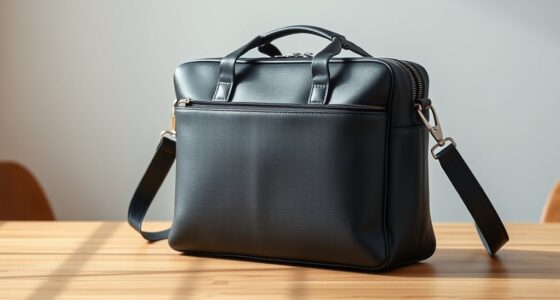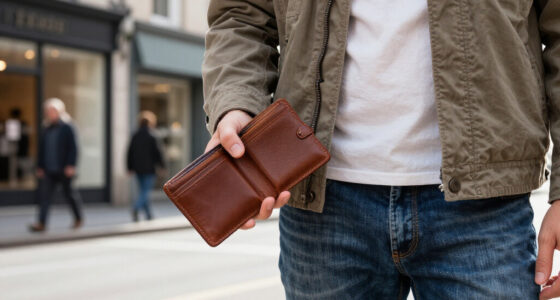
TL;DR
A designer leather handbag is a branded bag created by a fashion house or independent designer, but the label alone does not guarantee premium leather, handcraft, or lasting value. Compare the leather and construction, check comfort and capacity, and weigh care needs, price, repair options, and authenticity against your real routine.
A handbag can look perfect on a boutique shelf and feel like a brick on your shoulder by lunchtime. With designer leather handbags, the logo is only one part of the decision: leather, construction, weight, and everyday usefulness matter just as much.

Get your wardrobe favorites delivered free with Prime
- Fast, free delivery on millions of items
- Prime Video, Amazon Music and more included
- Member-only deals all year
This guide helps you tell what a designer label does and does not promise, compare leather finishes, and inspect a bag before you buy. You’ll also find practical advice for care, secondhand shopping, and choosing a style that fits your life.
A designer label identifies a brand; it does not guarantee handcraft or premium leather.
Full-grain, top-grain, suede, and nubuck differ in surface and care needs; “genuine leather” alone does not establish quality.
Inspect seams, edges, lining, closures, and hardware, then pack and carry the bag as you would in real life.
Compare price with comfort, expected use, repair support, and your budget; treat resale value as uncertain.
For pre-owned bags, review seller history, condition, photos, and return terms; codes and paperwork alone do not prove authenticity.
What a Designer Label Tells You—and What It Doesn’t
A designer handbag is a bag created by a fashion house or independent designer and sold under that brand’s name. The label can point to a recognizable design, a history of making accessories, or a particular look, but it does not prove that every bag is handmade or made from premium leather.
Price reflects more than materials and assembly. Design work, branding, distribution, and demand all affect what you pay. That difference becomes obvious when you compare a simple, well-made leather tote with a more recognizable model that costs substantially more.
So what makes a bag worth your attention? Start with the object in front of you: feel the leather, inspect the seams, and ask whether you can carry it comfortably. A striking clasp might catch your eye, but it cannot make a bag easier to use on a packed train.
A brand name describes who made or sold the design; it is not a quality grade for every detail in the bag.
Popular right now

Dyson Ball Animal 3 Upright Corded Vacuum

Bose QuietComfort True Wireless Earbuds with Active Noise Cancellation, Bluetooth 5.3, USB-C Charging, IPX4, Black

KitchenAid 5.5-Quart Bowl-Lift Stand Mixer, Porcelain White
As an affiliate, we earn on qualifying purchases.
Choose Leather That Matches Your Routine
Designer leather handbags come in finishes with different looks and care needs, so the right leather depends on how you use the bag. Full-grain leather keeps the hide’s natural surface and may show variation; top-grain leather has been sanded or treated for a smoother, more even appearance. That difference affects what you see over time: natural marks can become part of a full-grain bag’s patina, while a uniform finish can make scuffs or wear stand out differently. Neither finish is automatically more durable in every bag; thickness, tanning, coating, and construction also matter.
Suede and nubuck feel soft and velvety because their surfaces have a nap, but that texture can catch dust and show water marks more readily than many smooth finishes. They generally call for more protection and careful cleaning. A suede shoulder bag can look beautiful for a dry office commute, while a treated finish may feel less stressful on days when you expect drizzle and crowded sidewalks. The tradeoff is that treatments can change the leather’s feel or appearance, so check the specific product rather than assuming “treated” means waterproof.
“Genuine leather” sounds reassuring, but it is a broad term, not a promise of a top-tier hide. Ask about the specific material and finish, and check the brand’s care guidance before you buy. The answer helps you predict both how the bag will age and whether you will be comfortable maintaining it. Your favorite leather is the one whose texture and upkeep suit you.
| Leather or finish | What you may notice | Everyday tradeoff |
|---|---|---|
| Full-grain | Natural surface variation; may develop a patina | Characterful, but marks may remain visible |
| Top-grain | Sanded or treated for a more uniform look | Smoother appearance; upkeep varies by finish |
| Suede or nubuck | Soft, napped surface | Distinctive texture; generally needs extra care |
Inspect Five Details Before You Pay
To judge a handbag’s build, inspect its stitching, edges, lining, closures, and hardware rather than relying on the logo. These details show how well the bag is assembled and where it may be vulnerable to daily strain. Even, secure stitches and tidy edge finishing can signal careful construction, while loose threads or a lining that pulls away deserve a closer look. One flaw does not tell the whole story, but issues near handles, strap tabs, and corners matter because those areas bear repeated weight and friction.
- Check the leather: Look across the surface for the finish you expect, and ask what the material description means for that exact model. Surface variation may be normal for some leathers; cracking, sticky coating, or damage that conflicts with the product description is a reason to ask more.
- Follow the seams: Look for consistent stitching around stress points such as handles, strap tabs, and corners. Those joins transfer the bag’s weight, so weak or uneven work there can affect how confidently you can carry it.
- Open the bag: Check whether the lining sits smoothly and whether pockets are easy to reach. A lining that bunches can snag belongings, and an awkward pocket may be technically present but little use in practice.
- Test the closure and hardware: Fasten the clasp or zip several times; listen for smooth movement and feel for secure attachment. A closure that catches or opens easily can become a daily irritation and may put contents at risk.
- Carry it as you would at home: Add your phone, wallet, keys, and water bottle, then try the handles or strap. Weight changes how the bag hangs, so an empty bag can conceal pressure points or an uncomfortable balance.
For example, a small crossbody may look roomy in a studio photo but struggle to fit your phone and sunglasses together. The five-minute packing test can save you from discovering that at the café door, and it can reveal whether you need to remove an item just to close the bag.
Construction can support durability, but no stitch count guarantees a bag will last forever. Materials and assembly set a starting point; how often you use it, what you carry, and how you care for it also shape its condition over time. Inspecting the bag helps you spot avoidable weaknesses, not predict every year of wear.
Find a Shape You’ll Want to Carry All Day
The best handbag shape is the one that fits your belongings and feels comfortable through an ordinary day. Check the bag’s dimensions, weight, strap options, compartments, and closure, since product photos can hide a short strap drop or a narrow opening. These measurements matter together: a bag may have enough listed volume but still be frustrating if the opening is tight or its weight feels tiring once packed.
Imagine your weekday routine: you leave home with a phone, keys, card case, and a paperback, then walk 20 minutes to work. A light shoulder bag with an easy-access pocket may serve you better than a structured mini bag that needs careful packing. On a travel day, a secure closure and crossbody strap may matter more than a decorative top handle, because keeping your hands free and your belongings contained can make moving through crowds easier. The right choice changes with the day, so prioritize the use you expect most often.
Try the bag with the items you carry most, and notice where the strap rests and whether the opening gives your hand room. Size labels vary across brands, so use measurements and your own fit preferences instead of assuming that “small” or “medium” means the same thing everywhere. A bag that fits on paper may still sit awkwardly against your body or force you to dig for essentials.
- Choose a crossbody if you want hands-free carrying.
- Look for compartments if loose essentials tend to disappear at the bottom, while keeping in mind that dividers can reduce space for bulkier items.
- Check the bag’s empty weight if you walk or commute for long stretches; a heavier structure can feel polished but adds to the load you carry.
Compare Price With How You’ll Use the Bag
A designer handbag can be worth its price when the design, materials, repair support, and expected use line up with your budget. Its price alone does not prove it will be durable, and a high resale price is never guaranteed. Separating those factors helps you see what you are paying for: a distinctive design or brand may matter to you, while repair access and comfortable construction may matter more for frequent use.
Think about a bag you expect to carry three days a week for several years. In that case, comfortable straps and a finish suited to regular use may matter more than a limited-edition color. If you will use it only for occasional events, the same high price may be harder to justify. You can also consider cost per use, but treat it as a way to compare options rather than a guarantee: a bag used often only delivers value if it continues to work for you and does not require costly repairs.
Resale prices vary with the model, condition, rarity, demand, and the costs of selling. A popular heritage design might attract buyers, while a less sought-after style may sell for much less than its original retail price. Consider resale a possibility, not a promised return, and avoid stretching your budget based on an assumed future sale.
Before paying, ask whether the brand offers repairs and what those services cover, including cost, timing, and exclusions. Repair support can extend a bag’s useful life, but it may not cover every type of damage or be available indefinitely. Those details, plus materials and comfort, give you a fuller view of value than the brand name alone.
Shop Pre-Owned With a Clear Authentication Plan
Pre-owned shopping can open up lower-priced or discontinued styles, but you should review the seller, condition, return rules, and authentication process before buying. A clear set of close-up photos and a written description of wear tell you more than a polished listing image because they let you compare specific details and judge whether the asking price reflects the bag’s actual state.
When comparing two listings, look at corners, handles, lining, hardware, and any stated repairs. Ask the seller about odors, stains, missing parts, and whether the strap is original. These details affect both usability and future maintenance: worn corners may be cosmetic, while a damaged strap attachment can need repair before the bag is safe to carry. A reputable resale dealer with a clear return policy gives you more recourse than a seller who will not answer specific questions.
Receipts, packaging, serial or date codes, and authenticity cards can offer clues, but any of these items can be copied or faked. No single document proves authenticity. Compare the bag as a whole with trustworthy references for that exact model and year, or use an independent authentication service if doubt remains. Authentication reduces uncertainty, but the process and coverage vary, so check what the service actually reviews and what happens if it cannot reach a conclusion.
For a practical example, if you find a discontinued tote at a tempting price, pause when the seller’s photos avoid the label and interior. Ask for clear images and check return terms before sending payment; a bargain is only useful if you know what you’re buying and have a realistic way to resolve a problem if the bag differs from the listing.
Keep Leather Looking Its Best With Gentle Care
For day-to-day care, follow the brand’s instructions, keep the bag away from prolonged moisture and direct heat, and store it in a breathable dust bag. These steps limit avoidable exposure that can dry, stain, or distort leather, while the dust bag helps protect the surface without trapping moisture as tightly as plastic. Different finishes need different cleaning methods, so do not treat smooth leather and suede as if they respond to the same products; an unsuitable cleaner can leave a stain or alter the finish.
If a sudden shower leaves drops on your bag, blot gently with a clean cloth and let it air-dry away from a radiator or sunny window. Heat can dry leather unevenly, and rubbing may spread a mark. For a stubborn stain or delicate finish, ask a leather-care professional before applying a cleaner, since testing a product in an unseen spot still may not predict how it will affect the whole surface.
At home, empty the bag, shape it lightly with clean paper, and store it somewhere cool and dry. Avoid overfilling it; a heavy water bottle and overstuffed wallet can strain handles and seams. The aim is to help the bag keep its shape and reduce stress on its joins, not to make leather immune to wear. A little routine care helps your bag stay ready for its next trip.
Ask Clear Questions About Sourcing and Impact
If sourcing matters to you, ask the brand where its leather comes from, how it is tanned, and what it shares about its labor practices. These details help you understand which parts of production the company can document and where information is missing. Brands differ in how much information they publish, so specific details are more useful than a broad sustainability label.
Some companies report work on traceability, lower-impact tanning, recycled materials, or alternatives to animal leather. Each addresses different parts of a product’s impact, and one measure does not settle the whole question: for example, traceability tells you about the supply chain, while tanning information speaks to processing. The terms “eco-leather” and “vegan leather” do not, by themselves, explain a product’s full environmental impact. Look for concrete information about the material and production process.
For instance, a brand might identify a tannery or describe a repair program, while another offers only a vague claim on its product page. A repair program may help keep a bag in use longer, but its value depends on what repairs are available and where. You can use what the company actually discloses to decide how well it aligns with your priorities, without treating one label as the whole story.
Frequently Asked Questions
What is the best leather for a handbag?
There is no single best leather for every person or routine. Full-grain leather keeps its natural surface and may develop a patina; treated finishes can look more uniform, while suede and nubuck offer a soft texture with greater care needs.
Are designer leather handbags worth the price?
It depends on your budget, intended use, and what you value in design and construction. Compare the material, comfort, repair options, and expected frequency of use; brand prestige and resale potential do not guarantee durability or a return.
How can I tell whether a designer handbag is good quality?
Inspect the leather, stitching, edge finishing, lining, seams, closures, and hardware. Then try the bag with your usual belongings to see whether it feels comfortable and works for your routine.
Can a leather handbag get wet?
Water can mark some leathers, even when a brief exposure may be manageable. Blot moisture gently and air-dry the bag away from direct heat, then follow the care guidance for its specific finish.
Do designer handbags hold their value?
Some styles attract strong resale interest, but prices vary with condition, demand, rarity, and selling costs. Check recent comparable listings if you are curious, and treat any future resale price as uncertain.
Conclusion
Before you buy, match the leather and shape to your routine, inspect the construction, and set a price that feels right for your budget. The bag you reach for on a rainy Tuesday often earns its place more than the one that only shines under boutique lights.