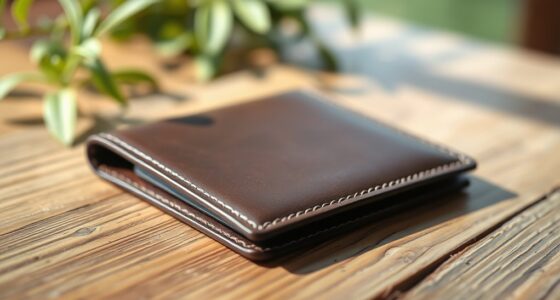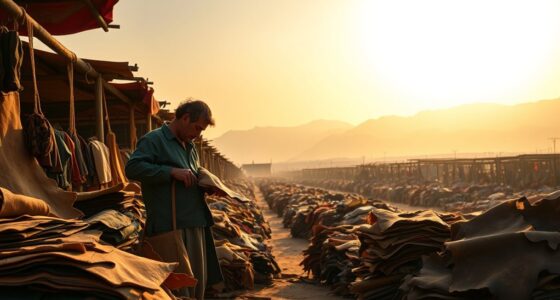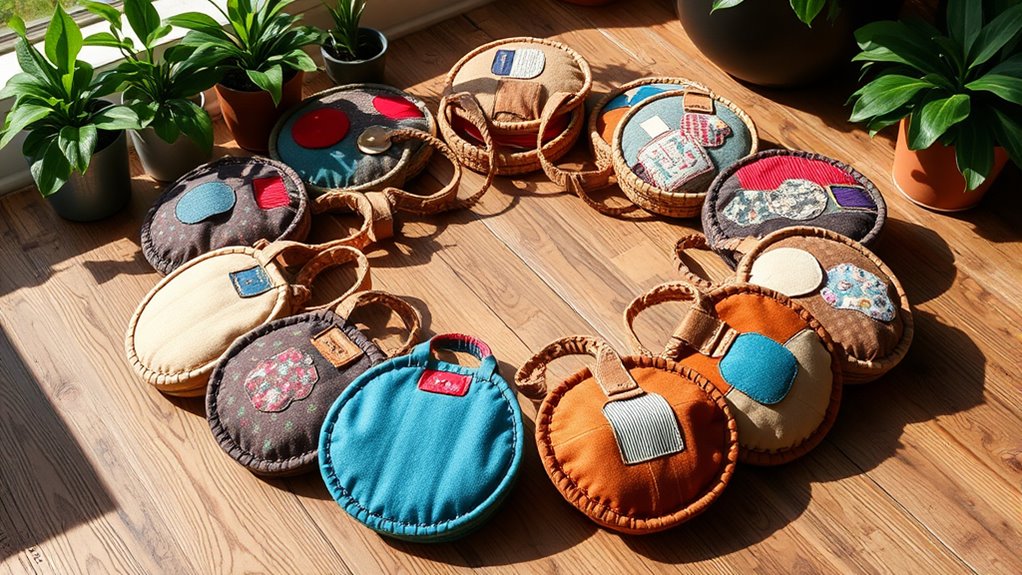

Circular fashion encourages you to recycle and resell bags, helping reduce waste and environmental impact. By choosing eco-friendly materials and supporting secondhand markets, you can extend the life of your accessories and promote responsible consumption. This system values durability and reuse, inspiring brands to adopt sustainable practices. If you keep exploring, you’ll discover more ways to participate in this eco-conscious movement and make a positive difference in fashion.
Key Takeaways
- Circular fashion promotes recycling and reselling bags to extend their lifespan and reduce waste.
- Reselling platforms and secondhand markets facilitate sustainable bag reuse and lessen environmental impact.
- Eco-friendly materials like recycled fabrics and plant-based leathers support sustainable bag production.
- Buying and selling secondhand bags encourages responsible consumption and community awareness.
- Industry shifts towards circular practices inspire brands to adopt sustainable and innovative manufacturing methods.
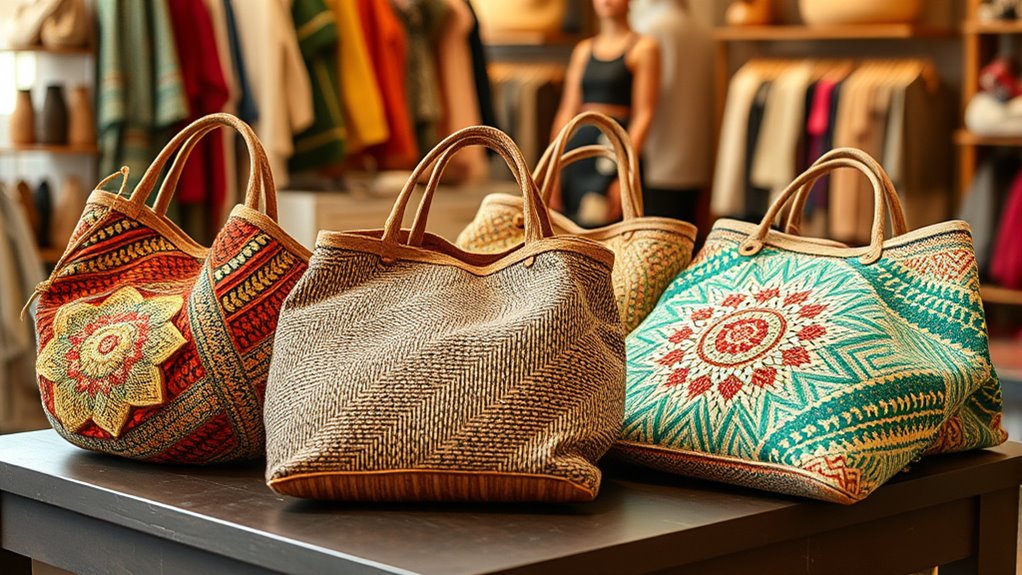
Have you ever considered how the fashion industry can become more sustainable? The answer lies in embracing circular fashion, which emphasizes recycling and reselling bags instead of constantly producing new ones. By doing so, you help reduce waste and lessen the environmental impact associated with fast fashion. One way to make a difference is by choosing bags made from sustainable material. These materials, like recycled fabrics, plant-based leathers, or upcycled textiles, are designed to lower the environmental footprint of your accessories. When you opt for sustainable material, you’re supporting innovations that prioritize eco-friendly processes and reduce reliance on traditional resource-heavy materials. This shift not only benefits the planet but also encourages brands to develop more responsible manufacturing practices.
Embrace circular fashion with sustainable materials to reduce waste and promote responsible manufacturing practices.
Another impactful way to participate in circular fashion involves secondhand markets. These markets have gained popularity as a sustainable alternative to buying brand-new bags. Instead of purchasing from fast fashion outlets, you can explore thrift stores, online resale platforms, or consignment shops where pre-loved bags are resold. By doing so, you extend the life cycle of each bag and prevent it from ending up in a landfill. Reselling bags also creates a more circular economy where products are reused multiple times, reducing the demand for new production. When you buy secondhand, you often find high-quality, unique pieces that aren’t available in mainstream stores, giving you a chance to showcase individual style while supporting sustainability.
Participating in secondhand markets also fosters a sense of community and awareness around responsible consumption. You become part of a movement that values the longevity of fashion items and recognizes their true worth beyond their initial sale. Plus, reselling your own bags when you’re done with them keeps the cycle going—someone else gets to enjoy a stylish piece, and you free up space and recoup some of your investment. This practice promotes mindful consumption, encouraging you to think more carefully about each purchase and its environmental cost.
Ultimately, integrating sustainable material choices and engaging with secondhand markets can profoundly transform your approach to fashion. It’s not just about making eco-friendly decisions but actively participating in a system that values reuse, durability, and reduced waste. When you choose circular fashion, you’re contributing to a more sustainable future, where bags and other accessories are valued as long-term assets rather than disposable commodities. Small changes in your shopping habits can ripple outward, inspiring brands to prioritize sustainability and pushing the fashion industry toward a more responsible and innovative path. Incorporating eco-friendly materials into your wardrobe is a significant step towards a greener fashion landscape.
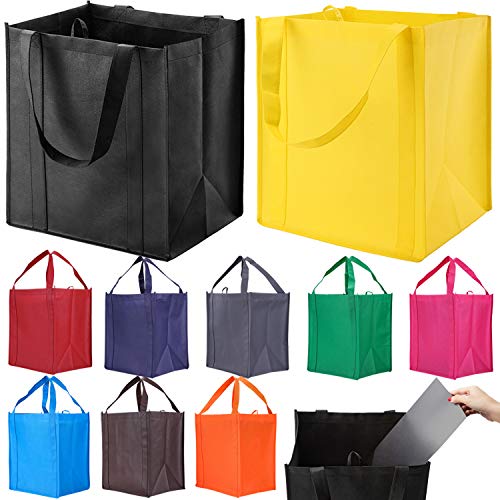
NERUB 10 Pack Reusable Reinforced Handle Grocery Bags – Heavy Duty Large Shopping Totes with Thick Plastic Bottom can hold 40 lbs
- Reinforced Handles for Durability: Handles sewn to bottom for strength
- Removable Plastic Bottom: Provides extra support during shopping
- Large Capacity Size: 15" H x 13" L x 10" W
As an affiliate, we earn on qualifying purchases.
As an affiliate, we earn on qualifying purchases.
Frequently Asked Questions
How Do Recycling Programs Ensure Bag Quality?
Recycling programs guarantee bag quality by conducting thorough bag material testing, which checks for durability, safety, and material integrity. They follow strict recycling process standards to guarantee consistent results and prevent contamination. You can trust these programs because they carefully evaluate each step, from collection to repurposing, ensuring the recycled bags meet high-quality benchmarks. This diligent process helps maintain the bags’ functionality and longevity, aligning with sustainable fashion goals.
What Are the Most Popular Reselling Platforms?
You’re drawn to the thrill of the vintage market and luxury branding, making popular reselling platforms like TheRealReal, Vestiaire Collective, and Depop your go-tos. These sites blend high-end allure with a vibrant vintage vibe, allowing you to buy and sell pre-loved bags effortlessly. They’re the perfect places to find exclusive, authenticated pieces or resell your stylish finds, turning your passion for fashion into a sustainable, profitable venture.
How Do Resale Prices Compare to New Bags?
Resale prices often fall below new bag prices, but vintage value can boost some items’ worth. You’ll notice significant price disparities depending on brand, condition, and rarity. For popular designer bags, resale prices can be close to new, especially if they’re in excellent shape. However, most secondhand bags are more affordable, giving you a chance to access luxury styles at a fraction of the original cost.
Are There Certifications for Sustainable Bag Recycling?
You might be surprised to learn that yes, there are certifications for sustainable bag recycling. Eco label standards and recycled material certifications guarantee your bag is made responsibly. These certifications verify that recycled materials meet strict environmental criteria, giving you confidence in your eco-friendly choice. When shopping or reselling, look for these labels to support brands committed to sustainability and reduce your environmental footprint effortlessly.
How Can Consumers Identify Authentic Recycled Bags?
You can identify authentic recycled bags by checking for clear labels or tags that specify material sourcing, such as recycled fabrics or plastics. Look for certifications or logos from trusted organizations that verify authenticity. Research the brand’s transparency about their sustainability practices and ask retailers about their authenticity verification processes. This way, you guarantee your purchase supports genuine recycled materials and sustainable fashion efforts.

Ultimate Guide to Buying Authentic Designer Handbags: How to Spot a Fake Designer Handbag when purchasing online or from Consignment Stores (designer handbags, … luxury items, authentic, name brand)
As an affiliate, we earn on qualifying purchases.
As an affiliate, we earn on qualifying purchases.
Conclusion
By choosing to recycle and resell bags, you’re helping reduce waste and support sustainable fashion. Did you know that the resale market for luxury bags has grown by over 50% in just the past five years? Every time you recycle or resell, you’re part of a circular system that benefits the planet and your wallet. So, embrace circular fashion—your choices make a real difference in creating a more sustainable future.

Verdana Leather Conditioner Oil – 8 Fl Oz – Plant-Based, Non-Toxic Leather Conditioner for Couches, Car Seats, Boots, Shoes, Jackets & Purses – Natural, Odorless Conditioning Oil
- Multi-Surface Leather Conditioner: Nourishes and restores various leather items
- Keeps Leather Soft & Hydrated: Reduces dryness and stiffness for comfort
- Non-Toxic & Odorless Formula: Safe for indoor use around family and pets
As an affiliate, we earn on qualifying purchases.
As an affiliate, we earn on qualifying purchases.

Speed Bag Platform for Boxing Speed Bag Stand Wall Mount Punching Bag Kit
- Thicker Board for Stability: 1-inch thick, 24-inch diameter platform
- Vibration Absorption: Includes 4 fixing knobs and lock pin
- 360° Swivel: Provides fast, responsive rebounds
As an affiliate, we earn on qualifying purchases.
As an affiliate, we earn on qualifying purchases.