Supply chain disruptions can cause shortages of raw materials like hides and tanned skins, leading to slower or halted production. Transportation delays add to inventory shortages, forcing stores to limit product availability and raising prices. These disruptions ripple through the supply chain, increasing sourcing costs and squeezing profit margins. As a result, you’ll notice fewer choices, longer wait times, and higher prices for leather goods. To understand how these issues may affect you further, keep exploring this topic.
Key Takeaways
- Raw material shortages and transportation delays reduce leather product availability and extend lead times for custom orders.
- Increased sourcing costs and supply chain ripple effects drive up retail prices and squeeze profit margins.
- Production halts and delays cause decreased product variety and compromised quality standards.
- Consumer options decline, with longer wait times and higher prices for leather goods.
- Overall industry resilience is challenged, highlighting supply chain fragility and prompting efforts for more robust networks.

Supply chain disruptions have considerably impacted the leather goods industry, causing delays and shortages that affect manufacturers and consumers alike. One of the most immediate challenges you’ll notice is raw material shortages. Leather production relies heavily on a steady supply of hides, tanned skins, and related raw materials. When transportation delays occur, these essential inputs become scarce, forcing manufacturers to slow down or halt production lines. You might see fewer leather products available in stores or notice longer wait times for custom orders. These shortages aren’t just about availability; they also push up prices, making high-quality leather goods more expensive for you. Suppliers may struggle to source enough raw materials in a timely manner, which cascades through the entire supply chain, creating a bottleneck that’s hard to resolve quickly. Additionally, the importance of Maximize Space and Organization becomes evident as businesses try to adapt their storage and inventory management in response to unpredictable supplies.
Raw material shortages and transportation delays are causing leather product shortages and higher prices for consumers.
Transportation delays compound this problem. When shipping routes are disrupted—whether due to port congestion, trucking shortages, or geopolitical issues—raw materials and finished products sit idle, waiting for clearance. As a result, manufacturers can’t meet delivery deadlines, leading to missed sales targets and disappointed customers. If you’re a retailer, you might find it difficult to stock popular items, and if you’re a consumer, you could face delays in receiving your orders. These transportation issues also affect the freshness of raw materials; leather tanners and manufacturers depend on just-in-time deliveries to maintain quality standards. Any delay can compromise the quality of the final product, affecting durability and appearance, which ultimately impacts your satisfaction as a buyer.
The ripple effects of these disruptions extend beyond just raw materials and transportation. Suppliers might have to seek alternative sources, often at higher costs, which are then passed along the supply chain. This results in increased retail prices and reduced profit margins for brands. Small and medium-sized manufacturers are especially vulnerable, as they may lack the resources to navigate these unpredictable disruptions effectively. As a result, some may even suspend production temporarily, reducing the variety and availability of leather goods on the market. If you’re looking for specific styles or custom pieces, you might find fewer options or see prices spike due to scarcity.
Ultimately, these disruptions highlight the fragility of global supply chains. They remind you of how interconnected and vulnerable your favorite leather goods are to external shocks. While companies are working to build more resilient networks, for now, you’ll need to be patient. Expect delays, potential shortages, and higher prices as the industry grapples with the ongoing effects of transportation delays and raw material shortages. Your experience as a consumer is directly impacted by these disruptions, emphasizing the need for flexibility and understanding in today’s supply landscape.
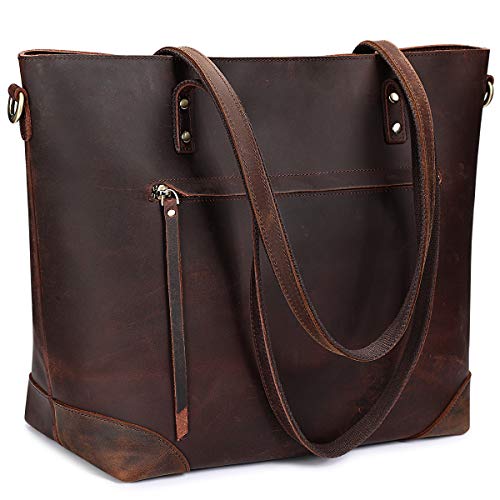
S-ZONE Vintage Genuine Leather Shoulder Bag Work Totes for Women Purse Handbag with Back Zipper Pocket Large
Roomy Capacity: External dimension is about 17.72inch(Max Length)/ 12.8inch(Bottom Length) x 6.31inch(W)x 12.6inch(H), Weight: 2.43LB, fits up to…
As an affiliate, we earn on qualifying purchases.
As an affiliate, we earn on qualifying purchases.
Frequently Asked Questions
How Do Supply Chain Disruptions Affect Leather Quality?
Supply chain disruptions can negatively impact leather quality by causing delays and shortages, which hinder your access to premium raw materials. When supply chain resilience weakens, you might resort to lower-quality alternatives that compromise craftsmanship. This affects the final product’s durability and appearance. To maintain high standards, you need a resilient supply chain that supports consistent leather craftsmanship, ensuring your products stay first-rate despite external challenges.
What Alternative Sourcing Options Exist During Disruptions?
Imagine steering a stormy sea, your boat needing new routes. During disruptions, you can explore sustainable sourcing, like partnering with eco-friendly suppliers, or shift to local manufacturing to reduce delays. These options act as safe harbors, keeping your leather supply steady. Diversifying your sources ensures resilience, helping you maintain quality and meet customer demands even when traditional supply chains hit turbulence.
How Do Disruptions Impact Luxury Leather Brands Differently?
Disruptions hit luxury leather brands harder because they threaten your luxury branding and consumer perception. When supply chains falter, you risk delays and shortages that can diminish perceived exclusivity, making your products seem less premium. Customers might worry about quality and authenticity, which undermines trust. To protect your brand, you need resilient sourcing strategies and transparent communication, ensuring consumers still see your products as symbols of luxury and craftsmanship despite disruptions.
Are There Technological Solutions to Mitigate Supply Chain Issues?
Yes, technological solutions can help you mitigate supply chain issues. You can leverage blockchain transparency to track materials in real-time, ensuring authenticity and reducing delays. AI forecasting predicts demand and supply fluctuations, allowing you to plan better. By adopting these tools, you improve visibility and responsiveness, minimizing disruptions and maintaining your leather goods’ quality and delivery timelines, even amid global supply challenges.
What Long-Term Strategies Can Leather Producers Adopt?
Did you know that 60% of supply chain disruptions last over a month? To build resilience, you should adopt long-term strategies like sustainable practices and supplier diversification. These approaches reduce dependence on a single source, ensuring smoother operations during disruptions. By investing in eco-friendly methods and broadening your supplier base, you create a more resilient supply chain that can better withstand future shocks and meet growing consumer demand for sustainability.

STAY FINE Personalized Wallet for Men, Custom Engraved Leather RFID Blocking Bifold, 2 ID Windows, 8 Card Slots, Gift for Him, Brown
Personalized Touch: Craft your unique wallet by adding a first name, last name initial, or inspiring words. Ideal…
As an affiliate, we earn on qualifying purchases.
As an affiliate, we earn on qualifying purchases.
Conclusion
As you navigate the leather market, remember that even a small disruption can ripple like a stone thrown into a pond, causing waves of delay and increased costs. When a major supplier in Italy faced unexpected shutdowns, it was like losing a vital gear in a finely tuned machine—everything slowed down. Stay adaptable and build resilient supply chains, because just like leather, your business needs the right tension and support to withstand life’s unpredictability.

Timberland Men's 35mm Classic Buckle Jean Leather Belts, Dark Brown, 36
Premium Quality: Timberland mens leather belt made with 100% genuine with a single loop antique finish buckle. Making…
As an affiliate, we earn on qualifying purchases.
As an affiliate, we earn on qualifying purchases.

Masa Kawa Leather Briefcase for Men 17" Laptop Shoulder Messenger Bag Vintage Brown Business Travel Work Lawyer Attache Case,Large
【Full Grain Cowhide Leather】Large 17"/ 17.3" laptop briefcase is crafted of 1.8mm thick real cowhide processed with crazy…
As an affiliate, we earn on qualifying purchases.
As an affiliate, we earn on qualifying purchases.